
Main Courses
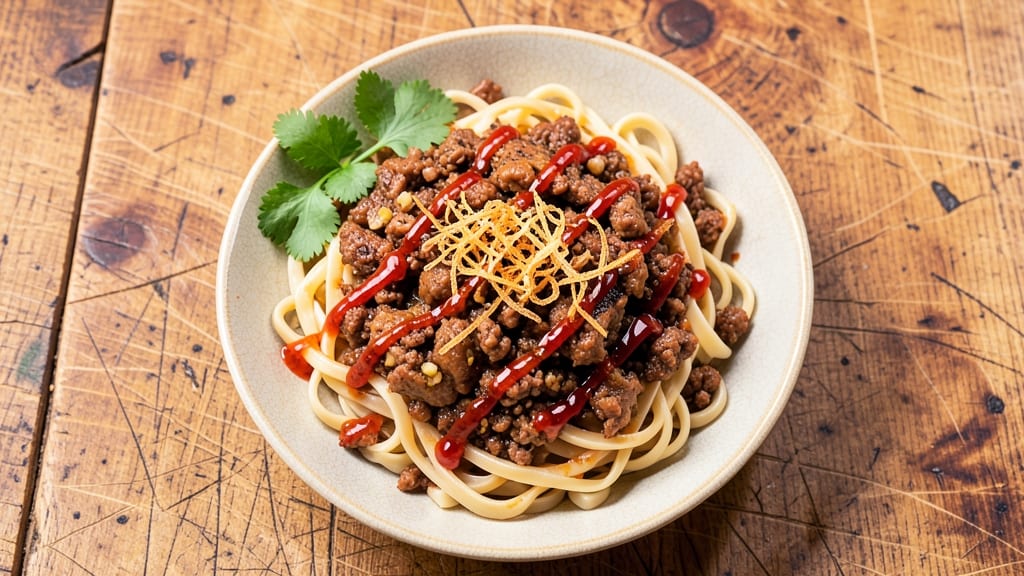
This minced pork noodle recipe delivers the kind of restaurant-quality stir-fry that transforms simple ingredients into a savory, aromatic masterpiece. The secret lies in proper pork cooking—quick, high-heat searing to render fat while keeping the meat tender—and silky egg ribbons that melt into every bite.
I developed this recipe after years of perfecting wok techniques in Charleston kitchens, where pork is the star ingredient.
The foundation starts with properly minced pork—finely ground but not overworked—which releases its natural juices when stir-fried. Garlic, ginger, and soy sauce build the flavor base, while a touch of sesame oil adds depth.
The egg ribbons, cooked just until set, create delicate strands that cling to the noodles and pork, adding richness without overwhelming. This dish balances texture perfectly: tender pork, chewy noodles, and silky egg in one harmonious bite.
What makes this recipe work is the timing—pork cooks in minutes, noodles finish just as the sauce thickens, and everything comes together in under 20 minutes. The result is a dish that’s bold yet balanced, with layers of umami from the pork and savory depth from the sauce.
Garnish with green onions and a drizzle of chili oil for extra brightness, or keep it simple with a sprinkle of toasted sesame seeds.
This stir-fry is versatile enough for weeknight dinners or weekend gatherings, scaling easily from one serving to a crowd. The technique translates well to other proteins too—chicken or shrimp work beautifully in the same method. Here’s how to make it perfectly every time.
Ingredients for minced pork noodle
Restaurant-quality stir-fry begins with these carefully selected ingredients—each playing a precise role in texture and flavor harmony.
| Ingredient | Amount | Notes |
|---|---|---|
| Ground Pork 🐖 | 1 lb | Finely ground, not pre-mixed with seasonings |
| Large Eggs 🥚 | 4 whole | Room temperature for silky ribbons |
| Fresh Garlic 🧄 | 6 cloves | Minced, skin removed |
| Fresh Ginger 🌿 | 1 ½ tbsp | Finely grated, no zest |
| Light Soy Sauce 🥢 | 3 tbsp | Kikkoman preferred for balance |
| Dark Soy Sauce 🥢 | 1 tbsp | For deeper color and sweetness |
| Sesame Oil 🫒 | 1 tbsp | Toasted, not flavored |
| Dry Rice Noodles 🍜 | 8 oz | Flat egg noodles, soaked 20 mins |
| Neutral Oil 🫒 | 2 tbsp | Peanut or vegetable oil |
| Green Onions 🧅 | 3 whole | Thinly sliced, white and green parts |
| Toasted Sesame Seeds 🌾 | 1 tbsp | For garnish, optional |
| Chili Oil 🌶️ | 1 tbsp | Or sriracha for heat |
| Diamond Crystal Kosher Salt 🧂 | ½ tsp | For seasoning noodles |
| Ground White Pepper 🌶️ | ¼ tsp | Freshly ground preferred |
The pork is non-negotiable here—ground pork from the butcher counter delivers superior texture compared to pre-seasoned blends. Charleston's local grocers often carry it in bulk, or check the meat department for 'freshly ground' labels. Freshness matters most: if the pork smells sour or has grayish hues, skip it. The eggs should be large, room-temperature for perfect ribbons—cold eggs scramble instead of forming delicate strands. For the noodles, flat egg noodles hold up best to stir-frying; brands like Taste of China or Vita Noodle are reliable. The garlic and ginger should be vibrant and firm—no soft spots or sprouting. Pre-minced garlic from jars lacks freshness, so invest the 30 seconds to mince it yourself.
No light soy sauce? Tamari or coconut aminos work in a pinch, though the flavor profile shifts slightly. Short on dark soy sauce? Molasses or a touch of brown sugar can mimic its caramel notes. The sesame oil is where depth happens—toasted, not flavored—so don't substitute with regular cooking oil. For the noodles, if you can't find flat egg noodles, udon or ramen noodles work, but soak them 5 minutes longer. The green onions can be swapped for scallions or chives, though green onions provide the best balance of sharpness and mildness. And if you're avoiding chili oil, a dash of doubanjiang paste adds fermented depth without heat.
Pork and eggs keep 2 days in the fridge, sealed tightly. The noodles? Store in an airtight container with a damp paper towel to prevent drying. Once cooked, this dish reheats beautifully—2 minutes in a wok or 1 minute in microwave—though texture suffers slightly. For meal prep, cook the pork and sauce separately, then toss with fresh noodles and egg ribbons when serving. The sesame seeds and chili oil should be added just before eating to preserve their freshness and prevent the oil from turning rancid. Portion into glass containers for best results—plastic absorbs odors.
Why You'll Love This Recipe
- No-Chop Needed: I swear by this—just mince the garlic and ginger roughly (a spoon works in a pinch). The pork browns fast, and those eggs? They scramble into fluffy little pockets that soak up all the savory goodness. Honestly, my lazy nights thank me every time.
- Umami Bomb: That light soy sauce and garlic combo? It’s the secret weapon. The pork stays juicy while the ginger adds a bright kick, and the eggs tie it all together with a creamy, almost custardy finish. Between us, it’s the kind of flavor that makes you pause mid-bite.
- Leftover Goldmine: This dish actually improves the next day. The noodles soften just right, the pork stays tender, and you can toss it with a fried egg for breakfast or reheat it with a splash of water for lunch. I’ve fed a crowd with one batch—no regrets.
- Pocketbook Hero: Ground pork is cheap, eggs are cheap, and a head of garlic lasts forever. You’re looking at a meal that costs next to nothing but tastes like you slaved over it. Plus, it stretches easily—double the noodles, halve the cost. My wallet and I are best friends now.
Step-by-step instructions for minced pork noodle stir-fry
Here's the method for creating restaurant-quality minced pork noodles with perfect egg ribbons and tender noodles.
Prepare the Egg Ribbons and Soak the Noodles
Beat the 4 whole Large Eggs lightly in a bowl, adding the 0.5 tsp Diamond Crystal Kosher Salt and 0.25 tsp Ground White Pepper. Heat 1 tablespoon of the Neutral Oil in a non-stick skillet over medium-low heat until just shimmering. Pour the egg mixture into the skillet, tilting to create a thin, even layer. Cook for 30-45 seconds until the bottom just begins to set but the top remains runny.
Use a spatula to gently fold the egg in half, then immediately fold it again to create thin ribbons. Remove from heat and transfer to a plate. This quick cooking method ensures silky, delicate ribbons that won't overcook. While the eggs cook, soak the 8 oz Dry Rice Noodles in warm water for 20 minutes until pliable but still slightly firm. Drain and set aside.
Sauté the Aromatics and Cook the Pork
Increase the heat to medium-high and add the remaining 1 tablespoon Neutral Oil to the same skillet. Add the 6 cloves Fresh Garlic and 1.5 tbsp Fresh Ginger, cooking for 30 seconds until fragrant but not browned. Add the 1 lb Ground Pork, breaking it up with your spatula as it cooks. Stir constantly for 4-5 minutes until the pork is no longer pink in the center.
Season immediately with 3 tbsp Light Soy Sauce, 1 tbsp Dark Soy Sauce, and 1 tbsp Sesame Oil. The pork should be fully cooked but still moist, with a glossy sheen from the sauces. If it starts to dry out, add a splash of water and cover for 30 seconds to steam. This step develops the deep umami flavor that defines the dish.
Combine Noodles, Pork, and Egg Ribbons
Add the drained noodles to the skillet with the pork mixture, tossing gently to coat everything evenly. Cook for 2-3 minutes over medium heat, allowing the noodles to absorb the flavors while remaining tender. Return the egg ribbons to the skillet and toss everything together for 1 minute to heat through.
Season with an additional 0.25 tsp Diamond Crystal Kosher Salt if needed, then remove from heat. The noodles should be hot but still slightly chewy, with the pork and egg perfectly integrated. If the mixture seems dry, add 1-2 tablespoons of hot water from the noodle soaking bath to loosen everything.
Finish with Garnishes and Serve Immediately
Transfer the noodles to serving bowls and garnish with 3 whole Green Onions (sliced), 1 tbsp Toasted Sesame Seeds, and a drizzle of 1 tbsp Chili Oil. The chili oil adds a bright, spicy contrast to the rich pork and egg. For extra depth, you can also add a few drops of 1 tablespoon Sesame Oil at the end for aroma.
Serve immediately while everything is hot. The dish should have a balance of textures—chewy noodles, tender pork, delicate egg ribbons, and crisp green onions. Each bite should deliver layers of savory, umami, and subtle heat. This stir-fry is best enjoyed fresh, as the noodles soften further when left standing.
Pro Tips For Making Minced Pork Noodle
- CRANK THE HEAT FIRST: I used to let the pork cook on medium, and it’d just sit there, greasy and unappetizing. For minced pork noodles, start with the pan ripping hot—almost smoking—so the pork sizzles immediately. This breaks down the fat fast and gives those little meat bits the crisp edges they need before you add everything else.
- MINCE GINGER FINE: Skip the lazy grating and actually chop that ginger into a paste with a knife—no food processor needed. Too many chunks mean you’ll taste them instead of the pork and soy. A proper mince (almost like a sauce) blends right in and lets the ginger’s warmth shine without overpowering.
- SALT THE PORK BEFORE COOKING: Toss the ground pork with a pinch of salt before it hits the pan. This keeps it tender and prevents that dry, rubbery texture you get when you salt after cooking. (Yes, even if your soy sauce is already salty—trust me.)
- STIR IN THE EGG LAST: If you add the egg too early, it’ll scramble into a gluey mess. Wait until the pork’s mostly cooked, then pour in the beaten egg and give it one quick stir—just enough to coat the pork lightly. You want ribbons, not scrambled bits. (And no, don’t rush it.)
Dietary considerations for this recipe
Gluten-Free Adaptation
This dish is naturally gluten-free when using tamari instead of soy sauce and certified gluten-free noodles. I recommend Taste of China gluten-free rice noodles—they soak up flavors beautifully.
Swap 3 tbsp light soy sauce for 3 tbsp tamari and 1 tbsp dark soy sauce for 1 tbsp gluten-free coconut aminos. The texture stays identical, but always check labels for cross-contamination warnings. 🌱
Low-Carb Options
For a keto-friendly version, replace the noodles with shirataki noodles (soy-based, zero-carb) or zucchini noodles. Cook shirataki noodles according to package instructions (usually 3-5 minutes in boiling water), then drain and rinse thoroughly.
For zucchini noodles, sauté them for 2 minutes in the skillet after removing the pork to prevent mushiness. The egg ribbons and pork remain unchanged, keeping the dish rich and satisfying. ✨
Vegetarian Swap
Replace the pork with finely crumbled tofu or mushroom stems for a meatless version. Press and drain 1 lb extra-firm tofu for 15 minutes, then crumble it into the skillet with the aromatics.
For mushrooms, use 8 oz shiitake or oyster mushrooms, sliced thinly. Both options absorb the sauce beautifully, though mushrooms add an earthy depth that complements the egg ribbons perfectly. 🍄
Allergen-Friendly Notes
Watch for egg allergies—this recipe requires eggs as a key component. For nut-free kitchens, use vegetable oil instead of sesame oil (though sesame is technically a legume, not a tree nut).
If sesame allergies are a concern, substitute with 1 tsp toasted olive oil at the end for aroma. Always double-check your sesame seeds and chili oil labels for potential cross-contamination. 💡
Protein Alternatives
Chicken or shrimp work beautifully in this stir-fry. For chicken, use 1 lb ground chicken thigh (more flavorful than breast) and reduce cooking time to 3-4 minutes. For shrimp, use 1 lb peeled shrimp, cooked for just 1-2 minutes until pink.
Both proteins pair well with the egg ribbons, though shrimp adds a delicate sweetness that contrasts differently with the soy-based sauce. 🦐
Nutrition facts
Frequently asked questions
Why does the recipe call for both light and dark soy sauce?
Light soy sauce provides the primary salty, savory flavor while dark soy sauce adds depth and a richer color. The dark soy gives that classic restaurant stir-fry appearance without overpowering the delicate pork flavor. Try omitting it if you prefer a lighter look, but the taste will be slightly less complex.
Can I use pre-cooked pork or leftovers in this recipe?
Pre-cooked pork works, but fresh ground pork gives the best texture and flavor. If using leftovers, reheat gently with a splash of water to prevent drying out. For maximum quality, cook fresh pork in the stir-fry—it releases juices that create the signature glossy finish.
What's the secret to perfect egg ribbons?
Use room-temperature eggs and cook them on medium-low heat until just set at the bottom. Fold immediately while still runny to create silky strands. Overcooking makes them rubbery—remove them when they look barely set. The key is speed and gentle folding!
How do I adjust this for a wok vs. regular skillet?
For a wok, use higher heat and more oil to prevent sticking. In a skillet, keep heat at medium-high and reduce oil by 1 tsp. The cooking time stays similar, but woks distribute heat better for larger batches. If your skillet is non-stick, you can use the same method as the recipe.
What if my noodles turn mushy?
Over-soaking or overcooking causes mushiness. Soak noodles only 20 minutes and drain well. When stir-frying, cook for just 2-3 minutes—they should be tender but still slightly chewy. If needed, add a splash of hot water from the soaking bath to loosen them.