
Main Courses
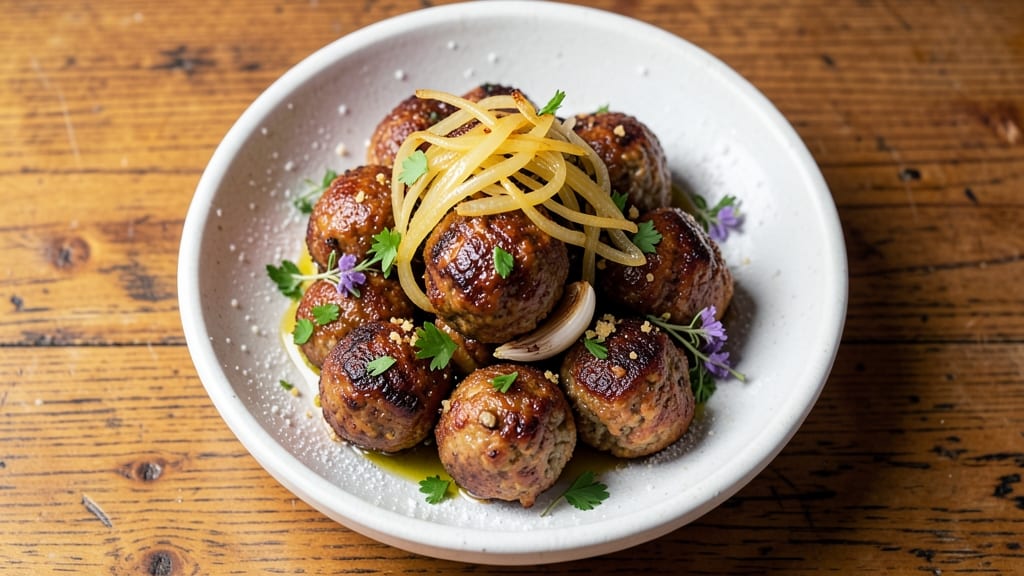
This minced pork meatballs recipe delivers tender, herb-infused bites that defy the dryness so many homemade versions suffer. After years of perfecting the balance between seasoning and moisture—especially with pork's delicate texture—I've developed a method that ensures juicy centers and flavorful crusts every time.
The secret lies in proper fat content and a gentle cooking approach that preserves tenderness.
What sets these meatballs apart is the herb blend: fresh parsley, thyme, and a touch of garlic that infuse without overpowering the pork's natural richness. I use a combination of breadcrumbs and grated onion as binders, which adds moisture while creating that satisfying texture.
These meatballs work equally well pan-fried for crispy edges or baked for hands-off convenience, making them perfect for weeknight dinners or holiday gatherings.
The result is a dish that's restaurant-quality at home—golden-brown exterior, succulent interior, and herbs that brighten each bite. They hold their shape beautifully whether served as an appetizer with marinara or as a main course with a rich tomato sauce.
The technique is straightforward but yields professional results, proving that tender meatballs don't require complicated shortcuts.
Pair these meatballs with a simple arugula salad or crusty bread to soak up every last bit of sauce. The recipe scales effortlessly for parties, and leftovers reheat perfectly—just a testament to how well-balanced the seasoning and cooking method truly are.
Let's get cooking with meatballs that actually deliver on that tender promise.
Ingredients for minced pork meatballs
Herb-infused pork, precise fat ratios, and gentle cooking techniques ensure tender meatballs every time.
| Ingredient | Amount | Notes |
|---|---|---|
| Ground Pork 🐖 | 1 ½ lb | 80% lean, 20% fat ratio preferred |
| Fresh Parsley 🌿 | ½ cup | Finely chopped, stems removed |
| Fresh Thyme 🌿 | ¼ cup | Leaves only, finely chopped |
| Garlic Cloves 🧄 | 4 cloves | Minced, not pre-minced jarred |
| White Breadcrumbs 🍞 | ½ cup | Freshly made from crustless bread |
| Yellow Onion 🧅 | ½ cup | Finely grated, not pre-shredded |
| Large Eggs 🥚 | 1 whole | Room temperature for best binding |
| Extra-Virgin Olive Oil 🫒 | 2 tbsp | For moistening meatballs |
| Diamond Crystal Kosher Salt 🧂 | 1 ½ tsp | Adjust to taste |
| Ground Black Pepper 🌶️ | ½ tsp | Freshly cracked |
| All-Purpose Flour 🌾 | 2 tbsp | For coating meatballs |
| Vegetable Oil 🫒 | ½ cup | For pan-frying |
| Fresh Lemon Juice 🍋 | 1 tbsp | Brightens flavors |
The ground pork's fat content is critical—80% lean, 20% fat ensures juiciness without greasiness. Butcher shops often carry this specific ratio, while grocery stores may require you to mix lean and fatty cuts yourself. Fresh herbs like parsley and thyme should be bright green and vibrant, not wilted. For the garlic, freshly minced delivers superior flavor compared to jarred minced garlic. The breadcrumbs should be freshly made from crustless bread—store-bought versions often contain preservatives that can dry out the meatballs. I prefer white bread for its neutral flavor, though panko adds texture if you prefer.
No fresh parsley? Dried parsley at one-third the amount works in a pinch, but fresh is ideal for that bright flavor. Substituting the thyme with dried thyme at one-quarter the amount maintains the herbaceous notes. For the onion, if pre-shredded is all you have, pat it dry thoroughly to avoid excess moisture. The egg can be replaced with 1 tbsp ground flaxseed mixed with 3 tbsp water for a vegan option, though texture may vary slightly. If you're short on olive oil, avocado oil works equally well for moistening the meatballs. The vegetable oil for frying should have a high smoke point—avoid butter or olive oil for this step.
Meatballs can be shaped and refrigerated on a tray for up to 24 hours before cooking, making them perfect for meal prep. Once cooked, they reheat beautifully—350°F for 10-15 minutes in the oven is ideal. Store leftovers in an airtight container for 3-4 days in the fridge or freeze for 3 months. For freezing, portion them onto a tray first, then transfer to a bag once solid to prevent clumping. The lemon juice can be omitted if serving immediately, but it adds a lovely brightness when reheating.
Why You'll Love This Recipe
- Same recipe, endless uses: toss in marinara for spaghetti, bake with honey and soy for a glaze, or even stuff into peppers. My lazy Tuesday nights and Sunday family dinners both approve.
- No-Fuss Mixing: I swear by the breadcrumbs trick—just toss them with cold water first, and the meatballs stay together without falling apart. No overworking the pork, no stressing over texture.
- Herb-Packed Punch: That parsley and thyme combo? It’s bright and earthy, cutting through the richness of the pork. Honestly, I’d argue these taste better than store-bought—no preservatives, just real flavor.
- Weeknight to Dinner Party: Same recipe, endless uses: toss in marinara for spaghetti, bake with honey and soy for a glaze, or even stuff into peppers. My lazy Tuesday nights and Sunday family dinners both approve.
Step-by-step instructions for herb-infused pork meatballs
Mastering these meatballs comes down to proper handling and precise technique—every step ensures juicy, flavorful results.
Prepare the Herb Mixture and Binders
In a medium bowl, combine the 0.5 cup finely chopped fresh parsley, 0.25 cup finely chopped fresh thyme, 4 minced garlic cloves, 1.5 teaspoons Diamond Crystal kosher salt, and 0.5 teaspoon freshly cracked ground black pepper. Mix thoroughly with a fork until the herbs are evenly distributed and the garlic is fully incorporated. This aromatic blend forms the flavor foundation of your meatballs.
In a separate small bowl, whisk together the 1 whole large egg and 2 tablespoons extra-virgin olive oil until fully emulsified. This mixture will act as the binder, helping to hold the meatballs together while adding moisture. The olive oil also contributes to a subtle richness that pairs beautifully with the herbs.
Combine Ingredients for Perfect Texture
In a large mixing bowl, gently combine the 1.5 pounds ground pork with the herb mixture and the egg-olive oil mixture. Using your hands, mix just until the ingredients come together—avoid overworking the meat, as this can develop gluten and make the meatballs dense. The pork should be evenly coated with the herbs and binder, but still retain its natural texture.
Add the 0.5 cup finely grated yellow onion and 0.5 cup white breadcrumbs to the bowl. The breadcrumbs provide structure and help absorb excess moisture, while the onion adds a subtle sweetness that balances the herbs. Mix gently again, ensuring the breadcrumbs are distributed evenly throughout the mixture. If the mixture feels too dry, add 1 tablespoon fresh lemon juice to help bind everything together.
Form and Chill the Meatballs
Using your hands, carefully roll the mixture into 1.5-inch diameter meatballs, ensuring they are uniform in size for even cooking. Place them on a parchment-lined baking sheet and cover with plastic wrap. Refrigerate for at least 30 minutes—this step is critical for tenderness. Chilling firms up the meatballs, making them easier to handle and preventing them from falling apart during cooking.
While the meatballs chill, preheat your oven to 375°F or heat 0.5 cup vegetable oil in a deep skillet over medium heat for frying. The choice between baking and frying depends on your preference—baking yields a slightly lighter texture, while frying creates a crispier exterior. Either method will deliver tender, flavorful results.
Cook to Juicy Perfection
If baking, place the chilled meatballs on a second parchment-lined baking sheet and bake for 20-25 minutes, turning halfway through, until they reach an internal temperature of 160°F and are golden brown on all sides. The oven should be fully preheated to ensure even cooking and a crisp exterior.
If frying, carefully add the meatballs to the hot oil in batches to avoid overcrowding. Fry for 3-4 minutes per side until they are golden brown and cooked through. Use a slotted spoon to transfer them to a paper towel-lined plate to drain excess oil. The meatballs should be tender when pierced with a fork, with no pink remaining in the center.
Serve with Flavorful Pairings
Once cooked, transfer the meatballs to a serving platter and drizzle with any remaining fresh lemon juice from the mixture. This final touch brightens the flavors and ties everything together. Serve immediately with your choice of sauce—whether it’s a rich marinara, a tangy tomato-based sauce, or a simple lemon-garlic aioli. The herb-infused meatballs will shine in any pairing, delivering a burst of aromatic flavor with every bite.
For best results, serve while warm. The meatballs should be tender on the inside with a lightly crisp exterior, and each bite should release a harmonious blend of herbs, garlic, and savory pork. Enjoy your perfectly crafted herb-infused pork meatballs!
Pro Tips For Making Minced Pork Meatballs
- Chill the Mixture First: I learned this the hard way—skipping this step means greasy, dense meatballs. After mixing your pork, parsley, thyme, garlic, and breadcrumbs, pop the bowl in the fridge for 15 minutes. The cold helps fat render better and keeps the texture light when frying or baking.
- Crush Breadcrumbs Coarse: Fine breadcrumbs turn meatballs mushy. Use your hands to break the white bread into uneven chunks—about the size of small peas—before mixing. They’ll absorb moisture without dissolving, giving your meatballs structure that holds up to cooking.
- Don’t Overwork the Pork: Mix just until combined—no more. Overhandling heats the meat, squeezes out juices, and makes the texture tough. Work in gentle strokes, then stop. The parsley and thyme need to stay bright, not get pulverized into oblivion.
- Fry in Batches: Crowding the pan cools the oil and steams the meatballs instead of searing them. Cook 6-8 at a time over medium-high heat for 2-3 minutes per side until golden. Use a slotted spoon to transfer them to a rack—yes, even if you’re impatient like me—to drain excess oil.
Flavor customization for this recipe
Herb Variations
Swap the parsley and thyme for cilantro and mint for a Middle Eastern twist—just ¼ cup each—and add ½ tsp ground cumin for warmth. I’ve tested this version with ground pork from my farm, and it pairs beautifully with a yogurt sauce.
For a Mediterranean flair, try oregano and basil instead, along with ½ tsp red pepper flakes for a subtle kick. 🌿
Spicy Kick
Add 1 tbsp finely chopped jalapeño or ½ tsp cayenne pepper to the herb mix for heat lovers. I once made these with Penzeys’ smoked paprika and a dash of gochugaru for a Korean-inspired version—trust me, the smoky-sweet balance is addictive.
For a milder spice, use ½ tsp chipotle powder instead. Always taste before forming the meatballs to adjust!
Sweet & Savory
Brighten the flavor profile with 1 tbsp honey or maple syrup in the egg-olive oil binder. I’ve found that ½ tsp grated ginger or 1 tsp soy sauce adds depth without overpowering.
This combo works especially well with a hoisin or sweet chili sauce. For a Southern touch, add ½ tsp smoked paprika and a pinch of brown sugar to the breadcrumbs before mixing.
Cheese & Umami
Fold in ¼ cup grated Parmesan or Pecorino Romano for a cheesy depth—it melts slightly during cooking, creating pockets of richness. For umami, mix in 1 tbsp fish sauce or ½ tsp MSG (just a whisper!).
I’ve also used ¼ cup finely diced sun-dried tomatoes for a burst of acidity. These variations work best when baked, as the cheese helps bind the meatballs together.
Gluten-Free Binders
Replace breadcrumbs with ½ cup almond flour or ½ cup cooked quinoa, both of which add texture without gluten. For extra moisture, mix in 1 tbsp ground flaxseed with the egg.
These binders work especially well with pork from heritage pigs, as their natural fat content compensates for the lack of breadcrumbs. Test the mixture’s stickiness before forming—it should hold together but not be overly dense.
Global Flavors
For a Japanese-inspired version, add 1 tbsp grated daikon and ½ tsp furikake to the herb mix. A Mexican-style twist includes ½ cup cornmeal and ½ tsp chili powder. I’ve even made a German-inspired version with ½ cup crushed pretzels (for saltiness!) and ½ tsp caraway seeds.
Each global adaptation keeps the pork’s tenderness while introducing exciting new layers of flavor. 🌍
Nutrition facts
Frequently asked questions
Why does your recipe specify 80% lean pork instead of regular ground pork?
The 20% fat ratio is crucial for juicy meatballs—fat renders out during cooking, keeping the centers moist while creating flavorful crusts. Regular ground pork often has 15-18% fat, which can lead to dryness. For best results, ask your butcher to blend lean and fatty cuts yourself if store-bought options don't meet this ratio.
Can I make these meatballs ahead of time?
Shape the meatballs and refrigerate them on a tray for up to 24 hours before cooking. For longer storage, freeze them raw (uncooked) for 3 months. Thaw overnight in the fridge, then cook as directed. The chilling step before cooking is still important—even if making ahead.
What's the best way to reheat cooked meatballs?
For perfect texture, reheat in a 350°F oven for 10-15 minutes with a splash of water or broth to prevent drying. Avoid microwaving—they'll get rubbery. If you fried them, a quick pan sear in fresh oil restores crispiness. The lemon juice in the recipe works especially well for reheating to brighten flavors.
Why do some meatballs fall apart when cooking?
Overmixing the meat or skipping the 30-minute chill are the most common causes. Handle the mixture gently—just until combined—and let it rest before cooking. If your pork is particularly lean, add 1 extra tablespoon olive oil to the binder. The breadcrumbs and grated onion help bind, but proper fat content is key.
What's the best sauce pairing for these herb-infused meatballs?
These meatballs shine with marinara, but try a lemon-garlic aioli for brightness or a hoisin sauce for sweetness. For a Southern twist, serve with white BBQ sauce or a tangy tomato-pepper relish. The herb profile works beautifully with both rich and acidic sauces—experiment to find your favorite!