
Main Courses
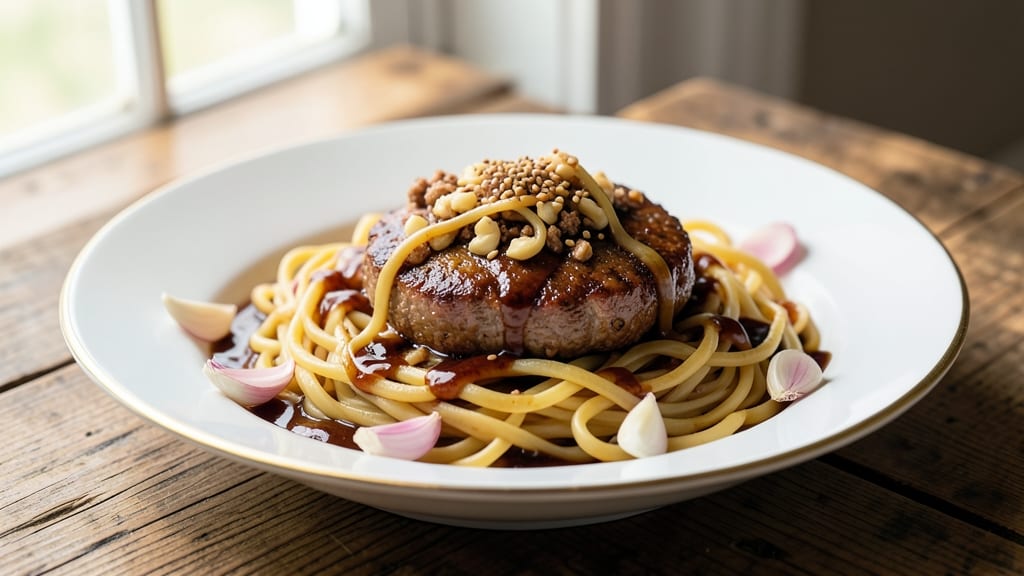
This minced pork dry noodle recipe delivers restaurant-quality stir-fry in just 20 minutes, transforming simple ingredients into a dish packed with umami depth. 🔥 As someone who's spent years perfecting pork techniques, I can tell you the secret lies in proper seasoning and high-heat stir-frying to develop those rich, savory flavors without overcooking the delicate pork.
The beauty of this dish is its balance—tender, finely textured pork that absorbs the aromatic sauce while dry noodles soak up all the flavor without becoming mushy.
I developed this technique during a particularly busy week when I needed a weeknight solution that still felt special, and it's been my go-to ever since for feeding a crowd or a quick solo meal.
What you'll end up with is a vibrant stir-fry where each bite delivers perfectly seasoned pork, chewy noodles, and a sauce that's both complex and balanced—sweet, salty, and umami-rich all at once.
The key is working quickly over high heat, which keeps everything tender while building deep flavor through proper seasoning and timing.
This dish works equally well as a weeknight dinner or when hosting guests—it's impressive enough to serve but simple enough to make without stress. Let's get started on creating this umami-packed stir-fry that's guaranteed to become a regular in your rotation.
Ingredients for minced pork dry noodle
Pantry staples meet quick stir-fry magic—just 13 ingredients for restaurant-quality flavor in minutes.
| Ingredient | Amount | Notes |
|---|---|---|
| Ground Pork 🐷 | 1 lb | Finely minced for texture |
| Dry Egg Noodles 🍜 | 8 oz | Medium or thin width |
| Soy Sauce 🍶 | ½ cup | Light or dark variety |
| Oyster Sauce 🍲 | 2 tbsp | Rich umami flavor |
| Sesame Oil 🫒 | 1 tbsp | Toasted for aroma |
| Garlic Cloves 🧄 | 4 cloves | Minced for depth |
| Fresh Ginger 🌿 | 1 tbsp | Grated, not powdered |
| Vegetable Oil 🫒 | 2 tbsp | High smoke point |
| Green Onions 🧅 | 3 whole | Sliced for garnish |
| White Sugar 🍚 | 1 tbsp | Balances flavors |
| Salt 🧂 | 1 tsp | Kosher or sea salt |
| Black Pepper 🌶️ | ½ tsp | Freshly ground |
| Red Chili Flakes 🔥 | ½ tsp | Optional for heat |
The pork is everything here. Ground pork (not lean ground pork) gives you that perfect texture—juicy but tender when cooked quickly. Trader Joe's or Costco usually have the best quality, and you want it as finely minced as possible. If you're using pre-ground pork, pulse it a few times in a food processor for even texture. The noodles? Dry egg noodles are non-negotiable—they hold up to stir-frying without turning to mush. Look for medium or thin width, and cook them al dente if you're boiling them separately (they'll finish in the wok).
No oyster sauce? Soy sauce plus a splash of fish sauce works in a pinch, but oyster sauce brings that deep umami punch. The sesame oil is what makes this smell amazing—toasted sesame oil is key, not the regular kind. Fresh ginger and garlic are worth the effort: pre-grated ginger loses flavor fast, so grate it fresh. The sugar might seem odd, but it balances the saltiness and makes the sauce sing. Substitute maple syrup if you're avoiding refined sugar. Chili flakes are optional, but I always keep them on hand for a quick kick.
Prep everything before you start cooking—this is a fast dish, and you don't want to be scrambling. The noodles can be cooked ahead and tossed with a little oil to keep them from sticking. Store leftovers in an airtight container for 3-4 days in the fridge, though they're best eaten fresh. Freezing isn't ideal because the noodles get mushy, but you can freeze the pork mixture separately for 1 month and stir-fry it with fresh noodles later. Garnish with those green onions right before serving—they add freshness that cuts through the richness.
Why You'll Love This Recipe
- No-Chop Needed: I swear by this—just brown the pork, toss in the pre-cooked noodles, and let the sauces do the work. The only knife you’ll use is to open the soy sauce bottle.
- Umami Bomb: That combo of oyster sauce and sesame oil? It’s like a flavor explosion in your mouth. The pork stays juicy, the noodles soak up the richness, and every bite has this deep, savory punch.
- Lunchbox Hero: Between us, this is my go-to for packed lunches. Cold or reheated, it’s still solid—just add a sprinkle of green onions if you’re feeling fancy. (Yes, even on a Tuesday night.)
- Pantry Staple: Ground pork and dry noodles last forever, and the sauces? A few drops go a long way. I’ve made this for date nights, lazy Sundays, and even when I burned dinner. It never lets me down.
Step-by-step instructions for minced pork dry noodle stir-fry
Here's how to make this savory stir-fry with perfect texture and balanced flavors.
🍳 Step 1: Cook the Dry Egg Noodles Just Right
Bring a large pot of water to a rolling boil and add the 8 oz dry egg noodles. Cook for 8-9 minutes until they're al dente—they should still have a slight bite but be tender throughout. I like to test by biting one noodle—it should be soft but not mushy.
Drain the noodles in a colander and rinse briefly with cold water to stop the cooking process. Toss them with 1 tablespoon sesame oil right away to prevent sticking. Set aside while you prep the pork mixture. The noodles will absorb the sesame oil and stay separate when you toss them later.
👨🍳 Step 2: Stir-Fry the Minced Pork Until Golden
Heat 2 tablespoons vegetable oil in a large wok or skillet over medium-high heat until shimmering. Add the 1 lb ground pork and cook, breaking it apart with a wooden spoon, for 4-5 minutes until it loses its raw color and turns golden brown in spots.
Here's where the flavor magic happens: add the 4 minced garlic cloves and 1 tablespoon grated fresh ginger to the pork. Stir constantly for 30 seconds—you'll smell that aromatic punch of garlic and ginger filling your kitchen. The pork should be fully cooked through but still juicy, not dried out.
🥘 Step 3: Build the Umami-Packed Sauce
Pour in the 0.5 cup soy sauce, 2 tablespoons oyster sauce, and 1 tablespoon white sugar. Stir everything together and let it simmer for 2 minutes until the sauce thickens slightly and coats the back of a spoon. You're looking for a glossy, sticky consistency that will cling perfectly to the noodles.
Add the 1 tsp salt, 0.5 tsp black pepper, and 0.5 tsp red chili flakes (if using). Taste and adjust—you want a balance of salty, sweet, umami, and just a hint of heat. The sauce should be vibrant and aromatic, ready to transform your noodles into something extraordinary.
🍽️ Step 4: Combine Everything for Perfect Texture
Add the cooked noodles to the pork mixture and toss vigorously with tongs for 1-2 minutes until everything is evenly coated and heated through. The noodles should absorb the sauce but still maintain their individual shape—this is where your quick cooking comes into play.
If the noodles seem dry, add 1-2 tablespoons of water from the noodle pot to loosen the sauce. The perfect consistency should be saucy but not soupy, with each noodle strand glistening with flavor. Here's the moment you've been waiting for—taste and adjust seasoning one last time if needed.
🌿 Step 5: Garnish and Serve Immediately
Turn off the heat and transfer the noodles to serving bowls. Slice the 3 whole green onions diagonally and sprinkle them evenly over the top. The fresh green color contrasts beautifully with the rich brown pork and adds a crisp texture.
Serve immediately while everything is hot and the noodles are still holding their shape. The aroma of sesame oil and garlic will fill your kitchen, and each bite should deliver perfect texture—chewy noodles with tender, flavorful pork and a sauce that clings to every strand. Enjoy with extra green onions on the side if you're feeling fancy!
Pro Tips For Making Minced Pork Dry Noodle
- CRANK THE HEAT FAST: I learned this the hard way—low heat for minced pork means greasy, rubbery meat. Use a wok or deep pan on max heat until it sizzles, then stir-fry in 30-second bursts. The pork releases fat quickly, and you’ll get that proper charred aroma before the noodles even hit the pan.
- PREP NOODLES RIGHT: Break the dry egg noodles into 3-inch pieces before boiling. They cook faster and absorb sauce better when they’re not tangled. Pro move: Rinse them just after boiling—removes excess starch so the sauce clings instead of turning gloppy.
- STOP WHEN IT’S 80% DONE: The pork’s done when it’s no longer pink in the center but still slightly springy—overcooking turns it dry. Toss in the noodles early (after 2 minutes of stir-frying) so they soak up the pork’s juices while finishing together. The residual heat will cook them through.
- SWAP SESAME OIL LAST: Add sesame oil at the very end—just a teaspoon—while everything’s off the heat. It burns fast and kills the aroma if you add it too soon. A quick drizzle over the plate right before serving keeps that nutty, fragrant punch intact. (Yes, even if you’re impatient like me.)
Essential equipment for perfect results
Wok Essentials
Your wok is the star of this dish—carbon steel woks are my go-to because they heat up fast and retain even temperatures. I use a 14-inch Matteau carbon steel wok for its durability and heat distribution.
If you don’t have a wok, a heavy-bottomed cast iron skillet (like my Lodge 12-inch) works perfectly too. The key is high heat—your pan should get so hot that a drop of water sizzles instantly. 🔥
Knife Skills Matter
For this recipe, you’ll need a sharp chef’s knife (I recommend Wüsthof or Shun) to mince garlic and ginger finely. The goal is tiny pieces that dissolve into the pork without being noticeable—this builds flavor without texture.
A microplane works great for ginger if you want extra-fine texture. Never use pre-minced garlic or jarred ginger—they lose flavor fast and add moisture, which can make your pork soggy.
Tongs for Perfect Tossing
You’ll need long-handled tongs (like OXO Good Grips) to toss the noodles and pork together without breaking the strands. I keep mine within reach while cooking so I can quickly combine everything at the end.
If your tongs are too short, the noodles will stick to your hands and turn into a mess. A wooden spoon can work in a pinch, but tongs give you better control for that perfect toss. ✨
Measuring Tools
Precision matters in stir-fries—use a digital kitchen scale for the pork (1 lb) to ensure accuracy, and a liquid measuring cup for sauces. A fine-mesh strainer helps rinse noodles properly without breaking them.
I also keep a small bowl nearby for tossing noodles with sesame oil while they cool. Pro tip: Use a spoon rest to keep utensils organized while cooking—it’s a game-changer for busy stir-fries.
Optional Upgrades
For extra flavor, invest in a garlic press to mince cloves quickly, or a sesame oil infuser to toast the oil until it’s fragrant. A thermometer helps monitor wok heat—aim for 450-500°F.
If you’re serving a crowd, a large serving platter (like Le Creuset) keeps everything warm while plating. Trust me, these small tools make a big difference in restaurant-quality results at home. 💫
Nutrition facts
Frequently asked questions
Can I substitute ground pork with another meat in this recipe?
Ground chicken or turkey work well for a lighter version, but the texture will be slightly different. For best results, use ground pork shoulder (not lean pork) to maintain that tender, juicy quality. If you're vegetarian, extra-firm tofu crumbled into small pieces mimics the texture when pan-fried first. The key is high heat to develop flavor quickly.
Why do my noodles turn mushy when stir-frying?
Overcooking is the main culprit—noodles should be al dente before adding to the wok. Rinse them briefly with cold water after draining to stop cooking, then toss with sesame oil immediately. Also, avoid adding noodles too early—they need to finish cooking in the hot wok for just 1-2 minutes with the pork. Keep your heat high!
How can I make this dish spicier?
Add 1-2 teaspoons of chili crisp or 1 sliced fresh chili pepper (like Thai bird's eye) to the pork while cooking. For heat control, start with 1 teaspoon of red chili flakes and adjust to taste. If using fresh chili, remove seeds for less heat. Garnish with extra chili oil or sliced jalapeños when serving for a fiery kick.
Can I make this recipe ahead of time?
Cook the pork mixture ahead and store it in an airtight container for 2-3 days in the fridge. Reheat gently with a splash of water, then toss with freshly cooked noodles. For best texture, don't pre-cook the noodles—they're best made fresh when reheating. The sauce will thicken when reheated, so add a little water if needed to loosen it.
What's the secret to getting that restaurant-quality flavor?
Three things: high heat, fresh ingredients, and proper seasoning. Use freshly minced garlic and ginger, toast your sesame oil until fragrant, and let the pork brown deeply before adding sauces. Taste as you go—balance the flavors between salty, sweet, and umami. The quick cooking time is crucial to keep everything tender while building deep flavor.