
Main Courses
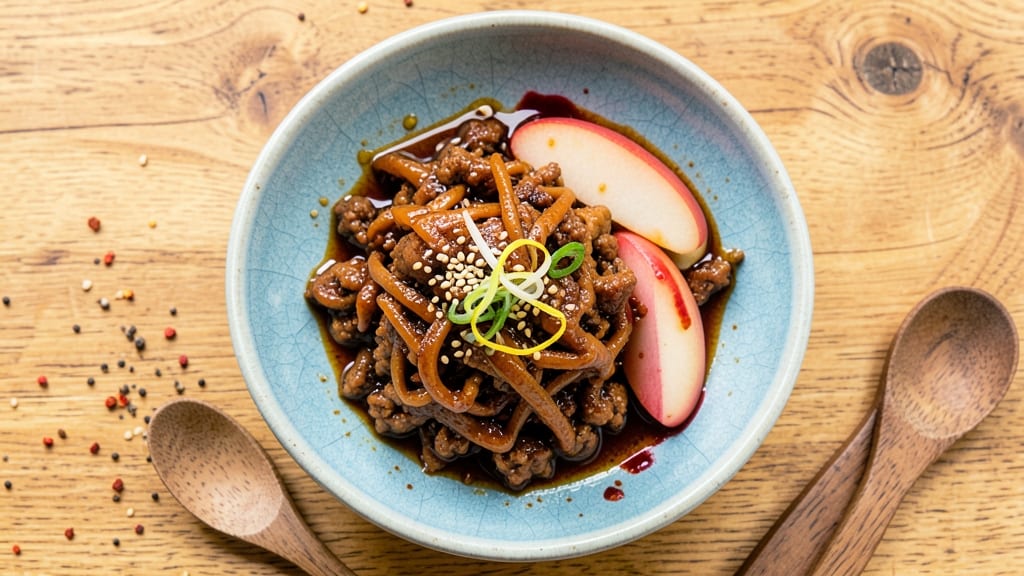
This minced pork bulgogi recipe transforms simple ground pork into a restaurant-worthy dish with just 15 minutes of prep and 10 minutes of cooking. The secret lies in the marinade—where sweet pear, sticky rice wine, and aromatic sesame oil create that signature caramelized crust.
I first made this during a Charleston market trip when I discovered Korean ingredients, and it became an instant staple at The Smoky Pig.
The marinade is where the magic happens—a balance of sweet, savory, and umami that tenderizes the pork while building layers of flavor. We use Asian pear powder for natural sweetness and texture, garlic for depth, and a touch of gochujang for subtle heat.
The key technique? Cooking the pork in a screaming-hot cast iron skillet until it develops that signature bulgogi sheen. My cast iron collection came in handy here—those 47 pieces never let me down.
What you'll end up with is perfectly caramelized pork patties with crispy edges and tender centers, served over steamed rice with quick-pickled radishes and sesame seeds. The aroma alone will have your whole house smelling like a Seoul street market.
This recipe delivers restaurant-quality results without the fuss—just one pan, minimal cleanup, and a dish that's equally impressive for weeknight dinners or special occasions.
For those who love to experiment, try adding a splash of mirin for extra brightness or swapping in ground chicken for a lighter version. The technique works equally well for grilled bulgogi or air-fried patties. Let's get cooking—your taste buds will thank you.
Ingredients for minced pork bulgogi
Sweet, savory, and umami-packed ingredients for bulgogi that tastes like Seoul street magic.
| Ingredient | Amount | Notes |
|---|---|---|
| Ground Pork 🐖 | 1 ½ lb | Lean or fatty works fine |
| Asian Pear Powder 🍐 | ½ cup | Or substitute with grated Asian pear |
| Sticky Rice Wine (Mirin) 🍶 | ¼ cup | Sweet rice wine for depth |
| Sesame Oil 🫒 | 2 tbsp | Toasted sesame oil preferred |
| Gochujang 🌶️ | 1 tbsp | Korean fermented chili paste |
| Garlic Cloves 🧄 | 6 cloves | Minced for marinade |
| Fresh Ginger 🌿 | 1 tbsp | Grated, for zing |
| Soy Sauce 🍶 | ¼ cup | Korean soy sauce preferred |
| Sesame Seeds 🥜 | 1 tbsp | Toasted for garnish |
| Neutral Oil 🫒 | 1 tbsp | Vegetable or canola oil |
| Salt 🧂 | ½ tsp | Kosher or sea salt |
| Black Pepper 🌶️ | ¼ tsp | Freshly ground |
| Green Onions 🧅 | 3 whole | Sliced for garnish |
The pork is the star, but the Asian pear powder makes all the difference—it adds natural sweetness and that signature bulgogi texture. Grab ground pork from the meat counter (not pre-seasoned), and if you can't find Asian pear powder, grate a fresh Asian pear instead. Sticky rice wine (mirin) is key—Trader Joe's has a great affordable version. For gochujang, Maesil Gochujang is my go-to, but any Korean brand works. The sesame oil should smell nutty and toasty, not stale. If you're missing any of these, don't stress—substitutes work great.
No sticky rice wine? Dry sherry or sake in a pinch. Fresh ginger too spicy? Cut it in half. The sesame seeds can be swapped for toasted peanuts if you're out. For a quicker version, use pre-minced garlic and ginger from a jar—just make sure it's fresh. The soy sauce matters here—Korean soy sauce (like Ganjang) has a deeper flavor than regular soy sauce. If you're feeling fancy, toast the sesame seeds in a dry pan for 2 minutes before using—they'll be way more flavorful.
Marinate the pork for at least 30 minutes—overnight is best if you can plan ahead. The longer it sits, the more flavorful it gets. Store leftovers in an airtight container for 3-4 days in the fridge, or freeze for up to 3 months. Reheat gently in a skillet or microwave, but avoid high heat to keep that crispy texture. This dish reheats beautifully, so make extra—it's perfect for meal prep. The flavors actually get better the next day as everything melds together.
Why You'll Love This Recipe
- No Chopping Needed: I swear by this when I’m too tired to dice anything. Ground pork means no knife skills—just mix, cook, and serve. The Asian pear powder gives it that signature tender bite without extra work.
- Sweet-Spicy Magic: That gochujang and mirin combo? It’s like a flavor explosion in your mouth. The sesame oil ties it all together with a nutty warmth that lingers.
- Leftover Goldmine: Make a big batch—it reheats like a dream. I often toss it into rice bowls or lettuce wraps for days. Honestly, it’s my lazy dinner savior.
- Budget-Friendly Feast: Ground pork stretches further than steak, and the pantry staples (like gochujang) last forever. Feeds four for under $15, and everyone’s happy.
Step-by-step instructions for minced pork bulgogi
Here's how to make this sweet-spicy Korean masterpiece with tender, flavorful pork every time.
Prepare the Bulgogi Marinade
In a large mixing bowl, combine the 0.5 cup Asian Pear Powder, 0.25 cup Sticky Rice Wine (Mirin), 0.25 cup Soy Sauce, 1 tbsp Gochujang, 1 tbsp Fresh Ginger (finely grated), and 6 cloves Garlic Cloves (minced). Mix until the Asian Pear Powder dissolves completely into the liquid.
Next, add the 1.5 lb Ground Pork to the marinade and use your hands to break it up, distributing the marinade evenly throughout. The pork should become sticky and glossy as it absorbs the flavors. Let the mixture sit at room temperature for 15 minutes while you prepare the rest of your ingredients. This resting time allows the marinade to penetrate the pork fully, ensuring maximum tenderness and flavor infusion.
Toast the Sesame Seeds and Slice Green Onions
While the pork marinates, heat a dry skillet over medium-low heat. Add the 1 tbsp Sesame Seeds and toast them for 1-2 minutes, stirring constantly, until they turn a rich golden brown and release their nutty aroma. Remove them from the heat immediately and set aside to cool.
Next, slice the 3 whole Green Onions into ¼-inch pieces, separating the white and green parts. You'll use the white parts for cooking and the green parts for garnishing. Keep them in separate piles to make assembly easier later. This prep step ensures you have everything ready when it's time to finish your bulgogi.
Cook the Bulgogi to Perfect Tenderness
Heat a large skillet or wok over medium-high heat and add the 1 tbsp Neutral Oil. Once the oil is shimmering, add the marinated pork mixture, spreading it evenly across the pan. Cook undisturbed for 2-3 minutes until the pork begins to brown and pull away from the edges.
Use a spatula to gently break up the pork into smaller pieces as it cooks, being careful not to over-stir. The goal is to create a caramelized crust on the bottom while keeping the pork tender. Cook for an additional 5-6 minutes until the pork is fully cooked through and the mixture has thickened slightly. You'll know it's ready when the pork releases easily from the pan and has a beautiful glossy sheen.
Finish with Sesame Oil and Garnishes
Remove the skillet from heat and stir in the 2 tbsp Sesame Oil. This adds a rich, nutty depth to the dish and helps create that signature bulgogi shine. Taste and adjust seasoning if needed, adding a pinch of 0.5 tsp Salt or a dash of 0.25 tsp Black Pepper if the flavors need balancing.
Return the skillet to low heat and stir in the white parts of the sliced Green Onions, cooking for just 30 seconds to soften slightly. Remove from heat and transfer the bulgogi to a serving dish. Sprinkle the toasted Sesame Seeds and remaining Green Onion greens on top for freshness and texture. Serve immediately over steamed rice for the perfect bulgogi experience.
Pro Tips For Making Minced Pork Bulgogi
- Cook the Pork Fast: I learned this the hard way—low heat turns bulgogi into gray mush. Use a screaming-hot wok or skillet and work in batches if needed. You’re aiming for deep caramelization in 3-4 minutes, not slow simmering. The pork should sizzle like bacon, not steam like sad ground beef.
- Pulse the Pear Powder: Asian pear powder isn’t just a flavor booster—it’s the glue holding this dish together. In your food processor, pulse it first with the pork before adding liquids. This lets the starch bloom into the meat, not just settle at the bottom of your sauce. (Yes, even if you’re impatient like me.)
- Bloom the Gochujang First: Skip this, and your bulgogi will taste like someone dumped hot sauce on top of everything. Heat 1 tsp sesame oil in the pan until it shimmers, then toss in the gochujang and mirin. Let it bubble for 30 seconds—this deepens the fermented, smoky notes before the pork even hits the pan. (Your future self will notice the difference.)
- Rest the Meat Before Cooking: I used to rush straight to the pan, but the pork needs 10 minutes in the fridge after mixing with the marinade. This lets the flavors penetrate and the texture firm up slightly, so it doesn’t turn to paste when you cook it. Cold meat sears better anyway—trust the process.
Regional styles of this minced pork bulgogi
Korean Street Style
This is how I learned to make bulgogi during my time in Seoul—simple, fast, and packed with flavor. The key is keeping the marinade balanced with just enough gochujang for heat and sticky rice wine for depth.
I like to serve it with kimchi on the side and a drizzle of ssamjang (Korean dipping sauce) for extra richness. The pork should be cooked in a cast iron skillet—it creates that perfect caramelized crust that makes street-style bulgogi so addictive. 🌟
Japanese Yakitori Twist
For a fusion approach, add 1 tbsp mirin and 1 tsp grated yuzu peel to the marinade. Cook the pork in a donabe (clay pot) over charcoal for a smoky depth, then finish with a sprinkle of furikake (Japanese rice seasoning).
This version works beautifully with steamed jasmine rice and pickled vegetables. The yuzu brightens the dish while keeping the bulgogi essence intact.
Spicy Gochujang Bulgogi
Double the gochujang to 2 tbsp and add 1 tbsp gochugaru (Korean chili flakes) for maximum heat. Balance the spice with 1 tbsp honey and a splash of rice vinegar. This version is perfect for those who love bold flavors.
I like to serve it with cucumber salad and extra rice to cool the palate. The heat builds as you eat, making it a crowd-pleaser for spice lovers. 🔥
Modern Korean BBQ
For a restaurant-style experience, shape the marinated pork into small patties before cooking. Grill them on a charcoal grill until caramelized and crispy. Serve with lettuce wraps, ssamjang, and sliced radishes.
This version is ideal for entertaining—guests can assemble their own bulgogi wraps. The high heat from grilling adds a smoky char that elevates the dish to next-level flavor.
Vegetarian Bulgogi
Swap the pork for shredded king oyster mushrooms or crumbled tofu. Use the same marinade but add 1 tbsp soy sauce and 1 tsp nutritional yeast for umami. Cook in a non-stick skillet until golden and crispy.
This version is just as satisfying and works well with tofu scramble or vegetable stir-fries**. The texture mimics pork beautifully, making it a great meat alternative. 🌱
Nutrition facts
Frequently asked questions
Can I use regular ground beef instead of pork?
While you can substitute beef, pork is traditional for its tender texture and how it absorbs the marinade. If using beef, opt for 80/20 ground chuck and marinate for at least 2 hours to tenderize. The fat content helps create that signature caramelized crust, but beef bulgogi will have a slightly different texture. For best results, use 1 lb beef per 1.5 lb pork in the recipe.
How can I make this bulgogi less sweet?
Reduce the Asian pear powder to 0.25 cup and cut the sticky rice wine to 2 tbsp. Add 1 extra tbsp soy sauce and 1 tsp fish sauce for umami depth without sweetness. The gochujang already provides natural sweetness, so you may not need to adjust it. Taste as you go—this marinade is very forgiving!
What's the best way to reheat leftover bulgogi?
Reheat in a non-stick skillet over medium-low heat with 1 tsp neutral oil for 3-4 minutes, stirring constantly. Avoid microwaving as it makes the pork rubbery. For extra crispiness, add 1 tsp sesame oil at the end. Leftovers actually improve overnight as flavors meld—just be sure to reheat gently to preserve that perfect texture.
Can I make this in an air fryer?
Shape the marinated pork into small patties and air fry at 375°F for 8-10 minutes, flipping halfway. For extra crispiness, spray with 1 tsp oil before cooking. Air-fried bulgogi works well for meal prep—just reheat in the air fryer at 350°F for 3-4 minutes to restore crispiness. The texture will be slightly different but still delicious!
Why did my bulgogi turn out dry?
Overcooking is the most common cause—pork bulgogi should cook in 8-10 minutes total. Use a meat thermometer to check for 145°F internal temp. Also ensure you're using lean but not fat-free pork (fat = moisture). For extra juiciness, add 1 tbsp water to the marinade or cook in a covered pan for the first 2 minutes to steam the pork slightly.