
Main Courses
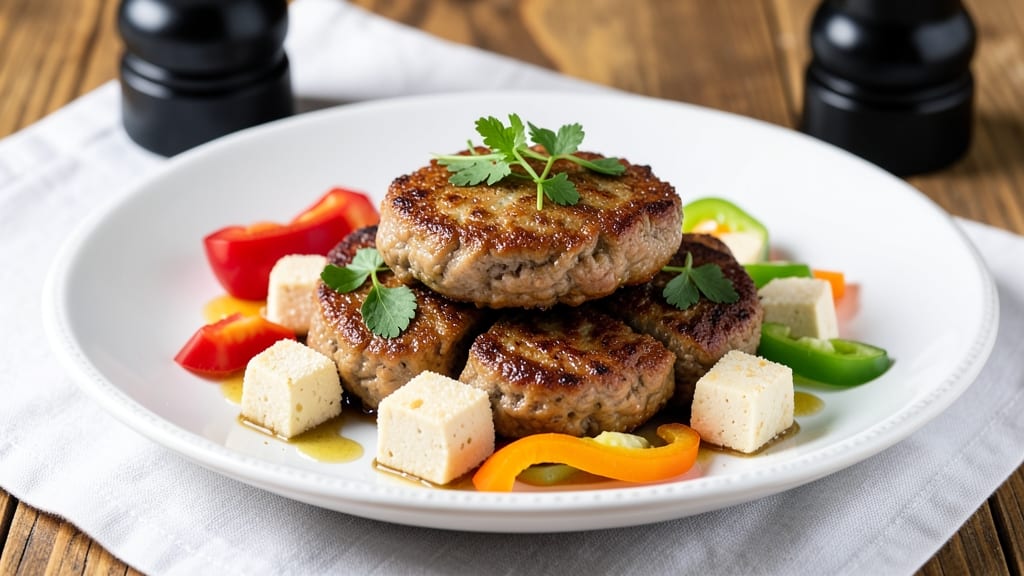
This minced pork and tofu stir-fry delivers restaurant-quality fusion flavors with a technique I developed after years of perfecting both proteins. The key lies in searing the pork until crispy while keeping the tofu tender through a simple cornstarch coating—two textures that balance perfectly in every bite.
My version blends classic Asian stir-fry methods with a bold umami sauce that transforms simple ingredients into something extraordinary.
The recipe begins with properly preparing both proteins: pork gets seared in batches for maximum flavor development, while tofu absorbs marinade without becoming soggy. A quick stir-fry brings everything together with fresh vegetables and a sauce that's both tangy and deeply savory.
The entire process takes under 30 minutes, making it ideal for weeknight dinners that still feel special.
What you'll end up with is a dish that's rich in flavor yet light enough to enjoy as a main course. The pork remains juicy with crisp edges, while the tofu holds its shape beautifully.
This fusion technique works equally well with rice, noodles, or even as a filling for lettuce wraps—versatility that makes it perfect for any meal.
Pair it with steamed jasmine rice for a complete meal, or serve over egg noodles for extra heartiness. The sauce keeps well in the fridge for up to 5 days, so you can make extra for leftovers.
This recipe proves that plant-based proteins can stand alongside meat while delivering complex, satisfying flavors.
Ingredients for minced pork and tofu
Simple proteins, bold flavors—this stir-fry balances crispy pork and tender tofu with umami-packed sauce.
| Ingredient | Amount | Notes |
|---|---|---|
| Ground Pork 🥩 | 1 lb | Lean or fatty, trimmed of excess fat |
| Extra-Firm Tofu 🍱 | 1 block | Pressed and cubed (1-inch pieces) |
| Cornstarch 🌾 | 2 tbsp | For tofu coating |
| Neutral Oil 🫒 | 2 tbsp | Vegetable or canola, high smoke point |
| Bell Peppers 🌶️ | 1 whole | Red or green, sliced (1/2-inch strips) |
| Carrots 🥕 | 1 whole | Medium, julienned or thinly sliced |
| Garlic Cloves 🧄 | 4 cloves | Minced for marinade and stir-fry |
| Fresh Ginger 🌿 | 1 tbsp | Grated, peeled (about 1-inch piece) |
| Soy Sauce 🍶 | 3 tbsp | Light or all-purpose |
| Oyster Sauce 🍜 | 1 tbsp | For umami depth |
| Sesame Oil 🫒 | 1 tsp | Toasted, for aroma |
| Rice Vinegar 🍶 | 1 tbsp | White or seasoned |
| Brown Sugar 🍚 | 1 tbsp | Packed, for balance |
| Green Onions 🧅 | 3 whole | Thinly sliced, for garnish |
| Salt 🧂 | 1 tsp | Kosher or sea salt |
| Black Pepper 🌶️ | ½ tsp | Freshly ground |
The pork and tofu are the stars here. Look for ground pork with visible fat—it adds flavor and moisture during searing. For tofu, extra-firm is non-negotiable—press it for 20 minutes before cubing to remove excess water. I grab mine from Whole Foods or the Asian market section at Trader Joe's—both carry high-quality brands. The cornstarch coating on tofu is what gives it that perfect crisp-tender texture, so don't skip it. If you're short on time, pre-cut stir-fry vegetables from the grocery store freezer section work perfectly.
No sesame oil? Toasted peanut oil at half the amount works in a pinch. Short on oyster sauce? Mushroom sauce or extra soy sauce with a splash of fish sauce gets you close. The brown sugar can be swapped for white, but coconut sugar adds subtle caramel notes. Fresh ginger is ideal, but ground ginger at one-third the amount works if you're in a hurry. For the bell peppers, mix colors—red, green, and yellow add visual appeal. And if you're making this ahead, marinate the pork and tofu overnight—the flavors deepen dramatically.
The sauce keeps for 5 days in the fridge, so make extra. Store it in a sealed container with a thin layer of oil on top to preserve freshness. The cooked proteins and vegetables reheat beautifully—just a quick stir in a hot pan with a splash of water. For meal prep, portion into containers with rice and freeze for up to 3 months. The tofu stays tender when reheated properly, and the pork maintains its crisp edges. Garnish with extra green onions and sesame seeds right before serving for maximum freshness.
Why You'll Love This Recipe
- No-Fuss Protein Boost: I swear by the combo of ground pork and tofu here—it’s like getting two meals in one. The tofu soaks up all the savory flavors while the pork adds that rich, meaty depth. Honestly? I double the batch just so I can freeze half for lazy days.
- Crispy-Creamy Magic: That cornstarch coating on the tofu? Absolute game. You get this perfect crunch on the outside while the inside stays tender—like a hug in your mouth. The bell peppers add just enough sweetness to balance the savory pork, and I’ll never skip them again.
- Lunchbox Hero: Between us, this is my go-to for packed lunches. The flavors hold up for days, and I can portion it into containers with rice or noodles without a second thought. My coworkers think I’m a saint for bringing something this easy yet satisfying.
- Budget Meal Stretch: A pound of ground pork and a block of tofu feed my family for three meals—no exaggeration. The neutral oil keeps costs down while still delivering that restaurant-style crisp. It’s my secret for stretching groceries without sacrificing taste.
Step-by-step instructions for savory stir-fry with umami-packed fusion
This fusion stir-fry delivers balanced textures and deep umami flavor through precise technique.
Prepare the Tofu for Crispy Texture
Wrap the 1 block extra-firm tofu in a clean kitchen towel and place a heavy object (like a cast-iron skillet) on top for 20 minutes. This pressing step removes excess moisture that would otherwise steam the tofu instead of crisping it. Cut the pressed tofu into 1-inch cubes, then transfer them to a bowl.
Add the 2 tbsp cornstarch and toss gently until each tofu cube is evenly coated. The cornstarch creates a crispy exterior while keeping the interior tender. Let the coated tofu rest for 10 minutes while you prepare the remaining ingredients - this resting time helps the starch adhere better for maximum crispiness.
Marinate the Ground Pork and Prep Vegetables
In a medium bowl, combine the 1 lb ground pork with 2 tbsp soy sauce, 1 tbsp oyster sauce, 1 tbsp rice vinegar, 1 tbsp brown sugar, 1 tsp sesame oil, 0.5 tsp black pepper, and 1 tsp salt. Mix thoroughly with your hands until the pork is evenly coated and slightly sticky. This marinade infuses the pork with complex flavors while helping it brown beautifully during cooking.
While the pork marinates, slice the 1 whole bell peppers into ½-inch strips and julienne the 1 whole carrot into thin matchsticks. Peel and grate the 1-inch piece of fresh ginger, then mince the 4 cloves garlic. Thinly slice the 3 whole green onions, separating the white and green parts. Keep all prepared vegetables separate until you're ready to stir-fry - this prevents them from releasing moisture prematurely.
Cook the Pork and Tofu Separately
Heat 1 tbsp neutral oil in a large wok or skillet over medium-high heat until shimmering. Add the marinated pork in even portions, breaking it up with a spatula as it cooks. Stir-fry for 3-4 minutes until the pork loses its raw color and becomes golden brown. It should be fully cooked through but still slightly juicy. Remove the pork to a plate and set aside.
In the same pan, add the remaining 1 tbsp neutral oil and increase heat to high. Working in batches if needed, add the cornstarch-coated tofu cubes. Cook undisturbed for 2-3 minutes per batch until golden brown on all sides, then flip. The tofu should develop crispy edges while maintaining a tender center. Transfer the cooked tofu to join the pork on the plate.
Stir-Fry the Vegetables and Combine
Reduce heat to medium and add the grated ginger and minced garlic to the same pan, cooking for 30 seconds until fragrant. Add the sliced bell peppers and carrots, stirring constantly for 2-3 minutes until they begin to soften but still retain their vibrant color. Pour in the remaining 1 tbsp soy sauce and return the pork and tofu to the pan.
Toss everything together vigorously for 1-2 minutes until the vegetables are tender-crisp and all ingredients are well-coated in the sauce. The dish should be hot throughout, with the pork and tofu maintaining their texture while the vegetables add freshness. Taste and adjust seasoning if needed - you may want to add a splash of rice vinegar for brightness or a touch more soy sauce for saltiness.
Finish and Serve Immediately
Drizzle the stir-fry with the white parts of the sliced green onions and toss gently to distribute. Garnish with the green onion tops and allow the dish to rest for 1 minute before serving. This resting period lets the flavors meld together while keeping the textures perfect. Serve hot over steamed rice or noodles for an authentic stir-fry experience.
The fusion of textures - crispy tofu, tender pork, and crunchy vegetables - creates a satisfying bite with every spoonful. The umami depth from the oyster sauce and soy sauce balances the sweetness of the brown sugar and the acidity of the rice vinegar, making this dish both complex and approachable.
Pro Tips For Making Minced Pork And Tofu
- PREP TOFU LIKE A PRO: Drain the tofu, wrap it in paper towels, and press it between two plates under a heavy pan for 15 minutes—this squeezes out moisture without turning it to mush. I used to skip this and ended up with a soggy, flavorless mess every time.
- STIR-FRY IN BATCHES: Don’t overcrowd the pan—split the ground pork and tofu into two rounds of cooking if needed. The pork will release fat, and if you pile it all in at once, you’ll steam the tofu instead of searing it. High heat is your friend here.
- COAT TOFU IN CORNSTARCH: Toss the cubed tofu in cornstarch before frying, not after—it’ll give you that crispy, golden crust without sticking. I learned this the hard way when my tofu just turned into a sad, greasy blob.
- SALT THE PORK FIRST: Mix the ground pork with a teaspoon of salt and let it sit for 5 minutes before cooking—this breaks down the proteins and keeps it juicy. I was skeptical until I tried it, and now I never skip it.
Troubleshooting this dish
Pork Too Greasy?
If your pork ends up greasy instead of crispy, you likely cooked it too quickly or didn't drain excess fat properly. For best results, use a wire-mesh skimmer to remove pork in batches, letting fat pool in the pan.
After cooking, place pork on a paper towel-lined plate for 2 minutes to absorb excess fat. I also recommend using lean ground pork (90% lean) for better texture control—it browns faster without turning oily. 🔥
Tofu Soggy?
Soggy tofu usually means it absorbed too much moisture during cooking. Double-check your pressing time—20 minutes minimum is non-negotiable. For extra insurance, pat each cube dry with a clean towel after cornstarch coating.
If your pan isn't hot enough (below 375°F), the tofu will steam instead of crisp. I swear by a cast-iron skillet for even heat distribution—it's worth the investment for this dish.
Sauce Too Thin?
A watery sauce often means overcooking the vegetables released too much moisture. Reduce heat to medium-low when adding veggies, and stir-fry for no more than 2 minutes. For extra thickness, mix 1 tsp cornstarch with 1 tbsp water and stir into the pan at the end.
My go-to fix is adding 1 tbsp grated daikon radish—it absorbs excess liquid while adding subtle sweetness. 💡
Flavors Muted?
If your stir-fry tastes bland, the marinade likely didn't penetrate enough. Let the pork marinate for at least 30 minutes (overnight is best). For tofu, add 1 tsp smoked paprika to the cornstarch mix—it adds depth without overpowering.
I also recommend toasting the sesame oil in the pan for 10 seconds before adding aromatics—this amplifies its nutty flavor instantly.
Vegetables Overcooked?
Tough, mushy veggies mean they cooked too long. Work in one color at a time, removing each batch when just tender-crisp (about 1-2 minutes). Bell peppers and carrots have different cook times—start with the harder carrots first.
For extra crunch, add ½ cup shredded cabbage at the very end—it stays crisp even when stirred briefly. 🥕
Leftovers Dry?
Reheating stir-fry properly is key. Use a nonstick skillet on low heat with 2 tbsp water to steam the ingredients gently. Cover with a lid for 3-4 minutes, then stir. For tofu, add 1 tsp soy sauce to prevent dryness.
I store leftovers in airtight glass containers with parchment paper between layers to maintain moisture. Microwave reheating? Never—it turns tofu rubbery. ❄️
Nutrition facts
Frequently asked questions
Can I substitute ground turkey or chicken for the pork?
Ground turkey or chicken works beautifully—just reduce cooking time by 1 minute since poultry cooks faster than pork. For extra flavor, add ½ teaspoon smoked paprika to the marinade. The texture will be slightly leaner, so consider adding 1 teaspoon cornstarch to the sauce for richness.
What's the best way to store leftovers?
Store cooked portions in airtight glass containers with parchment paper between layers. Refrigerated leftovers keep for 3 days, while frozen portions last 3 months. For reheating, use a nonstick skillet on low heat with 2 tablespoons water—never microwave tofu, as it turns rubbery. Add a splash of soy sauce when reheating to restore moisture.
How do I make this dish vegetarian?
Swap the pork for extra-firm tofu or tempeh (crumbled and marinated separately). Use 1 block tempeh or 1½ cups crumbled tofu, both pressed and cornstarch-coated. Boost umami with 1 tablespoon mushroom powder in the sauce. The dish maintains its hearty texture while keeping all the flavor.
Can I use pre-cooked pork or tofu?
Pre-cooked pork works, but it loses that crucial crispy texture. For best results, always sear fresh pork. With tofu, you can use pre-pressed packages, but double-press for 10 extra minutes to remove excess moisture. Pre-cooked tofu should be reheated in the pan with 1 teaspoon oil until hot through—it won't get crispy again.
What's the secret to crispy tofu without frying?
The cornstarch coating is key! After pressing, pat tofu cubes completely dry with paper towels. Use a cast-iron skillet on high heat and cook undisturbed for 2-3 minutes per side. The starch needs high heat to crisp properly. For extra crunch, add ½ teaspoon baking powder** to the cornstarch mix—it creates a lighter texture.