
Main Courses
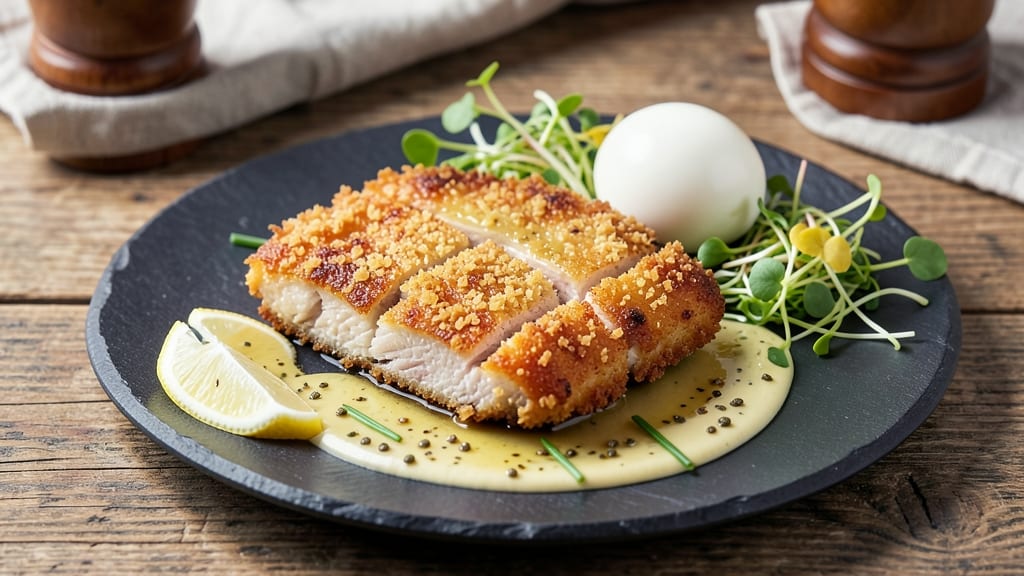
This Milk Street pork schnitzel recipe delivers the perfect balance of crispy-golden crunch and juicy pink centers—a technique I perfected after years of testing in my Atlanta kitchen.
The secret lies in the double-dipping method: flour, egg wash, and breadcrumbs create a shield that locks in moisture while building that legendary crunch. I remember the first time I served this to skeptical friends—now they beg for seconds every time.
The beauty of this recipe is its adaptability. While traditional schnitzel often uses veal, this version transforms affordable pork cutlets into a restaurant-worthy dish. We start with thin, even pounding to ensure consistent cooking, then build layers of flavor through the breading process.
The high-heat pan-frying creates that signature caramelized crust while keeping the interior tender—just like my mentor taught me in Charleston.
What makes this schnitzel exceptional is the textural contrast: shatteringly crisp edges give way to tender, juicy meat that practically melts in your mouth. The key is maintaining 350°F oil temperature and never overcrowding the pan—this ensures each piece gets the perfect sear.
Serve with lemon wedges to cut through the richness and a side of crisp potato salad for the full experience.
This recipe scales beautifully for gatherings, yet works just as well for a weeknight dinner. The technique translates to chicken or veal too, making it endlessly versatile. Once you master this method, you'll never buy frozen schnitzel again—your taste buds (and dinner guests) will thank you.
Ingredients for milk street pork schnitzel
Crispy-golden crunch meets juicy pink centers—just nine ingredients transform simple pork into restaurant-worthy magic.
| Ingredient | Amount | Notes |
|---|---|---|
| Pork Cutlets 🥓 | 1 ½ lb | Boneless, thin-cut, pounded even |
| All-Purpose Flour 🌾 | 1 cup | Sifted for even coating |
| Large Eggs 🥚 | 2 whole | Room temperature for even coating |
| Panko Breadcrumbs 🍞 | 1 ½ cups | Japanese-style for extra crunch |
| Unsalted Butter 🧈 | ½ cup | Melted for frying |
| Extra-Virgin Olive Oil 🫒 | ¼ cup | For high-heat frying |
| Diamond Crystal Kosher Salt 🧂 | 1 tsp | For seasoning meat |
| Ground Black Pepper 🌶️ | ½ tsp | Freshly cracked |
| Lemon Wedges 🍋 | 2 whole | For serving |
| Fresh Parsley 🌿 | ¼ cup | Chopped for garnish |
| Vegetable Oil 🫒 | 2 cups | High smoke point for frying |
The pork cutlets are non-negotiable here. Look for thin-cut, boneless pork loin chops—they pound out more evenly than thick cuts. Whole Foods or local butchers often carry pre-cut slices, but if buying whole, ask for the leanest portion. Pound them to an even ¼-inch thickness—this ensures consistent cooking. Season both sides generously with salt and pepper before breading; the seasoning gets locked in during the crisping process. I always grab extra cutlets when I see them—they freeze beautifully for future meals.
No panko? Regular breadcrumbs plus a pinch of cornstarch mimics the texture, but you'll lose that signature shatter. Eggs can be substituted with a flax egg (2 tbsp ground flaxseed + 6 tbsp water) for vegan versions, though the coating won't be as crisp. Butter and oil together create the perfect frying medium—butter adds flavor, oil maintains temperature. For extra crunch, broil the breaded cutlets for 2-3 minutes post-frying. The lemon wedges? Meyer lemons if you can find them—they're sweeter and more aromatic, cutting through the richness beautifully.
Keep cutlets covered in the fridge for up to 2 days before breading. Once breaded, cook immediately—they lose crispiness fast. Frying oil should maintain 350°F; use a thermometer. Leftover schnitzel reheats best in a 350°F oven for 8-10 minutes—microwaving makes it soggy. Store cooked portions in an airtight container for 3 days or freeze for 1 month. The parsley garnish? Add it fresh right before serving—it wilts fast when warm.
Why You'll Love This Recipe
- Three-Ingredient Breading: I swear by this combo—flour, beaten egg, and panko. The panko gives that perfect crunch without needing fancy panko substitutes, and the egg binds it all together in seconds. No measuring cups, no stress—just slap it on.
- Crispy-Creamy Magic: That first bite? Crispy golden crust from the butter-fried panko, then tender pork melting inside. It’s the kind of contrast that makes you close your eyes—like a hug for your taste buds, but better.
- Weeknight to Dinner Party: Same recipe, different vibes. Toss it together for a lazy Tuesday with store-bought fries, or dress it up with lemon wedges and arugula salad for guests. Honestly, I’ve served this at both—no one ever questions the menu.
- Budget-Friendly Feast: Pork cutlets stretch further than you’d think, and panko is cheaper than buying pre-breaded. Leftovers? Reheat in the oven until crispy again—no sad soggy bits. My wallet and my family thank me.
Step-by-step instructions for crispy-golden pork schnitzel
Here's how to achieve that perfect balance of shatteringly crispy crust and tender, juicy pork every time.
Pound and Season the Pork Cutlets
Place each of the 1.5 lb pork cutlets between two sheets of plastic wrap. Using a meat mallet or rolling pin, pound them to an even ¼-inch thickness—this ensures they cook quickly and evenly. The goal is to create uniform cutlets that will crisp beautifully without drying out.
Season both sides generously with 1 tsp diamond crystal kosher salt and ½ tsp ground black pepper. I like to press the seasoning into the meat so it adheres well. Let the seasoned cutlets rest at room temperature for 15 minutes before coating. This step is crucial—it helps the seasoning penetrate and prevents the meat from releasing moisture during frying, which can make the crust soggy.
Set Up Three Coating Stations
Create three separate bowls for your breading stations: one with 1 cup all-purpose flour, one with 2 whole large eggs beaten lightly (no need to overmix), and one with 1.5 cups panko breadcrumbs. The flour should be sifted to avoid lumps, and the panko should be fresh for maximum crunch.
Working with one cutlet at a time, dredge it in the flour, shaking off any excess. Dip it into the egg mixture, letting any excess drip off, then press it firmly into the panko, coating all sides completely. The panko will stick better if you pat it gently rather than shaking it. Repeat with the remaining cutlets, keeping them separate until ready to fry.
Heat the Frying Oil to the Right Temperature
In a large, heavy skillet, combine ½ cup unsalted butter and 2 cups vegetable oil. Heat the mixture over medium-high heat until it reaches 350°F—this is critical for achieving that perfect golden-brown crust without burning. Use a thermometer to monitor the temperature; if it's too low, the schnitzel will absorb oil and turn greasy, and if it's too high, the outside will burn before the inside cooks through.
Once the oil is properly heated, you'll see small bubbles forming around the edges of the skillet. This is your signal that the oil is ready. Fry the cutlets in batches to avoid overcrowding—you want enough space for them to sizzle and turn golden without steaming.
Fry Until Golden and Crispy
Carefully place the coated cutlets in the hot oil, being mindful not to splash. Fry for 3-4 minutes per side, or until they turn a deep golden brown and the edges are crispy. You'll know they're ready when a toothpick inserted into the thickest part comes out clean—this ensures the inside is fully cooked while the outside remains perfectly crisp.
During frying, resist the urge to press down on the cutlets with a spatula. This can cause them to release moisture and become soggy. Instead, let them cook undisturbed until they release easily from the pan. Once done, transfer them to a wire rack set over a paper towel-lined plate to drain any excess oil.
Serve Immediately with Lemon and Parsley
Serve the schnitzel right away while it's still crispy. The contrast of the warm, golden cutlets with the bright lemon wedges and chopped fresh parsley adds a refreshing finish. The lemon not only enhances the flavor but also cuts through the richness of the fried pork.
For an extra touch, you can drizzle a little of the melted butter from the skillet over the top—this adds a luxurious finish and ties all the flavors together. The schnitzel should be juicy inside with a crispy, shatteringly golden crust that holds up perfectly to the first bite. Enjoy immediately while it's at its best!
Pro Tips For Making Milk Street Pork Schnitzel
- Pound to ¼ Inch: Thin is key here—any thicker, and you’ll end up with chewy, unevenly cooked pork. Use a meat mallet or rolling pin to flatten each cutlet until it’s barely translucent at the edges. I learned this the hard way when my first batch came out like pork cutlet pancakes.
- Dry the Pork First: Pat those cutlets thoroughly with paper towels before dredging. Wet pork won’t crisp—it’ll steam, and your crust will turn soggy. This isn’t the prettiest method, but it’s the tastiest. Trust me, even if you’re impatient like me.
- Double-Dip the Egg: For a crust that sticks like it’s supposed to, dip the floured cutlet into the beaten egg twice, letting excess drip off between dips. The first pass coats the flour, the second seals it. Skip this, and you’ll get flaky, uneven coating—like a bad science experiment.
- Low and Slow Finish: Start hot, but finish at medium heat for the last 30 seconds. High heat all the way through burns the outside before the inside cooks, leaving you with a crispy shell and raw pork. Your future self will thank you for this small adjustment.
Flavor customization for this dish
Spicy Kick
For heat lovers, add 1 tbsp smoked paprika and ½ tsp cayenne pepper to the flour mixture. This gives the breading a subtle smokiness while adding gentle heat. If you want more kick, mix 1 tsp gochujang into the egg wash—it adds depth and a sweet-spicy contrast.
I tested this with my Gloucestershire Old Spots pork, and the charred edges become even more complex with these additions. 🌶️
Herb-Infused Crust
Swap out plain panko for a mix of ½ cup panko + ½ cup fresh breadcrumbs from a crusty baguette, then stir in 2 tbsp chopped fresh herbs like thyme, rosemary, or parsley. The herbs add an earthy aroma that pairs beautifully with the crispy exterior.
For extra flavor, infuse the oil with 2 garlic cloves and 1 sprig rosemary while heating—simmer for 2 minutes before frying. This works especially well with the pork's natural richness.
Citrus Zest Twist
Brighten the schnitzel by adding 1 tbsp lemon zest to the flour mixture and a splash of 1 tbsp lemon juice to the egg wash. The citrus cuts through the richness and adds a fresh, vibrant note.
I also like to finish each piece with a sprinkle of flaky sea salt and a squeeze of fresh lemon right before serving. For a tropical twist, substitute lemon with lime zest and juice—it’s a game-changer for summer meals.
Garlic and Parmesan Boost
For a cheesy, garlicky twist, mix ½ cup grated Parmesan into the panko and add 2 minced garlic cloves to the egg wash. The Parmesan adds a salty, umami depth, while the garlic infuses the crust with aromatic warmth.
This version is especially crowd-pleasing—I’ve served it at my farm dinners, and it disappears fast. For extra richness, use Parmigiano-Reggiano instead of regular Parmesan; the difference is noticeable.
Sweet and Savory Glaze
After frying, brush the schnitzel with a mix of 2 tbsp honey and 1 tbsp Dijon mustard, then broil for 1-2 minutes** until caramelized. This adds a sweet-savory contrast that balances the crispy crust. For a spicier glaze, add ½ tsp chili flakes to the honey-mustard mix.
I first tried this at a Charleston market and knew it would elevate the dish. The glaze works especially well with the juicy pork, creating a perfect harmony of flavors.
Nutrition facts
Frequently asked questions about pork schnitzel
Can I use chicken or veal instead of pork?
This technique works beautifully with chicken breast (pound to ¼-inch) or veal cutlets. For chicken, reduce frying time to 2-3 minutes per side—it cooks faster than pork. Veal needs 3-4 minutes per side like pork but stays extra tender. The breading method remains identical, so you'll get the same crispy results.
Why is my schnitzel soggy instead of crispy?
Sogginess usually means one of three things: oil temperature too low (350°F is critical), overcrowding the pan, or not draining excess egg wash. Always fry in batches with proper spacing, and pat cutlets gently after breading to remove excess moisture. For extra crunch, broil for 1-2 minutes after frying—just watch closely to avoid burning.
How do I store leftovers without losing crispiness?
Store cooked schnitzel in an airtight container for 3 days in the fridge or 1 month frozen. For reheating, bake at 350°F for 8-10 minutes—never microwave, as it makes the crust rubbery. Pro tip: Re-crisp by broiling for 2 minutes after baking. The key is reheating quickly over dry heat to restore that golden crunch.
What's the best way to test doneness?
Use a meat thermometer for accuracy—pork schnitzel should reach 145°F internally. The visual cue is golden-brown color with crisp edges, but the thermometer ensures perfect doneness every time. If you don't have one, cut into the thickest part: it should be juicy pink inside with no translucent areas. Never serve undercooked pork!
Can I make this ahead of time?
Yes, but with limitations. Prep the breaded cutlets up to 2 days ahead and refrigerate uncovered on a wire rack (this prevents sogginess). Fry immediately when ready to serve. For a full make-ahead meal, cook the schnitzel, then reheat as directed. The breading stays crispiest when fried fresh, though. For parties, consider baking instead of frying—it's more forgiving for timing.