
Main Courses
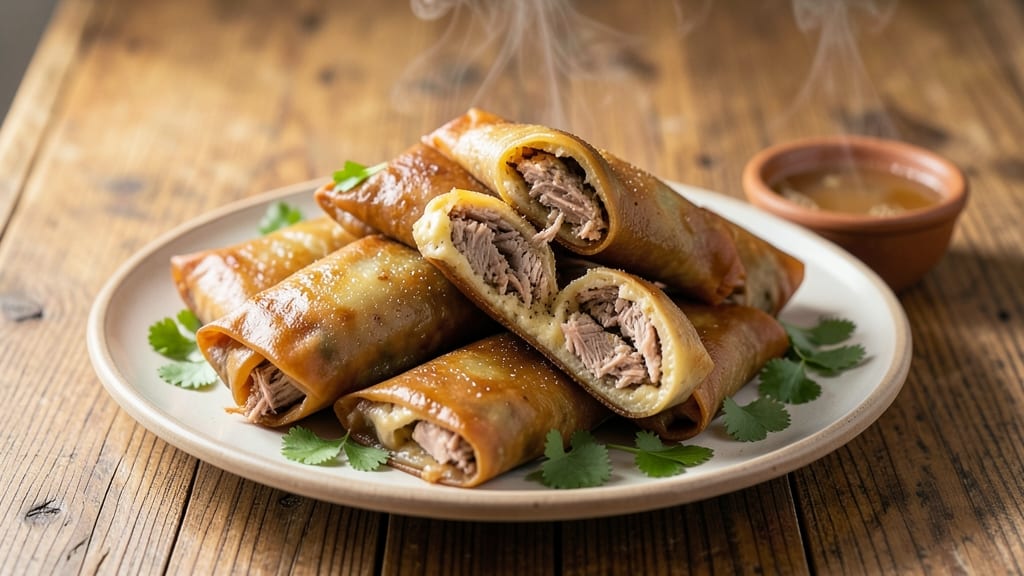
This mild pork tamales recipe delivers the comforting flavors of home-cooked comfort without overwhelming heat—just tender pork wrapped in delicate, flaky masa that steams to perfection. 🌟 As someone who grew up in small-town Georgia where pork was the centerpiece of every family gathering, I know how to balance tradition with approachability.
The secret lies in slow-cooking the pork until it's fork-tender, then wrapping it in masa that stays moist and tender through steaming.
What sets this recipe apart is the gentle spice profile—just enough warmth to enhance the pork without dominating. The masa dough is made from scratch, blending nixtamalized corn with lard for that signature flaky texture, while the filling combines seasoned pork with a touch of cumin and oregano for depth.
This isn't your grandmother's tamales; it's a refined version that still feels like a hug in food form.
By the time you're done, you'll have tamales with layers of flaky masa that peel apart cleanly, revealing juicy pork infused with subtle seasonings. The aroma alone—steaming corn husks mingling with savory pork—will have everyone gathering around the table.
This recipe bridges tradition and modern convenience, ensuring restaurant-quality results at home.
The best part? These tamales reheat beautifully, making them perfect for meal prep or sharing with neighbors. Whether you're hosting a gathering or treating yourself to a taste of home, this recipe delivers on every level. Let's get started on making tamales that taste like they've been simmering all day.
Ingredients for mild pork tamales
Twelve ingredients, twelve tamales with layers of flaky masa and tender pork.
| Ingredient | Amount | Notes |
|---|---|---|
| Pork Shoulder 🥓 | 3 lb | Bone-in for flavor, cut into 1-inch cubes |
| Dried Corn Husks 🌽 | 24 whole | Soaked in warm water for 1 hour |
| Lard 🧈 | ½ cup | Leaf or leaf lard for best texture |
| Dried Masa Harina 🌾 | 4 cups | Maseca or Bob's Red Mill |
| Chicken Broth 💧 | 1 ½ cups | Low-sodium preferred |
| Ground Cumin 🌿 | 1 tbsp | Toasted for deeper flavor |
| Dried Oregano 🍃 | 1 tbsp | Mexican oregano preferred |
| Garlic Powder 🧄 | 1 tbsp | Fresh powder preferred |
| Ground Black Pepper 🌶️ | ½ tbsp | Freshly ground |
| Bay Leaves 🌿 | 2 whole | Crushed lightly for flavor |
| Salt 🧂 | 1 ½ tbsp | Kosher or sea salt |
| Vegetable Oil 🫒 | ½ cup | For cooking pork |
| Fresh Cilantro 🌿 | ¼ cup | Chopped, for garnish |
| Lime 🍋 | 1 whole | Juiced for brightness |
The pork shoulder is the heart of these tamales—bone-in for flavor, but cut into even 1-inch cubes so they cook through. I always grab mine from Costco or the butcher counter at Walmart—look for good marbling and ask for a cut that's not too fatty. The corn husks? Dried is best, but if you're in a pinch, fresh husks work too—just soak them longer. For the masa harina, Maseca or Bob's Red Mill are my go-tos; they're consistent and give that perfect flaky texture. Pro tip: if your husks are tough to peel, soak them in warm water with a splash of vinegar for 30 minutes.
No lard? Unsalted butter or coconut oil works in a pinch, but trust me on the lard for that signature flaky texture. Short on cumin? Mexican oregano does double duty—use 2 tbsp instead. The bay leaves add depth, but if you're not a fan, skip them entirely. For the pork seasoning, I toast the cumin and garlic powder in a dry pan for 30 seconds to wake up their flavors. Want more heat? Add a pinch of cayenne. The chicken broth should be low-sodium—Swanson or Pacific Foods are my favorites. And if you're making a big batch, double the recipe—these freeze beautifully.
Soaked husks keep in the fridge for 2 days, wrapped in damp paper towels. The cooked masa dough stays fresh for 1 day if sealed tightly. For reheating, steam for 15 minutes—no microwave, that's a crime. These tamales reheat beautifully, so make extras. I always portion mine into freezer bags with a layer of parchment between each one. They'll keep for 3 months in the freezer, ready for whenever you crave that comforting hug in food form.
Why You'll Love This Recipe
- Here’s what sold me: the pork shoulder stays tender but never dry, wrapped in that buttery lard-infused masa. The broth keeps it moist, and the mild seasoning lets the natural pork flavor shine—no spice bombs, just deep, savory goodness that even my picky uncle won’t push away.
- No Fuss Setup: I swear by this recipe because the prep is almost as easy as opening a can of beans. Soak the husks in warm water for 30 minutes while you slow-cook the pork—no peeling, no chopping, just hands-off magic. The masa mix is just flour, lard, and broth, stirred until it’s smoother than my Sunday morning coffee.
- Rich Without Overpowering: Here’s what sold me: the pork shoulder stays tender but never dry, wrapped in that buttery lard-infused masa. The broth keeps it moist, and the mild seasoning lets the natural pork flavor shine—no spice bombs, just deep, savory goodness that even my picky uncle won’t push away.
- Weeknight or Holiday: Between us, these tamales are my secret weapon for both Taco Tuesdays and Christmas dinners. Double the batch, freeze half, and reheat when you’re too tired to cook. They’re hearty enough for a crowd but simple enough to make when it’s just me and my lazy takeout cravings.
Step-by-step instructions for mild pork tamales
Here's how to make tamales with tender pork and flaky masa—no shortcuts, just real flavor.
👨🍳 Step 1: Prepare the Pork Filling
Heat the 0.5 cup vegetable oil in a large skillet over medium-high heat. Add the 3 lb pork shoulder cut into 1-inch cubes and cook until browned on all sides, about 8-10 minutes. You want those edges nicely seared—this builds deep flavor.
Remove the pork and set it aside. In the same skillet, add the 2 whole bay leaves (lightly crushed), 1 tbsp garlic powder, 1 tbsp ground cumin, 1 tbsp dried oregano, 0.5 tbsp ground black pepper, and 1.5 tbsp salt. Stir for 30 seconds to toast the spices—this wakes up their aromas.
Pour in the 1.5 cups chicken broth and scrape up any browned bits from the bottom. Return the pork to the skillet, reduce heat to low, cover, and simmer for 1 hour until the pork is fork-tender. Let it cool slightly before mixing with the masa.
👨🍳 Step 2: Soak and Prepare the Corn Husks
While the pork cooks, soak the 24 whole dried corn husks in a large bowl of warm water for at least 1 hour. They should soften enough to bend without cracking—this ensures they'll wrap the filling neatly. Drain and set aside on a clean kitchen towel.
Here's the thing—don't skip the soaking. Dry husks won't wrap properly and will tear when you try to fold them. If you're short on time, you can soak them for 30 minutes in hot water, but 1 hour is ideal for perfect texture.
🍳 Step 3: Make the Masa Dough
In a large bowl, combine the 4 cups dried masa harina, 0.5 cup lard, and 0.5 cup vegetable oil. Mix with your hands until it forms a crumbly but pliable dough—it should hold together when pressed but still be easy to work with. If it's too dry, add 1-2 tablespoons warm water at a time.
Add the cooled pork and all its juices to the masa mixture. Gently fold everything together until fully incorporated. The dough should be moist but not sticky—think of it like wet sand that holds its shape when you squeeze it. If it's too wet, add 1 tablespoon more masa harina to absorb the moisture.
🥘 Step 4: Assemble the Tamales
Lay out each soaked corn husk flat on a clean surface. Spread about ¼ cup of the masa mixture onto the wider, rounded side of the husk, leaving a 1-inch border at the top. Fold the sides inward, then roll tightly from the bottom up, tucking in the ends as you go. Place seam-side down in a steamer.
I like to work in batches—assemble half, steam them, then finish the rest. This keeps the filling warm and makes the wrapping process easier. You should have about 12 tamales when finished. Arrange them tightly in the steamer to ensure even cooking.
⏰ Step 5: Steam to Flaky Perfection
Fill a large pot with 2-3 inches of water and bring to a boil. Place a steamer basket inside and arrange the tamales on it, leaving space between each. Cover tightly with a lid and steam over medium-high heat for 60-75 minutes—they're done when the masa pulls away slightly from the husk and feels firm to the touch.
Don't peek during steaming or you'll lose heat and steam. The tamales need that consistent moisture to create those flaky layers. When they're ready, let them rest for 10 minutes before serving. Garnish with 0.25 cup chopped fresh cilantro and a squeeze of 1 whole lime for brightness.
Pro Tips For Making Mild Pork Tamales
- SOAK HUSKS 2 HOURS: I learned this the hard way—skipping the soak means brittle, crack-prone husks that won’t hold the filling. Use warm (not boiling) water and let them sit covered for at least 2 hours, flipping once. If you’re short on time, microwave them in water for 10 minutes first, then finish soaking.
- SHRED PORK TO 0.5-INCH: After braising, resist the urge to shred aggressively—you want tender, pull-apart chunks, not ground meat. Aim for pieces no smaller than half an inch; they’ll stay moist wrapped in masa and won’t turn to mush. A fork works, but your hands give better control (and you’ll feel the texture).
- USE LARD FOR CRUST, NOT FILLING: The masa mix needs just enough lard to bind—about 1/4 cup total—but the real magic happens when you brush the outside of the tamales with melted lard before steaming. This guarantees a golden, crackly crust without making the filling greasy. (Yes, even if you’re using store-bought masa harina.)
- STEAM AT 200°F, NOT BOILING: Crowding the steamer or using high heat turns tamales soggy. Fill your steamer halfway with water, bring to a simmer, then reduce to a gentle steam—think of it like a slow cooker, not a pressure cooker. Check the water level every 30 minutes; it evaporates faster than you’d expect.
Dietary considerations for this dish
Gluten-Free Adaptation
Traditional tamales rely on corn masa, which is naturally gluten-free, but the filling and seasonings can be adjusted for strict gluten-free diets. I recommend using certified gluten-free chicken broth like Pacific Foods or Imagine to avoid cross-contamination.
For extra flavor without gluten, toast 1 tbsp ground coriander and 1 tsp ground fennel seeds alongside the cumin—these add depth without relying on wheat-based seasoning blends. Always check spice labels for hidden gluten, especially in pre-mixed taco seasonings. ✨
Dairy-Free Options
The recipe is already dairy-free, but if you're avoiding lard, swap it for coconut oil or vegetable shortening like Crisco. For a richer texture, I've used avocado oil in place of lard—it adds a subtle nutty note that complements the pork beautifully.
Just ensure your shortening is labeled dairy-free, as some brands process in shared facilities. The masa will still achieve that signature flaky texture without any dairy components.
Lower-Fat Modifications
To reduce fat content, trim visible fat from the pork shoulder before cooking and drain excess grease during searing. Replace ½ cup lard with ¼ cup lard + ¼ cup unsalted butter (or all butter) for a lighter dough.
For the masa, I've successfully used olive oil instead of lard—just reduce it to ¼ cup to maintain texture. The pork will still be tender, but the overall dish will be slightly lighter while keeping that irresistible flakiness. 💪
Vegetarian Swap
For a vegetarian version, replace the pork with shredded jackfruit or mushrooms (like shiitake or portobello). Sauté 1 lb mushrooms with the same spices until tender, then mix with 1 cup cooked lentils for protein.
Add ½ cup tomato paste and 1 cup vegetable broth to replicate the pork's moisture. The masa dough remains unchanged, but the filling gains an earthy depth that pairs beautifully with the corn husks. Garnish with extra cilantro and lime for brightness.
Allergen-Friendly Tips
For nut allergies, avoid any cross-contamination with shared surfaces—clean all tools before handling masa. If soy is a concern, use tamari instead of regular soy sauce (though this recipe doesn't include it). For egg allergies, no adjustments are needed—the dough is egg-free.
Always check your masa harina label, as some brands process in facilities with soy or dairy. I recommend Bob's Red Mill for their dedicated gluten-free and allergen-friendly production lines. 🌱
Nutrition facts
Frequently asked questions
Can I use fresh corn husks instead of dried?
Fresh husks work, but they require 2-3 hours of soaking in cold water to soften properly. The key is to remove all silks and soak until they bend easily without cracking. For best results, soak them in water with a splash of vinegar to prevent browning. If you're short on time, dried husks soaked for 1 hour will give you the same pliable texture.
Why does my masa dough crack or break when rolling?
This usually happens when the dough is too dry or too wet. The perfect consistency is like "wet sand"—pliable but not sticky. If it cracks, add 1-2 teaspoons warm water at a time until it holds together. If it's too sticky, sprinkle in 1 tablespoon masa harina and knead gently. Work quickly to prevent the lard from melting in warm kitchens.
How do I know when tamales are fully cooked?
Look for these signs: the masa should pull away slightly from the husk, feel firm to the touch, and have a few small cracks on the surface. The steaming time is 60-75 minutes, but don't rely solely on time—always check by gently pressing a tamale. If it springs back when pressed, it needs more time. Let them rest 10 minutes before serving for clean layers.
Can I make tamales ahead and freeze them?
These tamales freeze beautifully. After steaming, cool them completely, then wrap each one individually in plastic wrap followed by a layer of aluminum foil. Store in a freezer bag for up to 3 months. To reheat, steam for 15-20 minutes or microwave for 2-3 minutes (covered with a damp paper towel). The texture holds up perfectly when frozen.
What's the best way to reheat tamales?
Steaming is always best for maintaining that flaky texture. Place tamales in a steamer basket over 1-2 inches of boiling water and cover tightly. Steam for 10-15 minutes until heated through. For microwave reheating, wrap the tamale in a damp paper towel and microwave on 50% power for 1-2 minutes. Never reheat dry—this makes the masa tough.