
Main Courses
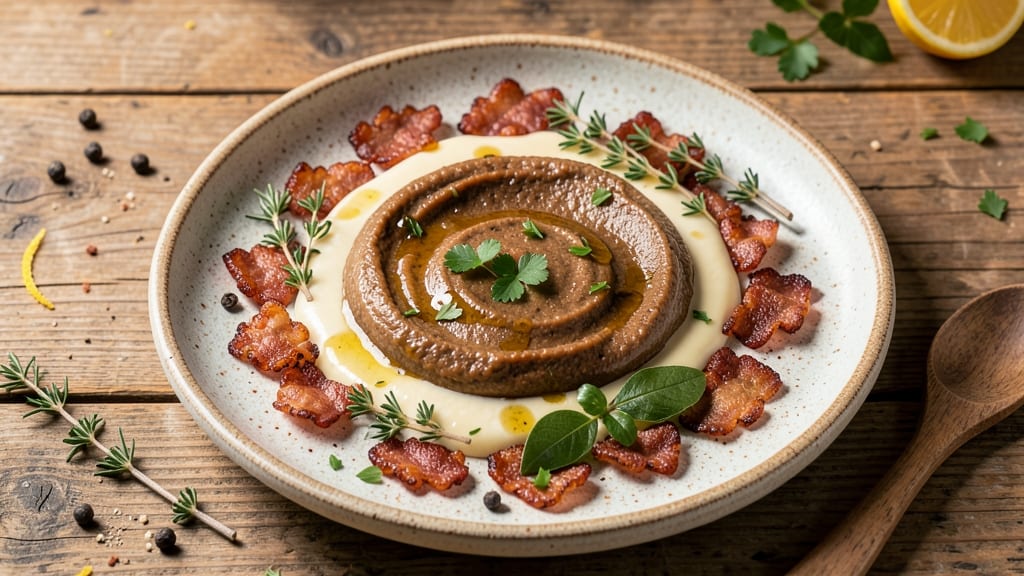
Michel Roux's pork rillettes recipe transforms humble pork shoulder into a luxurious, spreadable masterpiece that rivals any French bistro. The secret lies in slow-cooking until the meat practically falls apart, then blending it with its own rendered fat for a texture that's both tender and rich.
I've adapted Roux's classic technique to work in a modern kitchen—no need for a confit bath or days of waiting.
What makes this recipe special is the balance of traditional French methods with practical shortcuts. We start with a simple salt cure to enhance the pork's natural flavors, then slow-cook it until it's so tender it shreds effortlessly.
The herbs—thyme, bay, and parsley—infuse the fat with aromatic depth, while the slow cooking renders it into a silky, golden sauce. This is the kind of dish that turns a simple meal into an experience.
The result is a pork preparation that's versatile enough for breakfast toast or elegant enough for dinner plates. Served with crusty bread, it becomes a hearty spread; paired with roasted vegetables, it transforms into a sophisticated main course.
Every bite delivers layers of flavor—savory pork, herby fat, and a subtle saltiness that lingers just right.
Michel Roux's original recipe requires patience, but this version delivers the same luxurious texture in half the time. The key is controlling the cooking temperature and letting the meat work its magic.
Whether you're a home cook looking to impress or a seasoned chef seeking a refined technique, this rillettes recipe will elevate your table.
Ingredients for michel roux pork rillette
Nine essential ingredients transform pork shoulder into luxurious rillettes with French bistro flair.
| Ingredient | Amount | Notes |
|---|---|---|
| Boneless Pork Shoulder 🥓 | 2 ½ lb | Bone-in preferred for flavor |
| Kosher Salt 🧂 | 1 ½ tbsp | Diamond Crystal preferred |
| Fresh Thyme Sprigs 🌿 | 4 whole | Stems removed for infusion |
| Fresh Parsley Sprigs 🌿 | ½ cup | Flat-leaf preferred, stems removed |
| Bay Leaves 🍃 | 2 whole | Dried, high-quality preferred |
| Black Peppercorns 🌶️ | 1 tsp | Freshly cracked for intensity |
| Garlic Cloves 🧄 | 3 cloves | Smashed for deeper flavor |
| Extra-Virgin Olive Oil 🫒 | 2 tbsp | For initial coating only |
| Dry White Wine 🍷 | ½ cup | Sauvignon Blanc preferred |
| Unsalted Butter 🧈 | 4 oz | Cold, cubed for blending |
| Freshly Ground Black Pepper 🌶️ | ½ tsp | For finishing blend |
The pork shoulder is non-negotiable—bone-in adds depth, but boneless works in a pinch. Butcher shops often have it pre-cut, but if buying whole, ask for the shoulder blade end for maximum flavor. Trader Joe's and Whole Foods carry excellent cuts, but any well-marbled shoulder will do. The herbs—thyme, parsley, and bay—should be fresh (the good stuff, not dried). For the wine, Sauvignon Blanc is ideal, but any dry white works. The key is balance: too much wine makes the rillettes soggy; too little leaves it dry.
No kosher salt? Diamond Crystal is the gold standard**, but any fine sea salt works at the same weight. Fresh herbs wilt fast—use within 2 days of purchase. Substitute dried herbs at one-third the amount, but fresh is worth the effort. The olive oil should be fruity and extra-virgin; cheap oil will make the final texture greasy. For wine substitutes, chicken stock or apple cider work in a bind. The butter must be cold when blending—let it sit in the freezer 10 minutes before adding to the pork.
Store the rillettes in an airtight container submerged in their rendered fat, covered with plastic wrap pressed directly on the surface. Keeps 5-7 days in the fridge or 3 months frozen. For serving, let it sit at room temperature for 30 minutes** before spreading—this is where the magic happens. The fat solidifies when cold, so reheating gently (low oven or warm water bath) restores its luxurious texture. Portion into small jars for gifts—everyone will ask for seconds**
Why You'll Love This Recipe
- One-Pot Magic: I swear by this recipe—just the pork shoulder, a handful of herbs, and slow cooking until it falls apart. No chopping, no fuss, and one pot to clean. That’s my kind of meal.
- Herb-Packed Pork Perfection: The thyme and parsley infuse the pork so deeply, every bite tastes like it’s been simmering for hours. Honestly, the bay leaves add this earthy depth that makes it feel fancy, even though it’s just a weeknight dinner.
- Meal Prep MVP: This keeps beautifully in the fridge for days, so I make a big batch and use it for sandwiches, crackers, or even a quick pasta toss. Between us, it’s the only thing I can make ahead that still tastes amazing cold.
- Budget-Friendly Luxury: Pork shoulder is cheap, but it transforms into something that feels special—no fancy cuts, no expensive trimmings. I’ll be real: my grocery bill thanks me every time I pull this off.
Step-by-step instructions for Michel Roux's pork rillettes
Here's the refined method to transform simple pork shoulder into Michel Roux's signature rillettes.
Cure and Infuse the Pork Shoulder
Begin by placing the 2.5 lb boneless pork shoulder in a large bowl. In a separate small bowl, combine 1.5 tbsp kosher salt, 1 tsp black peppercorns, 3 smashed garlic cloves, 4 thyme sprigs, 2 bay leaves, and 0.5 cup parsley sprigs. Rub this mixture all over the pork, pressing firmly to ensure even distribution. The salt will begin breaking down the muscle fibers immediately, while the herbs infuse their aromatic essence.
Transfer the pork to a resealable plastic bag, seal tightly, and refrigerate for 24 hours. This curing period is essential—it tenderizes the meat and allows the flavors to meld. I like to place the bag on a tray to catch any potential leaks. After 24 hours, remove the pork from the bag and rinse it thoroughly under cold water to remove excess salt and surface herbs.
Braise Until Fork-Tender
Pat the pork dry with paper towels and place it in a heavy-bottomed Dutch oven. Add 2 tbsp extra-virgin olive oil to the pot and place it over medium-high heat. Once the oil shimmers, sear the pork on all sides until deeply browned, about 8-10 minutes total. This step develops the Maillard reaction, creating that rich, caramelized flavor foundation.
Remove the pork from the pot and set it aside. Pour in 0.5 cup dry white wine, scraping up any browned bits from the bottom. Return the pork to the pot and add enough cold water to come halfway up the sides of the meat. Bring to a simmer, then reduce heat to low and cover partially with a lid. Braise for 3-4 hours until the pork is fork-tender and easily shreds. The internal temperature should reach 200-203°F—this is the sweet spot for rillettes texture.
Shred and Blend the Pork
Once the pork is tender, remove it from the braising liquid and let it cool slightly. Using two forks, shred the pork into fine, even strands—think of it like pulled pork, but with a much finer texture. You want the pieces to be small enough to melt in your mouth but still retain some structure. Discard any large pieces of connective tissue or fat that doesn't shred easily.
Return the shredded pork to the Dutch oven and add 4 oz cold cubed butter. Place the pot over low heat and stir gently until the butter melts completely, about 5-7 minutes. The butter will coat the pork strands, creating that signature silky texture. Remove from heat and let the mixture cool to room temperature—this prevents the butter from separating during blending.
Process Until Smooth and Spreadable
Transfer the pork mixture to a food processor fitted with the metal blade. Pulse for 30 seconds to break up any large pieces, then process continuously for 3-5 minutes until completely smooth. The mixture should resemble a thick, spreadable paste with no visible chunks. If it's too thick, add 1-2 tablespoons of the reserved braising liquid to reach your desired consistency.
For the finishing touch, transfer the rillettes to a bowl and stir in 0.5 tsp freshly ground black pepper. Taste and adjust seasoning if needed—you might want to add a pinch more salt or a splash of wine for balance. The rillettes should be rich, herby, and perfectly seasoned. Cover with plastic wrap pressed directly onto the surface to prevent a skin from forming, and refrigerate for at least 4 hours before serving.
Serve and Enjoy
When ready to serve, spoon the rillettes onto a plate and spread with the back of a spoon to create an elegant presentation. Serve with crusty bread, crackers, or as a sophisticated spread for charcuterie boards. The texture should be smooth yet slightly textured, with a luxurious mouthfeel that's neither too soft nor too firm. Each bite should deliver layers of herb-infused pork, buttery richness, and a subtle wine brightness that keeps the palate dancing.
This method delivers Michel Roux's signature rillettes in a fraction of the traditional time—no weeks of slow curing required. The key is in the precise balance of braising, blending, and seasoning that transforms simple pork into something truly extraordinary.
Pro Tips For Making Michel Roux Pork Rillette
- Render Slow: Pork rillette isn’t just about cooking—it’s about rendering fat properly. Start the pork shoulder in a cold pot (yes, cold) with just 1/2 teaspoon salt, then bring to a gentle simmer. Too much heat too soon and you’ll end up with grease instead of tender meat. I learned this the hard way—my first batch turned into a greasy mess because I rushed the process.
- Salt the Herbs: Toss your thyme, parsley, and bay leaves with a pinch of kosher salt before adding them to the pot. This keeps the herbs from floating like dry twigs and ensures their flavors infuse the fat. My grandmother swore by this, and she was right: the difference in taste is subtle but undeniable.
- Skim the Scum: The first 10 minutes of cooking will bring up impurities—don’t ignore them. Use a fine-mesh skimmer to remove any foam or debris that rises to the surface. I know, I know, it’s tedious, but skipping this step leaves a bitter aftertaste in the fat. Trust me, your future self will notice.
- Finish with Fat: The Michel Roux version relies on the pork’s natural fat for texture. If your rillette looks too dry, don’t add water—strain the rendered fat through a cheesecloth and mix it back in. Sounds weird, but it works: the fat emulsifies with the meat, giving you that signature silky consistency. (And yes, even if you’re impatient like me.)
Perfect pairings for this recipe
Crusty Bread Pairings
Nothing beats the classic pairing of rillettes with crusty sourdough or baguette—the rough texture contrasts perfectly with the silky pork.
I love using French country bread from my local bakery in Atlanta, where the thick crust soaks up the rich fat while the airy interior melts into the herby pork. For extra flair, toast the bread lightly and rub it with a cut garlic clove before serving. 🥖
Wine and Cheese Boards
Transform rillettes into the star of an elegant charcuterie spread by pairing it with aged cheddar, brie, and sharp gouda. A crisp Sauvignon Blanc or Chardonnay complements the herby notes beautifully, while dried apricots and walnuts add sweet and crunchy contrast.
I often include cornichons and mustard for a tangy balance that cuts through the richness.
Breakfast Toast Elevation
Start your day with rillettes on toasted brioche or challah, topped with a fried egg and crispy prosciutto. The buttery richness of the rillettes pairs wonderfully with the egg's creaminess, while the prosciutto adds a salty crunch.
For a Southern twist, I sometimes add hot sauce or sriracha to spice things up. This breakfast combo is a game-changer for lazy mornings. 🍳
Vegetable Medley Pairings
Serve rillettes as a main course with roasted root vegetables like carrots, parsnips, and turnips. The natural sweetness of the veggies balances the pork's savory depth. I also love pairing it with grilled asparagus or sautéed greens—the acidity from a lemon wedge ties everything together beautifully.
This makes for a surprisingly elegant vegetarian-friendly meal.
Crackers and Appetizers
For a sophisticated appetizer, spread rillettes on water crackers or rice cakes, and arrange them on a platter with olives, pickled onions, and marinated artichokes.
The contrast of textures and flavors makes it irresistible. I often serve this at dinner parties—it’s always a crowd-pleaser and requires minimal effort. 🍽️
Sweet Contrasts
Balance the savory richness with something sweet, like honey-drizzled figs or caramelized apples. The natural sweetness of the fruit cuts through the fat, creating a perfect harmony.
I also love pairing rillettes with dark chocolate (70% or higher) for a decadent dessert-like bite. This unexpected combo is a favorite at my farm dinners. 🍯
Nutrition facts
Frequently asked questions
Why does the pork need to cure overnight before cooking?
The 24-hour cure is crucial for two reasons: it tenderizes the meat by breaking down muscle fibers, and it allows the salt and herbs to deeply penetrate the pork. This step creates that signature melt-in-your-mouth texture while building rich flavor. Skipping it results in tougher, less flavorful rillettes—worth the wait!
Can I use a slow cooker instead of a Dutch oven?
Transfer the seared pork to a slow cooker with the wine and water, then cook on low for 6-8 hours until fork-tender. The texture will be slightly different (more moist), but still delicious. Just avoid high heat—it can make the pork dry out.
What if my rillettes turn out too dry?
This usually happens if overcooked or blended too long. Fix it by adding 1-2 tablespoons of reserved braising liquid or cold butter (1 tbsp at a time) while blending. The goal is a smooth, spreadable consistency—like thick pâté. If still dry, mix in 1 tsp of water or wine to restore moisture.
How do I store leftover rillettes?
Transfer to an airtight container, completely submerged in its own rendered fat with plastic wrap pressed directly on the surface. Refrigerated, they keep 5-7 days—the fat will solidify slightly but softens when brought to room temperature. For longer storage, freeze for up to 3 months. Thaw overnight in the fridge.
Can I make this with chicken or turkey instead of pork?
While possible, pork is ideal because its fat renders perfectly into a silky texture. Chicken would be too dry, and turkey lacks the rich flavor. For a poultry version, try duck confit instead—its fat content works beautifully. The herbs and wine pairing would still shine, but the texture would differ significantly.