
Main Courses
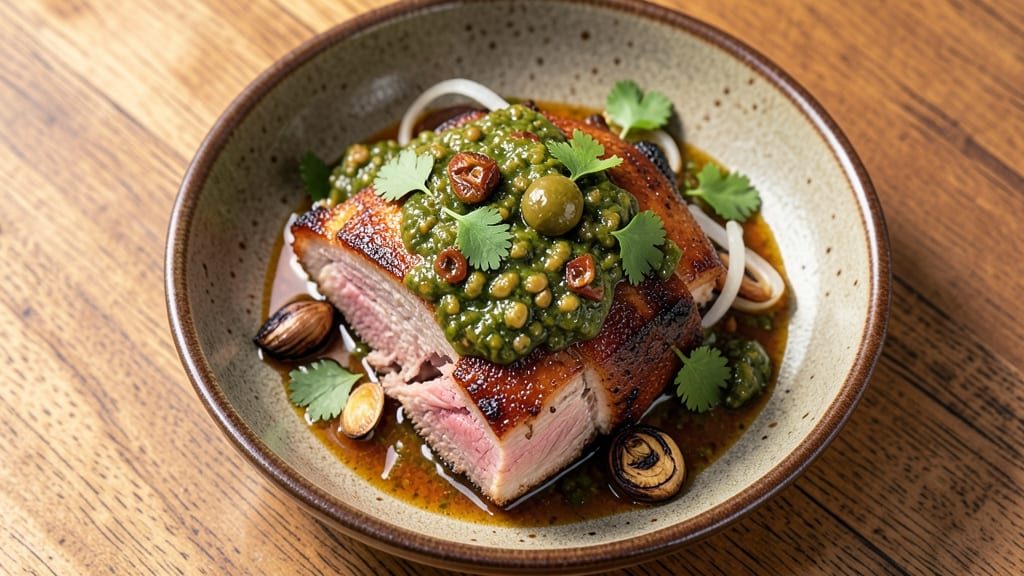
This Mexican pork verde recipe brings the vibrant flavors of Mexico to your table with tender pork bathed in a smoky tomatillo sauce that's tangy, bright, and impossible to resist.
I've perfected this dish after years of working with heritage pork cuts, and the secret lies in slow-braising the meat until it's fall-apart tender while building layers of flavor in the verde sauce.
The beauty of pork verde lies in its balance—tomatillos lend that signature tangy brightness, while chipotle peppers add just enough smokiness to complement the rich pork.
I use pork shoulder for its marbled fat that renders perfectly during the long cook, creating a sauce that's rich yet still light enough to let the flavors shine through. This isn't just a recipe; it's a celebration of Mexican comfort food that delivers restaurant-quality results at home.
By the time you serve this dish, you'll have perfectly tender pork that practically melts in your mouth, swimming in a vibrant green sauce that's both tangy and rich.
The aroma alone will have everyone gathered around your table, and each bite delivers that perfect harmony of smoky, tangy, and savory flavors that define Mexican cuisine. Serve it with warm tortillas, steamed rice, and a side of refried beans for the full experience.
What makes this recipe special is how it comes together—marinating the pork overnight develops deep flavor, while the slow braising ensures perfect tenderness. The sauce reduces beautifully, concentrating all those bright tomatillo and chipotle flavors into every bite.
This is the kind of dish that becomes a family favorite, and once you try it, you'll never go back to store-bought versions.
Ingredients for mexican pork verde
Six ingredients for the sauce, three pounds of pork—this is where Mexican comfort food gets serious.
| Ingredient | Amount | Notes |
|---|---|---|
| Pork Shoulder 🐖 | 3 lb | Heritage cut preferred, marbled fat |
| Tomatillos 🍅 | 1 ½ lb | Husk removed, rinsed well |
| Chipotle Peppers in Adobo 🌶️ | 2 whole | 2 tbsp sauce reserved for marinade |
| White Onions 🧅 | 2 whole | Yellow or red work too |
| Garlic Cloves 🧄 | 8 cloves | Peeled, roughly chopped |
| Fresh Cilantro 🌿 | ½ cup | Stems included, loosely packed |
| Lime Juice 🍋 | ½ cup | Freshly squeezed, seeds removed |
| Beef Broth 💧 | 2 cups | Low-sodium preferred |
| Olive Oil 🫒 | ¼ cup | Extra-virgin for richness |
| Salt 🧂 | 1 ½ tbsp | Kosher or sea salt |
| Ground Black Pepper 🌶️ | 1 tsp | Freshly ground preferred |
| Cumin Seeds 🌿 | 1 tbsp | Toasted for deeper flavor |
| Bay Leaves 🍃 | 2 whole | Fresh or dried |
| Cumin Powder 🌿 | 1 tsp | Ground, for sauce depth |
The pork shoulder is non-negotiable here. Heritage pork cuts from Whole Foods or your local butcher shop have that perfect marbling, but any pork shoulder will work (just trim excess fat). For the tomatillos, Mexican markets have the freshest, but most grocery stores carry them in the produce section—look for firm, unbruised husks. Chipotle peppers in adobo are a must; La Costeña or Goya brands are reliable. The key is balancing smokiness and tang—use the reserved adobo sauce in the marinade to build that depth from the start. Fresh cilantro is ideal, but dried works in a pinch (use half the amount).
No tomatillos? Green tomatoes or tomato sauce can work, but you'll lose that signature tang. Short on chipotle peppers? Smoked paprika plus a pinch of cayenne mimics the smokiness, though it won't be identical. The cumin seeds? Toast them in a dry pan for 30 seconds before grinding—game-changer for flavor. If you're using dried bay leaves, crush them lightly between your palms to release the oils. And that lime juice? Fresh is non-negotiable—bottled won't cut it. For the beef broth, low-sodium is crucial; you don't want to overpower the delicate pork flavors.
Marinate the pork overnight for maximum flavor penetration. The sauce reduces beautifully, so it's worth making extra—freezes perfectly for 3 months. Store the cooked pork in its sauce in the fridge for up to 4 days; reheat gently on the stove. I always make a double batch because this disappears fast. Portion into containers so you can grab and go for lunches or dinner leftovers. The sauce thickens as it cools, so a splash of water or broth thins it back out when reheating.
Why You'll Love This Recipe
- One-Pot Magic: I swear by this recipe because it’s basically hands-off after the initial chop. Toss everything—pork, tomatillos, onions, garlic—into one pot, let it simmer, and walk away. The chipotle peppers in adobo do the work of deep flavor while you’re busy with whatever else life throws at you.
- Smoky-Garlicky Bliss: That first bite? Pure satisfaction. The tomatillos give it a bright tang, the chipotle adds just the right heat, and the garlic? It caramelizes into something so rich, you’ll want to lick the spoon. Honestly, it’s the kind of flavor that makes you forget about takeout.
- Taco Night Every Night: Between us, this sauce is the base for everything—tacos, burrito bowls, even grilled cheese. I’ve used leftover pork verde in breakfast scrambles (yes, really) and as a marinade for chicken. It’s the unsung hero that turns simple meals into something special.
- Budget-Friendly Feast: Pork shoulder is cheap, and a single batch stretches across three meals for my family. Freeze half the sauce for later, and you’ve got a weeknight win. Plus, the ingredients are pantry staples—no fancy shopping required, just good, bold flavor.
Step-by-step instructions for smoky tomatillo sauce with pork shoulder
Here's how to transform simple ingredients into a rich, smoky pork verde that'll impress everyone at your table.
Prepare the Pork Shoulder for Maximum Flavor
Start by trimming any excess fat from the 3 lb pork shoulder, leaving about ¼-inch of fat cap for moisture during cooking. Pat the meat completely dry with paper towels—this ensures a better sear and crispier exterior later. In a small bowl, combine 2 tbsp of the reserved adobo sauce from the chipotle peppers, 1 tbsp of the olive oil, and 1 tsp of the ground black pepper. Rub this mixture all over the pork shoulder, pressing it into the meat so it penetrates. Let the pork sit at room temperature for 30 minutes before cooking.
This marinade step is crucial—it infuses the pork with smoky, spicy depth that'll shine through in every bite. If you're short on time, even 15 minutes of marinating will help, but the full 30 minutes gives the best results. Place the pork on a plate and let it breathe while you prep the rest of your ingredients.
Toast the Aromatics for Deep, Complex Flavor
Heat a large Dutch oven or heavy pot over medium heat. Add the 1 tbsp cumin seeds and toast them for 1-2 minutes until they darken slightly and release their nutty aroma—this is where the magic happens. Immediately remove the pot from heat and transfer the toasted cumin seeds to a small bowl. You'll add them back later, but toasting them first deepens their flavor significantly.
In the same pot, add 0.25 cup olive oil and let it heat until shimmering. Add 2 whole white onions, peeled and cut into 1-inch chunks, and cook for 8-10 minutes until they soften and begin to caramelize slightly. Add the 8 cloves garlic cloves and cook for another 30 seconds until fragrant. This step builds the flavor foundation for your sauce, so don't rush it—you'll know it's ready when the onions are soft and the garlic smells irresistible.
Roast the Tomatillos and Chipotle Peppers
While the onions cook, preheat your oven to 400°F. In a separate baking sheet, toss the 1.5 lb tomatillos (husks removed and rinsed) and 2 whole chipotle peppers in adobo (seeds removed if you prefer less heat) with 1 tbsp olive oil, 1 tbsp salt, and 1 tsp cumin powder. Spread them out in a single layer and roast for 20-25 minutes until the tomatillos blister and darken slightly. This roasting step caramelizes their natural sugars, creating a sweeter, more complex sauce.
Real talk: don't skip this step. Roasting the tomatillos transforms them from tart to slightly sweet, balancing the smoky heat of the chipotle peppers perfectly. Once they're done, transfer them to a blender or food processor—you'll use them immediately to capture all their roasted goodness.
Build the Tomatillo Sauce
Return the Dutch oven with onions and garlic to medium heat. Add the roasted tomatillos and chipotle peppers to the blender along with 0.5 cup fresh cilantro, 0.5 cup lime juice, 2 cups beef broth, and the 2 whole bay leaves. Blend until completely smooth, scraping down the sides as needed. Pour this vibrant green sauce into the pot with the onions and garlic, stirring to combine.
Bring the sauce to a gentle simmer and let it cook for 15-20 minutes until it thickens slightly. The sauce should coat the back of a spoon but still be pourable. Taste and adjust the seasoning with more salt or lime juice as needed—this is your chance to balance the flavors before the pork goes in. The sauce should be bright, slightly tangy, and deeply smoky with a hint of sweetness from the roasted tomatillos.
Slow-Cook the Pork Shoulder to Tender Perfection
Add the marinated pork shoulder to the Dutch oven, nestling it into the sauce. The liquid should come about halfway up the sides of the meat. Bring everything to a simmer, then reduce the heat to low, cover the pot, and let it cook for 2.5-3 hours. This slow cooking method ensures the pork becomes fork-tender while absorbing all that smoky, tangy sauce.
Here's the thing—don't peek or stir during this time. Every time you lift the lid, you lose heat and moisture, which can dry out the pork. Instead, trust the process and let the pork cook undisturbed. About 30 minutes before the pork is done, check its internal temperature with a meat thermometer—it's ready when it reaches 195-200°F. At this point, the pork should be falling apart easily with a fork, and the sauce should be rich and flavorful.
Pro Tips For Making Mexican Pork Verde
- CHAR THE TOMATILLOS FIRST: Roast them whole at 400°F for 20-25 minutes until blistered and blackened—this deepens their tang and makes peeling a breeze. I used to skip this, and the sauce always tasted flat until I tried it.
- SWEAT THE ONIONS LOW: Cook the white onions in batches over medium-low heat until they’re translucent and just starting to caramelize—about 8-10 minutes. Rushing this turns them bitter, and you’ll regret it when they overpower the pork’s richness.
- BLOOM THE ADOBO SAUCE: Heat the chipotle peppers in adobo sauce in a separate pan for 2-3 minutes before adding them to the pork—this melts the sauce and releases their smoky depth. I learned this the hard way when my first batch tasted like undercooked adobo paste.
- REST THE PORK SHOULDER: Let the cooked pork shoulder sit under foil for 15-20 minutes before slicing—this keeps it juicy and makes shredding effortless. I know, I know, you’re eager to serve it, but trust me, this is the thing that matters most.
Wine and beer pairings for this mexican pork verde
White Wine Pairings
For pork verde, I always reach for a crisp Mexican white wine like Baja Malbec or Chenin Blanc from the Yucatán region. These wines have bright acidity that cuts through the richness of the pork while complementing the tangy tomatillo sauce.
The slight mineral notes in Chenin Blanc also enhance the smoky chipotle flavors beautifully. 🍷
If you prefer something lighter, a Spanish Albariño offers citrusy brightness that mirrors the lime in the recipe. For a bolder option, try a California Chardonnay with subtle oak—just avoid heavy buttery flavors that would clash with the dish's freshness.
Red Wine Options
For red wine lovers, a light-bodied Tempranillo from Spain or a Mexican Tinto works surprisingly well. These wines have enough acidity to balance the dish without overpowering the delicate pork flavors. I often serve this with a Jumilla Tempranillo—its earthy notes pair perfectly with the smoky sauce. 🍷
Avoid heavy reds like Cabernet Sauvignon or Syrah—they'll compete with the pork's richness. Instead, opt for wines with bright acidity and moderate tannins that let the dish shine through.
Beer Pairings
For beer drinkers, I recommend a Mexican lager like Modelo Especial or Pacífico Clara. The crisp, clean profile cleanses the palate between bites of rich pork. A Mexican IPA with citrus notes (like Estrella Damm Daura) also works well, as the hop bitterness balances the smoky sauce. 🍺
If you prefer craft beer, try a Belgian witbier—its peppery, citrusy notes complement the lime and cilantro in the dish. Just avoid heavy stouts or dark ales that would overpower the delicate flavors.
Non-Alcoholic Options
For a refreshing non-alcoholic pairing, serve sparkling limeade with fresh mint. The effervescence and citrus brightness mirror the dish's tangy, vibrant sauce. I also love Mexican horchata—its sweet, creamy notes provide a delightful contrast to the smoky pork. 🍹
For something more substantial, try Mexican soda like Jarritos Tamarind or Lima-Lime—the sweet-tart balance enhances the dish's complexity without alcohol.
Nutrition facts
Frequently asked questions
Can I substitute pork shoulder with another pork cut?
Yes! For a quicker cook, use pork loin (about 2.5 lbs) and reduce cooking time to 1.5 hours—it's leaner but still delicious. For extra richness, try pork butt (same as shoulder) or bone-in pork chops (braise 1.5 hours until tender). Just adjust cooking times based on cut size and fat content.
How do I make the sauce less spicy?
Remove the seeds and membranes from the chipotle peppers before roasting to reduce heat. For milder flavor, use 1 chipotle pepper instead of 2, or swap in 1 tsp smoked paprika instead of the second pepper. Taste the sauce before adding pork—you can always balance it with more lime juice or tomato sauce.
Can I make pork verde in a slow cooker?
Brown the pork in a skillet first, then transfer it to the slow cooker with all sauce ingredients. Cook on low for 6-7 hours or high for 3-4 hours. The slow cooker keeps the pork moist while developing deep flavors. Just skip the initial sear if short on time—the sauce will still be vibrant.
What's the best way to reheat leftovers?
Gently reheat on the stovetop with 1-2 tbsp broth or water to loosen the sauce. Cover and simmer for 5-7 minutes on low heat—never microwave, as it can make the pork dry. For extra richness, add a splash of adobo sauce or lime juice while reheating.
Can I freeze the sauce separately?
Yes! Freeze the cooked sauce in airtight containers for up to 3 months. Thaw overnight in the fridge, then reheat gently. For the pork, freeze it in its sauce (it reheats beautifully). When reheating frozen pork, add 1-2 tbsp broth to prevent drying—it'll taste just as good as fresh!