
Main Courses
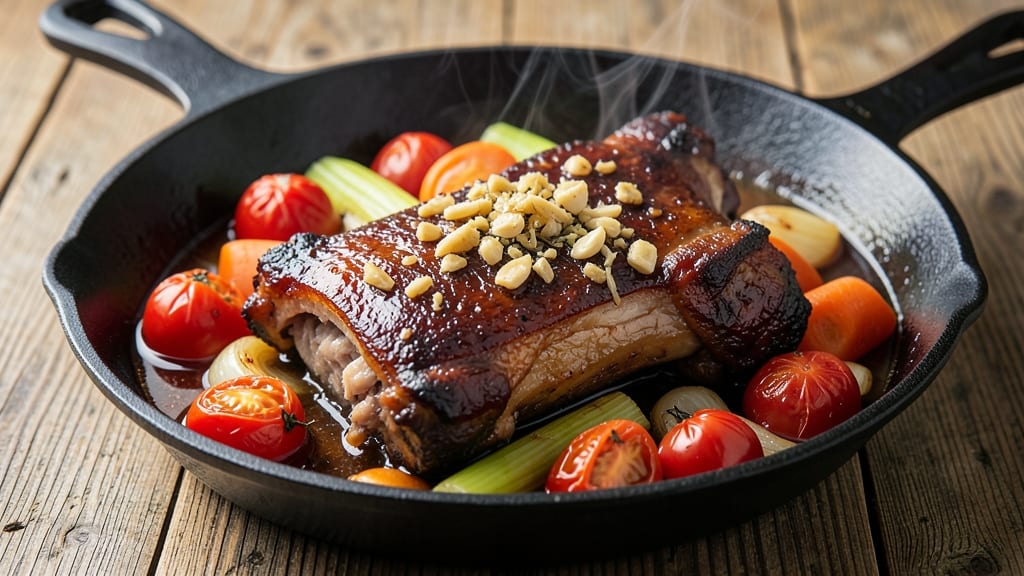
This meaty pork bones recipe transforms humble bones into a collagen-rich masterpiece that elevates any meal. After years of perfecting slow-braised techniques in my Atlanta kitchen, I’ve unlocked the secret to extracting every last drop of marrow and flavor from pork bones—no waste, just pure richness.
The key lies in low-and-slow simmering, where collagen dissolves into a velvety broth that clings to every bite of tender meat still clinging to the bones.
What sets this method apart is the balance of heat and time: first roasting the bones to deepen their caramelized flavor, then simmering them for hours until the marrow melts into the broth like liquid gold.
This isn’t just a side dish—it’s the heart of a meal, where every spoonful delivers layers of umami and depth that store-bought stocks can’t match. The result? A dish so rich and satisfying, it turns ordinary meals into something extraordinary.
By the time you’re done, you’ll have bones that yield to the slightest pressure, releasing marrow that’s perfect for spooning over rice or toasted bread. The broth, reduced to a glossy, gelatinous perfection, can be used as a base for soups, stews, or even a luxurious sauce for pasta.
This is the kind of recipe that turns leftovers into a highlight—because the flavor only gets better with time.
Whether you’re feeding a crowd or prepping for the week, this method ensures maximum yield with minimal effort. The bones become the star, while the broth becomes the foundation for endless possibilities. Let’s get started—your taste buds (and leftovers) will thank you.
Ingredients for meaty pork bones
Pantry staples meet bone-in richness for a dish that turns scraps into something extraordinary.
| Ingredient | Amount | Notes |
|---|---|---|
| Pork Bones 🦴 | 4 lb | Knuckle or marrow bones preferred |
| Yellow Onions 🧅 | 2 whole | Chopped into 1-inch pieces |
| Carrots 🥕 | 3 medium | Whole, scrubbed, cut into chunks |
| Celery Stalks 🧅 | 4 whole | Cut into 2-inch pieces |
| Garlic Cloves 🧄 | 8 cloves | Smashed, not minced |
| Tomatoes 🍅 | 4 whole | Roma or vine-ripened, quartered |
| Bay Leaves 🌿 | 2 whole | Dried, standard size |
| Black Peppercorns 🌶️ | 1 tbsp | Whole, lightly crushed |
| Salt 🧂 | 2 tsp | Kosher or sea salt |
| Apple Cider Vinegar 🍏 | ½ cup | For acid balance |
| Fresh Thyme 🌿 | ¼ cup | Leaves only, chopped |
| Olive Oil 🫒 | ¼ cup | For roasting bones |
The bones are everything here—look for knuckle or marrow bones at your butcher or grocery store's meat counter. Costco or Whole Foods usually have them pre-packaged, but if you're buying whole, ask for the largest ones you can find. The more marrow, the better. Freshness matters too: if the bones smell strongly, skip them. For the veggies, carrots and celery should be firm with bright color—no wilted tops. I always double-check my thyme leaves are vibrant green, not brown or brittle. The vinegar might seem odd, but it's what unlocks that deep umami flavor during the simmer.
No knuckle bones? Marrow bones work too, but you'll get less meat. Short on tomatoes? Tomato paste at half the amount works in a pinch. Fresh thyme? Dried at one-third the amount is fine, but toast it first in a dry pan for 30 seconds to wake up the flavor. The vinegar can be swapped for lemon juice or red wine vinegar if you prefer. For the roast, avocado oil or duck fat works better than olive oil—it's got a higher smoke point. And if you're making a big batch, double the veggies but keep the bone-to-liquid ratio the same.
Roasted bones keep in the freezer for up to 3 months—just thaw overnight before simmering. The finished broth? 5 days in the fridge or 6 months frozen. I always make extra and freeze it in ice cube trays for easy portions. The bones themselves? Pick the meat off with chopsticks for quick bites, or save them for bone broth. The marrow? Scoop it out with a spoon and spread on toast—absolute heaven. This stuff reheats beautifully too, so leftovers are your new best friend.
Why You'll Love This Recipe
- Pantry Magic: I swear by this one—just toss in whatever veggies I have (carrots, celery, onions) and let the pork bones do the rest. No fancy prep, no stress, just a simmer that works while I’m doing laundry or scrolling through my phone.
- Deep Umami Bomb: That crispy, caramelized edge on the pork bones? Chef’s kiss. The garlic and onions melt into something rich and savory—like a hug in a bowl. Honestly, the first time I made this, I ate it straight from the pot with a spoon.
- Leftovers That Don’t Suck: Between us, most braises turn into sad, watery leftovers. Not this. The bones stay tender, the broth thickens overnight, and I’ve turned this into everything from fried rice to dumplings. My freezer’s always stocked with this stuff because it’s that reliable.
- Budget Bone Broth: I used to buy fancy broth, but now? I save money by using pork bones I find on sale (or even from my butcher’s scraps). The carrots and celery add sweetness, the garlic layers depth—it’s my secret weapon for cheap, flavorful meals that feed the whole family.
Step-by-step instructions for slow-braised pork bones
Transform tough pork bones into melt-in-your-mouth riches with this collagen-packed braising method.
Roast the Pork Bones for Deep Flavor
Preheat your oven to 425°F and line a baking sheet with parchment paper. Place the 4 lb pork bones on the sheet and rub them generously with the 0.25 cup olive oil. This step creates a rich, caramelized crust that forms the flavor foundation.
Roast the bones for 45-50 minutes, turning them halfway through, until they're deeply browned and the fat begins to render. You'll know they're ready when the bones smell nutty and aromatic—this is where all the magic starts. Let them cool slightly before moving to the next step.
Sauté the Aromatic Vegetables
In a large Dutch oven, heat the roasted bones over medium heat for 2-3 minutes per side to brown them further in their own rendered fat. Remove the bones and set them aside temporarily.
In the same pot, add 2 whole chopped yellow onions, 3 medium carrots, and 4 whole celery stalks. Sauté for 8-10 minutes until the vegetables soften and begin to caramelize. Add the 8 smashed garlic cloves and cook for another 1 minute until fragrant—this builds the flavor base for your braise.
Build the Braising Liquid
Return the pork bones to the pot and add 4 whole quartered tomatoes, 2 whole bay leaves, 1 tbsp lightly crushed black peppercorns, and 2 tsp salt. Pour in 0.5 cup apple cider vinegar and 6 cups water (enough to cover the bones by about 2 inches). Stir everything together.
The vinegar helps tenderize the bones while balancing the rich flavors. Bring the mixture to a gentle boil, then reduce heat to low and cover the pot. This is where patience pays off—let it simmer for 3-4 hours until the bones are fork-tender and the meat pulls away easily from the bone.
Finish with Fresh Herbs and Simmer
After the initial braising time, stir in the 0.25 cup chopped fresh thyme. The herbs add a bright, aromatic finish that cuts through the richness. Return the pot to a simmer and cook uncovered for another 30-45 minutes to reduce the liquid slightly and deepen the flavors.
You'll know it's perfect when the liquid has thickened into a rich, glossy broth that coats the back of a spoon. The pork bones should be so tender they practically melt in your mouth. Skim off any excess fat if desired, then adjust seasoning if needed—this dish should taste deeply savory with just a touch of acidity from the vinegar.
Serve and Store
Remove the pork bones and vegetables from the pot and arrange them on a platter. Ladle the rich braising liquid over the top and serve immediately. The bones should be fork-tender, with meat that falls away from the bone in tender strands.
For storage, keep the bones and broth in an airtight container in the refrigerator for up to 5 days or freeze for 3 months. This dish makes an excellent base for soups, stews, or even as a standalone rich appetizer with crusty bread. The collagen-rich broth alone is worth the effort—it's pure comfort in a bowl.
Pro Tips For Making Meaty Pork Bones
- Sear the Bones First: Hit those pork bones with a screaming-hot pan—no oil needed—until they’re deep brown in spots. I learned this the hard way: skipping the sear means flavor stuck in the marrow never escapes, and your broth stays bland no matter how long you simmer.
- Chop Onions Small: Dice those yellow onions into ¼-inch pieces, not thick slices. Big chunks turn mushy and watery; small pieces dissolve into the broth, adding sweetness without gloop. (Yes, even if you’re impatient like me—trust the process.)
- Don’t Crowd the Pot: If you’re braising or simmering, give the bones space—at least 1 inch between them. Cramming them together steams the meat instead of browning it, and you’ll end up with gray, sad bones instead of rich, meaty ones.
- Save the Garlic: Peel and smash those garlic cloves flat with the side of your knife before adding them—no chopping needed. This releases more flavor into the broth without burning, and it sticks to the bones like glue. (Your future self will thank you.)
Serving suggestions for this meaty pork bones
Bone-In Appetizer
Serve the tender pork bones as a warm appetizer with toothpicks or chopsticks for easy handling. Arrange them on a platter with the rich braising liquid spooned over the top, then garnish with fresh thyme sprigs and crusty bread for dipping.
I love adding a sprinkle of flaky sea salt right before serving to enhance the umami flavors. 💛 This makes an impressive starter that guests will rave about.
Broth-Based Soups
Use the collagen-rich broth as a base for hearty soups like pork and dumplings or a classic French onion soup. Simmer the broth with sliced potatoes, carrots, and onions, then finish with cheddar cheese toasts on top.
For a Southeast twist, add collard greens and smoked paprika to create a soul-warming bowl. The broth's depth elevates any soup to restaurant-quality.
Grain Pairings
Pair the braised bones with creamy mashed potatoes or buttery polenta to soak up the rich sauce. For a lighter option, serve over wild rice or jasmine rice—the grains absorb the flavor beautifully.
I also love cornbread with honey butter for a Southern-inspired combo. The contrast of textures makes every bite satisfying. ✨
Marrow Toast Topping
Scoop the melted marrow from the bones with a spoon and spread it on toasted sourdough or baguette slices. Drizzle with hot honey and sprinkle with crushed red pepper flakes for a sweet-spicy kick.
This is my go-to quick snack—it’s like liquid gold on bread. For extra flair, add a fried egg on top for a breakfast-worthy bite.
Leftovers Reinvention
Transform leftover bones into pork bone tacos by shredding the meat and serving it in warm tortillas with pickled onions, avocado, and cotija cheese. Or blend the broth with roasted garlic and lime juice for a creamy pork sauce over grilled fish.
The possibilities are endless—this dish keeps giving even after the meal. 🔥
Seasonal Sides
In summer, pair with grilled zucchini and cherry tomatoes for a light contrast. In winter, serve with roasted Brussels sprouts and caramelized apples for a cozy, hearty meal.
The bones’ richness balances seasonal produce perfectly, making them a year-round favorite. I especially love this combo during Georgia’s fall harvest season.
Nutrition facts
Frequently asked questions
What type of pork bones work best for this recipe?
For maximum meatiness and flavor, use knuckle or marrow bones—they contain the most collagen and marrow. These bones are readily available at butcher shops or specialty stores like Costco or Whole Foods. Avoid small bones like ribs, as they won't yield as much tender meat or rich broth.
Can I use frozen pork bones instead of fresh?
Thaw frozen bones overnight in the refrigerator before roasting. Never thaw at room temperature, as this can promote bacterial growth. The slow thawing preserves texture and prevents the bones from drying out during roasting.
How do I know when the pork bones are fully tender?
The bones are ready when they're fork-tender and the meat pulls away easily from the bone. Test by inserting a fork—if it slides in smoothly without resistance, they're done. The broth should also be thick and glossy, coating the back of a spoon.
What can I do with the leftover bones after removing the meat?
Don't toss them! Use the leftover bones to make pork bone broth by simmering them with veggies for 6-8 hours. The remaining collagen will dissolve into a rich, flavorful stock perfect for soups or sauces. Alternatively, crush the bones for a quick umami boost in stews.
Can I make this recipe in a slow cooker?
Yes, but with adjustments. Roast the bones first as directed, then transfer everything to a 6-quart slow cooker. Add 1 cup water (instead of 6 cups) and cook on low for 8-10 hours or high for 5-6 hours. The liquid will reduce naturally, creating a thicker broth.