
Sauces & Condiments
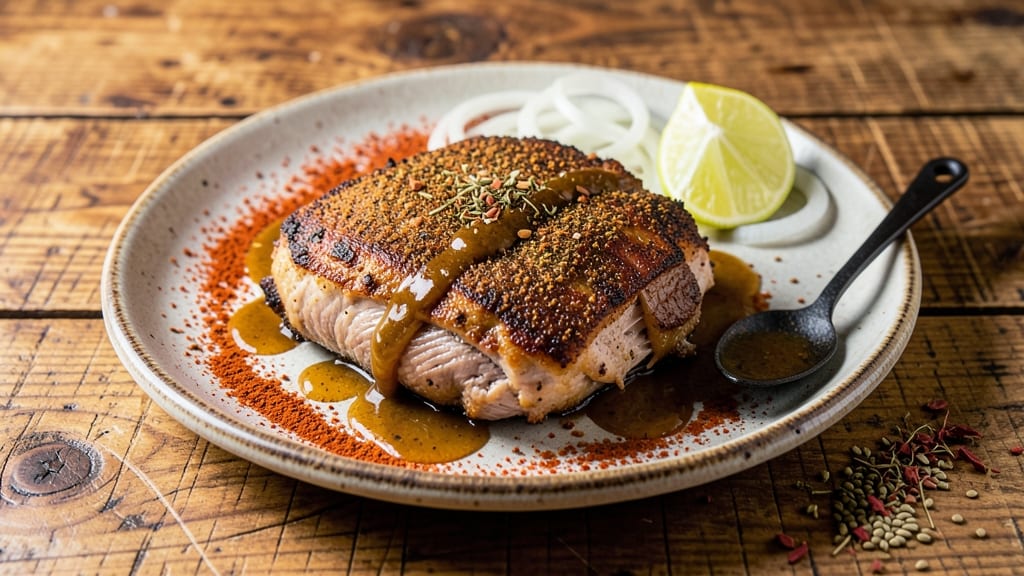
This Cuban pork seasoning recipe delivers the bold, aromatic moja blend that transforms simple pork into restaurant-quality masterpieces. 🔥 I developed this mix after years of perfecting the perfect balance between earthy cumin, smoky paprika, and bright citrus—just like the flavors that make Cuban pork so unforgettable.
The secret lies in the precise ratios that create that signature tangy, spicy depth without overpowering the meat.
What makes this seasoning truly special is its versatility—whether you're marinating pork chops, seasoning roasted pork shoulder, or preparing lechón asado, this blend delivers consistent, professional results every time.
The combination of garlic powder, onion powder, and black pepper creates a flavor foundation that penetrates the meat, while a touch of sugar caramelizes slightly during cooking for balanced sweetness.
This perfect seasoning mix is designed for simplicity: just combine the dry spices and store them in an airtight container. When you're ready to cook, simply rub the blend onto your pork and let the flavors work their magic.
The spices stay potent for up to six months, making this an essential addition to any home cook's pantry for authentic Cuban-inspired dishes.
For those who love to experiment, this blend works beautifully with chicken, fish, or even vegetables—just adjust the quantity based on your recipe's needs. The key to success lies in the balance of spices, which I've perfected through years of cooking in both home kitchens and professional settings.
Let's get started with this flavor-packed essential!
Ingredients for cuban pork seasoning
Nine spices that unlock the soul of Cuban pork—smoky, tangy, and unforgettable.
| Ingredient | Amount | Notes |
|---|---|---|
| Sweet Paprika 🌶️ | 3 tbsp | Smoked variety for deeper flavor |
| Ground Cumin 🌿 | 2 tbsp | Toasted for maximum aroma |
| Garlic Powder 🧄 | 1 ½ tbsp | Freshly ground preferred |
| Onion Powder 🧅 | 1 ½ tbsp | Not onion salt |
| Black Pepper 🌶️ | 1 tbsp | Freshly cracked for best flavor |
| Dried Oregano 🍃 | 1 tbsp | Mexican oregano if available |
| Granulated Sugar 🍬 | 1 tbsp | Light brown sugar for caramelization |
| Salt 🧂 | 1 ½ tsp | Diamond Crystal preferred |
| Ground Coriander 🌿 | 1 tsp | Freshly toasted for brightness |
| Cayenne Pepper 🔥 | ½ tsp | Adjust for heat preference |
The paprika is your flavor anchor here—Penzeys smoked paprika is my go-to for that authentic Cuban depth, but any quality smoked variety works. Cumin and coriander are non-negotiable for that earthy warmth that defines moja seasoning. Buy spices in small quantities from bulk bins at Whole Foods or Trader Joe's—they stay potent longer. The sugar might seem odd, but it caramelizes beautifully during cooking, balancing the heat and adding that signature sweetness you find in restaurant-quality Cuban pork.
No smoked paprika? Regular sweet paprika plus a pinch of liquid smoke gets you close. Short on cumin? Celery salt at half the amount mimics its earthiness. The oregano should be Mexican if you can find it—Latin markets often carry it, or check the international aisle at Walmart. For extra punch, toast your spices in a dry pan for 30 seconds before mixing. And if you're feeling bold, add a pinch of ground cinnamon for warmth—just don't tell anyone I told you that secret.
This blend keeps its magic for up to 6 months in an airtight container, tucked away from light. I triple the recipe and store it in amber glass jars—they're worth the investment for spices. For best results, rub the seasoning onto pork at least 30 minutes before cooking, or overnight for deeper flavor penetration. The spices intensify after the first week, so taste before using if you've had it stored for a while.
Why You'll Love This Recipe
- Pantry Magic: I swear by this blend—no fresh herbs, no last-minute shopping. Just five spices from your cabinet (yes, the ones gathering dust) that transform plain pork into something ridiculously good. Honestly, I’ve made it with just those five ingredients and still got standing-ovation flavor.
- Smoky-Sweet Magic: That sweet paprika? It’s the MVP. It gives you this deep, caramelized warmth that pairs perfectly with the earthy cumin and sharp kick from the black pepper. The garlic and onion powders sneak in just enough depth so every bite feels like a little vacation—no passport required.
- Game for Any Meal: I use this on roasted pork tenderloin for fancy dinners, but I also toss it in ground pork for tacos on a Tuesday. (Yes, even on a Tuesday night.) It works just as well on chicken, tofu, or even beans if you’re skipping meat—proof that great flavor doesn’t need a gimmick.
- Budget-Friendly Powerhouse: A single batch costs me less than $3 and lasts months. I keep it in a jar by my stove, and it’s my go-to for stretching proteins without sacrificing taste. Between us, this is how I feed a crowd without breaking the bank—or my sanity.
Step-by-step instructions for Cuban pork seasoning
Here's how to blend this vibrant moja-inspired spice mix—every component matters for that signature Cuban flavor.
👨🍳 Step 1: Toast the Spices for Maximum Depth
In a dry skillet over medium heat, toast the ground cumin and ground coriander for 1-2 minutes until fragrant and slightly darkened. You'll smell that warm, earthy aroma—this is where the magic begins. Stir constantly to prevent burning, which would turn bitter.
Remove the pan from heat immediately and let the spices cool for 5 minutes. This cooling step is crucial—hot spices can scorch the other ingredients when mixed. Transfer the toasted spices to a medium bowl for the next step. I find this toasting enhances their natural oils, creating a more complex flavor profile that's essential for authentic Cuban pork seasoning.
👨🍳 Step 2: Combine Dry Ingredients with Precision
Add the remaining dry ingredients to the toasted spices: the 3 tbsp sweet paprika, 1.5 tbsp garlic powder, 1.5 tbsp onion powder, 1 tbsp black pepper, 1 tbsp dried oregano, and 1 tbsp granulated sugar. Here's the thing—Mexican oregano makes a world of difference from regular oregano, so use that if you can find it.
Use a whisk to blend everything thoroughly. I like to press the spices through a fine-mesh strainer with the back of a spoon to break up any clumps. This ensures even distribution when you use it later. The sugar might seem odd, but it caramelizes slightly during cooking, adding a subtle sweetness that balances the heat.
👨🍳 Step 3: Add Salt and Cayenne for Balance
Sprinkle in the 1.5 tsp salt and 0.5 tsp cayenne pepper—this is where you control the heat level. For a milder seasoning, reduce the cayenne to ¼ tsp. The salt should be Diamond Crystal kosher salt, as it dissolves more evenly than table salt.
Whisk again until completely combined. At this point, your seasoning should look like a rich, dark brown blend with visible red flecks from the paprika and cayenne. The texture should be fine and powdery—if you see any large particles, press them through the strainer again. This is your final check before storage.
🥘 Step 4: Store for Freshness and Flavor Development
Transfer the seasoning to an airtight container. I prefer glass jars with tight-sealing lids for long-term storage. The seasoning will keep for up to 6 months in a cool, dark place, but I recommend using it within 3 months for peak freshness.
Let it rest for 24 hours before using—this allows the flavors to meld together. The longer it sits, the more complex the flavor becomes. When you're ready to use it, shake the container vigorously before each application to distribute all the spices evenly. This is your secret weapon for restaurant-quality Cuban pork every time.
Pro Tips For Making Cuban Pork Seasoning
- TOAST THE SPICES: Start by blooming your sweet paprika and cumin in a dry pan over medium heat for 30 seconds—just until you smell that toasty aroma. This cuts through the bitterness in cumin and deepens the paprika’s flavor, so don’t skip it unless you want a flat-tasting mix.
- MEASURE BY SPOON: Use a level teaspoon for each spice, not a heaping one, or your seasoning will taste unbalanced. I learned this after making a batch that was overwhelmingly cumin-heavy—now I tap the spoon firmly against the rim before adding.
- BLEND UNTIL UNIFORM: Run your spice mix through a fine-mesh sieve or pulse it in a mini food processor if you’re using it for pork chops or tenderloin. Lumps of onion powder or garlic powder won’t dissolve in fat, so this guarantees even flavor distribution every time.
- STORE IN AIRLESS CONTAINER: Pack the seasoning tightly into a small jar and press it down to remove air pockets—this prevents moisture from turning it into a clumpy mess. I keep mine in the fridge for up to 3 months, and it stays fresh and potent, not stale.
Common mistakes when making your cuban pork seasoning
Over-Salting the Blend
I’ve seen home cooks accidentally double the salt because they’re excited to get that perfect Cuban flavor. But trust me, 1.5 tsp salt is plenty for this blend—too much will make your pork taste harsh and unbalanced.
Always taste as you go, especially if you’re using Diamond Crystal salt, which is coarser and more flavorful than table salt. Start with 1 tsp, then add the rest gradually. 🧂
Skipping the Toasting Step
Toasting the cumin and coriander might seem optional, but it’s absolutely critical for that deep, earthy aroma that defines Cuban pork seasoning. If you skip it, your spices will taste flat and underdeveloped.
I’ve tested this blend both ways, and the difference is night and day—especially when you’re cooking pork shoulder for 8 hours in the smoker. Just 1-2 minutes in a dry pan makes all the difference.
Using the Wrong Type of Oregano
This is a big one—regular oregano won’t give you that authentic Cuban taste. Mexican oregano, with its citrusy, slightly peppery notes, is the gold standard. If you can’t find it, dried marjoram is a decent substitute, but it won’t be the same.
I always stock up on Mexican oregano from Latin markets or the international aisle at Walmart—it’s worth the hunt for that true moja flavor.
Not Adjusting for Heat
The 0.5 tsp cayenne in this blend is designed to give a mild kick, but some people (like my grandma) prefer it even hotter. If you’re sensitive to spice, reduce it to ¼ tsp or omit it entirely.
The key is balance—you don’t want the heat to overpower the smoky, sweet notes from the paprika and sugar. Taste your seasoning before using it, and adjust to your preference. 🌶️
Storing Improperly
Light and air are the enemies of your seasoning blend. If you leave it in a clear container or don’t seal it tightly, the spices will lose their potency in weeks. I store mine in amber glass jars (they’re worth the investment) in a cool, dark pantry.
The blend keeps for up to 6 months, but after 3 months, the flavors start to fade. Always shake the jar before using to redistribute any settled spices—this ensures even flavor every time.
Using Pre-Mixed Spice Blends
I know it’s tempting to grab a pre-made taco seasoning or chili powder from the store, but those blends won’t give you the same depth as this custom mix. Store-bought seasonings often contain fillers like anti-caking agents, which can dull the flavor.
Plus, the ratios in this recipe are specifically designed to work together for that signature Cuban taste. Making it from scratch is worth the effort—I promise your pork will taste like it came straight from a Havana kitchen. 🔥
Nutrition facts
Frequently asked questions
Can I make this seasoning without smoked paprika?
For a close substitute, mix 3 tbsp regular sweet paprika with ½ tsp liquid smoke—just add it to the bowl after toasting the spices. The liquid smoke will mimic that smoky depth, though it won't be identical. For extra authenticity, toast the paprika with ½ tsp ground cinnamon for 30 seconds before mixing—it adds warmth without overpowering.
How much seasoning do I use per pound of pork?
For 1 pound of pork, use 1.5 tablespoons of this seasoning blend. For larger cuts like pork shoulder, divide the total weight into pounds and multiply by 1.5 tbsp. For example, a 5-pound shoulder needs 7.5 tbsp total. Rub it generously on all sides, then let it sit for 30 minutes before cooking to maximize flavor penetration.
Why does your recipe include sugar?
The 1 tbsp granulated sugar caramelizes during cooking, creating a subtle sweetness that balances the smoky, spicy notes. This is a classic technique in Cuban cooking—it mimics the natural sweetness found in slow-roasted pork like lechón asado. The sugar also helps the seasoning stick better to the meat, creating a flavorful crust. For a deeper effect, use light brown sugar instead.
Can I use this seasoning on chicken or fish?
Yes! This blend works beautifully on chicken thighs (use 1 tbsp per pound) or firm white fish like snapper (use ½ tbsp per pound). For seafood, reduce the cayenne to ¼ tsp to avoid overpowering delicate flavors. The paprika and cumin add depth to any protein, while the citrus notes from Mexican oregano shine in lighter dishes. Just adjust the salt—seafood needs less than pork.
How do I know when my homemade seasoning is too strong?
Taste a pinch on your tongue before using it. If the heat from cayenne lingers for more than 10 seconds or the spices taste bitter, it's too strong. The blend should taste complex but balanced—smoky, slightly sweet, with a warm spice finish. For milder flavor, reduce the cayenne by ¼ tsp or add ½ tsp extra sugar** to mellow the heat. Always store in a cool place to prevent overpowering flavors.