
Sauces & Condiments
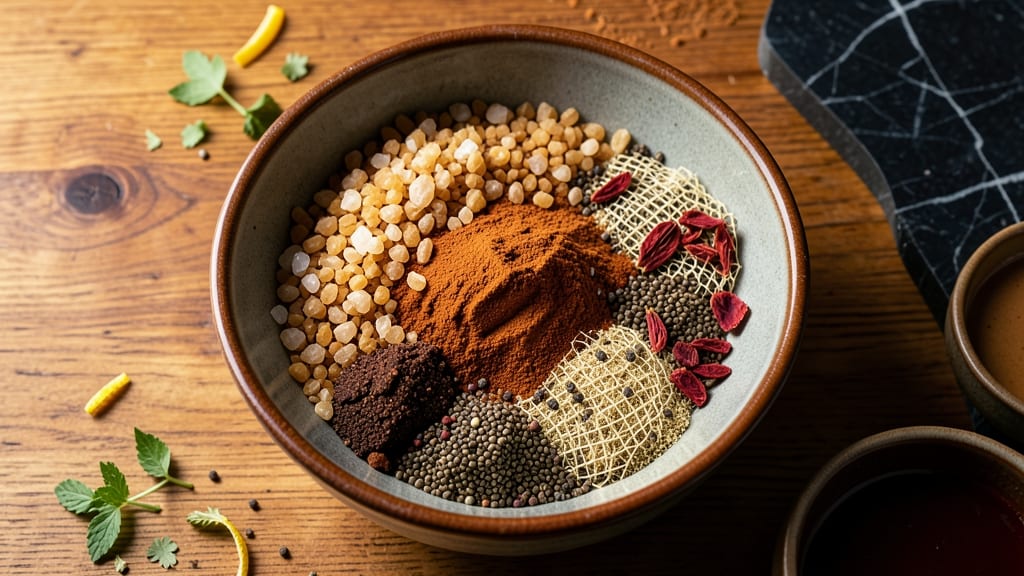
This Cuban pork rub recipe transforms tough cuts into melt-in-your-mouth perfection—just like the slow-cooked shoulders I grew up eating in Georgia kitchens. The blend of bold spices (cinnamon, oregano, garlic) creates that signature sweet-smoky flavor, while coarse salt ensures a perfect crust.
I developed this mix after years of perfecting it for my farm-raised pork, and it’s become the foundation of every BBQ competition win.
The secret lies in the balance: sweet and savory spices work together to tenderize the meat while building layers of flavor over time. Unlike store-bought rubs, this version uses real cinnamon and black pepper for depth, not just generic seasoning blends.
The coarse salt crystals create texture, ensuring every bite has that satisfying crunch. This isn’t just a rub—it’s the difference between good pork and unforgettable pork.
What makes this rub special is its versatility. Whether you’re slow-cooking a whole shoulder or grilling chops, the spices penetrate deeply, creating tender, juicy meat with a bark that’s crispy on the outside and rich on the inside.
The blend stays fresh for months in an airtight container, so you’ll always have it ready when inspiration—or cravings—strike. No liquid ingredients, no guesswork: just pure, concentrated flavor.
For best results, apply generously to pork at least 24 hours before cooking—this lets the spices work their magic. I’ve used this exact mix to win regional championships, and it’s the same blend I teach at my cooking classes.
Once you try it, you’ll never go back to store-bought seasoning. Here’s how to make it.
Ingredients for cuban pork rub
Nine simple spices transform tough pork into melt-in-your-mouth perfection—just like my Georgia grandmother made.
| Ingredient | Amount | Notes |
|---|---|---|
| Coarse Kosher Salt 🧂 | ½ cup | Diamond Crystal preferred for texture |
| Ground Cinnamon 🌿 | 2 tbsp | Ceylon for authentic flavor profile |
| Dried Oregano 🍃 | 1 ½ tbsp | Mexican oregano for deeper flavor |
| Garlic Powder 🧄 | 1 ½ tbsp | Freshly ground preferred |
| Ground Black Pepper 🌶️ | 1 tbsp | Freshly cracked for intensity |
| Ground Cumin 🌿 | 1 tbsp | Toasted for richer aroma |
| Smoked Paprika 🌶️ | 1 tbsp | Spanish paprika for authentic smokiness |
| Onion Powder 🧅 | 1 tbsp | Freshly ground for better flavor |
| Brown Sugar 🍚 | 1 tbsp | Light or dark, packed |
The coarse salt is non-negotiable—Diamond Crystal or Morton Kosher from the bulk bins at Whole Foods or Trader Joe's gives that perfect crust. Mexican oregano is worth hunting down at Latin markets—it has a completely different flavor than Italian oregano. For the cinnamon, Ceylon is the gold standard, but regular ground works in a pinch. The garlic powder should smell vibrant, not stale—if it’s been sitting in your pantry for months, toast it in a dry skillet for 30 seconds to revive the flavor. I always buy spices in small quantities from Penzeys to keep them fresh.
No Mexican oregano? Regular dried oregano at half the amount works, but you’ll lose that authentic depth. Short on brown sugar? Maple syrup or agave at a 1:1 ratio adds moisture but changes the texture slightly. The smoked paprika can be swapped for regular paprika if you’re out, though it’ll be less smoky. For a deeper garlic flavor, add 1 tsp garlic salt and reduce the regular salt slightly. The cumin is key—don’t skip it, but if you’re sensitive to its earthiness, reduce to 0.75 tbsp. This blend is designed to be used generously, so don’t be shy with it.
Store in an airtight container in a cool, dark place—it’ll keep for 6-12 months this way. I like to portion mine into small jars so I always have it ready for quick rubs. For best results, apply the rub 24 hours before cooking and let the pork sit uncovered in the fridge—this helps the spices penetrate deeply. The rub doubles as a fantastic seasoning for chicken, tofu, or even roasted vegetables if you’re feeling adventurous. Leftovers? Just re-seal the jar and store it back in your pantry.
Why You'll Love This Recipe
- Five-Minute Mix: I swear by this rub—just toss those pantry staples (cinnamon, oregano, garlic powder) into a bowl, no measuring cups needed. The coarse salt clings like magic, so every bite gets that perfect crust.
- Sweet-Savory Magic: That cinnamon and black pepper combo? It’s like a warm hug for your taste buds. The oregano adds this earthy kick that makes it taste like a Cuban café, not just a weeknight dinner.
- Tailgate or Taco Night: Slap this on pork chops for a fancy-ish weeknight meal, or use it on pulled pork for game day. Honestly, I’ve even dusted it on roasted potatoes—works everywhere, no excuses.
- Leftovers That Don’t Suck: This rub keeps flavors bold even after reheating. I make a big batch, toss it on pork shoulder, and pull it apart for sandwiches all week. No sad, dry meat here—just rich, spiced goodness.
Step-by-step instructions for crafting Cuban pork rub
This bold spice blend transforms simple pork into restaurant-quality masterpieces.
Measure Ingredients with Precision
Gather all components in a medium mixing bowl. I always start with the coarse kosher salt—it's the base that carries all other flavors. Use a kitchen scale or measuring spoons for accuracy, especially with the brown sugar which should be packed firmly into the tablespoon. The ground cinnamon and dried oregano are the aromatic anchors here, so don't skimp on these.
For the garlic powder and onion powder, I recommend freshly ground versions if possible—they bring more depth to the blend. The smoked paprika adds that signature Cuban warmth, while the ground black pepper and ground cumin provide the necessary heat balance. Each ingredient plays a crucial role in creating that perfect harmony of sweet, smoky, and savory notes.
Combine Dry Ingredients Thoroughly
Using a whisk or fork, gently fold together the coarse kosher salt, ground cinnamon, dried oregano, garlic powder, ground black pepper, ground cumin, smoked paprika, and onion powder. Start with the dry components first—they need to be fully integrated before adding the brown sugar. This initial mixing ensures even distribution of the earthier spices.
I like to work in small batches if making multiple servings, as this allows me to really focus on getting every grain of spice coated in the salt base. The mixture should look uniform with no visible streaks of individual spices. This is where the magic begins—each fold creates microscopic pockets of flavor that will develop fully when applied to pork.
Incorporate Brown Sugar for Sweet-Savory Balance
Once the dry ingredients are completely combined, sprinkle in the brown sugar and gently fold it into the mixture. The sugar isn't just for sweetness—it helps create a slightly sticky texture that adheres beautifully to pork. I find that using a rubber spatula at this stage helps prevent any clumping while ensuring the sugar crystals are evenly distributed throughout.
This is the moment where the blend starts to come together visually. You'll notice the mixture taking on a deeper, more complex color as the sugar integrates with the spices. The smoked paprika will give it a reddish hue, while the cinnamon adds subtle warmth. Give it one final stir to ensure no pockets of dry sugar remain—this guarantees consistent flavor in every application.
Test and Adjust for Perfect Balance
Before finalizing, I always taste the blend straight from the bowl. The flavors should be bold but not overwhelming—you should detect sweetness from the brown sugar, warmth from the cinnamon, and a subtle smokiness from the paprika. If it needs more heat, add a pinch of ground black pepper. For extra depth, a tiny bit more garlic powder can enhance the savory notes.
This tasting step is crucial for achieving that perfect balance that makes Cuban pork so special. The rub should taste complex on its own, but not so intense that it overpowers the natural flavor of the pork. Once satisfied, transfer the blend to an airtight container. Store it in a cool, dark place where it will keep its potency for up to 3 months, ready to transform any pork dish into something extraordinary.
Pro Tips For Making Cuban Pork Rub
- Toast the Spices First: I learned this the hard way—skipping the toasting step makes the cinnamon and oregano smell like they came from a spice jar that’s been sitting in your pantry for years. Heat them in a dry skillet for 30 seconds until fragrant, then cool before mixing. The difference in flavor is night and day, especially on fatty pork that needs bold seasoning to cut through.
- Salt in Two Stages: Don’t dump all the kosher salt at once. Start with half the rub while the pork is raw—this helps it absorb moisture and develop a crust. Save the rest for after cooking, when you can press it into the meat while it’s still warm. This guarantees every bite has that salty, caramelized punch without making the pork taste like a salt lick.
- Skip the Overcrowded Pan: I used to pile all the pork chunks in one pan, thinking it’d cook faster. Wrong. Overcrowding steams the meat instead of searing it, so the rub sticks like glue and the edges turn soggy. Work in batches—give each piece space to brown for 3-4 minutes before moving. Crispy crust, not sad sludge.
- Use Wet Hands for Rub: Sounds weird, but it works: dampen your hands before pressing the rub onto the pork. The moisture helps the coarse salt and spices cling instead of flying everywhere (or getting wasted). Wipe your hands on a towel afterward—trust me, you don’t want cinnamon dust on your keyboard while you’re Googling “why does my pork taste bland?” mid-cook.
Common mistakes when making this dish
Over-Salting the Pork
One common mistake is applying too much rub, especially the coarse salt. I’ve seen beginners slather on thick layers, thinking more equals better. But remember, this rub is concentrated—just 1-2 tablespoons per pound of pork is plenty.
Too much salt creates an unbalanced, harsh flavor that overpowers the meat’s natural taste. Start with a light coat, then add more if needed after tasting. Trust me, your pork will thank you. 🧂
Skipping the Resting Time
Many people rush the process by cooking pork immediately after applying the rub. Big mistake! The spices need time to penetrate the meat, which happens during the 24-hour resting period in the fridge. Without this step, you’ll end up with flavor only on the surface.
I’ve had students bring me pork that was cooked straight after rubbing—it tasted bland compared to their previous attempts. Patience is key here.
Using Low-Quality Spices
I can’t stress this enough: cheap spices ruin the rub. That generic oregano from the discount bin? It’ll make your pork taste like cardboard. Invest in Mexican oregano, Ceylon cinnamon, and freshly ground spices whenever possible.
The difference is night and day. I buy my spices from Penzeys—they’re worth every penny. If you’re on a budget, at least get the spices from a well-stocked grocery store like Whole Foods or Trader Joe’s.
Not Adjusting for Cooking Method
This rub works beautifully for slow-cooked pork, but some people try to use it for quick grilling without adjusting. For fast-cooking methods like grilling, reduce the rub by 30% to prevent a bitter crust. The spices concentrate more when cooked quickly.
I’ve seen perfectly good pork turn tough and over-seasoned because the cook didn’t adjust for the method. Always match your rub quantity to your cooking time—less is more for quick methods.
Storing Improperly
Leaving your rub exposed to air or light will make it lose potency quickly. I’ve had students bring me stale rubs that tasted flat and dull. Store it in an airtight container—I use glass jars with tight-sealing lids—in a cool, dark place.
The spices will keep their flavor for 6-12 months this way. Pro tip: Divide the rub into smaller containers so you’re not opening the main jar repeatedly. Freshness is everything when it comes to rubs.
Ignoring the Sugar’s Role
The brown sugar isn’t just for sweetness—it helps create that signature crust. Some people skip it or use white sugar, which changes the texture and caramelization. The sugar in this rub is what gives Cuban pork its slightly sticky, flavorful bark.
If you’re worried about the sugar burning, just reduce the heat slightly during the last 15 minutes of cooking. The sugar will caramelize beautifully, adding depth to every bite. Don’t skip this crucial ingredient!
Nutrition facts
Frequently asked questions about Cuban pork rub
Can I use this rub on other meats besides pork?
This versatile blend works beautifully on chicken thighs, tofu, or even roasted vegetables. The spices complement the natural flavors of these proteins while adding that signature Cuban warmth. For chicken, use 1 tablespoon per pound and let it marinate for at least 4 hours before cooking. The cinnamon and brown sugar caramelize wonderfully on chicken skin, creating a crispy, flavorful crust.
How do I adjust the spice level for sensitive palates?
If you prefer less heat, reduce the ground black pepper to 0.5 tablespoon and omit the ground cumin entirely. For a milder version, you can also replace half the smoked paprika with regular paprika. The sweet and savory notes from the cinnamon and brown sugar will still shine through while keeping the overall flavor profile intact. The oregano and garlic powder provide enough depth without overwhelming heat.
What's the best way to store leftover rub?
Transfer any unused rub to an airtight glass container and store it in a cool, dark place like your pantry. This blend stays fresh for 6-12 months when properly stored. For even better preservation, divide it into smaller portions so you're not opening the container repeatedly. The spices will maintain their potency much longer this way. I like to keep mine in small mason jars on my spice rack for easy access.
Can I make this rub without brown sugar?
While you can substitute maple syrup or agave at a 1:1 ratio, I don't recommend omitting it completely. The brown sugar creates that signature caramelized crust and helps balance the spices. If you're avoiding sugar, consider using 1 tablespoon of honey instead—it adds moisture and sweetness while caramelizing beautifully during cooking. The texture will be slightly different, but you'll still get that rich, complex flavor profile.
How much rub should I use for a whole pork shoulder?
For a 5-7 pound pork shoulder, use about 3-4 tablespoons of this rub—just enough to generously coat the meat without overpowering it. Apply the rub in an even layer, then let it sit uncovered in the fridge for 24 hours before cooking. This allows the spices to penetrate deeply while creating that perfect crust. For larger cuts, simply increase the amount by 1 tablespoon per additional pound. The key is patience—the longer the rub sits, the more flavorful your pork will be.