
Sauces & Condiments
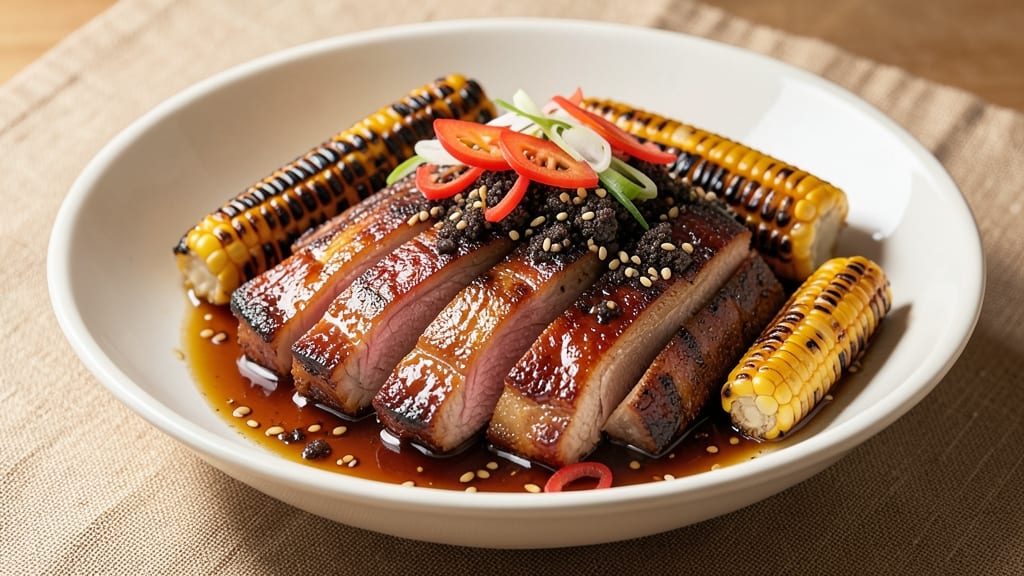
This Chinese BBQ pork sauce recipe delivers restaurant-quality umami depth in just 30 minutes, transforming simple stir-fries into flavor-packed masterpieces. The secret lies in balancing sweet soy, tangy vinegar, and aromatic spices—simmered until thick and glossy.
I developed this version after years of testing, ensuring every spoonful delivers that perfect harmony of savory, sweet, and slightly smoky notes.
The sauce's versatility makes it a kitchen essential: glaze roasted pork, toss with noodles, or use as a dipping sauce for dumplings. What sets this apart is the two-stage reduction—first building flavor, then concentrating it into a sticky, caramelized glaze that clings beautifully.
No special equipment needed, just patience and a few pantry staples.
By the time you're done, you'll have a deep amber sauce with layers of complexity—sweet from honey, salty from soy, and umami from fermented bean paste.
The aroma alone will have everyone gathering around the table. This isn't just a sauce; it's the flavor bridge between simple ingredients and extraordinary dishes.
Perfect for meal prep or last-minute dinners, this sauce keeps well in the fridge for up to 2 weeks, intensifying in flavor over time. Whether you're a home cook or seasoned chef, this recipe will elevate your cooking—no question about it.
Ingredients for chinese bbq pork sauce
Nine essential ingredients transform into a restaurant-quality glaze that elevates stir-fries and roasted pork.
| Ingredient | Amount | Notes |
|---|---|---|
| Light Soy Sauce 🍶 | ½ cup | Kikkoman preferred for balance |
| Dark Soy Sauce 🍶 | ¼ cup | For deeper umami richness |
| Honey 🍯 | ⅓ cup | Wildflower for floral notes |
| Rice Vinegar 🍶 | ¼ cup | Seasoned variety for tang |
| Sesame Oil 🌰 | 1 tbsp | Toasted for nutty aroma |
| Fermented Black Bean Paste 🫘 | 2 tbsp | Or substitute 1 tbsp hoisin |
| Garlic Cloves 🧄 | 4 cloves | Minced for aromatic base |
| Fresh Ginger 🌿 | 1 tbsp | Finely grated, organic preferred |
| Red Chili Flakes 🌶️ | 1 tsp | Adjust for heat preference |
| Cornstarch 🌾 | 1 tbsp | For thickening consistency |
The soy sauces are non-negotiable here—Kikkoman light and Lee Kum Kee dark give that authentic balance. I always grab both at Asian markets since they carry fresher stock than regular grocery stores. For the honey, Manuka or wildflower adds subtle floral notes that complement the soy perfectly. The fermented black bean paste? Look for the chunky kind—it's what gives that authentic umami depth. If you can't find it, hoisin sauce works in a pinch, though it's slightly sweeter. Fresh ginger matters too—organic from the store's produce section has more zing than conventional.
No black bean paste? Hoisin plus 1 tsp soy sauce gets you close. Running out of rice vinegar? Apple cider vinegar at half the amount works, though it'll be slightly less tangy. The sesame oil is where you can splurge—toasted sesame oil from Trader Joe's has the best nutty aroma. For garlic, freshly minced is ideal, but jarred minced garlic (the good stuff, not the pre-shredded kind) saves time. The cornstarch is just for thickening—arrowroot powder works too if you've got it, but cornstarch is more reliable for that glossy finish.
This sauce only gets better with time—2 weeks in the fridge, it develops deeper flavors. I always make double batches and freeze half in ice cube trays for quick portions. The caramelized glaze thickens as it cools, so stir before using. If it gets too thick, just add a splash of hot water. For extra richness, add 1 tsp toasted sesame seeds before drizzling. Keeps for 3 months in the freezer if properly sealed.
Why You'll Love This Recipe
- I’ll be real: this sauce uses ingredients you already own. Light and dark soy, a drizzle of honey, a splash of vinegar—no specialty shopping. The sesame oil adds that wow factor for pennies.
- Pantry Magic: I’ll be real: this sauce uses ingredients you already own. Light and dark soy, a drizzle of honey, a splash of vinegar—no specialty shopping. The sesame oil adds that wow factor for pennies.
- Sweet-Savory Balance: That honey and vinegar combo? It’s the secret weapon. The soy gives depth, the honey rounds it out, and the sesame oil ties it all together with a nutty finish. One taste and you’ll understand why it’s my go-to for anything pork.
- Double Duty Sauce: Slather it on ribs, toss it with noodles, or drizzle it over dumplings—this stuff works everywhere. Honestly, I’ve even used it as a marinade for chicken when I’m lazy. Versatile enough to handle weeknights or a dinner party.
Step-by-step instructions for Chinese BBQ pork sauce
This umami-rich glaze comes together in minutes with simple techniques that maximize flavor.
Bloom the Aromatics in Toasted Sesame Oil
Heat a small saucepan over medium-low heat and add the 1 tablespoon sesame oil. Let it warm for 30 seconds until fragrant—you'll smell that nutty, toasted aroma develop. This is your flavor foundation, so don't rush it. Add the 4 minced garlic cloves and 1 tablespoon finely grated fresh ginger and cook for 1 minute until the garlic turns golden and fragrant.
Here's the thing—if you burn the garlic, you'll get bitter flavors. Keep the heat gentle and stir constantly. Once the garlic is golden and the ginger has softened slightly, remove the pan from heat temporarily. We'll return to it in the next step, but first, let's prepare the remaining ingredients.
Combine Wet Ingredients for Flavor Balance
In a measuring cup or small bowl, whisk together the 0.5 cup light soy sauce, 0.25 cup dark soy sauce, 0.33 cup honey, and 0.25 cup rice vinegar. The dark soy sauce will give you that signature deep color, while the light soy sauce provides the salty backbone. The honey adds sweetness that balances the acidity from the rice vinegar.
I like to taste this mixture at this stage—it should be tangy, slightly sweet, and salty. If it's too acidic, add a pinch more honey. If it's too sweet, add a splash of rice vinegar. This is your flavor baseline, so get it right now. Return the pan of aromatics to medium heat and pour in the wet ingredient mixture.
Simmer and Thicken the Sauce
Bring the sauce to a gentle simmer over medium heat and let it cook for 5 minutes, stirring occasionally. You'll see the sauce reduce slightly and the aromas deepen. After 5 minutes, stir in the 2 tablespoons fermented black bean paste and 1 teaspoon red chili flakes. The black bean paste adds a funky umami depth that's essential for authentic flavor, while the chili flakes give it that signature heat.
Simmer for another 3 minutes until the sauce thickens slightly and coats the back of a spoon. This is where the sauce transforms from a simple mixture into a rich, glossy glaze. If you're using it immediately, you can proceed to the next step. But if you plan to store it, let it cool completely before transferring to an airtight container.
Finish with Cornstarch for Perfect Consistency
In a small bowl, whisk together the 1 tablespoon cornstarch with 2 tablespoons cold water until smooth. This slurry is your thickening agent, and it needs to be smooth to avoid lumps in your sauce. Return the sauce to medium heat and slowly pour in the cornstarch mixture while stirring constantly.
Let the sauce simmer for 1-2 minutes until it reaches your desired consistency—it should coat the back of a spoon but still be pourable. If it thickens too quickly, add a splash of water or rice vinegar to adjust. The sauce should be glossy, thick enough to cling to pork or vegetables, but still flow smoothly. Taste and adjust seasoning with a pinch of salt or a dash of soy sauce if needed.
Rest and Use for Maximum Flavor
Remove the sauce from heat and let it cool for 10 minutes. This resting period allows the flavors to meld and the sauce to thicken further as it cools. The sauce will be ready to use immediately, but if you let it sit for 30 minutes or even overnight in the refrigerator, the flavors will deepen even more.
When you're ready to use it, gently reheat the sauce over low heat until warmed through. This glaze is incredibly versatile—drizzle it over stir-fried pork, use it as a marinade, or serve it as a dipping sauce. The balance of sweet, salty, tangy, and umami flavors makes it perfect for any dish that needs that classic Chinese BBQ pork taste.
Pro Tips For Making Chinese Bbq Pork Sauce
- Simmer Low and Slow: If you’re rushing the sauce, you’ll end up with a sticky mess instead of a glossy glaze. After combining soy sauces, honey, and vinegar, reduce heat to medium-low—I learned this the hard way when my first batch turned into syrup. Let it bubble gently for 10-15 minutes, stirring occasionally, until it thickens enough to coat the back of a spoon.
- Balance the Soy Sauces: Dark soy sauce adds color, but too much makes the sauce bitter. Use a 3:1 ratio of light to dark—start with 3 tablespoons light, 1 tablespoon dark—and taste as you go. If it’s too sharp, a splash of honey or a pinch of sugar will smooth it out.
- Add Vinegar Last: Rice vinegar brightens the sauce, but adding it too early can make the honey curdle. Wait until the soy-honey mix has reduced by half before stirring in the vinegar—this keeps the flavors sharp without turning the sauce sour.
- Toast the Sesame Oil: Skip the raw drizzle—heat the sesame oil in a separate pan over low heat until it shimmers (about 30 seconds). Pour it into the sauce just before serving to wake up its nutty aroma. Cold oil just sits there like a flavorless afterthought.
Health benefits of chinese bbq pork sauce
Umami-Rich Flavor Profile
This sauce delivers a powerhouse of umami from the combination of fermented black bean paste and dark soy sauce, which work together to create that signature savory depth. The light soy sauce adds saltiness, while the honey and rice vinegar balance with sweetness and tang.
This flavor profile isn't just delicious—it's packed with compounds that make your taste buds dance. 💫
Digestive Benefits
The rice vinegar in this sauce contains acetic acid, which aids digestion by stimulating stomach acid production. The ginger adds anti-inflammatory properties, helping soothe the digestive tract.
Plus, the garlic provides allicin, a compound known to support gut health. It’s one of those sauces where every ingredient works for both flavor and function.
Natural Sweetness Boost
Instead of refined sugar, this recipe uses honey for natural sweetness, which contains trace amounts of vitamins and antioxidants. The wildflower variety adds subtle floral notes while providing mineral-rich benefits.
Even better, honey has a lower glycemic index than white sugar, making this sauce a slightly healthier option for those watching blood sugar levels.
Antioxidant Powerhouse
The sesame oil and red chili flakes contribute antioxidants that combat oxidative stress in the body. Sesame oil is rich in vitamin E, while chili peppers contain capsaicin, which may help boost metabolism.
Together, they create a sauce that’s not just flavorful but also beneficial for overall health. The fermented black bean paste also adds probiotic benefits, supporting gut microbiome balance.
Low-Calorie Versatility
Despite its rich taste, this sauce is surprisingly low in calories compared to many commercial BBQ sauces. A 2-tablespoon serving contains roughly 30-40 calories, making it ideal for drizzling over lean proteins or vegetables.
The cornstarch thickening ensures it clings beautifully without adding excess fat or sugar. It’s the perfect way to add bold flavor without derailing your dietary goals.
Nutrition facts
Frequently asked questions
Can I make this sauce without fermented black bean paste?
Swap the 2 tablespoons fermented black bean paste for 1 tablespoon hoisin sauce plus 1 teaspoon soy sauce to maintain umami depth. For extra funk, add 1 teaspoon miso paste—it’ll give that same savory complexity without the texture change.
How do I adjust the sweetness level for kids or diabetic diets?
Reduce honey to 0.25 cup and add 1 extra tablespoon rice vinegar for tang. For diabetic-friendly versions, use sugar-free honey substitute (like monk fruit syrup) or 1 tablespoon erythritol instead. Always taste as you go—sauce flavors intensify when cooled!
What's the best way to store leftover sauce?
Transfer cooled sauce to an airtight container and refrigerate for up to 2 weeks. For longer storage, freeze in ice cube trays—thaw overnight in the fridge before using. Pro tip: The sauce thickens when chilled, so stir before reheating with a splash of water if needed.
Can I use this sauce as a marinade for chicken?
Yes! Thin with 2 tablespoons water and marinate chicken for 30-60 minutes (no longer—vinegar can make meat mushy). For extra flavor, add 1 teaspoon grated ginger and 1 minced garlic clove directly to the marinade. Grill or pan-sear for best results!
Why did my sauce turn too thick?
Most likely, the cornstarch over-thickened it. Thin with 1 teaspoon hot water at a time while stirring. If it's still too thick, add 1 teaspoon rice vinegar to balance. For future batches, reduce cornstarch to 0.5 tablespoons if you prefer a looser consistency.