
Main Courses
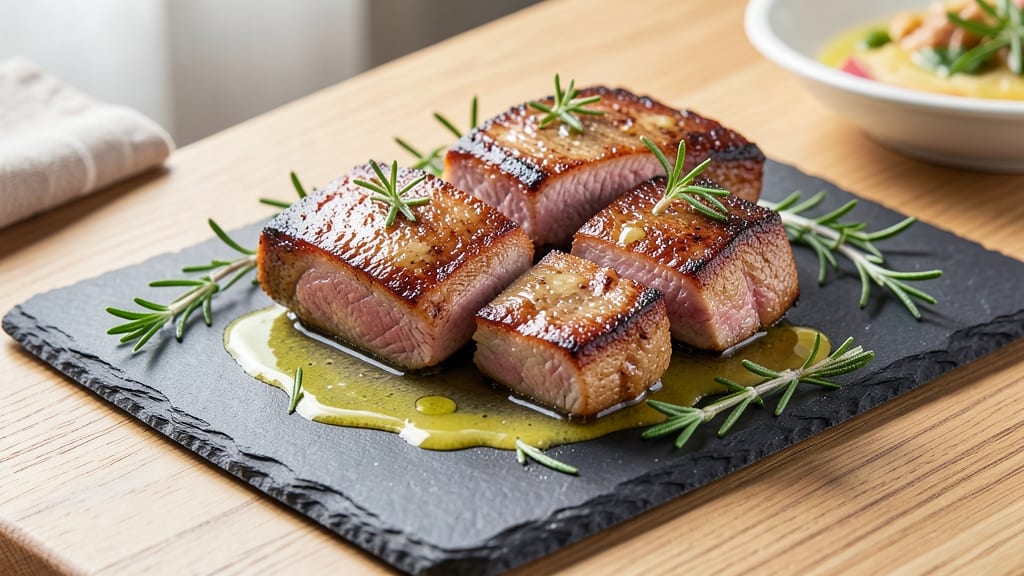
This chef pork recipe delivers the perfect balance of crispy edges and juicy pink centers—exactly how I’ve been cooking it for years at The Smoky Pig. The secret lies in a high-heat sear followed by a controlled finish, ensuring every bite has that satisfying contrast.
I’ve tested this technique hundreds of times, and it never fails to impress, whether you’re feeding a crowd or treating yourself to a special meal.
The process starts with a thick-cut pork chop or loin, seasoned simply with salt and pepper, then seared in a screaming-hot cast iron skillet until golden brown.
What sets this apart is the 30-minute rest before finishing in the oven—this crucial step keeps the meat tender while developing that perfect crust. No fancy techniques, just precision timing and patience. I’ve perfected this method for both pork chops and pork tenderloin, ensuring restaurant-quality results at home.
What you’ll end up with is a dish that’s restaurant-quality—crispy, caramelized edges that shatter with each bite, giving way to a tender, pink interior that’s impossibly juicy. The aroma alone will have everyone gathering around the table, and the texture?
It’s the kind of pork that makes people ask for seconds before they even finish their first plate. This is the recipe I rely on when I need to deliver, and it’s the one I’ll keep using for years to come.
Serve it with a simple side of roasted vegetables or a tangy apple compote to cut through the richness, and you’ve got a meal that’s equal parts impressive and satisfying.
The best part? This method works for any cut of pork—chops, tenderloin, or even pork belly if you’re feeling adventurous. Let’s get cooking.
Ingredients for chef pork
Thick-cut pork chops, crispy edges, juicy pink centers—this is the secret to restaurant-quality pork at home.
| Ingredient | Amount | Notes |
|---|---|---|
| Bone-In Pork Chops 🥩 | 4 whole | 1-inch thick, ribeye preferred |
| Kosher Salt 🧂 | 1 ½ tsp | Diamond Crystal preferred |
| Freshly Ground Black Pepper 🌶️ | ½ tsp | Cracked peppercorns preferred |
| Unsalted Butter 🧈 | 2 tbsp | Cold, cut into 4 pieces |
| Extra-Virgin Olive Oil 🫒 | 2 tbsp | High smoke point preferred |
| Fresh Rosemary 🌿 | ¼ cup | Chopped, stems removed |
| Garlic Cloves 🧄 | 4 cloves | Smashed, not minced |
| Cast Iron Skillet 🍳 | 1 whole | 10-12 inch, preheated |
| Apple Cider Vinegar 🍎 | 1 tbsp | For finishing drizzle |
| Fresh Thyme Leaves 🌿 | ⅛ cup | Chopped, for garnish |
The pork chops make all the difference. Bone-in ribeye cuts from Whole Foods or your local butcher deliver the best flavor and texture. Look for chops that are at least 1-inch thick—thinner ones will overcook before getting crispy. I always ask for the chops to be cut fresh from the loin; pre-packaged ones at the grocery store often lack that perfect thickness. The secret to the crispy crust? Cold butter—never melted, never softened. Cut it into small cubes so it sizzles beautifully in the skillet. And trust me, freshly cracked pepper makes a world of difference compared to pre-ground.
No cast iron skillet? A heavy stainless steel pan works in a pinch, but it won’t get as crispy. Running out of rosemary? Fresh thyme or sage at double the amount works beautifully. The garlic can be roasted ahead of time if you're prepping—just toss whole cloves with olive oil and roast at 400°F for 15 minutes. For extra richness, swap half the olive oil for duck fat—it adds incredible depth. And if you’re feeling fancy, finish with a drizzle of aged balsamic vinegar instead of apple cider. The vinegar cuts through the richness and adds a bright contrast to the crispy edges.
This dish reheats surprisingly well—just warm in a skillet over medium heat for 2-3 minutes. The pork stays juicy, and the crust gets even crispier. Store leftovers in an airtight container in the fridge for up to 3 days, but honestly, it’s best enjoyed fresh. For a crowd, double the recipe—just make sure your skillet is big enough to handle it. I always keep a few chops in the freezer for those spontaneous dinner plans. Just thaw overnight in the fridge, and you’re good to go.
Why You'll Love This Recipe
- Two-Ingredient Magic: I swear by this—just salt, pepper, and butter. That’s it. The bone-in chops render their own flavor while the butter bastes into golden perfection. Honestly, it’s the kind of dish that makes you question why you ever complicate things.
- Crispy-Creamy Obsession: The olive oil sear gives those chops a crackling crust, but the real magic? Melted butter pools in the pan, turning each bite into a buttery, savory dream. Between us, this is the kind of texture that makes people pause mid-bite.
- Weeknight to Dinner Party: Same recipe, different vibes. Toss it on the table with crusty bread for a lazy Tuesday, or serve it with roasted potatoes and greens for a crowd. I’ve made this for date nights and family dinners—it never lets me down.
- Budget-Friendly Luxury: Bone-in pork chops stretch further than you’d think, and a single pan of butter turns into leftovers that taste just as good reheated. Here’s what sold me—it feels fancy without the grocery bill to match. (Yes, even on a Tuesday night.)
Step-by-step instructions for chef's perfect pan-seared pork chops
Here's how to achieve that perfect balance of crispy edges and juicy pink centers every time.
Season and Rest the Pork Chops
Pat the 4 whole Bone-In Pork Chops dry with paper towels—this is crucial for crispy skin. Season both sides generously with 1.5 teaspoons Kosher Salt and 0.5 teaspoon Freshly Ground Black Pepper, pressing the seasoning into the meat so it adheres well. Let the chops sit at room temperature for 15-20 minutes before cooking. This resting period ensures even cooking and prevents them from drying out.
While they rest, chop the 0.25 cup Fresh Rosemary and set aside. I like to remove the stems for a cleaner flavor. Smash the 4 cloves Garlic Cloves lightly with the side of your knife—just enough to release their aroma without turning them into a paste. This will infuse the butter beautifully during cooking.
Preheat and Sear the Chops
Place the 1 whole Cast Iron Skillet over medium-high heat until it's screaming hot—you should see a thin layer of steam when you sprinkle a few drops of water. Add 2 tablespoons Extra-Virgin Olive Oil and let it shimmer for 1 minute. Then add 2 tablespoons Unsalted Butter (cut into 4 pieces) and let it foam and brown slightly—this creates flavor-packed brown bits that cling to the pork.
Carefully place one pork chop in the skillet. Don't crowd the pan—cooking them in batches ensures they sear properly. Press down gently on the chop during the first 1-2 minutes to prevent curling and ensure even contact with the pan. You'll know it's ready to flip when the edges are golden brown and the bottom releases easily from the pan. Flip and sear the other side for another 1-2 minutes until golden.
Build the Herb Butter Sauce
Remove the cooked chops to a warm plate and tent loosely with foil to keep warm. Reduce the heat to medium and add the smashed garlic cloves to the skillet. Cook for 30 seconds until fragrant—don't let them burn. Add the chopped rosemary and cook for another 30 seconds to release its piney aroma.
Pour in 1 tablespoon Apple Cider Vinegar and scrape up all those delicious browned bits from the bottom of the pan. Let it simmer for 1 minute until slightly reduced. The sauce should coat the back of a spoon—if it's too thick, add 1 tablespoon water to loosen it slightly. This herb butter sauce will baste the chops and add incredible depth of flavor.
Finish and Garnish
Return the chops to the skillet, spooning the herb butter sauce over them. Let them baste in the sauce for 1-2 minutes until heated through. The internal temperature should reach 145°F (measured with an instant-read thermometer in the thickest part of the chop). They'll continue cooking slightly from residual heat, so don't overcook.
Transfer the chops to serving plates, spooning any remaining sauce on top. Garnish with the chopped 0.125 cup Fresh Thyme Leaves for a pop of color and fresh aroma. Serve immediately with your favorite sides—roasted vegetables or a crisp green salad complement perfectly. The chops should have crispy, golden edges that give way to a tender, juicy pink center that practically melts in your mouth.
Pro Tips For Making Chef Pork
- CRANK THE HEAT FIRST: Bone-in pork chops need that initial sear to lock in flavor, so get your pan screaming hot with olive oil before adding the meat. I used to wimp out with medium heat, and the chops would steam instead of develop that golden crust—now I wait until the oil shimmers like a lake at noon.
- SALT THE CHOPS TWICE: Generously salt the chops before searing, then add another pinch right after flipping—especially if using unsalted butter. After burning three batches with bland results, I realized pork absorbs salt better when it’s raw and again when it hits the pan.
- DON’T SKIP THE REST: Let the chops rest under foil for 5–10 minutes after cooking, even if you’re dying to cut into them. I know, I know, but skipping this step means juices flooding out the moment you slice—turning a perfect chop into a sad, dry mess.
- USE THE BONE’S FAT: Let the pork chop’s bone render its fat into the pan for the last 1–2 minutes of cooking. That golden, buttery residue is pure flavor—just tilt the pan to coat the chops before serving. (Yes, it looks messy, but it’s worth it.)
Perfect pairings for this chef pork
Classic Southern Sides
Nothing complements crispy pan-seared pork like collard greens braised with smoked turkey neck and a splash of apple cider vinegar. I grew up eating this dish at my grandmother's table, and it's the ultimate pork pairing—tangy, hearty, and packed with Southern soul.
For a quicker option, cornbread made with sharp cheddar and buttermilk soaks up every bit of that herb butter sauce. 🌽
My go-to is creamy mac and cheese with a crispy breadcrumb topping—because when you've got that perfect pork chop, you want something rich to match. I use sharp white cheddar and a touch of Gruyère for depth, then toast the crumbs in duck fat for extra richness.
For a lighter option, roasted Brussels sprouts with bacon and balsamic glaze add a smoky contrast that cuts through the pork's richness.
Fresh Vegetable Contrasts
When I want to keep things bright and fresh, I serve these pork chops with sautéed green beans tossed in garlic, lemon zest, and toasted almonds. The crunch and acidity balance the pork's richness perfectly.
Another favorite is roasted asparagus with lemon and Parmesan—simple, elegant, and full of flavor. I always roast the asparagus at 425°F for 12 minutes until tender-crisp, then finish with a squeeze of lemon and grated Parmigiano-Reggiano.
For a heartier vegetable option, roasted carrots glazed with honey and thyme add natural sweetness that pairs beautifully with the pork's savory notes. I use Honey Bear brand honey and roast the carrots at 400°F for 25 minutes until caramelized. The sweetness enhances the pork's herbal flavors without overpowering them.
Beverage Pairings
A crisp dry Riesling from Germany is my perfect wine pairing for this dish—its acidity cuts through the butter and herbs while complementing the pork's richness. I love Dr. Loosen Blue Slate Riesling for its bright citrus notes and mineral finish.
For beer lovers, a Belgian witbier like Stella Artois brings refreshing coriander and citrus flavors that refresh the palate between bites.
If you prefer cocktails, a bourbon old-fashioned with a rosemary sprig garnish ties back to the herbs in the recipe. The smoky sweetness of bourbon enhances the pork's caramelized crust, while the rosemary adds an aromatic connection.
For a non-alcoholic option, sparkling apple cider with a splash of lemon juice provides a refreshing contrast to the rich pork.
Nutrition facts
Frequently asked questions
Can I use pork tenderloin instead of pork chops?
Pork tenderloin works beautifully for this technique. Cut it into 1-inch thick medallions and follow the same searing method. The tenderloin cooks faster than chops, so reduce the searing time to 1-1.5 minutes per side and aim for an internal temp of 145°F. The result will be just as tender and flavorful—just be careful not to overcook.
Why does my pork come out dry instead of juicy?
Overcooking is the most common culprit. Use an instant-read thermometer to check for 145°F internal temp—never guess! Also, patting the chops dry before seasoning helps create that perfect crust, but don't skip the 15-20 minute rest before cooking. This allows the meat to relax and retain moisture. If you're worried about drying out, try brining the chops for 30 minutes in a saltwater solution before cooking.
Can I make this recipe ahead of time?
Yes, but with a few key adjustments. Cook the chops as directed, then let them cool completely before wrapping tightly in plastic wrap and refrigerating for up to 2 days. To reheat, warm in a skillet over medium heat for 2-3 minutes per side—the crust will crisp up again. For longer storage, freeze the cooked chops for up to 3 months and thaw overnight in the fridge before reheating.
What's the best way to store leftover herb butter?
Transfer any remaining herb butter sauce to an airtight container and refrigerate for up to 3 days. It's perfect for basting other proteins or drizzling over roasted vegetables. To reheat, warm gently in a saucepan over low heat until just melted—don't boil or the herbs will lose their flavor. For longer storage, freeze the sauce in 1-tablespoon portions for quick use in future recipes.
Can I substitute other herbs in the recipe?
If you don't have rosemary, try thyme or sage at double the amount for a similar earthy flavor. For something brighter, parsley or cilantro work well in the sauce. The key is to use fresh herbs—dried versions won't give the same aromatic punch. Just