
Main Courses
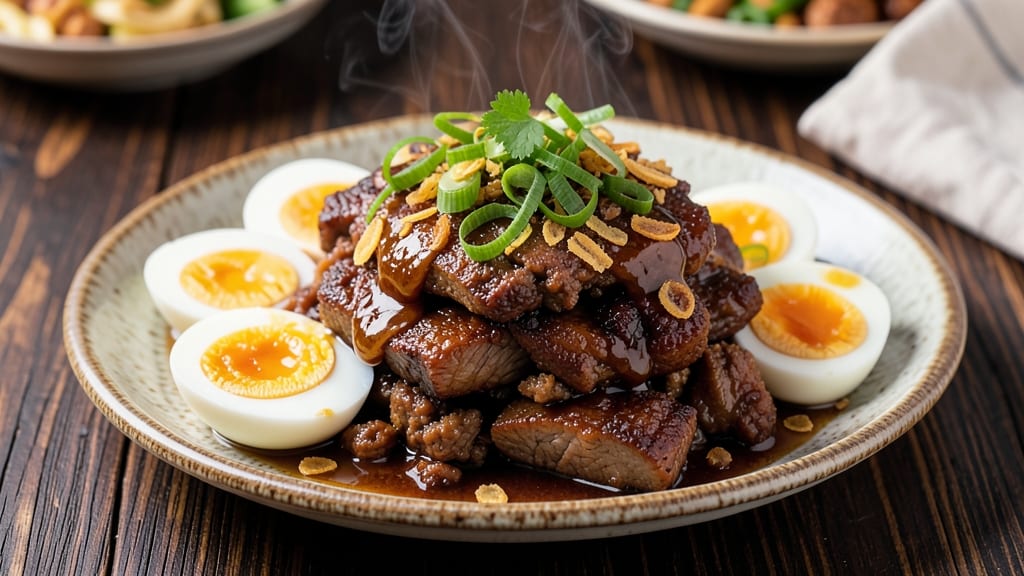
This one-pot Bicol Express ground pork recipe brings the bold, tangy-spicy flavors of the Philippines straight to your kitchen. 🌟 The magic happens when crispy pork meets a perfect balance of tamarind, soy sauce, and coconut milk—creating a dish so flavorful it’ll have you reaching for seconds.
I first tasted this in a bustling Manila street food stall, and it’s been my go-to pork recipe ever since, especially when I want something quick but packed with restaurant-quality depth.
The beauty of this recipe lies in its simplicity: just one pot, minimal prep, and a crispy texture that comes from searing the pork before simmering it in the sauce.
The tamarind paste gives it that signature tangy kick, while the coconut milk adds richness that rounds out the heat. It’s the kind of dish that tastes even better the next day, as the flavors meld into something truly special—perfect for feeding a crowd or meal prepping for the week.
What makes Bicol Express stand out is its bold, layered flavors—sweet, spicy, tangy, and umami all in one bite. The pork stays juicy and tender while developing a crispy exterior, and the sauce thickens just enough to coat every piece perfectly.
This isn’t just another pork dish; it’s a celebration of Filipino comfort food that’s easy to make but impossible to forget.
Serve it over steamed rice to soak up every last drop of that crispy, saucy goodness, or pair it with a simple green salad to balance the richness.
Whether you’re cooking for family or craving a taste of the Philippines, this recipe delivers big flavor with minimal effort. Let’s get cooking!
Ingredients for bicol express ground pork
One-pot magic with bold Filipino flavors—crispy pork, tangy tamarind, and rich coconut milk.
| Ingredient | Amount | Notes |
|---|---|---|
| Ground Pork 🐷 | 1 ½ lb | 80/20 fat ratio preferred |
| Tamarind Paste 🍯 | ½ cup | Unsweetened, block or jarred |
| Coconut Milk 🥥 | 1 can | Full-fat, 13.5 oz can |
| Soy Sauce 🍶 | ½ cup | Light or regular, not low-sodium |
| Garlic Cloves 🧄 | 6 cloves | Minced, fresh preferred |
| Onion 🧅 | 1 whole | Yellow or white, diced |
| Tomato Paste 🍅 | 2 tbsp | Smooth, no sugar added |
| Brown Sugar 🍚 | 2 tbsp | Packed, light or dark |
| Black Peppercorns 🌶️ | 1 tsp | Freshly ground preferred |
| Bay Leaves 🌿 | 2 whole | Dried, crumbled |
| Olive Oil 🫒 | 2 tbsp | Extra-virgin for searing |
| Salt 🧂 | 1 tsp | Kosher or sea salt |
| Green Onions 🧅 | 4 whole | Sliced, for garnish |
| Steamed White Rice 🍚 | 2 cups | Cooked, for serving |
The ground pork is the star here, so grab the 80/20 fat ratio—it crisps up perfectly and stays juicy. Look for it in the meat section, usually near the deli counter. Trader Joe's and Costco sell pre-packaged ground pork that works great, but if you're buying whole pork shoulder, ask the butcher to grind it fresh. Tamarind paste can be tricky to find—Asian markets usually have it in blocks, or grab a jarred version at Filipino grocery stores. If you can't find tamarind, lime juice plus a pinch of sugar is a decent swap, though it won't be identical.
No tamarind? Lime juice plus 1 tsp sugar gets you close, but the tang won't be quite the same. The coconut milk should be full-fat—Thai Kitchen brand is my go-to, but any canned coconut milk works. For the garlic, I always use fresh—about 6 cloves gives you that bold flavor without overpowering. The brown sugar here is key: don't skip it, even if you're watching sugar. It balances the tangy tamarind beautifully. And if you're short on green onions, cilantro or chives work in a pinch for garnish, though they won't be the same.
This reheats like a dream—actually tastes better the next day as the flavors meld. Keeps in the fridge for 4-5 days or freezes for 3 months. I like to double the batch and portion it into containers for easy lunches. The rice should be steamed separately—jasmine rice is ideal, but any long-grain works. And if you've got leftover sauce, freeze it in ice cube trays for quick future meals. Trust me, you'll want seconds.
Why You'll Love This Recipe
- One-Pot Magic: I swear by this recipe when I’m too tired to wash dishes—just brown the pork, toss in the tamarind and garlic, then let the coconut milk do its thing. No extra pans, no fuss.
- Tamarind Tang Kick: That tamarind paste? It’s the secret weapon—sour, sweet, and just salty enough to make your taste buds sit up. The pork soaks it up like a sponge, and the coconut milk balances it into pure satisfaction.
- Lunchbox Hero: Between us, this is my go-to for meal prep. The flavors only get better the next day, and it reheats like a dream—pack it cold or microwave it hot, no one will guess it’s leftovers.
- Budget Stretch: Ground pork and coconut milk? Affordable, but feels like a splurge. A single batch feeds my family for two nights, and the tamarind paste lasts forever. My wallet and my taste buds win.
Step-by-step instructions for Bicol Express ground pork
This one-pot wonder delivers crispy pork with a tangy, sweet-savory sauce—easy and irresistible.
🔥 Step 1: Sear the Ground Pork Until Crispy
Heat the 2 tablespoons olive oil in a large, deep skillet or Dutch oven over medium-high heat until shimmering. Add the 1.5 lb ground pork, breaking it up with a wooden spoon as it cooks. Let it sear undisturbed for 3-4 minutes until the pork loses its raw color and starts to crisp at the edges.
Here's the thing—don't stir constantly. Let those pork bits brown and crisp first; this builds deep flavor. Once the pork is mostly browned and crispy in spots, add the 6 cloves minced garlic cloves and cook for 30 seconds until fragrant. The garlic should sizzle but not burn—watch it like a hawk.
🍳 Step 2: Build the Tangy-Sweet Sauce Base
Lower the heat to medium and add the 0.5 cup tamarind paste, stirring until it melts into the pork. You'll notice the sauce thicken slightly as the tamarind dissolves—this is when the magic starts. Pour in the 1 can coconut milk and 0.5 cup soy sauce, stirring to combine. Add the 2 tablespoons tomato paste and 2 tablespoons brown sugar, mixing until smooth.
Sprinkle in the 1 teaspoon salt and 1 teaspoon black peppercorns, then crumble the 2 whole bay leaves into the pot. Bring everything to a gentle simmer, then reduce heat to low. Let it cook uncovered for 10-12 minutes, stirring occasionally, until the sauce thickens slightly and the flavors meld together. You're aiming for a glossy, syrupy consistency—like a thick, aromatic gravy.
🥘 Step 3: Simmer for Deep Flavor Development
Cover the skillet and let it simmer gently for 20-25 minutes, stirring every 5 minutes to prevent sticking. The pork needs time to absorb all those beautiful flavors—this is where the dish transforms from good to spectacular. If the sauce starts to look too thin, uncover and simmer for another 5 minutes to reduce it.
Here's where patience pays off: the longer you simmer, the deeper the tamarind's tangy notes and the coconut's creaminess become. You'll know it's ready when the pork is tender, the sauce clings to it like a glossy coat, and the aroma is irresistible. Taste and adjust seasoning if needed—you might want to add a splash more soy sauce for saltiness or a touch of brown sugar for sweetness.
🍽️ Step 4: Serve Over Steamed Rice
Remove the bay leaves and discard them. Stir in the 4 whole sliced green onions, letting them wilt slightly in the hot sauce. Ladle the Bicol Express over 2 cups steamed white rice, spooning generous amounts of the pork and sauce over each serving. The rice acts like a sponge, soaking up all that delicious, tangy-sweet sauce.
Garnish with extra green onions if you like, but trust me—the sauce is already packed with flavor. Serve immediately while the pork is still crispy and the sauce is hot. This dish tastes even better the next day, but it's hard to resist eating it fresh off the stove! The contrast of the crispy pork with the soft, starchy rice is pure comfort food heaven.
Pro Tips For Making Bicol Express Ground Pork
- BROWN THE GARLIC FIRST: Don’t just toss minced garlic into the pan—sauté it in oil until it’s golden (not burnt) before adding the pork. I learned this the hard way: raw garlic makes the whole dish taste bitter, and you’ll regret skipping this step when the tamarind’s tang can’t cut through it.
- DILUTE THE TAMARIND: Tamarind paste is thick and stubborn. Mix it with 2 tablespoons of warm water before adding it to the pan—this ensures it dissolves smoothly and blends evenly with the coconut milk. Trust me, scraping clumps off the bottom later is a nightmare.
- LOW AND SLOW FOR COCONUT: Once the coconut milk hits the pan, drop the heat to medium-low and let it simmer uncovered. Rushing this step turns the sauce grainy, and no one wants curdled coconut in their bicol. Give it 8-10 minutes to thicken naturally—patience here makes all the difference.
- SALT THE PORK TWICE: Season the ground pork before cooking, then add another pinch of soy sauce (about ½ teaspoon) after the tamarind and coconut milk have melded. The first salt seasons the meat, while the second balances the tangy-sweet sauce—like a two-act play for flavor.
Regional styles of this dish
Filipino Bicol Style
This is the dish that put Bicol Express on the map—hailing from the Bicol region in the Philippines, where tamarind is king. The original version uses whole pork belly instead of ground pork, but I adapted it for home cooks using 80/20 ground pork to keep it crispy and tender.
In the Philippines, they often add shrimp paste (bagoong) for umami depth, but I've simplified it here while keeping that signature tangy-sweet balance. The dish is traditionally served with steamed rice and atchara (pickled papaya), but I've made it even more approachable for American kitchens. 🌶️
Manila Street Food Version
If you've ever eaten at a bustling Manila street food stall, you know this dish is all about bold flavors in every bite. The street food version often includes hard-boiled eggs mixed into the pork for extra richness, and sometimes even crispy fried shallots> sprinkled on top.
For a true Manila twist, add 1 hard-boiled egg, sliced into quarters, to the simmering pork during the last 5 minutes> of cooking. The egg soaks up all that delicious sauce and adds a creamy texture that's pure comfort food magic.
I like to serve it with a side of sour tamarind slices> to cut through the richness.
Visayan Adaptation
The Visayan region takes Bicol Express in a slightly sweeter direction, often adding banana ketchup> (a Filipino condiment) to the sauce. For this version, stir in 2 tablespoons banana ketchup> during the final 5 minutes> of simmering.
The ketchup adds a fruity sweetness that balances the tamarind's tang perfectly. Visayan cooks also sometimes include diced ripe bananas> in the sauce for natural sweetness—about ½ cup diced banana> added during the last 10 minutes> of cooking.
This variation is especially popular during family gatherings and festivals.
Modern Fusion Twist
For a modern take, I love adding gochujang (Korean chili paste)> to the sauce—just 1 tablespoon> mixed with the tamarind paste at the beginning. This fusion version brings a deeper, smokier heat that pairs beautifully with the coconut milk.
Another fun twist is to finish with toasted coconut flakes> instead of green onions—sprinkle 2 tablespoons> on top right before serving. The nutty crunch contrasts perfectly with the crispy pork and creamy sauce.
This version works especially well as a filling for steamed buns> or over cauliflower rice> for a lighter option.
Cebuano-Style Variations
In Cebu, they often add lechon kawali (crispy pork belly)> to the dish for extra texture. For a Cebuano-inspired version, start with ½ lb ground pork> and ½ lb diced lechon kawali> (or regular pork belly).
The lechon kawali adds a luxurious crunch that elevates the dish to restaurant-quality. Cebuano cooks also sometimes include saba bananas (cardaba bananas)>—about 2 diced bananas> added during the last 10 minutes> of cooking.
These bananas caramelize beautifully in the sauce, adding natural sweetness and a silky texture that's hard to resist.
Nutrition facts
Frequently asked questions
Can I substitute ground pork with another meat?
For a chicken version, use 1.5 lb ground chicken (thighs work best for juiciness). For beef, ground chuck gives great flavor, though it may need an extra 5 minutes of simmering. Just remember: pork's fat ratio (80/20) is ideal for crispiness, so leaner meats might need a little more oil when searing.
Why does my sauce turn too thin?
This usually happens when simmering uncovered or with too much liquid. To fix it, uncover the pot and simmer for 5-10 minutes longer—this reduces the sauce naturally. If it's still too thin, mix 1 tablespoon cornstarch with 1 tablespoon water, stir it in, and cook for 2 more minutes until thickened. The sauce should coat the back of a spoon.
How can I make this dish spicier?
Add 1-2 teaspoons of chili flakes or ½ teaspoon cayenne pepper when building the sauce base. For extra heat, stir in 1 tablespoon of sriracha during the final 5 minutes of simmering. If you love heat, try 1 teaspoon of ground black pepper instead of regular peppercorns—it adds a deeper, spicier kick.
Can I make this in an Instant Pot?
Yes! Sear the pork in a skillet first, then transfer to your Instant Pot with all sauce ingredients. Cook on high pressure for 10 minutes, then quick-release. Finish by simmering uncovered for 5 minutes to thicken the sauce. The Instant Pot version is faster but may need a splash of coconut milk to restore creaminess if the sauce separates.
What's the best way to reheat leftovers?
Gently reheat in a skillet over low-medium heat with 1-2 tablespoons of water to prevent drying. Or cover with a damp paper towel and microwave for 1-2 minutes. The dish actually tastes better reheated as flavors meld further! Store in an airtight container for up to 5 days or freeze for 3 months.