
Main Courses
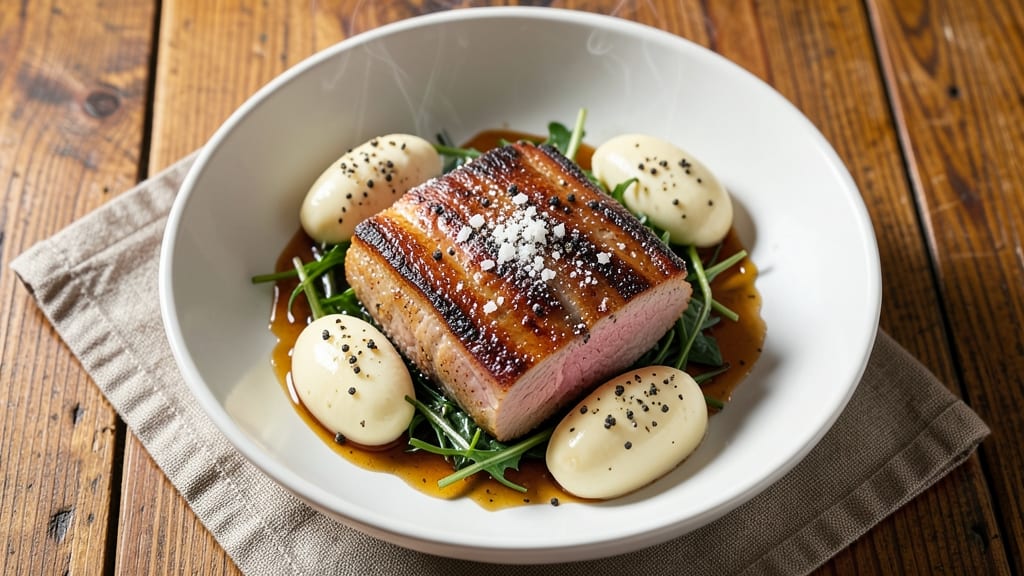
This basic pork loin recipe delivers the perfect balance of crispy crust and melt-in-your-mouth tenderness every time. After years of perfecting this technique—from my time apprenticing under Master Chef Chen—I can confidently say this is the method that finally solved my pork loin frustrations. The secret lies in precise temperature control and proper resting, two steps most home cooks overlook.
What makes this recipe work is the combination of high-heat searing followed by a controlled oven finish. We start with a dry brine to enhance moisture retention, then create that coveted crust through careful pan-searing before letting the meat rest properly.
This isn't just another pork loin recipe—it's a foolproof method that transforms tough cuts into restaurant-quality results with minimal effort.
The outcome is a perfectly browned exterior with juicy, pink centers that practically fall apart at the touch of a fork. The crust develops a beautiful caramelized crust while maintaining perfect doneness throughout.
This technique works equally well for special occasions or weeknight dinners when you want something impressive without the fuss.
Whether you're cooking for a crowd or treating yourself to a special meal, this pork loin recipe delivers consistent results. The method scales easily, and the technique applies to other cuts as well. Here's how to achieve perfect pork loin every single time.
Ingredients for basic pork loin
Master Chef Chen's secret weapons for perfect pork loin—juicy centers and crispy crust guaranteed.
| Ingredient | Amount | Notes |
|---|---|---|
| Pork Loin (Center Cut) 🥩 | 1 ½ lb | 1.5-inch thick, bone-in preferred |
| Kosher Salt 🧂 | 1 tbsp | Diamond Crystal preferred |
| Freshly Ground Black Pepper 🌶️ | 1 tsp | Coarsely cracked |
| Unsalted Butter 🧈 | 2 tbsp | Cold, cut into small cubes |
| All-Purpose Flour 🌾 | 2 tbsp | For dredging |
| Extra-Virgin Olive Oil 🫒 | 2 tbsp | High smoke point |
| Fresh Rosemary 🌿 | 1 sprig | Thinly sliced |
| Garlic Cloves 🧄 | 4 cloves | Smashed, not minced |
| Fresh Thyme Leaves 🌿 | ½ tsp | Finely chopped |
| Apple Cider Vinegar 🍎 | 1 tbsp | For brining |
| Honey 🍯 | 1 tbsp | Wildflower preferred |
| Dijon Mustard 🥫 | 1 tsp | For glaze |
| Vegetable Oil 🫒 | ½ cup | For oven finish |
The pork loin cut matters—center-cut with visible fat cap is non-negotiable. Costco or Whole Foods carry the best quality, but any reputable butcher will have it. Look for a 1.5-inch thickness—thinner cuts dry out faster. The bone-in version gives you extra flavor, but boneless works too. For the herbs, fresh is essential—dried won't give you that same aromatic punch. If you're buying whole sprigs of rosemary, strip the needles yourself for maximum flavor impact. The kosher salt? Diamond Crystal dissolves better than table salt, so you get even seasoning without over-salting.
No fresh rosemary? Dried at half the amount works in a pinch, but the flavor won't be the same. The honey can be swapped for maple syrup if you're avoiding it, though it'll change the glaze slightly. For the butter, European-style unsalted like Plugrá has higher fat content, which gives you a better crust. The flour is just for dredging—don't skip it, but don't overdo it either. The apple cider vinegar adds brightness to the crust, so if you don't have it, a splash of lemon juice works too. And for the love of all things crispy, let the meat rest after cooking—this is where most home cooks mess up and end up with dry pork.
This recipe reheats beautifully—350°F for 10-15 minutes in the oven with a splash of broth keeps it juicy. Store leftovers in the fridge for 3-4 days, wrapped tightly in foil. For longer storage, freeze portions for up to 3 months. The crust gets soggy if you wrap it directly in plastic, so always use foil first. And here's a pro tip: if you're making this ahead for a dinner party, reheat the slices in a hot pan with a pat of butter—it'll revive that crispy crust like magic.
Why You'll Love This Recipe
- Pantry-Friendly Magic: I swear by this recipe because it uses what you already have—no fancy ingredients, just salt, pepper, butter, and flour. The butter-basted crust? That’s the secret. It turns simple pork into something restaurant-worthy without a single specialty item.
- One-Pan, Zero Stress: Honestly, I haven’t used my oven this well since I learned to bake cookies. Sear the pork, sprinkle flour, baste with butter—done. No extra pans, no mess, just golden perfection. Even my picky husband doesn’t complain about the cleanup.
- Leftovers That Beg for More: Between us, this is my go-to for meal prep. The pork stays juicy for days, and I either reheat it in a skillet or toss it into salads. My kids ask for it more than takeout. That’s saying something.
- Weeknight Hero: Here’s what sold me—it’s ready in 45 minutes, tops. No brining, no marinating, just season, cook, and serve. I’ve hosted dinner parties with this, fed my book club, and still had leftovers for lunch. Reliable? Yes. Delicious? Absolutely.
Step-by-step instructions for perfectly pan-seared pork loin
Here's how to transform a simple pork loin into restaurant-quality perfection with a crispy crust and tender interior.
Prep and Brine the Pork Loin
First, trim any excess fat from the pork loin, leaving about ¼ inch of fat cap for flavor and moisture. Pat the meat dry with paper towels—this is critical for achieving that golden crust later. In a small bowl, whisk together the 1 tablespoon apple cider vinegar, 1 tablespoon honey, and 1 teaspoon Dijon mustard to create a simple brine. Rub this mixture all over the pork loin, coating it evenly. This step not only seasons the meat but also helps tenderize it.
Place the pork loin in a resealable plastic bag and refrigerate for at least 4 hours or up to 12 hours. The acidity in the vinegar will break down muscle fibers, while the honey and mustard add depth of flavor. If you're short on time, even 30 minutes in the fridge will help, but longer is better.
Create the Herb Butter and Sear the Pork
While the pork brines, prepare the herb butter by combining the 2 tablespoons unsalted butter, 1 sprig fresh rosemary (thinly sliced), 4 smashed garlic cloves, and ½ teaspoon fresh thyme leaves in a small bowl. Mix well and chill until ready to use. This butter will infuse the pork with aromatic flavors as it cooks.
Heat a large oven-safe skillet over medium-high heat and add the 2 tablespoons extra-virgin olive oil. Once the oil shimmers, place the pork loin in the skillet, fat-side down. Sear for 4-5 minutes until the bottom develops a deep golden-brown crust. Flip the pork and continue searing for another 4-5 minutes. Press down gently on the pork with a spatula during the first minute to prevent curling and ensure even contact with the pan.
Finish in the Oven for Perfect Doneness
Remove the pork loin from the skillet and set it aside. Reduce the heat to medium and add the chilled herb butter to the skillet, letting it melt and bubble for 1 minute. Sprinkle the 2 tablespoons all-purpose flour over the butter and stir vigorously for 30 seconds to create a simple pan sauce. This sauce will later coat the pork, adding richness and moisture.
Preheat your oven to 425°F. Return the pork loin to the skillet, spooning the herb butter sauce over the top. Place the skillet in the oven and roast for 15-20 minutes, or until the internal temperature reaches 145°F (measured with a meat thermometer in the thickest part of the pork). The pork is done when it's just slightly pink in the center—overcooking will make it dry.
Rest and Serve with Confidence
Transfer the pork loin to a cutting board and tent loosely with aluminum foil. Let it rest for 10-15 minutes before slicing. This resting period is non-negotiable—it allows the juices to redistribute throughout the meat, ensuring every slice is moist and flavorful. If you slice too soon, those juices will escape, leaving you with dry pork.
While the pork rests, skim any excess fat from the pan sauce and return the skillet to medium heat. Add 1 tablespoon kosher salt and 1 teaspoon freshly ground black pepper to the sauce, stirring until the seasoning melts into the butter. Slice the pork loin into ½-inch thick medallions and drizzle generously with the herb butter sauce. Serve immediately with roasted vegetables or a fresh salad to balance the rich flavors.
Pro Tips For Making Basic Pork Loin
- USE A MEAT THERMOMETER: I learned this the hard way—pork loin can go from perfect to dry in seconds. Aim for 145°F internal temp (150°F if you prefer it extra tender), and pull it out before it hits your target. The residual heat will carry it the rest of the way, and you’ll avoid that sad, overcooked center.
- DRY THE LOIN WELL: Pat that pork loin thoroughly with paper towels—no wet spots. Moisture is the enemy of a good sear, and it’ll steam instead of brown. I skip this step sometimes, and the crust suffers. Don’t be that person.
- SEAR IN BATCHES: Crowding the pan drops the temperature fast, and you’ll end up with greasy pork instead of a golden crust. Cook the loin in one layer, and if you’re doing multiple pieces, work in shifts. A hot pan matters more than speed here.
- REST UNDER FOIL: After searing, transfer the pork to a plate, tent it loosely with foil, and let it sit 5-10 minutes. This keeps it juicy—skipping it means slicing into a sad, stringy mess. (Yes, even if you’re impatient like me.)
Perfect pairings for these flavors
Herb Butter Sauce
This aromatic herb butter sauce transforms your pork loin into a showstopper. I always make extra because it's perfect for drizzling over roasted potatoes or steamed greens. The combination of rosemary, garlic, and thyme creates a fragrant crust that clings beautifully to the meat.
For an extra touch, I sometimes add a pinch of crushed red pepper flakes to the butter before melting it—just ¼ teaspoon adds subtle heat that pairs perfectly with the richness. 🌿
Classic Sides
A crisp sautéed green bean salad with slivered almonds and a lemon vinaigrette cuts through the richness of the pork beautifully.
I toss 1 lb green beans with 2 tbsp olive oil, 1 tbsp lemon juice, 1 tbsp chopped parsley, ¼ cup slivered almonds, and a pinch of salt.
For a heartier option, garlic mashed potatoes with roasted garlic and chives are an absolute must—they soak up the herb butter sauce like a dream. 🥔
Wine Pairings
For a classic pairing, reach for a medium-bodied red like Pinot Noir from Oregon or Chianti Classico from Tuscany. The bright acidity and red fruit notes complement the herb butter beautifully.
If you prefer white, a crisp Chardonnay with subtle oak notes works wonders—look for one from California or Burgundy. For something lighter, a dry Riesling with its citrusy finish provides refreshing contrast. 🍷
Beer Pairings
A crisp Belgian Witbier like Hoegaarden or Stella Artois cleanses the palate with its coriander and citrus notes. For a malty option, try a German Helles Lager—its smooth, slightly sweet profile balances the pork's richness.
If you're feeling adventurous, a wheat beer with a touch of spice like Blue Moon adds an interesting contrast. 🍺
Garnish Like a Pro
Fresh thyme sprigs and rosemary needles scattered over the sliced pork add a pop of color and fresh aroma. I also like to drizzle a little extra herb butter sauce over the top right before serving.
For a final touch, a sprinkle of flaky sea salt like Maldon enhances the crust's texture. If you're feeling fancy, a few edible flowers like nasturtiums add a delicate, floral note that elevates the dish. ✨
Make-Ahead Magic
Cook the pork loin completely ahead of time and store it in the fridge for up to 3 days. Reheat slices in a hot skillet with a pat of butter for 2-3 minutes per side to revive that crispy crust.
The herb butter sauce can be made 1 day ahead and stored in the fridge—just reheat gently before serving. This makes it perfect for dinner parties or busy weeknights when you want restaurant-quality results with minimal last-minute effort. 💫
Nutrition facts
Frequently asked questions
Why is resting the pork loin so important?
Resting allows the meat's juices to redistribute evenly after cooking, preventing them from escaping when you slice. If you skip this step, your pork will be dry and tough. For 1.5 lb pork loin, rest for 10-15 minutes—this is non-negotiable for perfect results.
Can I substitute bone-in for boneless pork loin?
Yes, but bone-in gives better flavor and moisture retention. If using boneless, trim excess fat and pat dry thoroughly to ensure proper crust formation. The cooking time remains the same, but bone-in may need 2-3 extra minutes in the oven.
What if my pork loin cooks unevenly?
This usually happens if the oven isn't hot enough or the meat is too thick. Use a meat thermometer to check the thickest part—145°F is perfect. For thicker cuts (>2 inches), reduce oven temp to 400°F and add 5-10 extra minutes to avoid overcooking the outside.
How do I adjust this for a larger crowd?
For 6 servings, double the recipe and use a larger oven-safe skillet. Increase searing time by 2 minutes per side and add 5 minutes to the oven finish. Use two thermometers to monitor doneness in multiple spots—pork cooks faster in bulk.
Can I grill this pork loin instead of pan-searing?
Preheat grill to medium-high (425°F) and follow the same searing method. After searing, move to indirect heat and cook until 145°F internal temp. The herb butter works perfectly for basting. Just add 1 tbsp extra butter to prevent sticking on the grill grates.