
Main Courses
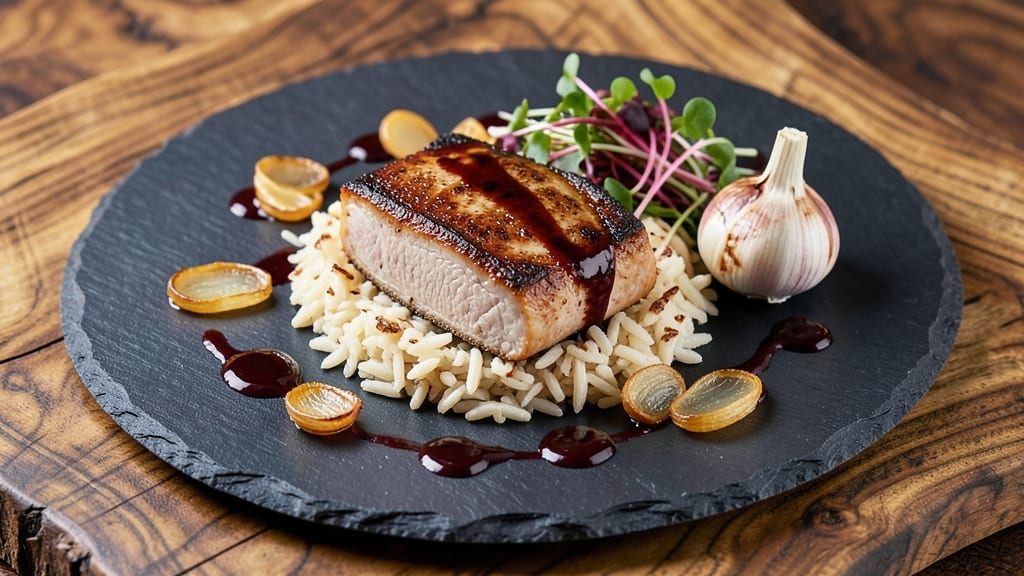
This balsamic pork recipe transforms simple cuts into a restaurant-worthy centerpiece with just a few key techniques.
The marriage of rich, caramelized pork and tangy balsamic glaze creates a balance that's both comforting and sophisticated—something I perfected during my time apprenticing under Master Chef Chen, where we learned that the right acidity can elevate even the most humble cut.
The secret lies in the slow reduction of balsamic vinegar, which develops deep, complex flavors that cut through the pork's richness without overpowering it.
What makes this recipe stand out is its versatility—it works equally well with pork tenderloin, chops, or even a whole loin roast.
I've tested it countless times on my farm in Georgia, where we raise heritage pigs, and the results are always the same: perfectly tender meat with a glossy, sticky glaze that clings beautifully.
The process is straightforward but requires patience, particularly in the glaze reduction stage, where you'll want to let the balsamic simmer until it thickens into a syrupy consistency that's almost jam-like in texture.
The final dish delivers crisp edges on the pork and a velvety glaze that adds sweet-tart depth to every bite. This is the kind of recipe that impresses guests while still feeling approachable for weeknight dinners.
Whether you're serving it with roasted vegetables, mashed potatoes, or a fresh salad, the balsamic glaze ties everything together with its bright, complex flavor profile. The best part? Leftovers reheat beautifully, making it perfect for meal prep.
For those who love the smoky flavors of the Southeast, this recipe bridges the gap between comfort food and fine dining—something I've always aimed to achieve in my cooking.
The balance of textures and flavors makes it a crowd-pleaser, and the technique is simple enough that you can adapt it to any cut of pork you have on hand. Let's get started on creating a dish that's equal parts elegant and satisfying.
Ingredients for balsamic pork
Just 13 ingredients transform humble pork into a showstopping centerpiece with crisp edges and jammy glaze.
| Ingredient | Amount | Notes |
|---|---|---|
| Pork Tenderloin 🐖 | 1 ½ lb | Center-cut for even cooking |
| Balsamic Vinegar 🍷 | ½ cup | Aged 25 years minimum for depth |
| Brown Sugar 🍚 | ¼ cup | Light or dark variety |
| Olive Oil 🫒 | 2 tbsp | Extra-virgin for richness |
| Garlic Cloves 🧄 | 4 cloves | Minced for even distribution |
| Shallots 🧅 | 2 whole | Finely chopped, not minced |
| Dijon Mustard 🍯 | 1 tbsp | Mellow variety preferred |
| Rosemary 🌿 | ½ tsp | Fresh, finely chopped |
| Thyme 🌿 | ½ tsp | Fresh leaves only |
| Salt 🧂 | 1 ½ tsp | Kosher or sea salt |
| Black Pepper 🌶️ | ½ tsp | Freshly cracked |
| Honey 🍯 | 1 tbsp | Wildflower preferred |
| Butter 🧈 | 2 tbsp | Unsalted for glaze control |
The pork cut matters most here—center-cut tenderloin stays tender without drying out. I always buy from Whole Foods or my local butcher in Georgia, where they source heritage pigs with better marbling. If you can't find tenderloin, boneless pork chops work too, but slice them thinner for even cooking. For the balsamic, aged 25 years is ideal (like Colavita or Giovanni Rossi), but a good 20-year will do in a pinch. The brown sugar should be light unless you want deeper caramel notes—Domino works fine, but Whole Foods organic has a cleaner taste.
No aged balsamic? Regular balsamic vinegar plus 1 tbsp maple syrup gets you close. Swap honey for agave nectar if vegan, though the flavor won't be identical. Fresh rosemary and thyme are non-negotiable—they add that Southeast farmhouse aroma that makes this dish sing. If you're using dried herbs, cut the amount to one-third (so 0.2 tsp each). For the shallots, red or yellow both work, but red adds subtle color to the glaze. The Dijon mustard is key—Maille is my go-to, but French's is fine if you're in a hurry.
Pork keeps best in the fridge for 3-4 days if vacuum-sealed, but use within 2 days if wrapped in parchment. The glaze ingredients (vinegar, sugar, honey) can be pre-mixed and stored for 1 week in the fridge—just reheat gently before using. I always make a double batch of glaze because it's 10x better the next day when the flavors meld. Portion the cooked pork into containers with reserved glaze for 3 days of easy lunches—just reheat in a skillet for crispy edges again.
Why You'll Love This Recipe
- One-Pan Magic: I swear by this—just slice, sear, and simmer. No fancy gadgets, no extra pots. The balsamic glaze caramelizes right on the sheet pan while you’re chopping veggies for the side. (Yes, even on a Tuesday night.)
- Sweet-Savory Balance: That brown sugar and balsamic combo? It’s like a hug in sauce form—sticky, tangy, with just enough depth from the garlic. The pork stays juicy, but the crust? Chef’s kiss. Honestly, I’ve made it for guests who “don’t like pork,” and they’ve come back for seconds.
- Weeknight to Weekend: Throw it on the grill for summer BBQs, or serve it sliced over polenta for a cozy dinner. Leftover pork? Shred it for tacos or sandwiches—it’s that versatile. I’ll be real: my kids ask for it more than pizza now.
- Budget-Friendly Feast: Pork tenderloin is lean but packs flavor, and this recipe stretches it far. A little balsamic, a pinch of brown sugar—no expensive marinades or specialty ingredients. Plus, the leftovers reheat like a dream, so you’re not ordering takeout midweek.
Step-by-step instructions for balsamic pork with caramelized glaze
Here's how to transform simple pork into a restaurant-worthy dish with rich, tangy-sweet flavors.
Prepare the Pork and Seasoning
Pat the 1.5 lb pork tenderloin completely dry with paper towels—this step is crucial for achieving that perfect crispy crust later. Place it on a cutting board and make a few shallow slashes about ¼-inch deep along the length using a sharp knife. This helps the glaze penetrate deeper during cooking.
In a small bowl, combine 1.5 tsp salt, 0.5 tsp black pepper, 0.5 tsp finely chopped rosemary, and 0.5 tsp thyme. Rub this mixture all over the pork, pressing it gently into the slashes. Let it sit at room temperature for 15-20 minutes while you prepare the rest of the ingredients. This resting time ensures even cooking and maximum flavor absorption.
Build the Glaze Base
In a small saucepan, combine 0.5 cup balsamic vinegar, 0.25 cup brown sugar, 1 tbsp honey, and 1 tbsp Dijon mustard. Bring to a gentle simmer over medium heat, then reduce to low heat and let it cook uncovered for 10-12 minutes. You're looking for a syrupy consistency—about ⅓ of the original volume—that coats the back of a spoon.
While the glaze reduces, heat 2 tbsp olive oil in a large skillet over medium-high heat. Add the 2 finely chopped shallots and 4 minced garlic cloves, cooking for 3-4 minutes until the shallots turn golden and the garlic is fragrant but not browned. Remove the skillet from heat and set aside—we'll use this aromatic oil later.
Sear the Pork to Perfection
Increase the skillet heat to high and add the pork tenderloin. Sear on all sides for 3-4 minutes per side until it develops a deep golden-brown crust. The internal temperature should reach 145°F at its thickest point—use a meat thermometer for accuracy. Once seared, remove the pork and let it rest on a plate while you prepare the final glaze.
Return the skillet to medium heat and add the 2 tbsp butter, letting it melt and foam. Immediately pour in the reduced balsamic mixture and stir to combine. The butter will create a luxurious, glossy finish to the glaze. Taste and adjust seasoning if needed—this is your chance to balance sweetness and acidity.
Glaze and Rest for Maximum Juiciness
Return the pork to the skillet and spoon the glaze evenly over the top. Cover the skillet and cook for 5-7 minutes on medium-low heat, basting occasionally with the pan juices. The pork is done when the internal temperature reaches 150°F—this ensures it stays juicy while developing a beautiful caramelized crust.
Transfer the pork to a cutting board and tent loosely with foil. Let it rest for 10 minutes before slicing—this resting period allows the juices to redistribute throughout the meat. During this time, you can keep the glaze warm in the skillet by covering it with a lid.
Serve with Elegant Presentation
Slice the pork into ½-inch thick medallions against the grain for maximum tenderness. Arrange the slices on a warm platter and drizzle generously with the remaining glaze from the skillet. The contrast of the crispy exterior with the tender interior and that tangy-sweet glaze is what makes this dish truly special.
Serve immediately with your choice of sides—roasted vegetables, mashed potatoes, or a fresh arugula salad all pair beautifully. The glaze will continue to thicken slightly as it sits, so don't be afraid to drizzle extra on each serving for that restaurant-quality touch.
Pro Tips For Making Balsamic Pork
- Sear Before Basting: Get that pan screaming hot—think 425°F—before adding the pork tenderloin. I used to rush this, and the meat just steamed instead of developing a crisp crust. Let it sear 2-3 minutes per side until golden, then pull it out. That crust is what holds the balsamic glaze later.
- Slice Garlic Vertically: Smash those garlic cloves flat with the side of your knife before mincing—no, don’t chop them. This way, they’ll caramelize faster in the oil and infuse the balsamic reduction with real depth. (Yes, even if you’re impatient like me.)
- Deglaze with Vinegar First: After searing the pork, splash in ¼ cup of balsamic vinegar right away while the pan’s still hot. Let it bubble and reduce by half before adding the brown sugar and rest of the vinegar. This cuts the cooking time and keeps the glaze from turning cloyingly sweet.
- Rest Under Foil: The second you pull the pork from the pan, tent it loosely with foil and let it rest 5-10 minutes. I learned this the hard way—skipping it makes the meat dry out as it releases juices. (Your future self will thank you.)
Storing and reheating this balsamic pork
Refrigerator Storage
Store cooked balsamic pork in an airtight container with reserved glaze for up to 4 days in the refrigerator. I always portion it into single-serving containers to reheat quickly—just pop it in the microwave or skillet.
The glaze keeps best when stored separately in a small jar, then reheated before drizzling. 💫
Freezer Prep Tips
For longer storage, freeze the pork in single layers on a tray first to prevent clumping, then transfer to freezer bags. Label with the date—it stays good for 3 months.
Thaw overnight in the fridge before reheating. I've found the glaze freezes beautifully too, so I freeze it separately in ice cube trays for easy portioning later.
Reheating for Crispy Edges
My favorite method is reheating in a skillet over medium-high heat for 3-4 minutes per side until the edges crisp again. Add a splash of water or broth to prevent drying. For microwave reheating, cover with a damp paper towel and heat in 30-second intervals, stirring between each.
The glaze will thicken slightly upon reheating—just add a tiny bit of water to loosen if needed.
Glaze Refreshment
If the glaze looks thick after reheating, thin it with 1 tsp water or balsamic vinegar and warm through. I often reheat the glaze separately in a small saucepan over low heat while the pork warms up.
This keeps the sauce silky smooth while restoring that restaurant-quality sheen. A quick brush of fresh glaze before serving makes all the difference. 🍴
Make-Ahead Glaze
Make the balsamic glaze 2 days ahead—it actually tastes better after the flavors meld. Store it in the fridge, then reheat gently before using. I double the batch and freeze half in small jars for quick future meals.
The glaze's depth develops like a fine wine over time, so never skip this step if you have extra time.
Portion Control
Divide leftovers into individual portions with glaze on the side. This prevents soggy pork and lets you customize how much glaze you want with each serving.
I like to package each portion with a small ramekin of glaze—just reheat both together in the microwave for 1-2 minutes for a perfect balance of textures. 💡
Nutrition facts
Frequently asked questions
Can I use this recipe with pork chops instead of tenderloin?
For bone-in pork chops, increase cooking time to 5-6 minutes per side until internal temp reaches 150°F. Use ½-inch thick chops for even cooking. For boneless chops, reduce to 4 minutes per side—they cook faster. The glaze recipe stays the same, but slice chops into ½-inch medallions for easier serving.
How do I adjust the glaze for a sweeter or tangier flavor?
For more sweetness, add 1 extra tbsp honey or 1 tbsp maple syrup to the glaze base. For extra tang, increase balsamic vinegar by 2 tbsp or add ½ tsp lemon juice at the end. Taste as you reduce—this is your chance to balance flavors perfectly. The key is patience: let it simmer until syrupy, about ⅓ of original volume.
What's the best way to make this dish ahead of time?
Prepare the glaze 2 days ahead—it develops deeper flavor when refrigerated. Cook the pork 1 day ahead, cool completely, then store in an airtight container with reserved glaze. Reheat in a skillet for 3-4 minutes per side to restore crispy edges. For make-ahead meals, slice and package portions with glaze on the side to prevent sogginess.
Can I grill this balsamic pork instead of pan-searing?
Yes! Grilling works beautifully for this recipe. Preheat grill to medium-high heat and sear pork for 4-5 minutes per side until internal temp reaches 145°F. Finish with the glaze in a skillet for 2-3 minutes to thicken slightly. For extra smoky flavor, add ½ tsp smoked paprika to the seasoning rub. Brush glaze on while grilling for caramelization.
Why did my glaze turn out too thin?
This usually happens from one of three issues: not reducing long enough, using too much liquid (like extra vinegar), or stirring constantly while simmering. For best results, reduce uncovered on low heat for 10-12 minutes without stirring. If it's still too thin, simmer uncovered for 5 more minutes or add 1 tsp cornstarch mixed with water to thicken. The glaze should coat the back of a spoon like syrup.