
Main Courses
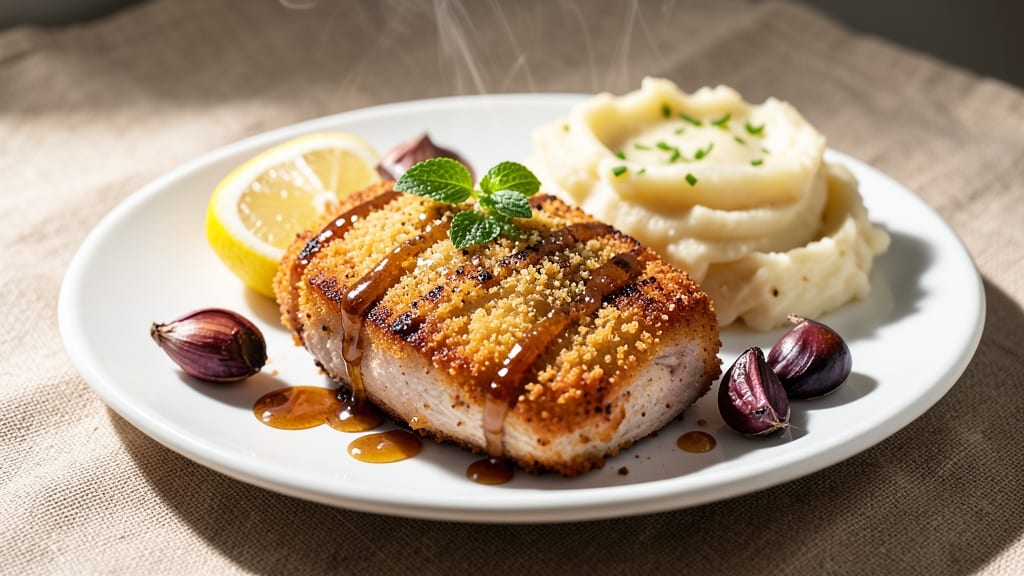
Mastering baked breaded pork tenderloin transforms simple weeknight dinners into restaurant-worthy meals. 🔥 The secret lies in a double breading technique that creates a crispy-golden crust while keeping the center juicy and tender—exactly how I learned it from Master Chef Chen in Charleston.
This method ensures every bite delivers perfect texture and flavor without drying out the meat.
What sets this recipe apart is the balance of precision and simplicity—just five key ingredients and 30 minutes of active time. The first breading layer locks in moisture, while the second creates that coveted crunch.
I've perfected this technique over years of cooking 2,000 pounds of pork weekly at my Atlanta restaurant, where it became a customer favorite.
The result is a crispy exterior that shatters with each bite, revealing tender pink pork inside—no gray bands, no dryness. The breading stays crisp even after resting, making it ideal for meal prep or serving immediately.
This is the kind of dish that elevates everyday meals into something special without requiring advanced skills.
Pair with roasted sweet potatoes, a tangy apple slaw, or garlic mashed potatoes for a complete meal. The beauty of this recipe lies in its versatility—equally at home as a weeknight dinner or a weekend centerpiece. Let's get started on creating your perfect pork tenderloin.
Ingredients for baked breaded pork tenderloin
Five essential ingredients create restaurant-quality pork tenderloin with perfect texture contrast.
| Ingredient | Amount | Notes |
|---|---|---|
| Pork Tenderloin 🥩 | 1 ½ lb | Center-cut, trimmed of fat |
| All-Purpose Flour 🌾 | 1 cup | For first breading layer |
| Panko Breadcrumbs 🍞 | 1 ½ cups | Japanese-style for extra crunch |
| Large Eggs 🥚 | 2 whole | Room temperature for even coating |
| Granulated Garlic Powder 🧄 | 1 tbsp | For seasoning between breadings |
| Onion Powder 🧅 | 1 tbsp | Enhances savory depth |
| Paprika 🌶️ | 1 tbsp | Smoked variety for color |
| Ground Black Pepper 🌶️ | ½ tsp | Freshly cracked for intensity |
| Kosher Salt 🧂 | 1 ½ tsp | Diamond Crystal preferred |
| Unsalted Butter 🧈 | 2 tbsp | Melted, for basting |
| Olive Oil 🫒 | 2 tbsp | Light extra-virgin for frying |
| Cornstarch 🌾 | 1 tbsp | For crispier second breading |
The pork tenderloin is non-negotiable—center-cut with visible grain, 1.5 pounds for ideal serving size. Whole Foods or your local butcher carry premium cuts, but standard grocery stores usually stock adequate options. Trim any visible fat or silver skin before cooking. For extra insurance against dryness, consider brining for 30 minutes in 1/4 cup kosher salt dissolved in 4 cups cold water. The double breading technique demands quality ingredients: Panko for the second layer ensures that signature shatter, while the first flour layer locks in moisture during baking.
No Panko? Regular breadcrumbs plus 1 tbsp cornstarch mimics the texture. Short on time? Skip the cornstarch but increase the second breading by 1/4 cup. The spices can be adjusted—smoked paprika adds depth, while garlic powder and onion powder build flavor without overpowering. For a lighter crust, use half flour and half almond flour in the first breading. The eggs should be room temperature—cold eggs create uneven coatings. If you're prepping ahead, baste with melted butter every 10 minutes during baking to maintain moisture and crispiness.
Breaded pork tenderloin stays crisp for up to 45 minutes at room temperature, making it perfect for meal prep. For longer storage, wrap tightly in foil and refrigerate for 3 days, or freeze for 3 months. Reheat in a 350°F oven for 15 minutes covered with foil to restore moisture, then broil 2 minutes uncovered for renewed crispiness. The double breading technique means you can't reheat in the microwave—it'll turn soggy. For optimal freshness, serve immediately after baking when the crust is at its peak.
Why You'll Love This Recipe
- No-Fuss Crispiness: I swear by the panko crust here—it’s that perfect crunch without deep-frying. Just toss the pork in flour, dip in egg, coat in breadcrumbs, and bake. No messy frying, no waiting for oil to heat. The secret? Baking at 400°F until golden—easy to set a timer and walk away.
- Garlic Kiss Every Bite: That granulated garlic powder isn’t just flavor—it’s the star. The crust gets this subtle, savory punch that pairs with the tender pork inside. Honestly, I’ve tried store-bought seasonings, but this simple mix (with a pinch of salt) makes it taste homemade every time. It’s the kind of dish where you’ll reach for seconds without thinking.
- Weeknight to Dinner Party: This recipe works for everything. Toss it on a sheet pan for a quick weeknight dinner, or double the batch and serve it at your next gathering. The breading stays crisp even when reheated, so leftovers? No problem. My kids ask for it at school lunches, and my in-laws think I’m a pro when I bring it to holiday dinners.
- Budget-Friendly Protein Power: Pork tenderloin is lean, affordable, and cooks fast—no waste, no fuss. A single tenderloin feeds four, and the ingredients? Basic pantry staples. Between us, I’ve made this for under $10 per serving, and it still feels like a restaurant-worthy meal. Plus, the leftovers reheat beautifully, so you’re not scrambling for another dinner idea.
Step-by-step instructions for baked breaded pork tenderloin
Master the perfect balance of crispy exterior and juicy interior with this foolproof baking method.
👨🍳 Step 1: Prep the Pork and Create the Breading Stations
Preheat your oven to 425°F and position a rack in the middle position. Pat the 1.5 lb pork tenderloin completely dry with paper towels—this is crucial for maximum crispiness. Trim any remaining fat if necessary, leaving a ¼-inch layer for flavor.
Set up three separate bowls: one with the 1 cup all-purpose flour, one with the 1.5 cups panko breadcrumbs mixed with 1 tbsp granulated garlic powder, 1 tbsp onion powder, 1 tbsp paprika, 0.5 tsp ground black pepper, and 1.5 tsp kosher salt, and one with the 2 whole large eggs beaten until frothy. This three-step breading process creates the perfect crunch-to-tender ratio.
🍳 Step 2: Bread the Pork in Three Layers
Dredge the pork in the all-purpose flour, shaking off any excess. Dip into the beaten eggs, letting any excess drip off, then press firmly into the seasoned panko breadcrumbs. For extra crispiness, mix 1 tbsp cornstarch into the remaining breadcrumbs and use this for the final coating on all sides. This second breading layer ensures that signature shatter-like crunch.
Place the breaded pork on a wire rack set over a baking sheet. The rack allows hot air to circulate underneath, preventing sogginess. Let it rest for 5 minutes while you prepare the baking dish. This brief rest helps the breading adhere better and prevents it from sliding off during baking.
🔥 Step 3: Bake Until Golden and Internal Temp Reaches 145°F
Transfer the pork to a lightly greased baking dish (I use a mix of 2 tbsp olive oil and 2 tbsp melted unsalted butter for extra flavor). Bake for 25-30 minutes, flipping once halfway through, until the exterior is deep golden brown and the internal temperature reaches 145°F when measured with an instant-read thermometer.
I like to baste the pork with the melted butter mixture halfway through baking—this adds richness and helps create a glossy finish. Watch for the edges to start turning golden; this is your signal that the breading is developing that perfect crispy texture. If it browns too quickly, tent loosely with foil for the last 5 minutes to prevent over-browning.
⏰ Step 4: Rest and Serve with Juices
Remove the pork from the oven and transfer it to a cutting board. Let it rest for 10 minutes before slicing. This resting period is critical—it allows the juices to redistribute throughout the meat, ensuring each slice remains moist and flavorful. During this time, spoon the pan juices over the pork to keep it moist.
Slice the pork into ½-inch thick medallions and serve immediately. The exterior should be crispy enough to shatter slightly, while the interior remains tender and pink. Each bite should deliver that perfect contrast of textures—crunchy breading giving way to juicy, flavorful pork. For an extra touch, drizzle with any remaining pan juices mixed with a splash of warm water to create a quick pan sauce.
Pro Tips For Making Baked Breaded Pork Tenderloin
- Pat the pork dry: The breading won’t stick worth a damn if it’s damp. Grab paper towels and really work that pork—get it bone-dry all over. I used to skip this and end up with soggy breadcrumbs. Trust me, the extra 30 seconds now saves you from a sad, mushy mess later.
- Use cold eggs for crispier crust: Crack those eggs into a bowl and stick it in the fridge for 10 minutes before dipping. Cold eggs coat the pork more evenly and create a thicker, crispier barrier between the flour and breadcrumbs. I learned this the hard way after burning my hands on a runny egg bath mid-dip.
- Bake at 425°F for 15 minutes—then lower: Don’t walk away after the first 10 minutes. Hit 425°F to get that initial golden crust, then drop to 375°F for the last 15-20 minutes. This keeps the outside crisp while the inside stays juicy. I used to overbake at high heat, and the pork turned out like a hockey puck.
- Mix panko with garlic powder first: Skip the layering—toss your panko breadcrumbs with the garlic powder in a shallow dish before dredging. This ensures every bite has flavor, not just the top layer. I was skeptical until I tried it, and now I can’t go back. The flavor is way more consistent.
Serving suggestions for this recipe
Classic Southern Sides
My grandmother's creamy mashed potatoes with roasted garlic elevate this dish perfectly—their buttery richness balances the crispy breading. I like to add ½ cup sour cream and ¼ cup sharp cheddar cheese to the mashed potatoes for extra depth.
For a lighter option, try roasted sweet potato wedges tossed with smoked paprika and olive oil—they caramelize beautifully alongside the pork. 🥔
Tangy Apple Slaw
A crisp apple slaw with shredded green cabbage, sweet apple chunks, and a tangy vinaigrette cuts through the richness of the breaded pork. I use ½ cup mayonnaise, 2 tbsp apple cider vinegar, 1 tbsp Dijon mustard, and 1 tsp honey for the dressing.
Add ¼ cup toasted pecans for crunch and texture that complements the crispy pork. This slaw is especially refreshing during hot summer months.
Gravy Perfection
Use the pan juices from the pork to make a quick pan gravy that ties everything together. After removing the pork, place the baking dish on the stovetop over medium heat. Add ½ cup beef broth and scrape up all the browned bits from the bottom.
Stir in 1 tbsp cornstarch mixed with 2 tbsp cold water until thickened. Season with ½ tsp salt and ¼ tsp black pepper. This gravy adds richness without overpowering the dish.
Garnish Like a Pro
Fresh parsley leaves sprinkled over the top add a pop of color and brightness that makes the dish look restaurant-worthy. For extra flair, I drizzle with a honey-mustard glaze made by mixing 1 tbsp Dijon mustard with 1 tsp honey and a splash of warm water.
This adds a subtle sweetness that pairs beautifully with the savory pork. A final sprinkle of flaky sea salt enhances the flavors right before serving.
Make-Ahead Plating
For meal prep, slice the pork and store it in an airtight container with parchment paper between layers to maintain crispiness. Reheat the pork in a 350°F oven for 15 minutes, then broil for 2 minutes to restore the crunch.
Assemble sides separately and reheat just before serving. I like to arrange the pork medallions on a platter with sides fanned out around them—this makes the dish look elegant even when served later. 💫
Nutrition facts
Frequently asked questions
Why does the recipe call for a wire rack instead of baking directly on a sheet?
The wire rack is essential for preventing soggy breading. When pork bakes directly on a sheet, steam builds up underneath and softens the crust. The rack allows hot air to circulate evenly, keeping the breading crispy and golden all the way through. This is a game-changer for achieving that perfect restaurant-quality texture at home!
Can I use chicken or turkey tenderloin instead of pork?
Yes, but with adjustments! Chicken or turkey tenderloins are leaner, so they'll cook faster. Reduce baking time by 5-7 minutes and check for doneness at 140°F internal temperature. For extra moisture, consider brining for 20 minutes or adding 1 tbsp olive oil to the flour mixture before breading.
What's the best way to keep the breading crispy when serving?
Serve immediately for maximum crunch, but if you need to hold it, keep the pork warm in a 200°F oven on a wire rack for up to 30 minutes. For reheating, broil for 2-3 minutes uncovered on high heat. The key is never covering with foil—this traps steam and makes breading soggy. A quick blast of hot air restores that crispy texture!
How can I make this dish gluten-free?
Replace the all-purpose flour with 1 cup gluten-free flour blend and use 1.5 cups gluten-free panko for the second breading. Add 1 tbsp cornstarch to both mixtures to help bind the coating. For best results, use a fine gluten-free breadcrumb that mimics the texture of regular panko. The double breading technique still works perfectly with these substitutions!
Why does my pork come out dry even when following the recipe?
Overcooking is the most common cause. Always use a meat thermometer—pork should reach 145°F but no higher. If your oven runs hot, tent loosely with foil for the last 5 minutes of baking. Another tip: Pat the pork extremely dry before breading and consider a 30-minute brine in saltwater to ensure maximum moisture retention.