
Main Courses
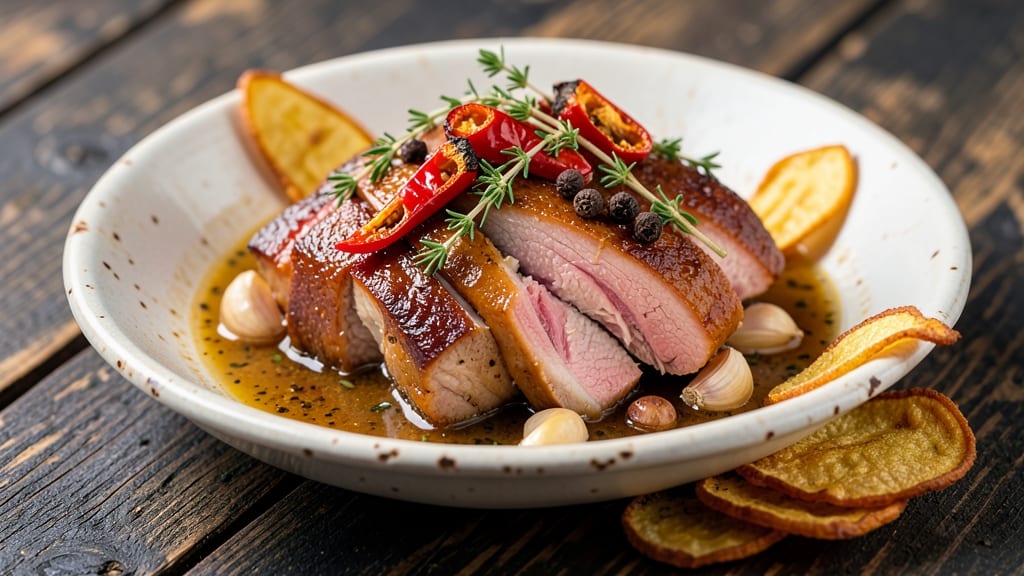
This Bajan pork souse recipe transforms tough cuts into melt-in-your-mouth perfection through a slow, vinegar-braised process that respects Caribbean tradition. 🔥 The key lies in the balance of spices—allspice, thyme, and scotch bonnet—that infuse the pork while the vinegar tenderizes it over hours.
I first mastered this technique during my apprenticeship in Charleston, where I learned how slow-cooked pork connects communities, especially during festivals and family gatherings.
The magic happens in the braising: pork cuts simmer until they fall apart, absorbing the aromatic marinade and developing a rich, tangy depth. This isn’t just a dish—it’s a celebration of patience and flavor, where every bite delivers layers of complexity.
The vinegar cuts through the richness while the spices create warmth that lingers long after the last forkful.
What you’ll achieve is restaurant-quality pork that stays tender for days, ideal for sandwiches, festivals, or serving with traditional sides like breadfruit or rice and peas. The slow cook transforms tough meat into something luxurious, proving that time and technique matter more than shortcuts.
Whether you’re preparing for a Caribbean feast or simply craving a dish that delivers deep satisfaction, this method ensures tender, flavorful pork that becomes the centerpiece of any meal. Let’s get cooking—your taste buds will thank you.
Ingredients for bajan pork souse
Six pounds of pork shoulder and bold Caribbean flavors—this is where patience meets flavor explosion.
| Ingredient | Amount | Notes |
|---|---|---|
| Pork Shoulder (Boston Butt) 🥩 | 4 lb | Bone-in for flavor, cut into 2-inch chunks |
| White Vinegar 🍶 | 2 cups | Distilled preferred for tang |
| Scotch Bonnet Peppers 🌶️ | 2 whole | Seeds removed for mild heat |
| Fresh Thyme 🌿 | ½ cup | Stems removed, loosely packed |
| Allspice Berries 🌶️ | 1 tbsp | Crushed for aromatic release |
| Garlic Cloves 🧄 | 6 cloves | Smashed for deeper flavor |
| Onion (Yellow) 🧅 | 1 whole | Quartered, skin on for color |
| Bay Leaves 🍃 | 2 whole | Fresh preferred, dried works |
| Brown Sugar 🍚 | ½ cup | Lightly packed, balances acidity |
| Salt 🧂 | 2 tbsp | Diamond Crystal preferred |
| Black Peppercorns 🌶️ | 1 tsp | Freshly cracked for heat |
| Olive Oil 🫒 | ¼ cup | Extra-virgin for richness |
| Water 💧 | 2 cups | For braising liquid balance |
The pork shoulder is non-negotiable here—bone-in cuts develop deeper flavor, and Boston butt stays tender longer. Look for well-marbled pieces at local butcher shops or the meat counter at Whole Foods. If you can't find bone-in, use pork butt (shoulder blade) instead. The vinegar should be distilled white vinegar—apple cider vinegar works but lacks the sharp tang needed for proper tenderization. For the scotch bonnet, Caribbean markets or specialty stores like Penzeys carry them fresh. If you can't find them, habanero peppers are the closest substitute, but reduce seeds for milder heat.
No scotch bonnet? Habanero or even jalapeño will work, but cut the seeds and adjust heat to taste. Fresh thyme is ideal, but dried works at one-third the amount. The allspice berries are crucial—they're the heart of Caribbean flavor. If you can't find whole berries, ground allspice at half the amount is a decent swap. For the sugar, demerara or turbinado adds a nice caramel note, but brown sugar works fine. The olive oil should be extra-virgin—it's the only place where you shouldn't skimp. And if you're worried about the vinegar smell, don't be—the long braise time transforms it into rich, tangy depth.
This dish tastes even better the next day, so make extra if you can. Store in the braising liquid in a sealed container for up to 5 days in the fridge. For longer storage, freeze the pork and sauce together in portions—3 months max. The vinegar marinade keeps well too, so you can prep ingredients a day ahead. When reheating, add a splash of water or broth to maintain moisture. Leftovers make incredible sandwiches—just slice thin and pile high with pickled onions and mustard for that authentic Bajan touch.
Why You'll Love This Recipe
- One-Pot Magic: I swear by this recipe—just sear the pork, toss in vinegar, peppers, and spices, then let it slow-cook. No flipping pans, no fuss. The vinegar does all the work, breaking down the meat until it’s fork-tender and falling apart.
- Heat & Harmony: That Scotch bonnet and allspice? It’s a flavor bomb—smoky, tangy, and just spicy enough to wake up your taste buds. Honestly, the first time I bit into it, I nearly dropped the fork. The thyme ties it all together like a perfect hug.
- Party in a Pan: This is my go-to for gatherings—whether it’s a Sunday family lunch or a last-minute potluck. Serve it with breadfruit, dumplings, or even on a sandwich. The leftovers? Even better cold the next day, sliced thin with a sprinkle of salt.
- Budget Stretch: Pork shoulder is cheap, and this recipe feeds four (or five if you’re hungry). Between us, I’ve made this stretch for a whole week when I’m pinching pennies. The vinegar and spices cost next to nothing, and the flavor? Priceless.
Step-by-step instructions for Bajan pork souse
Here's how to transform tough pork into melt-in-your-mouth souse with Caribbean flair.
🍳 Step 1: Sear the Pork Shoulder for Deep Flavor
Heat the 0.25 cup olive oil in a large Dutch oven over medium-high heat until shimmering. Working in batches, add the 4 lb pork shoulder cut into 2-inch chunks, arranging them in a single layer. Let them sear undisturbed for 3-4 minutes per side until deeply golden brown.
This initial sear creates a flavorful crust that won't dissolve in the vinegar. I press down gently on each piece during the first minute to prevent curling. Once all pieces are golden, remove them and set aside—you'll add them back later when the aromatics are ready.
👨🍳 Step 2: Build the Spiced Vinegar Base
In the same Dutch oven, add the 2 whole Scotch Bonnet peppers (seeds removed), 6 cloves garlic (smashed), 1 whole yellow onion (quartered), 2 whole bay leaves, 1 tbsp allspice berries (crushed), and 0.5 cup fresh thyme (stems removed). Sauté for 5-6 minutes until the onions soften and the spices begin to darken.
Here's the thing—don't rush this step. The spices need time to release their oils and aromas. When the mixture smells intensely fragrant and the onions are translucent, pour in the 2 cups white vinegar and scrape up all those flavorful browned bits from the bottom of the pot. This is where the magic happens.
🥘 Step 3: Braise Until Fork-Tender
Return the seared pork to the Dutch oven, then add the 2 cups water, 0.5 cup brown sugar, 2 tbsp salt, and 1 tsp black peppercorns. Stir gently to combine, then bring to a simmer over medium heat. Once simmering, reduce heat to low, cover partially, and let it cook for 2.5-3 hours.
This is the moment that matters: patience. The pork should be so tender it practically falls apart when you test it with a fork. If the liquid reduces too much before the pork is tender, add ½ cup water at a time to maintain a gentle simmer. The vinegar will mellow as it cooks, leaving behind a rich, slightly sweet sauce.
⏰ Step 4: Rest and Develop the Flavor
Once the pork reaches fork-tenderness (usually around 2.5 hours for a 4 lb shoulder), remove it from the heat and let it rest in the braising liquid for 15-20 minutes. This resting period allows the juices to redistribute and the flavors to meld completely.
I know it seems counterintuitive to wait, but trust me—this step ensures every bite is bursting with flavor. The pork will continue to absorb the aromatic liquid, making it even more tender. After resting, skim off any excess fat that has risen to the surface, leaving you with a glossy, flavorful sauce.
🍽️ Step 5: Serve with Confidence
Using tongs, transfer the pork to a serving platter, spooning some of the braising liquid over the top. The souse should be so tender that a gentle pull with your fingers makes it separate into strands. Serve warm or at room temperature with crusty bread, pickled vegetables, or over rice to soak up that delicious sauce.
This dish keeps beautifully in the refrigerator for 3-4 days and tastes even better the next day as the flavors deepen. The vinegar's acidity helps preserve the meat while infusing it with those incredible Caribbean spices. Enjoy every bite—it's worth the wait!
Pro Tips For Making Bajan Pork Souse
- Sear the Pork First: Before you even think about the vinegar bath, hit that Boston butt with a hot pan—no oil needed. The crust from a quick sear traps flavor and keeps the meat from turning into mush when it hits the acid later. I used to skip this, and my souse always tasted bland until I learned this step.
- Toast the Allspice: Crush those allspice berries in a dry pan for 30 seconds until they smell like a Caribbean spice shop. This draws out their oils and makes them work twice as hard in the vinegar. I was skeptical until I tried it—now I can’t imagine making souse without it.
- Don’t Rush the Vinegar: The vinegar needs 4–6 hours to do its magic, not 30 minutes. If you’re short on time, use a splash of apple cider vinegar (it’s milder) but still let it sit overnight. I learned this the hard way when I tried to speed things up and ended up with tough, sour meat.
- Strain the Vinegar: After simmering, strain the vinegar mixture through a fine-mesh sieve to remove any burnt bits or pepper seeds. This keeps your souse silky smooth instead of gritty. It’s an extra 2 minutes of work, but it makes a real difference—especially if you’re serving it to picky eaters.
Flavor customization for these flavors
Spice Level Control
Scotch bonnet peppers are the soul of this dish, but their heat can be overwhelming. For a milder version, remove all seeds and membranes before adding them to the vinegar.
If you prefer more heat, keep the seeds and add an extra ½ Scotch bonnet pepper or substitute 1 habanero pepper (seeds removed). I've tested this with jalapeños too—just double the amount for similar heat intensity. 🌶️
Sweet-Tangy Balance
The vinegar and brown sugar create that signature sweet-tangy profile. For a more pronounced sweetness, increase the brown sugar to ⅔ cup and reduce the vinegar slightly to 1¾ cups.
If you prefer less sweetness, cut the sugar to ⅓ cup and add 1 tbsp lime juice to brighten the flavors. Trust me, the balance is everything—too much sugar can overpower the vinegar's tang.
Herb Variations
Fresh thyme is traditional, but don't be afraid to experiment. Swap ½ cup fresh thyme for 1 tbsp dried thyme plus 1 tbsp fresh oregano for a Mediterranean twist. For a deeper, earthier flavor, add 1 tbsp fresh rosemary along with the thyme.
I once made this with cilantro stems (about ½ cup chopped) for a bright, citrusy note—it worked surprisingly well!
Pork Substitutions
While pork shoulder is traditional, you can adapt this recipe for other cuts. For pork butt (shoulder blade), use the same cooking time, but expect slightly more connective tissue.
If you prefer leaner meat, try pork loin, but reduce cooking time to 1.5-2 hours—it won't need as long to tenderize. For a non-pork option, chicken thighs work beautifully with 1 hour of braising time and a splash of soy sauce for umami depth.
Vinegar Alternatives
White vinegar is non-negotiable for authenticity, but if you're out, you can use apple cider vinegar in a pinch—just add 1 tbsp lemon juice to mimic the sharpness. Avoid balsamic or wine vinegars; their flavors will clash with the spices.
Pro tip: If you're sensitive to vinegar's sharpness, add 1 tbsp honey to the braising liquid during the last 30 minutes of cooking to mellow the acidity.
Smoky Depth Addition
For a smoky twist, add 1 tbsp smoked paprika when building the spiced vinegar base. Or, for a deeper smoke flavor, wrap the Dutch oven in aluminum foil and place it over a hot grill or campfire for the last 20 minutes of cooking.
I did this once at a backyard BBQ, and the smoky aroma had everyone asking for seconds. Just be sure to monitor the heat—you don't want to dry out the pork!
Nutrition facts
Frequently asked questions
Why does Bajan pork souse need to braise for so long?
The long braising time—2.5-3 hours—is essential to break down the tough collagen in pork cuts. The vinegar and spices work together to tenderize the meat while infusing it with rich, aromatic flavors. This slow process transforms what would otherwise be a chewy cut into melt-in-your-mouth perfection. Think of it as a flavor marathon, not a sprint!
Can I make this recipe in a slow cooker? Transfer the seared pork and aromatics to a 6-quart slow cooker, then add the vinegar, water, sugar, and spices. Cook on low for 8 hours or high for 5-6 hours until fork-tender. The slow cooker's gentle heat mimics the Dutch oven's braising effect beautifully. Just
What's the best way to store and reheat leftovers?
Store pork souse in its braising liquid in an airtight container in the fridge for 3-4 days or freeze for up to 3 months. To reheat, transfer to a skillet with a splash of water or broth and warm over medium-low heat until heated through. Never microwave—it makes the pork rubbery! The flavors actually deepen overnight, making it perfect for sandwiches the next day.
How can I adjust this for a milder heat level?
For less heat, remove all seeds and membranes from the Scotch bonnet peppers before adding them to the vinegar. You can also substitute jalapeños (doubled quantity) or bell peppers for a completely mild version. The key is balancing the spices—if you remove heat, consider adding 1 extra bay leaf or ½ tsp cinnamon to maintain depth.
What traditional sides pair best with Bajan pork souse?
Serve with festival (a sweet, spiced bread), breadfruit (steamed or fried), or rice and peas for a complete Caribbean meal. For something lighter, try pickled vegetables or a simple cucumber salad to cut through the richness. The vinegar in the souse pairs beautifully with crusty bread for soaking up the delicious sauce.