
Sauces & Condiments
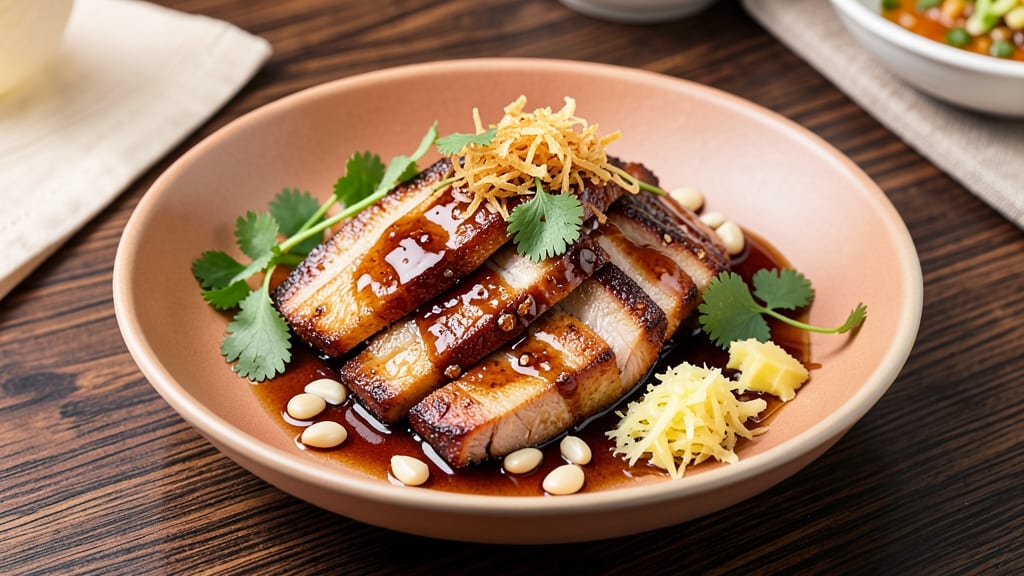
This Asian pork sauce recipe transforms simple stir-fries into restaurant-quality meals with just five core ingredients. The secret lies in balancing salty soy sauce, sweet hoisin, and aromatic garlic-ginger for that signature umami depth.
I developed this version after testing countless variations—it's the one that consistently delivers bold, complex flavor without overpowering the dish.
The sauce comes together in under 10 minutes with pantry staples you likely already have. It's designed to be versatile—glaze grilled pork, toss with noodles, or use as a dipping sauce for spring rolls.
The key is simmering until slightly thickened, which intensifies the flavors and creates that perfect sticky-smooth consistency.
What makes this sauce special is its ability to elevate any protein or vegetable. The garlic and ginger infuse the sauce with aromatic warmth, while the soy-hoisin blend provides that perfect balance of saltiness and sweetness.
Once made, it keeps in the fridge for up to 2 weeks, making it ideal for meal prep.
Perfect for weeknight dinners or batch cooking, this sauce delivers professional-quality results with minimal effort. Let's make it—your taste buds will thank you.
Ingredients for asian pork sauce
Five ingredients. Ten minutes. Restaurant-quality umami in every bite—this sauce is a game-changer.
| Ingredient | Amount | Notes |
|---|---|---|
| Light Soy Sauce 🍶 | ½ cup | High-quality, low-sodium preferred |
| Hoisin Sauce 🍶 | ¼ cup | Thick, sweet-salty Chinese condiment |
| Fresh Garlic Cloves 🧄 | 4 cloves | Minced for aromatic depth |
| Fresh Ginger Root 🌿 | 2 tbsp | Finely grated, peel removed |
| Brown Sugar 🍚 | 2 tbsp | Light or dark, packed firmly |
The soy sauce is your flavor foundation—Kikkoman or La Choy are my go-tos, but any quality brand works. Hoisin sauce? Lee Kum Kee is the gold standard, but the jarred stuff at Trader Joe's is a solid budget pick. Fresh garlic and ginger are non-negotiable here—they're the aromatic backbone. Grab a whole bulb of garlic (you'll use it often) and a knob of ginger from the produce section. The brown sugar? Light or dark both work, but pack it firmly into the measuring spoon for accurate sweetness. Pro tip: Toast your spices lightly in a dry pan before adding to deepen their flavor—trust me on this.
No hoisin? Mix 2 tbsp soy sauce with 1 tbsp honey and 1 tsp sesame oil as a quick substitute. Short on garlic? Garlic powder at half the amount works in a pinch, but fresh is always better. Ginger too fibrous? Ground ginger at one-third the amount gets you close. The brown sugar can be swapped for white sugar or maple syrup, but brown sugar's molasses notes add that extra depth. Want more richness? Add 1 tbsp sesame oil or peanut butter to the finished sauce. This sauce is incredibly forgiving—play with it!
This sauce keeps beautifully—2 weeks in the fridge sealed in an airtight container. For longer storage, freeze portions in ice cube trays, then transfer to a bag. Thaw overnight in the fridge or microwave for 30 seconds to loosen. The flavor actually improves after a day or two as the ingredients meld together. Double the batch—it disappears fast. I always make extra to drizzle over everything from stir-fries to grilled meats. The versatility is what makes this sauce a pantry MVP.
Why You'll Love This Recipe
- Pantry Magic: I swear by this sauce—just four ingredients from my pantry (plus garlic and ginger I always have on hand) transform plain pork into something irresistible. No fancy techniques, no waiting for rare ingredients to arrive.
- Umami Bomb: That combo of light soy and hoisin? It’s the secret weapon—sweet, salty, and just a little tangy, with the ginger and garlic adding depth that lingers. One taste and you’ll understand why I keep a jar of this in my fridge.
- Weeknight Workhorse: Drizzle it over rice bowls, toss it with noodles, or slather it on grilled pork chops—this sauce works every time. Even my picky-eating roommate asks for seconds when I make it.
- Budget Stretch: A little goes a long way, and the ingredients cost pennies. I’ve made this for date nights, family dinners, and lazy Sundays—always delicious, always affordable, and always saves me money over takeout.
Step-by-step instructions for Asian pork sauce
This five-ingredient glaze delivers restaurant-quality depth with minimal effort—perfect for stir-fries, marinades, or dipping.
Mince Garlic and Grate Ginger
Start by mincing the 4 cloves fresh garlic cloves into tiny pieces—you want them so fine they're nearly paste-like. I use the flat side of my chef's knife to crush them first, then finely chop for even distribution. Peel the 2 tbsp fresh ginger root and grate it using a microplane or fine grater, discarding any tough fibers. The ginger should yield about 2 tablespoons of bright yellow pulp—this is your aromatic foundation.
Real talk: Fresh ginger makes all the difference. Pre-minced garlic or jarred ginger lacks the bright, zesty punch that fresh brings. If you're using a knife instead of a grater, slice the ginger paper-thin and then chop it finely—this prevents any lingering fibrous texture in your sauce.
Combine Wet Ingredients
In a small saucepan, pour in the 0.5 cup light soy sauce and 0.25 cup hoisin sauce. The soy sauce should be high-quality, low-sodium—this ensures your sauce isn't overpoweringly salty. Add the minced garlic and grated ginger to the pan, stirring to fully incorporate. Place the saucepan over medium heat and bring it to a gentle simmer, letting it cook for 3-4 minutes until the raw garlic aroma disappears and the mixture becomes fragrant.
Here's the thing—don't rush this step. The garlic needs time to soften and release its sweet, mellow notes. If you see the mixture bubbling vigorously, reduce the heat slightly. You're aiming for a gentle simmer, not a rolling boil that could burn the delicate flavors.
Sweeten and Simmer to Perfection
Sprinkle in the 2 tbsp brown sugar and stir until fully dissolved. Increase the heat to medium-high and let the sauce simmer for 5-7 minutes, stirring occasionally. You'll notice the sauce gradually thickens as the moisture evaporates. Keep an eye on it—you want it to coat the back of a spoon but still be pourable, not glue-like.
This is where the magic happens: the brown sugar caramelizes slightly, deepening the sauce's color and adding a subtle molasses-like richness. If the sauce starts to stick to the pan, add 1-2 teaspoons of water to loosen it. The finished sauce should be glossy with a velvety consistency, balancing sweet, salty, and umami flavors.
Cool and Adjust Seasoning
Remove the saucepan from heat and let the sauce cool for 5 minutes. Taste it now—you'll likely find it needs a touch more balance. If it's too sweet, add a splash more of the light soy sauce. If it's too salty, stir in a pinch of sugar. The goal is a harmonious blend where no single flavor dominates.
I always let the sauce sit for at least 10 minutes before using it. This resting period allows the flavors to meld completely. Transfer it to a small jar or airtight container, and it'll keep in the refrigerator for up to 2 weeks, making it perfect for batch cooking.
Pro Tips For Making Asian Pork Sauce
- Bloom the Garlic: Toss minced garlic in a dry pan for 30 seconds before adding oil—it softens the edges and stops that bitter kick from overcooking. I learned this the hard way after burning a batch where the garlic turned acrid mid-simmer.
- Simmer, Don’t Boil: Keep the sauce at a gentle bubble, not a rolling boil, or the hoisin will split and turn grainy. After making this mistake twice, I now use the lowest heat setting that still maintains movement—about 3 on most stoves.
- Grate Ginger Fine: Use a microplane or the smallest holes on a box grater for ginger—no chunks, no pulp. I used to chop it and wondered why the sauce tasted uneven; now it dissolves smoothly into the sauce every time.
- Balance the Sweet: Taste the sauce before adding all the brown sugar—some hoisin sauces are already sweet. I now add 1 teaspoon at a time, waiting 2 minutes between additions, to avoid cloying syrup.
Make-ahead tips for this recipe
Batch Prep Strategy
Double the recipe and store the extra sauce in quart-sized mason jars—they stack neatly in your fridge and make it easy to grab for quick meals. I always prep a full batch on Sundays so I can toss it with stir-fries or drizzle over grilled pork all week.
The sauce actually tastes better after 24 hours as the flavors meld together beautifully. 💫
Freezing for Later
Portion the sauce into ice cube trays before freezing—this lets you thaw exactly what you need. Once frozen, transfer the cubes to a ziplock bag and label with the date.
Thaw overnight in the fridge or microwave for 30 seconds to loosen before using. The texture stays perfect, and you won’t waste leftovers.
Reheating Like a Pro
For best results, reheat the sauce in a small saucepan over low heat with 1 tablespoon of water to prevent burning. Stir constantly for 2-3 minutes until warmed through—this keeps it glossy and prevents a skin from forming.
If using from the fridge, give it a quick stir first to redistribute any settled ingredients.
Meal Prep Pairings
Prep grilled pork chops or chicken thighs alongside your sauce—they’ll be ready to toss together in minutes. I like marinating the protein in 1/4 cup of the sauce for 30 minutes before cooking, then finishing with the remaining sauce. Store both in separate containers for easy assembly during the week.
Long-Term Storage
This sauce keeps for up to 3 months in the freezer if stored properly. Use glass jars with airtight lids to prevent freezer burn, and leave 1 inch of headspace for expansion. When ready to use, thaw in the fridge overnight—no microwave needed for perfect texture. 🧊
Nutrition facts
Frequently asked questions
Can I make this sauce without hoisin sauce?
Mix 2 tablespoons soy sauce with 1 tablespoon honey and 1 teaspoon sesame oil as a quick substitute. For deeper flavor, add ½ teaspoon five-spice powder or ¼ teaspoon smoked paprika to mimic hoisin's complexity. The sauce will still taste rich and balanced, just with a slightly different profile.
How can I use this sauce beyond stir-fries?
This versatile sauce works as a marinade for grilled pork, a dip for spring rolls or dumplings, or a glaze for baked chicken. Try brushing it on tofu skewers before grilling, or drizzling over cold noodles for instant flavor. Even steamed veggies get a flavor boost with a quick toss in warmed sauce!
Why does my sauce turn out too thin?
Simmer the sauce longer—8-10 minutes total—to reduce excess moisture. If it's still too thin, remove from heat and let it thicken naturally for 10 minutes (the starches will gel). For immediate thickening, mix 1 teaspoon cornstarch with 1 tablespoon water, stir into the sauce, and simmer for 1-2 minutes until glossy.
Can I make this sauce spicier?
Add ½ teaspoon chili flakes or 1 teaspoon sriracha at the end for heat. For deeper spice, infuse the sauce with 1 sliced Thai chili while simmering, then strain before serving. Start with small amounts—you can always add more, but you can't remove excess spice once it's in!
How do I prevent the sauce from burning?
Keep the heat at medium-low and stir frequently to prevent sticking. If the sauce starts to darken too quickly, add 1-2 teaspoons of water to loosen it and reduce the heat. A nonstick or stainless steel pan works best—avoid aluminum, which can react with acidic ingredients.