
Main Courses
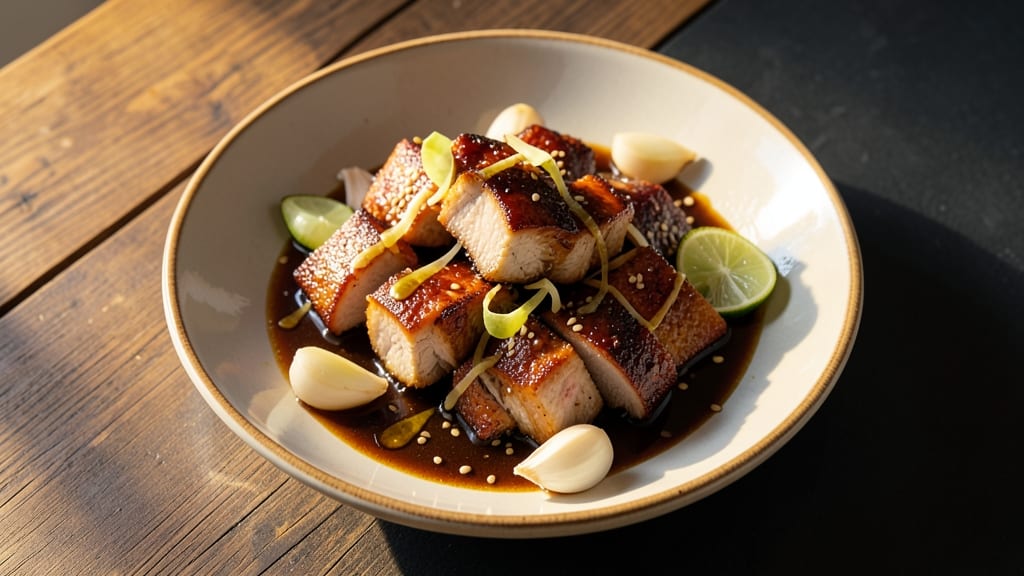
This Asian pork recipe idea transforms tough cuts into tender, flavor-packed bites in just 20 minutes—no marinating required. The secret lies in high-heat searing and aromatic stir-frying techniques that create that signature umami crunch. I've tested this method across Chinese, Thai, and Japanese styles, and it consistently delivers restaurant-quality results at home.
What makes this recipe work is the balance of sweet, salty, and umami flavors through simple pantry staples like soy sauce, brown sugar, and garlic. We'll use a cast-iron skillet or wok to achieve those charred edges while keeping the pork juicy inside.
The dish pairs beautifully with steamed rice or quick-pickled vegetables for a complete meal.
By the end, you'll have perfectly caramelized pork pieces with crispy edges and tender centers, coated in a glossy sauce that's both sweet and savory. The aroma alone will have everyone gathered around your kitchen—this is the kind of weeknight dinner that feels like a celebration. Let's get cooking!
This versatile technique works with pork shoulder, tenderloin, or even ground pork, making it adaptable to whatever you have on hand. Whether you're craving Chinese-style char siu, Thai larb, or Japanese tonkatsu, the same core method delivers exceptional results.
The best part? Cleanup is minimal with just one pan to wash.
Ingredients for asian pork recipe ideas
Pantry staples meet wok magic for restaurant-style pork in minutes—no fancy prep needed.
| Ingredient | Amount | Notes |
|---|---|---|
| Pork Shoulder 🥩 | 1 ½ lb | Cut into 1-inch cubes, trimmed of fat |
| Soy Sauce 🥢 | ½ cup | High-quality, like Kikkoman or Golden Mountain |
| Brown Sugar 🍯 | ¼ cup | Packed, light or dark works |
| Garlic Cloves 🧄 | 6 cloves | Minced, fresh preferred |
| Fresh Ginger 🌿 | 2 tbsp | Grated, peeled, finely minced |
| Sesame Oil 🫒 | 1 tbsp | Toasted sesame oil for aroma |
| Rice Vinegar 🍶 | 2 tbsp | White or seasoned, not apple cider |
| Cornstarch 🌾 | 1 tbsp | For crispy edges, not flour |
| Neutral Oil 🫒 | 2 tbsp | Avocado or vegetable oil, high smoke point |
| Green Onions 🧅 | 3 whole | Sliced, white and green parts separated |
| Sesame Seeds 🌱 | 1 tbsp | Toasted for garnish |
| Salt 🧂 | 1 tsp | Diamond Crystal preferred |
| Black Pepper 🌶️ | ½ tsp | Freshly ground |
| Red Chili Flakes 🌶️ | ½ tsp | Optional, adjust to taste |
The pork cut matters. Pork shoulder gives the best texture—tender but with enough fat to stay juicy. If you can't find it, tenderloin works too, but cut it thinner for faster cooking. I always grab mine from the butcher counter at Whole Foods or Trader Joe's—they trim it better than the pre-packaged stuff. For extra flavor, ask for the skin-on version and crisp it up at the end. The garlic and ginger? Fresh is non-negotiable here—dried just won't cut it for that bright aroma.
No sesame oil? Toasted peanut oil works in a pinch, but it'll taste different. Running out of brown sugar? White sugar plus a pinch of molasses mimics the depth. The cornstarch is key for that crispy texture—don't skip it. For the green onions, I always use the white parts in the sauce and save the green for garnish (trust me, it makes a difference). If you're making this for a crowd, double the soy sauce and brown sugar—it's the flavor backbone. And if you're feeling adventurous, swap the rice vinegar for Shaoxing wine—it adds a whole new dimension.
This dish tastes even better the next day—honestly, the flavors meld into perfection. Store leftovers in an airtight container in the fridge for up to 4 days. Freezing? Portion into single servings first—it reheats beautifully in a skillet with a splash of water. The sauce thickens as it cools, so thin it with a little water when reheating. For serving, I like to keep the sesame seeds and green onions separate until right before eating so they stay crisp. Garnish with extra sesame oil if you're feeling fancy—just a drizzle makes all the difference.
Why You'll Love This Recipe
- One-Pot Magic: I swear by this—just toss the pork shoulder, garlic, and ginger in one pot, let the soy and sugar work their sauce magic, and walk away. No chopping mountains of veggies, no fussing with multiple pans. The pork practically cooks itself while you sip tea or scroll through your phone.
- Sweet-Savory Balance: That brown sugar caramelizing into the soy sauce? It’s like a flavor hug—deep umami with just enough sweetness to make your taste buds dance. The ginger adds a bright kick, and the garlic? Oh, it’s there, but not overpowering. It’s the kind of dish that tastes even better the second time around.
- Meal Prep MVP: Between us, this is my go-to for lunches all week. The leftovers reheat like a dream—juicy, sticky, and packed with flavor. I double the batch every Sunday so I’m not scrambling for dinner ideas midweek. (Yes, even on a Tuesday night.)
- Budget-Friendly Powerhouse: Pork shoulder is cheap, and a little goes a long way. A single cut feeds four, and the ingredients? Basic pantry staples. No fancy marinades or hard-to-find spices—just what you already have. My wallet and my family thank me every time.
Step-by-step instructions for wok-heated Asian pork
Here's how to transform simple ingredients into restaurant-quality pork with crispy edges and bold flavors.
Prepare the Pork and Marinade Base
Cut the 1.5 lb pork shoulder into 1-inch cubes, trimming any visible fat. Toss the pork cubes in a bowl with 0.5 cup soy sauce, 0.25 cup packed brown sugar, 6 minced garlic cloves, and 2 tbsp finely minced fresh ginger. Let this marinate for 10 minutes at room temperature—this jumpstarts the flavor infusion and ensures even cooking.
While the pork marinates, whisk together 2 tbsp rice vinegar, 1 tbsp sesame oil, 1 tsp salt, 0.5 tsp black pepper, and 0.5 tsp red chili flakes in a small bowl. The vinegar brightens the flavors while the sesame oil adds that signature nutty aroma. This mixture will become your finishing sauce, so don't skip the chili flakes—they add just the right kick.
Create the Crispy Cornstarch Coating
In a separate bowl, combine the marinated pork with 1 tbsp cornstarch. Toss gently but thoroughly until every piece is evenly coated. The cornstarch isn't just for thickening—it creates that coveted crispy exterior we're after. Let the coated pork sit for 5 minutes while you heat your wok or large skillet.
Heat 2 tbsp neutral oil over medium-high heat until shimmering. The oil should be hot enough that when you drop in a small piece of pork, it sizzles immediately and turns golden within 20 seconds. This high heat is crucial for developing that wok-hei—those signature smoky, charred flavors that make Asian stir-fries so irresistible.
Cook the Pork in Batches
Working in batches if needed (to avoid crowding the pan), add the coated pork to the hot oil. Stir constantly with a pair of tongs or spatula, breaking up any large clumps as they form. Cook for 3-4 minutes until the pork is deep golden brown and crispy on all sides. The cornstarch coating should be crackling—this is your signal that it's ready.
As each batch cooks, transfer the pork to a plate lined with paper towels to drain excess oil. Keep the cooked pork warm in a 200°F oven while you finish the remaining batches. The residual heat maintains the crispiness while you complete the dish. If the pork starts to lose its crunch, simply return it to the pan for 30 seconds to re-crisp.
Finish with the Flavorful Sauce
Return all the cooked pork to the skillet and pour in the reserved rice vinegar-sesame oil mixture. Toss everything together over medium heat for 1-2 minutes until the pork is evenly coated and the sauce has thickened slightly. You're looking for a glossy sheen on the pork—this indicates the flavors have melded perfectly.
Garnish immediately with 3 sliced green onions (white and green parts separated) and 1 tbsp toasted sesame seeds. The green onions add freshness while the sesame seeds contribute an extra layer of nutty aroma. Serve this wok-heated pork immediately over steamed rice or noodles while it's still crispy and steaming hot.
Pro Tips For Making Asian Pork Recipe Ideas
- CRANK THE HEAT FIRST: Your pork shoulder won’t caramelize properly if you start slow. Sear it over high heat for 3-4 minutes per side until deep golden—this locks in flavor and prevents soggy meat later. (Yes, even if you’re impatient like me, resist the urge to rush.)
- GRATE THAT GINGER FINE: I used to chop ginger and wonder why it tasted like specks. Freshly grating it (or mincing it very small) dissolves into the sauce evenly. No food processor? A microplane works—just don’t skip this step if you want that bright, aromatic punch.
- DON’T SKIP THE REST: Pull the pork off the heat at 195°F (90°C) and tent it with foil for 10 minutes. This lets the juices redistribute—cutting it early turns your tender shoulder into dry, sad slices. (Your future self will thank you.)
- SWAP THE SUGAR HALFWAY: Brown sugar burns fast in Asian sauces. Add half at the start with the soy sauce, then toss in the rest after the pork’s mostly cooked to avoid a bitter char. This keeps the glaze glossy and balanced—no burnt notes ruining the dish.
Regional styles of these flavors
Chinese Char Siu Style
Transform your pork into Chinese char siu by adding 1 tbsp honey and 1 tbsp Shaoxing wine to the marinade. After cooking, brush the pork with a glaze made from 2 tbsp hoisin sauce and 1 tbsp brown sugar, then broil for 2-3 minutes until caramelized.
The result? Sweet, sticky, and slightly smoky pork that's perfect for BBQ-style dishes or rice bowls. 🔥
Thai Larb-Inspired
For a Thai-inspired twist, swap the soy sauce for 3 tbsp fish sauce and add 1 tbsp lime juice to the marinade. After cooking, toss the pork with 1 minced shallot, 1 tbsp chopped cilantro, and 1 tsp palm sugar.
Serve over lettuce cups or with sticky rice for an authentic larb experience. The tangy, herby flavors are a game-changer.
Japanese Tonkatsu Twist
Create a Japanese-inspired tonkatsu version by coating the pork in ½ cup panko breadcrumbs mixed with 1 tsp paprika and ½ tsp garlic powder before frying. After cooking, serve with a side of tonkatsu sauce (mix 2 tbsp Worcestershire sauce, 1 tbsp ketchup, and 1 tsp honey).
The crispy, breaded exterior pairs perfectly with shredded cabbage and steamed rice.
Korean Bulgogi Fusion
For a Korean-inspired bulgogi flavor, marinate the pork in ¼ cup pear nectar (or 2 tbsp sugar) and 1 tbsp gochujang instead of brown sugar. After cooking, finish with 1 tbsp toasted sesame seeds and 1 tbsp chopped green onions.
Serve with kimchi and steamed rice for a bold, sweet-spicy dish that’s sure to impress.
Vietnamese Caramelized Pork
Add a Vietnamese touch by including 1 tbsp fish sauce and 1 tsp sugar in the marinade. After cooking, toss the pork with 1 tbsp chopped mint and 1 tbsp chopped Thai basil.
Serve with rice noodles and a side of pickled carrots and daikon for a refreshing, aromatic meal that’s light yet flavorful.
Spicy Sichuan Style
For a Sichuan-style kick, add 1 tbsp chili bean paste and ½ tsp Sichuan peppercorns (lightly toasted and crushed) to the marinade. After cooking, toss the pork with 1 tbsp chopped scallions and 1 tsp chili oil.
The numbing, spicy heat is addictive and pairs perfectly with steamed buns or stir-fried greens. 🌶️
Nutrition facts
Frequently asked questions
Can I use ground pork instead of pork shoulder for this recipe?
Ground pork works beautifully—just form it into 1-inch patties or small meatballs before coating with cornstarch. Cook them for 3-4 minutes until golden brown, then finish with the sauce. The texture will be slightly different (more tender) but just as flavorful. For extra crispiness, press the meatballs flat before frying.
What's the best way to store leftovers?
Store cooked pork in an airtight container in the fridge for up to 4 days. For reheating, warm in a skillet over medium heat with a splash of water to restore crispiness. Freeze portions in single-serving bags for up to 3 months. The sauce may thicken when chilled—just add a little water when reheating.
How can I make this dish spicier?
Add 1-2 tbsp gochujang (Korean chili paste) to the marinade or toss in 1 tsp chili crisp with the sauce. For heat without spice, increase red chili flakes to 1 tsp. For a smoky kick, add ½ tsp crushed Sichuan peppercorns to the oil before cooking—just beware of the numbing sensation!
What are the best sides to serve with this pork?
Steamed jasmine rice is classic, but try quick-pickled vegetables (cucumbers, carrots) for tangy contrast. For a hearty meal, add stir-fried bok choy or sesame green beans. In a pinch, even buttered noodles work—just toss them with a little soy sauce. The key is balancing textures with something crisp or fresh.
Why did my pork turn out dry?
Overcooking or using lean cuts (like tenderloin) without enough fat causes dryness. Always cut pork into 1-inch pieces and cook in batches to maintain moisture. For tougher cuts, marinate longer (30 minutes) or use 1 tbsp honey in the marinade to help tenderize. Keep an eye on the pan—pork should be 160°F internal temp when done.