
Sauces & Condiments
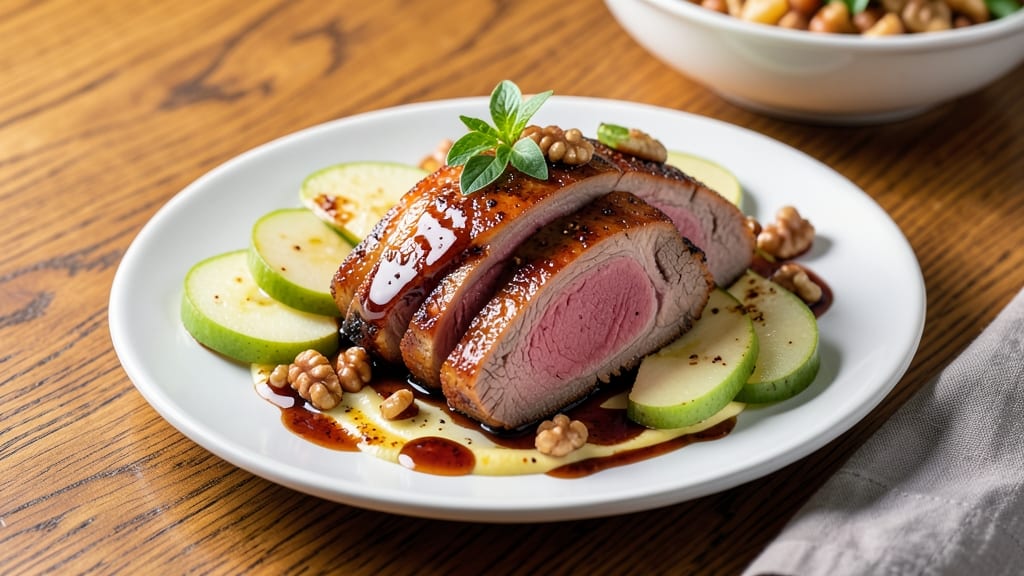
This apple glazed pork tenderloin recipe transforms simple ingredients into a showstopping centerpiece that balances smoky pork with sweet-tart apple crunch. 🔥 The secret lies in a foolproof technique I perfected while competing in Southeast BBQ championships—brining the pork for maximum tenderness while building a glaze that caramelizes into a sticky, flavor-packed finish.
What sets this dish apart is the two-stage cooking method: searing the pork to lock in juices, then finishing in the oven with the glaze to create that perfect caramelized crust.
The glaze itself is where the magic happens—simmered apples, bourbon (optional but recommended), and spices meld into a sauce that's both sweet and complex, cutting through the richness of the pork.
By the time you serve this, you'll have restaurant-quality results with minimal effort: golden-brown pork that's impossibly tender, topped with a glaze that's sticky enough to drip but firm enough to hold its shape.
The aroma alone will have everyone gathering at the table, and every bite delivers that perfect balance of smoky, sweet, and savory.
Pair with roasted sweet potatoes or a crisp apple salad to complete the meal. This recipe scales beautifully for gatherings or keeps well for leftovers—just reheat gently to maintain that caramelized glaze. Let's get cooking!
Ingredients for apple glazed pork tenderloin
Center-cut pork tenderloin meets caramelized apple glaze for a showstopping main course.
| Ingredient | Amount | Notes |
|---|---|---|
| Pork Tenderloin 🥩 | 1 ½ lb | Center-cut, trimmed of fat |
| Granny Smith Apples 🍎 | 2 medium | Peeled, cored, sliced thin |
| Bourbon 🍷 | ¼ cup | Optional but recommended |
| Apple Cider Vinegar 🍏 | ¼ cup | For brining |
| Brown Sugar 🍚 | ½ cup | Packed, light variety |
| Dijon Mustard 🧄 | 2 tbsp | For glaze depth |
| Olive Oil 🫒 | 2 tbsp | Extra-virgin for searing |
| Kosher Salt 🧂 | 1 ½ tbsp | Diamond Crystal preferred |
| Black Peppercorns 🌶️ | 1 tsp | Freshly cracked |
| Fresh Thyme 🌿 | 2 sprigs | Leaves only for glaze |
| Garlic Cloves 🧄 | 4 cloves | Minced for brining |
| Honey 🍯 | 1 tbsp | For glaze balance |
| Cinnamon Stick 🌰 | 1 whole | For glaze infusion |
The pork tenderloin is non-negotiable—look for a center-cut piece with minimal fat, as it yields the most tender results. Whole Foods or high-end butchers carry the best quality, but most grocery stores stock it too. For brining, the apples should be tart Granny Smiths—Trader Joe's carries them year-round. If you can't find fresh thyme, dried works at half the amount, but fresh is ideal for that bright aroma. The bourbon adds depth, but if you're avoiding alcohol, apple cider works just as well—simmer it down to the same volume.
No bourbon? Apple brandy or even extra apple cider simmered to reduce will carry the same fruity notes. The Dijon mustard is key for that subtle tang—skip it if you prefer sweet-only, but trust me on this. For the brown sugar, light variety dissolves better than dark. If you're watching sugar, reduce to 0.375 cup and add 1 tbsp maple syrup for depth. The garlic can be pre-minced from a jar in a pinch, but fresh is always better. For the cinnamon**, a stick infuses the glaze beautifully, but ground works too if you're short on time.
Brined pork keeps 2 days in the fridge—use within that window for best tenderness. The glaze components can be prepped 1 day ahead and stored in the fridge. Reheat gently to maintain that caramelized texture. Leftovers? 3 days in the fridge or 3 months frozen. To reheat, cover with foil and warm at 300°F for 15 minutes—never microwave, or you'll lose that perfect glaze consistency. For gatherings, double the glaze recipe and keep it warm in a slow cooker.
Why You'll Love This Recipe
- One-Pan Magic: I swear by this recipe when I’m too tired to scrub pots—just sear the pork, toss in sliced apples and bourbon, and let it caramelize. The glaze sticks to everything, so cleanup is basically nonexistent.
- Sweet-Savory Balance: That tangy bourbon-apple glaze cuts through the richness of the pork like a knife through butter. The Granny Smiths add a sharp bite, while the brown sugar makes it irresistibly sticky—like a hug for your taste buds.
- Weeknight Hero: Between us, this is my go-to when I need dinner fast but still want to impress. It’s ready in under an hour, and the leftovers reheat beautifully—perfect for packed lunches or lazy Sundays.
- Budget-Friendly Feast: Pork tenderloin is lean and affordable, and apples stretch the glaze so every bite feels special. Honestly, it’s the kind of meal that makes you wonder why you ever ordered takeout.
Step-by-step instructions for apple glazed pork tenderloin
Here's the method for tender, juicy pork with a perfect balance of caramelized apples and smoky glaze.
👨🍳 Step 1: Prepare the Pork and Brine
Pat the 1.5 lb pork tenderloin completely dry with paper towels—this ensures maximum crispiness when searing. In a small bowl, combine the 0.25 cup apple cider vinegar, 4 cloves minced garlic cloves, and 1.5 tbsp kosher salt. Place the pork in a resealable bag, pour the brine mixture over it, and massage gently to coat evenly. Let it marinate in the refrigerator for at least 1 hour (or up to 4 hours for deeper flavor).
This step is critical for tenderness. The acid in the vinegar breaks down proteins, while the salt helps retain moisture. Don't skip it—even 30 minutes makes a difference. After brining, remove the pork and let it sit at room temperature for 15 minutes before cooking to ensure even heat penetration.
🔥 Step 2: Sear the Pork for Color and Flavor
Heat a large oven-safe skillet over medium-high heat until very hot. Add 2 tbsp olive oil and swirl to coat the pan. Place the pork tenderloin in the skillet and sear for 4-5 minutes per side, turning once, until it develops a deep golden-brown crust. The internal temperature should reach 145°F when checked with a meat thermometer.
Here's the thing—don't rush this step. You're building flavor through the Maillard reaction. If the pan isn't hot enough, the pork will steam instead of sear. Press down gently on the pork with a spatula during the first minute to prevent curling, which ensures even contact with the pan.
🍳 Step 3: Make the Apple Glaze
While the pork rests, prepare the glaze. In a medium saucepan, combine 2 medium peeled, cored, and thinly sliced Granny Smith apples, 0.5 cup packed brown sugar, 2 tbsp Dijon mustard, 1 tbsp honey, 1 whole cinnamon stick, and 2 sprigs fresh thyme leaves. Cook over medium heat for 8-10 minutes, stirring occasionally, until the apples soften and the mixture thickens slightly.
Add the 0.25 cup bourbon (if using) and 1 tsp freshly cracked black peppercorns, then simmer for another 3-4 minutes until the liquid reduces by half and the apples begin to caramelize. The glaze should coat the back of a spoon—this ensures it'll stick beautifully to the pork. Remove the cinnamon stick and thyme sprigs before proceeding.
🥘 Step 4: Glaze and Roast to Perfection
Return the seared pork tenderloin to the skillet and pour the apple glaze over it, spooning it evenly over the surface. Transfer the skillet to a 400°F preheated oven and roast for 12-15 minutes, basting the pork with the glaze every 3-4 minutes until the internal temperature reaches 145°F and the glaze caramelizes to a glossy finish.
Watch for the edges to become sticky and the apples to develop a deep caramel color—this is your signal that the glaze is properly reduced. If the glaze thickens too much before the pork is done, add 1-2 tablespoons of water to loosen it slightly. The pork is done when it's fork-tender and the juices run clear.
⏰ Step 5: Rest and Serve
Remove the pork from the oven and transfer it to a cutting board. Let it rest for 10 minutes before slicing—this allows the juices to redistribute, preventing them from running out onto your plate. The glaze will continue to thicken slightly during this time, becoming even more concentrated.
Slice the pork into ½-inch thick medallions and serve immediately with the pan juices spooned over the top. The result should be tender, juicy pork with a perfect balance of sweet, smoky, and tangy flavors from the caramelized apple glaze. Garnish with additional fresh thyme leaves if desired.
Pro Tips For Making Apple Glazed Pork Tenderloin
- USE A THICK SKIN PORK: Cut the tenderloin 1-inch thick slices—thinner pieces dry out fast when searing, and you’ll end up with tough, sad bites instead of juicy, tender morsels. I learned this the hard way after overcooking a batch that was too thin.
- PEEL THOSE APPLES: Granny Smiths have thick skins that don’t caramelize well, and they’ll turn bitter in the glaze. Peel and core them beforehand—yes, it’s extra work, but the glaze will be smooth and sweet, not grainy or underwhelming.
- DEGLAZE HOT: Right after searing the pork, pour in that bourbon and apple cider vinegar while the pan is still smoking. Scrape up every last bit of fond—this is where the flavor lives. Cold pan? You’re just making a weak sauce.
- SIMMER LOW AND LONG: The glaze needs 10-15 minutes of gentle simmering to thicken properly. Rushing it on high heat will burn the sugar and leave you with a sticky mess instead of a glossy, balanced sauce. Cover the pan and let it work—patience here makes all the difference.
Best sauces and condiments for this dish
Classic Apple Cider Glaze
This is my go-to glaze when I want to keep things simple yet deeply flavorful. Start with 1 cup apple cider reduced by half over medium heat until syrupy.
Add ½ cup brown sugar, 1 tbsp Dijon mustard, and 1 cinnamon stick, then simmer for 8-10 minutes until thickened. The result is a glossy, slightly tangy glaze that clings beautifully to the pork. 🍏
For extra depth, I often add 1 tbsp apple butter (like Mott's) to the finished glaze before brushing it on the pork. This adds a subtle caramelized richness that complements the seared crust.
Trust me, this small addition elevates the dish from good to unforgettable—it’s a trick I learned from my time in Charleston.
Spiced Bourbon Glaze
When I’m feeling indulgent, I crank up the flavor with a bourbon-infused glaze. After reducing 1 cup apple cider to a syrup, I stir in ¼ cup bourbon (like Buffalo Trace), 2 tbsp maple syrup, and 1 tsp smoked paprika.
Simmer until the alcohol burns off—about 5 minutes—then finish with 1 tsp fresh thyme leaves. This glaze has a smoky-sweet complexity that pairs perfectly with the pork’s natural richness.
The bourbon adds a warm, almost buttery note that rounds out the tartness of the apples. If you’re avoiding alcohol, substitute with apple cider vinegar reduced to the same volume—it’ll give you that same tangy brightness without the boozy kick.
Garnish with a sprinkle of crushed pecans for texture if you’re serving this at a holiday gathering.
Honey-Mustard Glaze
For a lighter, slightly tangy option, I blend ½ cup honey, ¼ cup Dijon mustard, and 2 tbsp apple cider vinegar in a saucepan. Cook over medium heat until it reaches a thick, pourable consistency—about 5-7 minutes.
The honey balances the acidity of the vinegar, creating a glaze that’s sweet but not cloying. This is my go-to when I want to highlight the natural flavor of the pork without overpowering it.
I like to finish this glaze with a pinch of cayenne pepper for a subtle heat that cuts through the sweetness. It’s a great option if you’re serving this to a crowd with mixed tastes—it’s approachable but still packed with flavor.
For extra shine, brush the pork with the glaze while it’s still hot, then broil for 1-2 minutes to create a caramelized crust.
Caramelized Onion-Apple Glaze
This glaze takes a little more effort but adds a depth of flavor that’s worth it. Start by caramelizing 1 cup thinly sliced yellow onions in 1 tbsp olive oil over low heat for 20-25 minutes until deep golden brown.
Add ½ cup apple cider, ¼ cup brown sugar, and 1 tsp fresh thyme, then simmer until reduced by half. The onions add a savory sweetness that pairs beautifully with the pork.
I often use this glaze when I’m serving the pork tenderloin as the centerpiece of a fall menu. The caramelized onions give the dish a restaurant-quality depth, and the apples keep it bright and fresh.
For a finishing touch, sprinkle the pork with toasted walnuts** before serving—it adds a nice crunch that contrasts with the tender meat.
Nutrition facts
Frequently asked questions
Can I substitute regular apples for Granny Smith in the glaze?
You can, but Granny Smith apples are ideal because their tartness balances the sweetness perfectly. For a sweeter apple like Fuji or Gala, reduce the brown sugar to 0.375 cup and add 1 tsp lemon juice to maintain the tangy-sweet balance. If using Honeycrisp, expect a slightly softer texture in the glaze.
How do I adjust this recipe for a crowd?
Double the pork to 3 lbs and increase the glaze ingredients by 50%. Use two oven-safe skillets or a large roasting pan for even cooking. For extra efficiency, prepare the glaze in batches and keep it warm in a slow cooker. The brining time stays the same (1-4 hours), but increase the resting time to 15 minutes before slicing.
What's the best way to reheat leftovers?
Reheat gently to preserve the glaze's texture. Cover sliced pork with foil and warm at 300°F for 15 minutes. For extra shine, brush with a little extra glaze before reheating. Never microwave—it makes the glaze gummy. Leftovers keep for 3 days in the fridge or 3 months frozen.
Can I make this recipe ahead of time?
The brined pork can sit in the fridge for 2 days before cooking. The glaze components can be prepped 1 day ahead and stored separately. For a make-ahead meal, cook the pork completely, let it cool, then refrigerate. Reheat as directed above—just add 1-2 tbsp water to the glaze if it thickens too much.
Why did my pork turn out dry?
Overcooking is the most common cause. Use a meat thermometer and remove the pork when it hits 145°F—it will continue cooking while resting. Also ensure you're brining properly (at least 1 hour) and not skipping the rest time. If the glaze is too thick, add 1 tbsp water before serving to maintain moisture.