
Main Courses
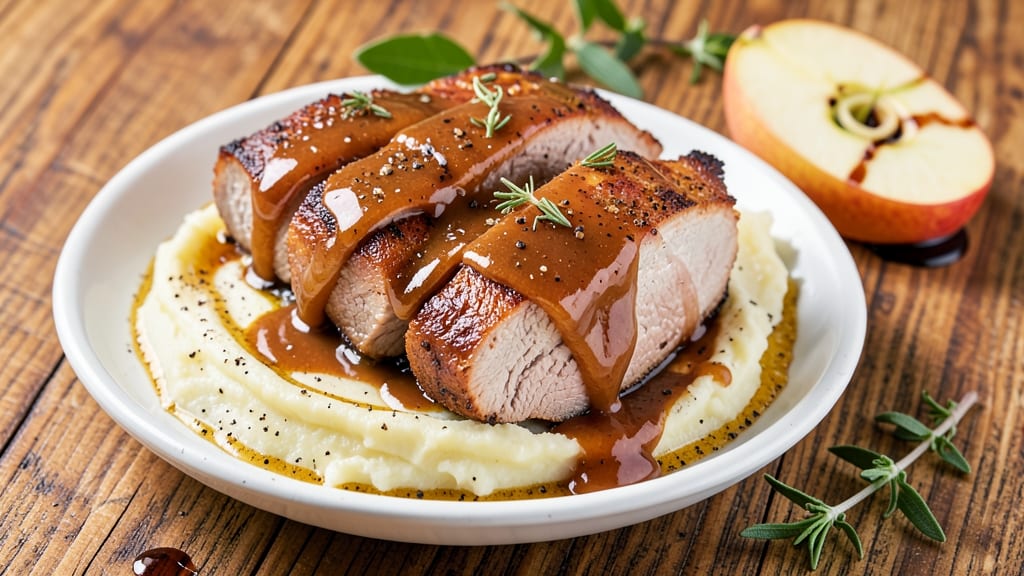
This apple butter pork tenderloin recipe transforms simple ingredients into a restaurant-worthy centerpiece with caramelized edges and tender meat. 🌟 I developed this technique after years of perfecting pork dishes for my restaurant kitchen—where the sweet-tart glaze cuts through rich pork while creating that coveted crust.
The secret lies in balancing the apple butter's natural sweetness with savory spices during searing, then finishing with a low-and-slow roast. This method ensures tender meat every time, even with thicker cuts, while the glaze develops depth through controlled caramelization. No fancy equipment needed—just a cast iron skillet and patience.
What you'll end up with is perfectly seared pork with a glossy, sticky-sweet glaze that clings beautifully to each bite. The edges achieve that prized caramelized finish while the interior remains juicy and fork-tender. This dish proves how a simple glaze can elevate an everyday protein into something extraordinary.
Pair with roasted root vegetables or a crisp green salad to balance the richness. The technique works equally well on the grill or in the oven—ideal for weeknight dinners or special occasions. Let's get started with this foolproof method that delivers professional results at home.
Ingredients for apple butter pork tenderloin
Twelve ingredients transform simple pork into a restaurant-worthy masterpiece with caramelized edges.
| Ingredient | Amount | Notes |
|---|---|---|
| Pork Tenderloin 🍖 | 1 ½ lb | Center-cut, trimmed of fat |
| Apple Butter 🍎 | ½ cup | Unsweetened, high-quality variety |
| Extra-Virgin Olive Oil 🫒 | 2 tbsp | For high-heat searing |
| Brown Sugar 🍚 | 2 tbsp | Light or dark preferred |
| Dijon Mustard 🥫 | 1 tbsp | For depth of flavor |
| Fresh Thyme Leaves 🌿 | ½ tsp | Finely chopped, stems removed |
| Fresh Rosemary 🌿 | 1 tbsp | Chopped, finely minced |
| Garlic Cloves 🧄 | 3 cloves | Minced, for glaze base |
| Balsamic Vinegar 🍷 | 1 tbsp | For acid balance |
| Diamond Crystal Kosher Salt 🧂 | 1 ½ tsp | For seasoning and glaze |
| Freshly Ground Black Pepper 🌶️ | ½ tsp | For seasoning |
| Honey 🍯 | 1 tbsp | For glaze caramelization |
| Unsalted Butter 🧈 | 1 tbsp | Cold, for basting |
The pork tenderloin is non-negotiable here—center-cut ensures even cooking and maximum tenderness. Look for a piece with good marbling and firm texture at specialty butchers like D'Artagnan or your local high-end grocer. If using a thicker cut, trim excess fat to ensure even searing. The apple butter should be unsweetened (like Mott's or Smucker's unsweetened variety) to balance the sweetness without overpowering. Fresh herbs—thyme and rosemary—are essential for that restaurant-quality aroma, so don’t substitute dried unless absolutely necessary. Garlic should be freshly minced for maximum flavor impact.
No Dijon mustard? Whole-grain mustard works in a pinch, but the finer texture of Dijon ensures better glaze consistency. Balsamic vinegar can be swapped for red wine vinegar if unavailable, though it lacks the same depth. Brown sugar is critical for caramelization—white sugar won’t develop the same crust. If you’re avoiding honey, maple syrup at a 1:1 ratio delivers similar sweetness. Olive oil matters here; low-acid, fruity varieties (like California Extra Virgin) prevent bitterness during high-heat searing. For the butter, European-style (like Plugrá) has a higher fat content, ensuring richer basting.
Pork tenderloin keeps best in the fridge for 3-4 days if uncooked, wrapped tightly in plastic. Apple butter lasts 6-12 months unopened in the pantry, while fresh herbs should be used within 5 days of purchase. The glaze components (sugar, vinegar, honey) can be pre-mixed and stored in the fridge for up to 1 week, though freshly combined glaze yields the best results. Leftovers reheat beautifully—350°F for 15-20 minutes restores moisture without overcooking the edges. Portion into individual servings for easy reheating.
Why You'll Love This Recipe
- Five-Ingredient Magic: I swear by this combo—just pork, apple butter, olive oil, brown sugar, and mustard. No fancy prep, no last-minute grocery runs. The apple butter does all the work, turning a simple roast into something special with zero effort.
- Sweet-Savory Balance: That rich apple butter and Dijon mustard? It’s like a hug for your taste buds. The brown sugar caramelizes just enough to make every bite taste like fall in a skillet, but the mustard keeps it from being too sweet.
- Weeknight or Dinner Party: Serve it sliced thin over mashed potatoes for a cozy Tuesday night, or platter it with roasted veggies for guests. Same recipe, two totally different vibes—no stress, just deliciousness.
- Leftovers That Don’t Suck: Roast a whole tenderloin, and you’ll have meals for days. Slice it for sandwiches, dice it into stir-fries, or reheat it in a pan with a splash of apple cider. Honestly, it’s my lazy Sunday secret weapon.
Step-by-step instructions for apple butter pork tenderloin
Here's the method for perfectly tender pork with a caramelized glaze that balances sweet and savory notes.
👨🍳 Step 1: Prepare the Glaze and Season the Pork
In a small bowl, combine the 0.5 cup apple butter, 2 tbsp brown sugar, 1 tbsp Dijon mustard, 0.5 tsp chopped fresh thyme, 1 tbsp minced fresh rosemary, 3 minced garlic cloves, 1 tbsp balsamic vinegar, 1 tbsp honey, 1.5 tsp kosher salt, and 0.5 tsp black pepper. Whisk until smooth and set aside. This blend creates the perfect balance of sweet, tangy, and herby flavors that will caramelize beautifully on the pork.
Pat the 1.5 lb pork tenderloin dry with paper towels—this is crucial for achieving that perfect sear. Season the pork generously with an additional 0.5 tsp kosher salt and 0.25 tsp black pepper on all sides. Let it sit at room temperature for 15 minutes while you prepare the oven. This resting period ensures even cooking throughout the tenderloin.
🔥 Step 2: Sear the Pork for Maximum Flavor
Preheat your oven to 425°F. Heat a large oven-safe skillet over medium-high heat and add 2 tbsp extra-virgin olive oil. Once the oil is shimmering, add the pork tenderloin and sear for 2-3 minutes per side until it develops a deep golden-brown crust. This searing step locks in juices and creates the foundation for the caramelized glaze.
Here's the thing—don't move the pork around too much while searing. You want to develop that crust undisturbed. When the pork reaches an internal temperature of 145°F (about 3-4 minutes total searing time), carefully transfer the skillet to the preheated oven. This high-heat approach ensures a perfect balance between a crispy exterior and tender interior.
🥘 Step 3: Glaze and Roast to Perfection
Remove the pork from the oven and place it on a cutting board. Spread the prepared glaze evenly over the top of the pork, coating it completely. Then, return the pork to the skillet and place it back in the oven. Roast for 15-20 minutes until the internal temperature reaches 150°F and the glaze has caramelized to a deep amber color with bubbles forming around the edges.
Real talk: The glaze should look glossy and slightly thickened by the end. If it's not caramelizing as expected, you can increase the oven temperature to 450°F for the last 5 minutes to intensify the color and flavor. The pork is done when it reaches 150°F internally—this ensures it stays juicy while developing that perfect caramelized crust.
⏰ Step 4: Rest and Baste for Maximum Juiciness
Remove the pork from the oven and transfer it to a cutting board. Let it rest for 10 minutes before slicing—this is where the magic happens. The resting period allows the juices to redistribute throughout the meat, preventing them from pooling on the cutting board.
While the pork rests, melt the 1 tbsp unsalted butter in the same skillet over low heat. Once melted, carefully spoon the butter over the top of the pork, basting it generously. This final basting step adds richness and helps create that beautiful sheen on the finished dish. After resting, slice the pork into ½-inch thick medallions and serve immediately with the caramelized glaze pooled on top.
Pro Tips For Making Apple Butter Pork Tenderloin
- SEAR FIRST, BAKE LATER: Get that pan screaming hot before adding the pork—high heat for 2-3 minutes per side until deep golden. I used to skip this and ended up with pale, bland meat that tasted more like boiled pork than anything else. The crust from the olive oil and brown sugar mix is where all the flavor lives, so don’t rush it.
- SALT THE APPLE BUTTER: Taste your apple butter first—if it’s bland, add a pinch of salt (or a dash of Dijon) right in the bowl. Store-bought versions often lack seasoning, and you’ll regret it when the pork tastes like it’s missing something. Mix it in while you’re prepping the glaze.
- DON’T OVERSTUFF THE PAN: Crowding the pork in the skillet steams it instead of searing. Cook in batches if needed—one tenderloin at a time, with space between pieces. I learned this after walking away from a pan of soggy pork that looked like it had been boiled. Give it room to crisp.
- USE THE MUSTARD EARLY: Whisk the Dijon into the apple butter before brushing it on the pork. The acid cuts through the richness and helps the glaze stick better. I used to add it at the end, and half the time it’d slide off like syrup on a pancake. Mix it in the bowl, not the pan.
Make-ahead tips for this apple butter pork tenderloin
Glaze Prep Ahead
Combine all glaze ingredients—except the pork—in a small bowl and store in an airtight container in the fridge for up to 5 days. This pre-mix saves time on cooking day and lets flavors meld beautifully.
When ready to cook, simply whisk to recombine and apply directly to the seared pork. I always make a double batch because it works perfectly on chicken thighs or roasted carrots too! 💫
Pork Prep Timeline
Pat and season the pork tenderloin 12-24 hours ahead and refrigerate uncovered on a wire rack. This dry-brining method enhances tenderness and crust development. When you're ready to cook, just bring it to room temperature for 15 minutes before searing.
Trust me, this simple step makes all the difference in texture and flavor.
Oven Strategy
Preheat your oven to 425°F while the pork rests at room temperature. Use an oven thermometer to verify accuracy—many home ovens run 25°F hotter or colder than set.
For even cooking, place the pork on the middle rack where heat circulates most evenly. I swear by this method for consistent results every time. ⏰
Glaze Caramelization
For maximum caramelization, broil the pork for the final 3-5 minutes after glazing. Watch closely to prevent burning—you want deep amber, not blackened edges. If your oven lacks a broiler, finish under a salamander burner or with a blowtorch for that professional restaurant finish.
The contrast between tender meat and crispy glaze is what makes this dish shine.
Make-Ahead Serving
Slice the cooked pork and store in an airtight container with reserved glaze in the fridge for 3-4 days. Reheat in a 350°F oven for 15-20 minutes with a splash of water to maintain moisture.
The glaze thickens slightly when reheated, so add 1 tsp water per cup of glaze to restore its glossy consistency. Perfect for meal prep lunches or dinner parties!
Freezer-Friendly
For long-term storage, wrap the cooked pork tightly in plastic wrap followed by foil, then freeze for up to 3 months. Thaw overnight in the fridge before reheating.
The glaze remains stable through freezing, though texture may slightly alter—just add 1 tbsp water when reheating to restore its silky quality. This is my go-to method for batch cooking for family gatherings. 💪
Nutrition facts
Frequently asked questions
Can I substitute store-bought apple butter for homemade?
Store-bought unsweetened apple butter works perfectly—just check the ingredients to avoid added sugars or preservatives. Brands like Mott's or Smucker's unsweetened varieties are ideal. For extra depth, add ½ tsp cinnamon or ¼ tsp smoked paprika to the glaze if using a sweeter commercial version.
What's the best way to check doneness without a meat thermometer?
Use the finger test: Press the thickest part of the pork—it should feel soft like pressing your thumb against your palm (not firm like a closed fist). For visual cues, the glaze should bubble vigorously around the edges while the internal color turns pale pink. Cut into a small piece to verify tenderness before serving.
How do I prevent the glaze from burning during roasting?
Keep the oven door slightly ajar (1-2 inches) during the final 10 minutes of roasting to allow steam to escape. For extra insurance, tent loosely with aluminum foil if the glaze darkens too quickly. The ideal finish is deep amber with glossy sheen—not blackened. If using a broiler, watch closely and finish just when bubbles form.
Can I make this recipe on the grill instead of the oven?
Yes! Sear the pork over medium-high heat for 3-4 minutes per side, then move to indirect heat. Brush on the glaze and cook 10-15 minutes, turning occasionally, until internal temp reaches 150°F. Finish with a quick broil under the grill grate for caramelization. Use a grill thermometer to monitor heat zones—grill masters know consistency is key!
Why did my pork turn out dry?
Overcooking is the #1 culprit—pork tenderloin is lean and dries out fast. Always remove from heat at 145°F and let it rest 10 minutes before slicing. If your oven runs hot, reduce temp to 400°F or cook on the lower rack. For extra moisture, add 2 tbsp apple cider to the glaze or baste with melted butter during roasting.