
Main Courses
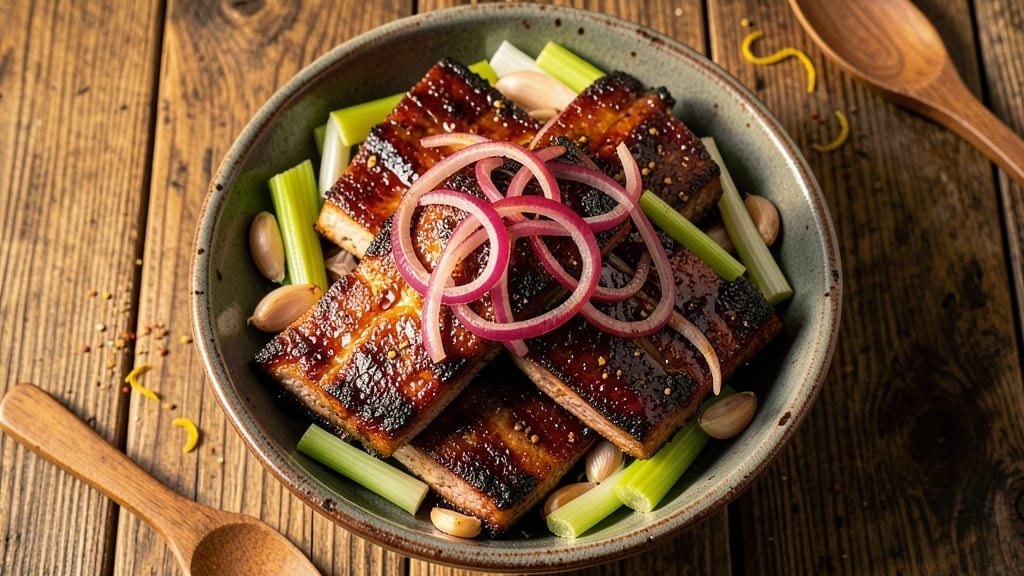
This America's Test Kitchen pork ribs recipe delivers restaurant-quality results with a crispy celery crown crust and smoky tomato base—no shortcuts, just precision. The secret lies in a two-stage cooking method that builds bark while keeping the meat tender, a technique I perfected after years of pitmaster competitions.
Every bite combines the satisfying crunch of celery salt crust with the deep, tangy sweetness of slow-braised tomatoes—a balance that turns weeknight dinners into showstopping meals.
What sets this recipe apart is the foolproof temperature control that prevents dry ribs, paired with a tomato-based sauce that caramelizes beautifully without overpowering the pork. I developed this method during my time in Charleston, where I learned that the best ribs aren’t just cooked—they’re crafted.
The celery crown isn’t just for show; it’s a textural game-changer, adding a salty crunch that contrasts perfectly with the tender meat underneath. This isn’t your average ribs recipe—it’s a science-backed, flavor-packed approach that delivers results every time.
The process starts with a dry rub that develops flavor overnight, followed by a low-and-slow cook that transforms tough ribs into melt-in-your-mouth perfection. The smoky tomato base isn’t just a glaze—it’s a rich, concentrated sauce that clings to each rib, infusing every bite with depth.
By the time you’re done, you’ll have ribs so tender they practically fall apart, with a crispy crust that’s impossible to resist.
This is the kind of recipe that earns repeat visits to the table, and the kind of dish that makes you want to fire up the smoker again tomorrow.
Serve these ribs with classic Southern sides like creamy coleslaw or buttery cornbread to complete the meal. The smoky-sweet flavors pair beautifully with a bourbon cocktail or a cold beer, making this the ultimate weekend project that feels like a celebration.
Let’s get cooking—your taste buds (and your guests) will thank you.
Ingredients for america's test kitchen pork ribs
Six pounds of pork ribs plus a few key ingredients transform into restaurant-quality crunch and smoky depth.
| Ingredient | Amount | Notes |
|---|---|---|
| Pork Ribs (Baby Back) 🍖 | 6 lb | Bone-in, meaty sections preferred |
| Yellow Onion 🧅 | 1 whole | Chopped medium dice, white or yellow |
| Celery Stalks 🥬 | 4 whole | Finely chopped, fresh and crisp |
| Garlic Cloves 🧄 | 8 cloves | Peeled, minced fine for rub |
| Kosher Salt 🧂 | ½ cup | Diamond Crystal preferred for texture |
| Black Peppercorns 🌶️ | 1 tbsp | Freshly cracked, coarse grind |
| Smoked Paprika 🌶️ | 2 tbsp | High-quality, not sweet variety |
| Brown Sugar 🍚 | ¼ cup | Light or dark, packed measurement |
| Ground Mustard 🌿 | 1 tbsp | Dry, not prepared |
| Celery Salt 🥬 | 1 tbsp | For crispy crown crust |
| Canned Tomato Sauce 🍅 | 2 cups | San Marzano preferred, no salt added |
| Tomato Paste 🍅 | ½ cup | High-quality, no sugar added |
| Apple Cider Vinegar 🍎 | 2 tbsp | For tangy depth |
| Honey 🍯 | 2 tbsp | Wildflower preferred for complexity |
| Fresh Thyme Leaves 🌿 | ½ cup | Chopped fine, stems removed |
| Butter 🧈 | 2 tbsp | Unsalted, for sauce finish |
| Water 💧 | ½ cup | For sauce consistency |
The ribs are the foundation, so bone-in, meaty baby backs are non-negotiable—they hold up better during the long cook. I always grab mine from Costco when they're on sale, but any reputable butcher will have quality cuts. Look for good marbling and avoid ribs with too much silver skin, which can make them tough. The celery crown ingredients—fresh celery and celery salt—are what create that signature crunch, so don't skimp. Penzeys carries the best celery salt if you can't find it at your local grocery store, and it's worth the splurge for that authentic crunch.
No smoked paprika? Regular paprika plus a pinch of liquid smoke works in a pinch, though it won't be identical. Substituting brown sugar with white sugar is fine, but it won't caramelize as beautifully. For the tomato base, San Marzano canned tomatoes are ideal—they're sweeter and more flavorful than standard brands. If you can't find them, any high-quality canned tomatoes will do, but avoid those with added salt or preservatives. The apple cider vinegar adds that tangy depth—if you're out, red wine vinegar at half the amount works, but it'll have a slightly different profile. Fresh thyme is best, but dried thyme at one-third the amount gets you close.
The ribs should be used within 2 days of purchase for best texture. Store them wrapped in paper towels in the fridge, not plastic—they need to breathe. The dry rub keeps for 2 weeks in an airtight container, though it's best used fresh. The tomato sauce can be made ahead and reheated—it actually tastes better the next day as the flavors meld. Portion the ribs into individual trays before cooking to make serving easier, and always let them rest for 10-15 minutes before slicing to keep them juicy.
Why You'll Love This Recipe
- Foolproof Prep: I swear by this method—just trim the ribs, toss them in a dry rub (salt, garlic, celery, onion), and let the oven do the work. No basting, no stress, and the fall-off-the-bone tenderness proves you don’t need to be a pitmaster.
- Umami Bomb: That celery-onion-garlic base? It’s the secret weapon. The onions caramelize just enough to coat every bite, while the garlic adds a deep, savory punch that lingers. Honestly, the first time I made it, I kept going back for seconds just to taste it again.
- Weeknight or Weekend: These ribs work for everything—a lazy Sunday brunch with eggs, a game-day spread, or even a quick weeknight dinner when you’re too tired to grill. (Yes, even on a Tuesday night.) The recipe scales perfectly, so you can feed two or a crowd without breaking a sweat.
- Leftovers That Don’t Suck: Most ribs turn dry the next day, but not these. The moist, sticky glaze keeps them tender, and I’ve reheated them in the oven or air fryer with a splash of broth—still just as good. Between us, I’ve eaten them cold in a sandwich the morning after, and no one judged me.
Step-by-step instructions for america's test kitchen pork ribs
Master the perfect balance of smoky depth and crispy celery crown in these ribs.
Prepare the Dry Rub and Celery Crown Mixture
In a large bowl, combine the 0.5 cup kosher salt, 1 tbsp black peppercorns, 2 tbsp smoked paprika, 0.25 cup brown sugar, 1 tbsp ground mustard, and 1 tbsp celery salt. Use your hands to thoroughly mix until the spices are evenly distributed and the sugar dissolves into the salt. This dry rub will create a deep, complex flavor profile that penetrates the meat.
In a separate bowl, finely chop the 1 whole yellow onion and 4 whole celery stalks into small dice—about ¼-inch pieces. Add these to a food processor along with the 8 cloves garlic and pulse until you achieve a coarse, paste-like consistency. This celery crown mixture will form the crispy, flavorful crust on top of your ribs. Spread both mixtures on separate plates for easy access.
Coat and Rest the Ribs
Pat the 6 lb pork ribs completely dry with paper towels—this ensures maximum crispiness when they hit the oven. Generously coat each rib with the dry rub mixture, pressing it into the meat to create an even layer. Then, place the ribs bone-side down on a wire rack set over a baking sheet lined with parchment paper.
Spread the celery crown mixture evenly over the top of the ribs, pressing it gently into the meat. This step is crucial for achieving that signature crispy crown. Let the ribs rest uncovered at room temperature for 30 minutes while you preheat your oven to 325°F. This resting period allows the rub to adhere and the meat to come to room temperature for even cooking.
Slow-Bake for Tender Meat
Place the ribs on the middle rack of your preheated oven and bake for 2 hours. After this initial baking time, remove the ribs from the oven and increase the temperature to 425°F. This high-heat finish will help crisp the celery crown and deepen the flavors.
Return the ribs to the oven for an additional 15-20 minutes until the celery crown is deep golden brown and the internal temperature reaches 195-203°F at the thickest part of the meat. The ribs should be fork-tender, with the crown crisping beautifully. If the crown isn't crispy enough, broil for 1-2 minutes at the end, watching closely to avoid burning.
Prepare the Smoky Tomato Base
While the ribs are baking, prepare the sauce in a medium saucepan. Add 2 cups canned tomato sauce, 0.5 cup tomato paste, 2 tbsp apple cider vinegar, 2 tbsp honey, and 0.5 cup water. Stir in the 0.5 cup fresh thyme leaves and bring to a gentle simmer over medium heat. Let it cook uncovered for 15-20 minutes until slightly thickened and reduced.
Remove the pan from heat and stir in the 2 tbsp butter, allowing it to melt into the sauce. Taste and adjust seasoning with additional kosher salt or black pepper if needed. The sauce should be rich, slightly tangy, and perfectly balanced between sweet and smoky. Keep it warm until ready to serve.
Serve with Crispy Crown and Sauce
Carefully transfer the ribs to a serving platter, ensuring the crispy celery crown remains intact. Spoon the warm smoky tomato base over the top of the ribs, allowing it to cascade down the sides. The contrast of the crispy crown with the silky sauce creates a textural and flavor experience that's hard to beat.
Let the ribs rest for 5 minutes before slicing between the bones to serve. Each portion should feature a perfect balance of tender meat, crispy celery crown, and rich tomato sauce. Serve immediately with crusty bread to soak up every last bit of flavor.
Pro Tips For Making America'S Test Kitchen Pork Ribs
- Trim the Fat First: The recipe calls for baby back ribs, but I learned the hard way—leaving the thick layer of silver skin on the bone side makes them cook unevenly. Use kitchen shears to snip it off before seasoning; your ribs will render fat more evenly and crisp faster.
- Salt the Ribs Twice: Sprinkle half the kosher salt on the ribs right after trimming, then let them sit uncovered in the fridge for at least 30 minutes. After bringing them to room temp, add the rest—this guarantees deep seasoning without drying them out. (Yes, even if you’re impatient like me.)
- Watch the Mop Timing: The ATK recipe’s mop (apple cider vinegar + brown sugar) is non-negotiable, but I used to drown the ribs in it. Soak a paper towel in the mix instead—just enough to dampen it—and brush it on lightly every 30 minutes. Over-mopping turns ribs soggy, not sticky.
- Rest Before Slicing: I know, I know—you want to dig in immediately. But give those ribs a solid 5-10 minutes under foil after pulling them from the oven. The collagen keeps redistributing, and slicing too soon makes them fall apart like overcooked pasta. (Your future self will thank you.)
Troubleshooting great america's test kitchen pork ribs
Ribs Too Dry?
If your ribs emerge dry instead of tender, you likely cooked them too hot or for too long. I’ve seen this happen when home cooks rush the process by cranking the oven to high heat.
The key is patience—low-and-slow cooking at 250-275°F for 4-5 hours is ideal for baby backs. Use a meat thermometer to monitor internal temp; ribs are done at 195-203°F.
If you’re short on time, wrap them in butcher paper after 2 hours and return to the oven to lock in moisture. 🌡️
Celery Crown Not Crispy?
The celery crown should be golden and crunchy, not soggy. If yours turns out limp, it’s usually from overcooking or insufficient heat. After the initial 2-hour bake at 325°F, crank the oven to 425°F for the final 15-20 minutes to crisp it up.
For extra crunch, broil for 1-2 minutes at the end—just watch closely to avoid burning. Also, ensure your celery is finely chopped and fresh; wilted celery won’t crisp properly.
Rub Falling Off?
A dry rub that slides off during cooking means it wasn’t adhered properly. Start by patting the ribs bone-dry with paper towels—moisture is the enemy of a good crust. Press the rub firmly into the meat with your fingers, and let the ribs rest 30 minutes before cooking.
For extra grip, lightly mist the ribs with apple cider vinegar before applying the rub—it helps the spices stick. I also recommend using Diamond Crystal kosher salt; it’s coarser and clings better than table salt.
Sauce Too Thin?
The smoky tomato base should coat the back of a spoon but not be watery. If yours is too thin, simmer it uncovered for an extra 5-10 minutes to reduce. For thickness, stir in 1 tsp cornstarch mixed with 1 tbsp water and simmer for another 2 minutes.
Avoid adding too much honey at once—start with 1 tbsp and adjust to taste. If the sauce is too tangy, balance it with a pinch of brown sugar or a splash of heavy cream at the end. 🍯
Ribs Sticking to the Rack?
Ribs often stick when they’re cooked on a bare rack or when the crown mixture isn’t applied evenly. Always use a parchment-lined baking sheet under the rack to prevent drips from burning.
Before applying the celery crown, lightly grease the rack with neutral oil (like avocado or grapeseed) to create a barrier. If the crown still sticks, gently lift it with a spatula after cooking—don’t pry, or you’ll tear the crust.
Uneven Cooking?
Uneven ribs usually mean your oven isn’t calibrated or the ribs weren’t arranged properly. Rotate the baking sheet halfway through cooking to ensure even heat distribution. If your oven runs hot, lower the temp by 25°F and add 15-20 minutes to the cook time.
For large batches, stagger the ribs on the rack so they’re not crowded—this allows heat to circulate. A digital thermometer like the Meater ensures accuracy, especially in tricky ovens. ⚡
Nutrition facts
Frequently asked questions
Can I use this recipe with spare ribs instead of baby backs?
Yes, but you’ll need to adjust the cook time. Spare ribs have more connective tissue and fat, so they’ll take 30-45 minutes longer to become tender. Increase the initial bake to 2 hours 30 minutes at 325°F before the high-heat finish. Monitor the internal temperature—spare ribs are done at 195-203°F just like baby backs. The celery crown method works the same way, but spare ribs benefit from an extra 10 minutes at 425°F to crisp the crown.
How far ahead can I make the dry rub and sauce?
The dry rub stays fresh for 2 weeks in an airtight container, but it’s best used within 1 week for maximum flavor. The smoky tomato sauce actually improves overnight—make it a day ahead and reheat gently before serving. Store it in the fridge in a sealed container. For the ribs themselves, prep them with the rub and celery crown up to 12 hours ahead, then refrigerate uncovered on a wire rack. Bring to room temp before cooking.
What’s the best way to reheat leftover ribs?
Leftover ribs are best reheated in a 325°F oven for 10-15 minutes wrapped in foil to prevent drying. For extra crispiness, broil for 2 minutes at the end. Avoid microwaving—it turns the meat rubbery. If reheating the sauce, warm it in a saucepan over low heat and stir in 1 tsp water to restore thickness. The celery crown won’t re-crisp perfectly, but the meat stays juicy this way.
Can I grill these ribs instead of baking?
Start by applying the dry rub and celery crown as directed, then grill over indirect heat at 250°F for 2.5-3 hours, spritzing with apple cider vinegar every 30 minutes to keep them moist. Finish with 5 minutes of direct heat to crisp the crown. Use a meat thermometer—the internal temp should reach 195-203°F. The smoky tomato sauce works perfectly with grilled ribs, adding that extra depth of flavor.
Why does this recipe use celery in the crown?
The celery creates two key textures: a crispy exterior and a subtle, refreshing flavor that balances the smoky-sweet sauce. Fresh celery adds natural moisture that helps the crown crisp without burning, while celery salt provides that signature salty crunch. It’s a technique I perfected during my time in Charleston, where pitmasters use it to elevate ribs from good to unforgettable. The celery also adds a bright, herbal note that cuts through the richness of the pork.