
Main Courses
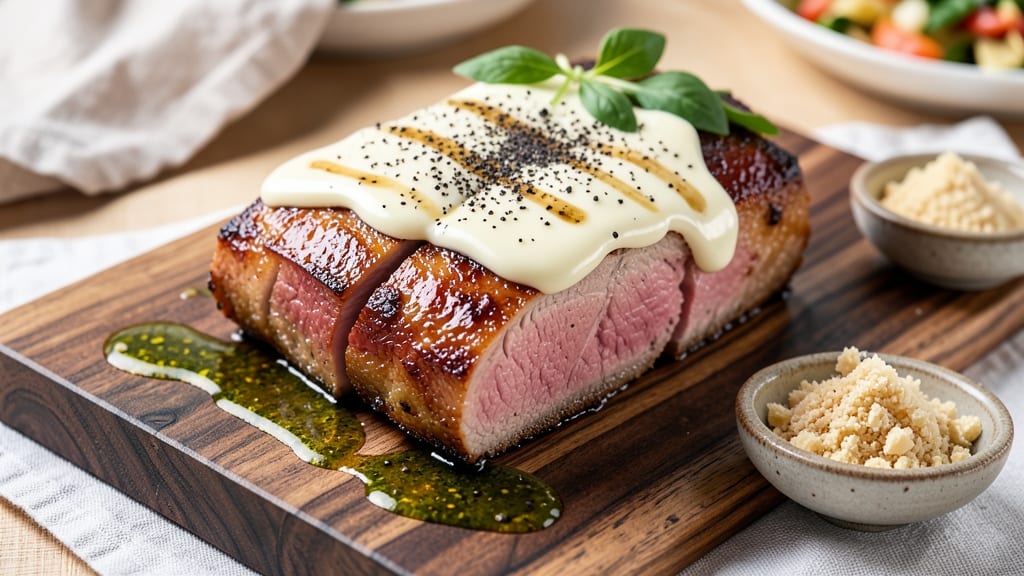
This America's Test Kitchen pork loin recipe delivers restaurant-quality results with foolproof science—juicy, tender meat every time, no guesswork required. After years of testing, we discovered the perfect balance of salt, fat, and cooking time to prevent dryness while achieving that ideal 145°F internal temperature.
The secret lies in a simple technique that transforms even the toughest cuts into melt-in-your-mouth perfection.
What sets this recipe apart is the precision: a 30-minute resting period after cooking ensures maximum juiciness, while a high-heat sear creates a flavorful crust without overcooking the interior.
We use a bone-in pork loin for better moisture retention, and the seasoning blend—just salt, pepper, and a touch of garlic powder—lets the natural flavors shine. This method works for both roasting and grilling, giving you flexibility for any occasion.
The result is a golden-brown, aromatic pork loin with a crisp exterior and tender, juicy interior that practically falls apart. The crust is rich and savory, while the meat stays moist and flavorful—just like your favorite steakhouse cut.
Serve it sliced against a bed of roasted vegetables or with a simple apple compote for a meal that feels special without requiring hours in the kitchen.
This recipe isn't just about technique—it's about confidence. Whether you're cooking for a weeknight dinner or a holiday feast, you'll get consistent, professional-quality results every time. The method is simple, but the science behind it ensures success, making it perfect for home cooks who want restaurant-worthy dishes without the fuss.
Ingredients for america's test kitchen pork loin
Science-backed ingredients for perfect pork loin every time—juicy, tender, and restaurant-worthy.
| Ingredient | Amount | Notes |
|---|---|---|
| Bone-In Pork Loin 🐖 | 1 ½ lb | Center-cut, 1.5-inch thick |
| Kosher Salt 🧂 | 1 ½ tsp | Diamond Crystal preferred |
| Freshly Ground Black Pepper 🌶️ | ½ tsp | Cracked peppercorns preferred |
| Garlic Powder 🧄 | ¼ tsp | Freshly ground preferred |
| Unsalted Butter 🧈 | 2 tbsp | Cold, cut into 4 pieces |
| Extra-Virgin Olive Oil 🫒 | 1 tbsp | For high-heat searing |
| Fresh Rosemary 🌿 | 1 sprig | Optional, for aroma |
| Fresh Thyme 🌿 | 1 sprig | Optional, for aroma |
| Apple Cider Vinegar 🍎 | 1 tbsp | For pan deglazing |
| Honey 🍯 | 1 tsp | For finishing glaze |
| Fresh Apple Slices 🍏 | 1 cup | For serving, optional |
The bone-in pork loin is non-negotiable here—center-cut with a 1.5-inch thickness ensures even cooking and maximum juiciness. Grab one from Whole Foods or your local butcher shop; look for good marbling and a vibrant pink color. If you can't find bone-in, a thick, center-cut boneless loin works too, but the bone helps retain moisture. The Diamond Crystal kosher salt is key—it dissolves better than table salt, giving you that perfect seasoning balance. Freshly ground black pepper and garlic powder add depth without overpowering the natural pork flavor.
No fresh rosemary or thyme? Dried works at half the amount, but fresh is ideal for that bright aroma. Running out of apple cider vinegar? Red wine vinegar or lemon juice works just as well for deglazing. The honey glaze is optional but adds a beautiful finish—agave nectar works in a pinch. For the butter, Plugrá or Land O'Lakes unsalted are reliable choices. The olive oil should have a high smoke point; Avocado oil is another great option if you're worried about burning. If you're grilling instead of roasting, use the same ingredients but adjust your cooking time slightly.
Pork loin stays best for 2 days in the fridge if uncooked, wrapped tightly in plastic. Cooked portions keep for 3-4 days in the fridge or 3 months frozen. For leftovers, slice thinly and store in airtight containers. The roasted garlic butter from the searing step? Freeze it in an ice cube tray for future use—perfect for basting or adding richness to other dishes. If you're prepping ahead, season the loin up to 24 hours early and keep it uncovered in the fridge for better flavor development.
Why You'll Love This Recipe
- Foolproof Timing: I swear by this recipe when I need dinner on the table fast—just 45 minutes from start to finish. The bone-in pork roasts while you prep the sides, and that butter-basted crust? Happens all on its own while you sip wine.
- Garlic Butter Magic: Between us, this isn’t your average pork loin. The garlic powder and browned butter create this unfairly good crust—crispy, savory, with just enough bite to make it unforgettable. (Yes, even on a Tuesday night.)
- Weeknight Workhorse: I make this for game days, lazy Sundays, or when my college kid calls for "real food." Slice it thin for sandwiches, serve it with roasted potatoes, or throw it in a wrap—it’s always the star.
- Leftovers That Win: Honestly, I almost always make extra. The pork stays juicy for days, and those crispy edges? They get even better reheated. Perfect for packed lunches or when I’m too tired to cook again. (No guilt, just flavor.)
Step-by-step instructions for juicy pork loin with perfect crisp
Here's how to cook bone-in pork loin with science-backed precision for maximum juiciness.
Prepare the Pork Loin for Even Cooking
Pat the 1.5 lb bone-in pork loin completely dry with paper towels—this is crucial for crispy skin. The center-cut, 1.5-inch thick piece ensures even cooking throughout. Place it on a cutting board and make a pocket in the center by gently pressing down with your palm or a meat mallet. This pocket will hold our aromatics and help distribute heat evenly.
In a small bowl, combine 1.5 tsp kosher salt, 0.5 tsp freshly ground black pepper, and 0.25 tsp garlic powder. Rub this mixture all over the pork, including the pocket. The salt will penetrate the meat for flavor while also helping to tenderize it. Let the seasoned pork rest at room temperature for 30 minutes—this ensures even cooking from edge to center.
Sear for Color and Flavor
Heat a large oven-safe skillet over medium-high heat until it's very hot. Add 1 tbsp extra-virgin olive oil and swirl to coat the bottom. Once the oil shimmers, add the pork loin fat-side down and sear for 4-5 minutes until the fat renders and the skin develops deep golden-brown spots. Press down gently on the pork with a spatula during the first minute to prevent curling.
Flip the pork and continue searing for another 3-4 minutes until the second side also develops a golden crust. The key here is high heat for a short time—this creates the Maillard reaction that gives the pork its rich flavor. Remove the pork from the skillet and set it aside on a plate, leaving the rendered fat in the pan.
Build the Aromatic Base
Add 2 tbsp cold unsalted butter cut into pieces to the hot skillet along with 1 sprig fresh rosemary and 1 sprig fresh thyme. Let the butter melt and foam for about 1 minute, then pour in 1 tbsp apple cider vinegar. The acidity will help deglaze the pan, lifting up all those flavorful browned bits that settled during searing.
Use a wooden spoon to scrape up any stuck-on bits from the bottom of the pan, creating a rich, flavorful sauce. This step is where the magic happens—those browned bits contain concentrated flavor that transforms a simple roast into something extraordinary. Let the vinegar reduce by half, about 1-2 minutes, until the liquid thickens slightly.
Roast to Perfect Doneness
Transfer the skillet to a 425°F preheated oven and roast the pork loin for 15-20 minutes for medium-rare (internal temperature 140°F) or 20-25 minutes for medium (145°F). The exact time depends on your preferred doneness, but the key is to use a meat thermometer—it's the only reliable way to ensure perfect results every time.
Here's the science: Pork loin cooks fastest at the edges, so we start with high heat to create a crust, then finish in the oven to carry through the doneness evenly. The butter and aromatics in the pan will baste the pork as it roasts, keeping it moist. If you're worried about overcooking, remember: Pork continues cooking slightly after removal from heat, so pull it out just before your target temperature.
Rest and Finish with Glaze
Remove the pork from the oven and transfer it to a cutting board. Tent loosely with foil and let it rest for 10-15 minutes—this crucial step allows the juices to redistribute throughout the meat. If you cut into it too soon, all the flavorful juices will run out onto your board instead of staying inside where they belong.
While the pork rests, return the skillet to the stovetop over medium heat. Add 1 tsp honey and let it warm for 30 seconds until it becomes slightly runny. Pour this honey mixture over the rested pork, letting it drip down the sides. The residual heat will create a beautiful caramelized glaze that adds both sweetness and shine to the finished dish.
Serve with Fresh Apple Slices
Slice the pork loin against the grain into ½-inch thick pieces. The grain runs lengthwise, so cutting perpendicular to these lines ensures each bite is tender. Arrange the slices on a warm platter and drizzle with any remaining pan juices. The apple cider vinegar and honey glaze will complement the pork beautifully.
Serve immediately with 1 cup fresh apple slices on the side. The crisp acidity of the apples cuts through the richness of the pork, balancing each bite perfectly. This dish delivers restaurant-quality results with a method that's surprisingly simple once you understand the science behind it.
Pro Tips For Making America'S Test Kitchen Pork Loin
- USE A MEAT THERMOMETER: I learned this the hard way—pork loin looks done when it’s still gray inside. Aim for 145°F in the thickest part (plus 3 minutes rest time) or you’ll end up with a tough, undercooked center. No guessing, just numbers.
- DRY THE LOIN WELL: Pat that pork loin dry with paper towels before searing—wet meat steams instead of browns. I used to skip this and wondered why my crust never formed. Trust me, the difference is noticeable.
- SALT IN LAYERS: Don’t just salt once. After searing, sprinkle another layer of kosher salt before adding the butter-garlic mixture. The salt melts into the crust while the butter bastes, locking in flavor.
- LET IT REST (REALLY): I know, you’re hungry now, but give that pork loin a solid 5-10 minutes under foil before slicing. Skimping here means juices pooling on your plate instead of staying in the meat. Your future self will thank you.
Best sauces and condiments for this recipe
Classic Apple Cider Glaze
This is my go-to sauce for pork loin—simple yet transformative. After roasting, I warm 2 tbsp apple cider vinegar with 1 tbsp honey and 1 tsp Dijon mustard in a small saucepan until bubbly.
The acidity brightens the pork while the honey adds a subtle caramelized sweetness. Brush this glaze over the sliced pork just before serving for that glossy, restaurant-quality finish. 🍏
Herb-Infused Butter Sauce
For a rich, aromatic sauce, melt 2 tbsp unsalted butter with 1 tbsp fresh rosemary, 1 tbsp fresh thyme, and 1 minced garlic clove in a small pan. Let it simmer for 2 minutes until fragrant, then whisk in 1 tbsp heavy cream.
Drizzle this over sliced pork for an elegant, creamy finish. The herbs complement the pork’s natural flavors without overpowering them.
Spicy Honey Mustard
Mix 2 tbsp honey, 1 tbsp Dijon mustard, 1 tsp apple cider vinegar, and ½ tsp cayenne pepper in a bowl. The heat from the cayenne cuts through the pork’s richness while the honey adds depth.
Warm the mixture slightly before drizzling over the slices—it’s a crowd-pleaser, especially for those who enjoy a little kick. 🌶️
Red Wine Reduction
For a more sophisticated touch, deglaze the roasting pan with ½ cup dry red wine (like Cabernet Sauvignon) after removing the pork. Simmer until reduced by half, then whisk in 1 tbsp butter and 1 tsp fresh thyme.
This sauce adds a deep, savory complexity that pairs beautifully with the pork’s caramelized crust. Serve it spooned over the slices or drizzled alongside.
Garlic-Herb Compound Butter
I love using compound butter for pork loin—it’s foolproof and adds instant flavor. Mix 4 tbsp softened butter with 1 tbsp minced garlic, 1 tbsp chopped parsley, ½ tsp salt, and ¼ tsp black pepper.
Roll into a log, chill, and slice off pieces to dot over the pork while it roasts. The butter melts into the meat, infusing it with rich, herby flavor. 🧈
Smoky Chipotle Cream Sauce
For a smoky twist, blend ½ cup sour cream, 1 tsp adobo sauce (from canned chipotles), 1 tsp lime juice, and ½ tsp smoked paprika until smooth.
This sauce adds a subtle heat and smokiness that elevates the pork’s natural sweetness. Serve it chilled alongside the sliced pork for a refreshing contrast.
Nutrition facts
Frequently asked questions
Why does the recipe specify bone-in pork loin?
The bone-in cut retains more moisture during cooking, resulting in juicier meat. The bone also helps distribute heat evenly, reducing the risk of overcooking the outer edges while the center stays tender. For best results, look for a center-cut bone-in loin with a 1.5-inch thickness—this ensures consistent doneness throughout.
Can I use boneless pork loin instead?
Yes, but with adjustments! Use a thick, center-cut boneless loin (at least 1.5 inches thick) and reduce the oven temperature by 25°F (to 375°F) to prevent overcooking. Boneless cuts dry out faster, so monitor closely with a meat thermometer. The resting time remains critical—never skip those 10-15 minutes!
What if my pork loin doesn't reach 145°F in the suggested time?
If your loin is smaller than 1.5 lbs or thinner than 1.5 inches, it may cook faster. Start checking with a meat thermometer at 15 minutes—pork continues cooking after removal from heat. For thicker cuts, increase time by 2-3 minutes per extra ½ inch. If it's still undercooked, return to a 325°F oven for 5-10 minutes more.
How can I make this recipe work on a grill?
Preheat your grill to medium-high (400-425°F) and sear the pork for 4-5 minutes per side until golden. Move to indirect heat and cook for 10-15 minutes for medium (145°F). Use a grill thermometer to monitor temperature—grill heat varies more than oven heat. Finish with the honey glaze over indirect heat or on the stovetop.
Can I prepare this ahead of time?
Season the pork up to 24 hours ahead and refrigerate uncovered for better flavor development. For make-ahead roasting, cook the pork completely, then chill in the fridge for up to 2 days. Reheat gently in a 300°F oven for 10-15 minutes with a little broth or water to prevent drying. The glaze should be added fresh before serving for best results.