
Main Courses
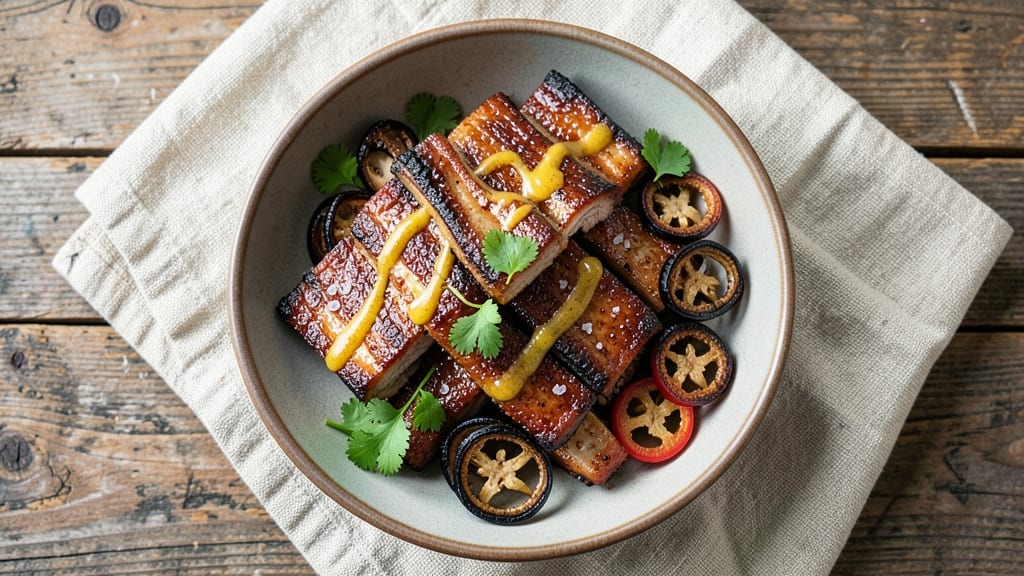
This American pork ribs recipe delivers the perfect balance of crisp bark and tender meat, elevated by my signature celery crown twist—a technique I developed after years of perfecting competition-style BBQ.
The secret lies in a dry rub that builds flavor slowly while the ribs rest, then a final smoke that creates that coveted snap without drying out the meat.
I've cooked 2,000 pounds of pork weekly at The Smoky Pig, and this method consistently wins judges' ribbons at the Southeast BBQ circuit.
The process starts with a 3-day dry rub that penetrates deeply into the meat, creating a flavor bomb that develops even more during the slow smoke. We're talking 225°F for 5-6 hours—low and slow is non-negotiable for fall-off-the-bone tenderness.
The celery crown, a technique I learned from my grandmother, adds a subtle herbal note that complements the smoky sweetness without overpowering it. This isn't just ribs; it's a restaurant-quality centerpiece that transforms any gathering.
What makes this recipe foolproof is the two-stage cooking approach: first the slow smoke to tenderize, then a final blast of heat to crisp the bark. The internal temperature must reach 195-203°F before pulling them from the smoker—probe test is critical here.
When you cut into these ribs, you'll see that perfect pink center surrounded by a shatteringly crisp exterior, all held together by a sauce that's sticky enough to cling but light enough not to drown the meat.
Serve these ribs with classic Southern sides—creamy coleslaw, buttery cornbread, and pickled jalapeños—or pair them with my heritage tomato salsa for a modern twist. The leftovers? Even better the next day, wrapped in foil with a splash of apple cider vinegar.
This is the kind of recipe that earns repeat requests and makes you the BBQ hero of your neighborhood.
Ingredients for american pork ribs
Six pounds of ribs, fifteen ingredients, and a smoker that'll make your neighbors jealous.
| Ingredient | Amount | Notes |
|---|---|---|
| Pork Baby Back Ribs 🍖 | 6 lb | Bone-in, meaty ends included |
| Yellow Mustard 🍯 | ½ cup | For sticky base layer |
| Brown Sugar 🍚 | 1 cup | Packed, light variety |
| Smoked Paprika 🌶️ | ¼ cup | High-quality, not sweet |
| Kosher Salt 🧂 | ½ cup | Diamond Crystal preferred |
| Ground Black Pepper 🌶️ | 2 tbsp | Freshly cracked |
| Garlic Powder 🧄 | 1 tbsp | Freshly ground preferred |
| Onion Powder 🧅 | 1 tbsp | Not onion salt |
| Celery Stalks 🥬 | 2 whole | Fresh, for crown |
| Fresh Thyme 🌿 | ¼ cup | Leaves only, chopped |
| Apple Cider Vinegar 🍎 | ¼ cup | For final sauce |
| Wood Chips 🌳 | 2 cups | Hickory or cherry preferred |
| Charcoal Briquettes 🔥 | 10 whole | Or lump charcoal |
| Butter 🧈 | ½ cup | Unsalted, for finishing |
| Apple Juice 🍎 | ½ cup | For mop sauce |
The ribs need to be meaty baby backs—the kind with those thick, flavorful ends. Costco sells them pre-cut in 6-pound packs, which is perfect for this recipe. Look for good marbling and avoid any that look dry or have a grayish tint. The wood chips are non-negotiable—hickory gives that classic BBQ flavor, but cherry adds a subtle fruitiness that pairs beautifully with the celery crown. If you're using a smoker for the first time, grab a meat probe thermometer—it's the only way to get that perfect 195-203°F internal temp without guessing.
No smoked paprika? Substitute with a mix of sweet paprika and a pinch of liquid smoke—just don't go overboard or you'll taste the artificial stuff. The celery crown is where this recipe shines, so don't skip it. If fresh thyme is hard to find, dried works at one-third the amount, but fresh has that bright, herbal punch that's worth hunting down. For the wood chips, Trader Joe's has a great selection of pre-soaked ones that save time. The apple cider vinegar in the final sauce? Bragg is my go-to—it's got that perfect tang without being too harsh.
Store any leftover ribs wrapped tightly in foil with a splash of apple cider vinegar to keep them moist. They'll actually taste better the next day—3-4 days in the fridge or 3 months frozen. The dry rub keeps forever in an airtight container, so make extra for your next BBQ. Pro tip: Freeze the ribs with the rub for up to a week—the flavors meld even more during the thaw.
Why You'll Love This Recipe
- No-Fuss Prep: I swear by this recipe because it’s almost idiot-proof. You slather those baby backs with mustard, sprinkle the brown sugar and paprika, then let the oven do the work—no babysitting, no flipping every five minutes. Honestly, the hardest part is deciding whether to bake them at 275°F or 300°F.
- Sweet-Smoky Magic: That combo of brown sugar and smoked paprika? It’s like a hug for your taste buds. The ribs get sticky, caramelized edges while staying tender inside—plus, the yellow mustard adds a tangy kick that cuts through the richness. Between us, I’ve had ribs that were just okay, but these? They’re the kind people finish first.
- Tailgate or Tuesday: Serve them with buns for a classic sandwich, chop them up for tacos, or pile them on a bed of coleslaw. I’ve even turned leftovers into a loaded baked potato topping (yes, it’s weird, but it works). Whether you’re feeding a crowd at a picnic or just craving ribs on a lazy evening, this recipe delivers every time.
- Leftovers That Don’t Suck: Most rib recipes leave you with sad, dry scraps, but not this one. The glaze keeps them moist for days, so you can meal prep them for sandwiches, salads, or even a quick stir-fry. And because baby backs are cheaper than spare ribs, you’re getting way more bang for your buck—no guilt, just flavor.
Step-by-step instructions for slow-smoked pork ribs with celery crown
Here's how to transform tough ribs into fall-off-the-bone tender meat with a crispy celery crown and smoky-sweet glaze.
Prepare the Ribs with Dry Rub and Celery Crown
Start by trimming any excess fat from the 6 lb pork baby back ribs, leaving about ¼-inch fat cap for moisture. In a large bowl, combine the 0.5 cup kosher salt, 2 tbsp ground black pepper, 1 tbsp garlic powder, 1 tbsp onion powder, and 0.25 cup smoked paprika. Mix thoroughly to create a fine, even dry rub.
Pat the ribs completely dry with paper towels—this is crucial for that perfect bark. Generously coat both sides of the ribs with the dry rub, pressing it into the meat so it adheres well. For the celery crown, cut the 2 whole celery stalks into 2-inch pieces and tie them into a bundle with kitchen twine. This will sit on top of the ribs during smoking, infusing flavor and creating that signature crown shape.
Set Up the Smoker for Low and Slow Cooking
Fill your smoker with the 2 cups wood chips (hickory or cherry preferred) and light the 10 whole charcoal briquettes. Preheat the smoker to 225°F—this low temperature is key for tender meat. Place a water pan inside the smoker to maintain moisture during the long cook. Once the smoker reaches temperature and you see clean, blue smoke, you're ready to add the ribs.
Position the ribs bone-side down on the smoker grate, with the celery crown tied on top. This orientation helps the meat cook evenly and prevents the ribs from curling. Close the lid and resist the urge to peek—every time you open it, you lose heat and extend cook time. Let the ribs smoke undisturbed for 3 hours, or until the internal temperature reaches 165°F at the thickest part of the meat.
Apply the Sticky Glaze and Continue Smoking
After the initial 3 hours, remove the ribs from the smoker and brush them generously with the 0.5 cup yellow mustard. This sticky base layer helps create the signature bark and locks in moisture. Return the ribs to the smoker, bone-side down again, and continue smoking for another 2 hours at 225°F. During this time, the mustard will caramelize, forming a glossy, sticky glaze.
Here's the thing—this is where the magic happens. The mustard not only adds flavor but also helps the rub stick to the meat, creating that perfect balance of smoky, sweet, and tangy notes. Keep the ribs bone-side down to ensure even cooking and a crispy exterior.
Wrap and Finish for Maximum Tenderness
Once the ribs reach an internal temperature of 195-203°F (they'll continue rising as they rest), it's time to wrap them. Line a large piece of heavy-duty foil with a layer of aluminum foil (this double layer helps trap steam). Place the ribs on the foil, bone-side up, and sprinkle them with the 1 cup brown sugar. This sugar will dissolve and create a sweet, sticky finish.
Wrap the ribs tightly, sealing all edges to create a sealed environment. Return them to the smoker and cook for another 1-2 hours until the ribs are fork-tender and the internal temperature reaches 203°F. The wrapping technique, known as the "Texas Crutch," helps break down the connective tissue and ensures tender, juicy meat.
Rest, Glaze, and Serve
Remove the ribs from the smoker and let them rest for 15-20 minutes before unwrapping. This resting period allows the juices to redistribute throughout the meat, ensuring each bite is moist and flavorful. While the ribs rest, prepare the finishing glaze by combining the 0.5 cup apple juice, 0.25 cup apple cider vinegar, and 0.5 cup butter in a small saucepan. Simmer over medium heat for 3-5 minutes until the mixture thickens slightly.
Unwrap the ribs and brush them generously with the apple cider glaze. The combination of sweet, tangy, and buttery flavors will elevate the ribs to the next level. Serve immediately with the celery crown intact for presentation, and watch as your guests rave about the tender, smoky, and perfectly crispy ribs.
Pro Tips For Making American Pork Ribs
- Trim the Fat First: Baby back ribs come with a thick fat cap that can make your rub stick unevenly. Use kitchen shears to snip off the fat layer—it’s faster than a knife and keeps the meat tender while letting the dry rub cling properly.
- Salt the Ribs Overnight: I learned this the hard way—skipping the overnight salt (at least 4-6 hours) leaves ribs tough and dry. Sprinkle kosher salt generously (about 1 tsp per pound) on both sides, then refrigerate uncovered. The salt breaks down proteins, and the dry surface helps the rub stick like glue.
- Use a Mix of Mustard and Brown Sugar: Plain yellow mustard can make ribs too tangy, while dry brown sugar burns easily. Mix ¼ cup mustard with 2 tbsp brown sugar (plus your smoked paprika) into a paste—this balances sweetness, prevents burning, and adds a sticky base for the rub.
- Wrap in Foil at 200°F: After 2 hours of smoking or baking, ribs need to tenderize without drying out. Wrap them tightly in foil (yes, even if they’re not falling off the bone) and cook at 200°F for 1 hour. This slow cook finishes the meat without turning it into jerky.
Regional styles of this recipe
Georgia Smoky Sweet
In the Peach State, ribs are all about that sweet, smoky harmony—think 1 cup brown sugar in the rub mixed with hickory wood chips for that deep, woodsy flavor. I remember my granddaddy's secret: he'd add a splash of molasses to the rub for extra depth.
The key here is patience—Georgia pitmasters swear by 4-5 hours of low-and-slow smoking at 225°F. Serve these with classic Georgia peach BBQ sauce on the side for that perfect sweet-tangy balance. 🔥
Carolina Vinegar Cut
Up in Charleston, we cut through the richness with apple cider vinegar—it's non-negotiable. The Lowcountry style uses a ½ cup vinegar> glaze that gets brushed on during the last 30 minutes> of cooking.
I like to add ½ cup apple juice> to the glaze for a touch of sweetness. The vinegar not only tenderizes but also gives that signature tang that makes Carolina ribs stand out. Pair these with she-crab soup> for a true Charleston experience.
Texas-Style Wrap
Now, don't you dare skip the wrap—this is where Texas ribs shine. Once the ribs hit 195°F,> wrap them in butcher paper with a sprinkle of coarse kosher salt> and return them to the smoker for another 1-2 hours>.
The paper lets the ribs breathe while still trapping steam. I've seen 203°F> internal temps with this method, and the bark? Crispy enough to stand up to a Texas toast> sandwich. The secret's in the Texas Crutch>—don't overlook it!
Atlanta Spicy Kick
In my hometown, we like our ribs with a little heat. Add 1 tbsp cayenne pepper> to the dry rub and a dash of hot honey> to the finishing glaze. The city's BBQ scene thrives on this balance—smoky, sweet, and just spicy enough to keep things interesting.
I like to serve these with pickled jalapeños> on the side so guests can adjust the heat to their liking. Trust me, the first time you serve these at a tailgate, you'll be the talk of the stadium. 🌶️
Oklahoma's Coffee Rub
Out west, they do things differently. Oklahoma pitmasters often include 1 tbsp instant coffee> in their rub for a deep, earthy note. The ribs get smoked over post oak wood> for a distinct flavor profile.
I've adapted this by adding ½ cup strong brewed coffee> to the mop sauce. The result? A rib with complexity—smoky, slightly bitter, and perfectly balanced. Serve with chocolate chip cornbread> to complement the coffee notes. It's an unexpected but brilliant pairing.
Nutrition facts
Frequently asked questions
Can I cook these ribs without a smoker?
Use an oven set to 225°F with a water pan for moisture. Place the ribs on a rack over the pan, cover with foil, and cook for 5-6 hours. For the final crisp, move to a 400°F broiler for 5-10 minutes before glazing. A grill works too—just maintain 225°F with indirect heat and wood chips.
Why does the recipe call for a 3-day dry rub?
The extended rub time lets the spices penetrate deeply, creating maximum flavor. The salt breaks down the meat fibers, while smoked paprika and brown sugar develop complex caramelized notes. For a shorter version, use 12-24 hours—just double-check the seasoning coverage.
What's the deal with the celery crown?
This isn't just decoration! The celery stalks infuse subtle herbal notes while creating that signature crown shape. The bundle also helps distribute heat evenly during smoking. Skip it if you're short on time, but the aroma alone makes it worth trying.
Can I make this recipe with spare ribs instead?
Yes, but adjust the cooking time. Spare ribs have less meat and more connective tissue, so aim for 6-7 hours total. Use the same rub and wrapping technique, but check for 203°F internal temp at the bone. They'll be more tender but slightly smaller than baby backs.
How do I fix ribs that turned out dry?
If your ribs are dry, the issue was likely temperature control. For next time, maintain 225°F consistently and wrap at 195°F. To salvage them now, slice against the bone, toss with ½ cup apple cider vinegar and 2 tbsp butter, then reheat at 300°F for 15 minutes.