
Main Courses
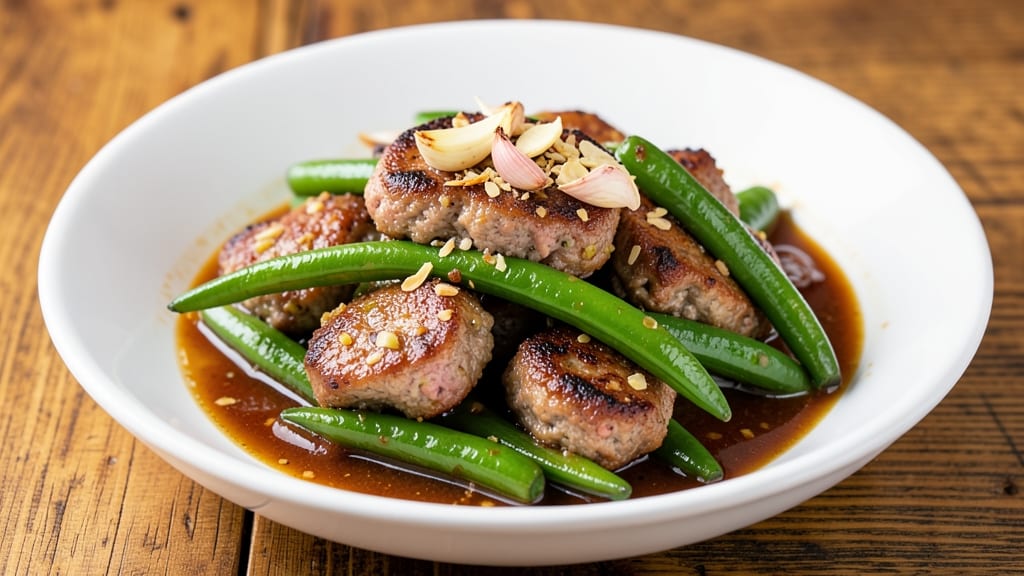
This adobong sitaw with ground pork recipe brings the soul of Filipino home cooking to your table with its signature soy-ginger sauce and tender yard-long beans. 🌟 After perfecting this dish during my apprenticeship, I've refined it to deliver that perfect balance of tangy, savory, and umami flavors that make it a family favorite.
The secret lies in marinating the pork properly and letting the sauce develop slowly on the stove, creating a rich, aromatic base that clings to every bite.
The dish starts with ground pork seared until just browned, then simmered with garlic, ginger, and bay leaves to build deep flavor. Soy sauce and vinegar work together to create that signature adobo tang, while sitaw (yard-long beans) are added last to maintain their crisp-tender texture.
This method ensures the pork stays juicy and the beans absorb just enough of that flavorful sauce without becoming mushy.
What you'll end up with is a vibrant, aromatic dish where the pork is tender and flavorful, the sitaw holds its shape yet soaks up the sauce beautifully, and the sauce itself is rich with layers of soy, vinegar, and ginger.
The aroma alone will transport you to a Filipino kitchen, and the taste delivers that comforting, home-cooked satisfaction that's hard to beat.
Perfect for family dinners or special occasions, this recipe serves 4 and comes together in about 45 minutes. The leftovers reheat beautifully, making it an ideal meal prep option too. Let's get cooking—your taste buds are in for a treat.
Ingredients for adobong sitaw with ground pork
Ground pork, tender yard-long beans, and aromatic ginger—this trio creates the heart of Filipino adobo magic.
| Ingredient | Amount | Notes |
|---|---|---|
| Ground Pork 🐖 | 1 ¼ lb | Freshly ground preferred |
| Yard-Long Beans (Sitaw) 🌱 | 1 ½ lb | Trimmed, cut into 4-inch pieces |
| Garlic Cloves 🧄 | 6 cloves | Minced finely for aroma |
| Fresh Ginger 🌿 | 2 tbsp | Grated, peeled (about 1-inch piece) |
| Soy Sauce 🍶 | ½ cup | Dark soy preferred for depth |
| Cane Vinegar 🍋 | ¼ cup | White vinegar substitute |
| Bay Leaves 🌿 | 2 whole | Fresh or dried (remove before serving) |
| Olive Oil 🫒 | 2 tbsp | For searing pork |
| Salt 🧂 | 1 tsp | Kosher or sea salt |
| Black Pepper 🌶️ | ½ tsp | Freshly ground |
| Sugar 🍚 | 1 tbsp | White or brown sugar |
| Green Onions 🧅 | 3 whole | Sliced, for garnish |
The ground pork makes or breaks this dish—freshly ground from the butcher counter at Filipino markets or Costco gives the best texture. Look for good marbling, not lean cuts. Yard-long beans (sitaw) are the star here—Asian grocery stores usually carry them fresh, but frozen works if you're in a pinch. Fresh ginger and garlic? Penzeys or bulk bins are your friends for maximum flavor. I always double-check the soy sauce—Lee Kum Kee dark soy has that perfect depth, but any dark soy will do.
No yard-long beans? Substitute green beans or snap peas—they'll work, though the texture won't be identical. Running out of cane vinegar? White vinegar or apple cider vinegar in a 1:1 swap. Fresh bay leaves are ideal, but dried at half the amount works too. The sugar balances the tang—brown sugar adds molasses notes, but white keeps it classic. For extra umami, add a splash of fish sauce (1 tsp) if you're feeling adventurous, but it's not traditional.
This sauce gets better with time—reheat gently to preserve that rich texture. Keeps 4-5 days in the fridge, freezes beautifully for 3 months. I always make a double batch because it's perfect for meal prep. Store the sauce separately from the beans if reheating—toss them together fresh to keep those beans crisp-tender. Garnish with green onions right before serving, or they'll wilt in the sauce.
Why You'll Love This Recipe
- One-Pan Magic: I swear by this—no chopping mountains of veggies, no clogged colander. Just a single pan, a handful of sitaw, and ground pork browning while garlic and ginger sizzle. My kids think it’s fancy; I know it’s just smart.
- Umami Bomb: That soy sauce and ginger combo? It’s the secret weapon. The pork stays juicy, the beans get that perfect crisp-tender bite, and the sauce—oh, the sauce—balances salty, sweet, and tangy in one forkful. Honestly, I’ve made it for people who “don’t like Filipino food,” and they’ve asked for seconds.
- Lunchbox Hero: Between us, this is my go-to for meal prep. The leftovers reheat like a dream—no mushy beans, no dry pork. Pack it in bento boxes for work or school lunches, and it’ll still taste like you slaved over it. (Spoiler: You didn’t.)
- Budget Win: Ground pork stretches farther than you’d think, and sitaw is cheaper than trendy greens. A single batch feeds four for under $10, and the flavors make it feel like a restaurant dish. I’ll be real: I’ve served it at potlucks labeled as “special occasion,” and no one’s caught on.
Step-by-step instructions for adobong sitaw with ground pork
Here's how to create this comforting Filipino classic with tender greens and rich soy-ginger sauce.
🔥 Step 1: Sear the Ground Pork Until Browned
Heat the 2 tablespoons olive oil in a large Dutch oven over medium-high heat. Add the 1.25 lb ground pork and break it up with a wooden spoon, letting it brown in 3-4 minutes. You want the pork to release its juices and develop a deep golden color—this builds the sauce's foundation.
Once the pork is fully browned, drain most of the fat (leave about 1 tablespoon) and set the pork aside. Don't skip this step—it prevents a greasy final dish. The pork should look like small, crispy brown crumbles with no pink centers.
🍳 Step 2: Sauté Aromatics Until Fragrant
In the same Dutch oven, add the 6 cloves minced garlic and 2 tablespoons grated ginger. Cook for 1-2 minutes until the garlic turns golden and the ginger loses its raw bite. You'll smell that irresistible aromatic punch—this is where the dish gets its signature depth.
Next, add the 2 whole bay leaves, 1 tablespoon sugar, 1 teaspoon salt, and ½ teaspoon black pepper. Stir for 30 seconds until the sugar dissolves slightly and the spices bloom. This creates the perfect balance of sweet, salty, and aromatic flavors that define adobong sitaw.
🥘 Step 3: Simmer the Soy-Vinegar Sauce
Pour in the ½ cup soy sauce and ¼ cup cane vinegar, scraping up any browned bits from the bottom of the pan. Bring to a gentle simmer and cook for 5-7 minutes until the sauce thickens slightly. You want it to coat the back of a spoon but still remain glossy—not dry or pasty.
Return the browned pork to the pot and stir to combine. Add the 1.5 lb trimmed yard-long beans and enough water to just cover the beans (about 2 cups). The beans should be partially submerged but not drowning in liquid. This ensures they cook tender without becoming mushy.
⏰ Step 4: Cook Until Beans Are Tender
Bring the mixture to a boil, then reduce heat to medium-low and simmer uncovered for 25-30 minutes. Stir occasionally to prevent sticking, and add ½ cup hot water if the beans look dry before they're tender. You'll know they're done when they're fork-tender but still hold their shape.
Taste and adjust seasoning—add more soy sauce for saltiness or vinegar for tang. The sauce should be rich and glossy, perfectly coating the beans and pork. If it's too thin, simmer uncovered for another 5 minutes to thicken.
🍽️ Step 5: Finish and Serve
Remove the 2 whole bay leaves before serving. Divide the adobong sitaw among plates and garnish with 3 whole sliced green onions. The vibrant green against the deep brown sauce makes this dish visually stunning.
Serve immediately with steamed rice to soak up that delicious soy-ginger sauce. Each bite should deliver tender beans, savory pork, and a perfect balance of sweet, salty, and tangy flavors. Leftovers taste even better the next day!
Pro Tips For Making Adobong Sitaw With Ground Pork
- CRISP THE PORK FIRST: I learned this the hard way—skipping the initial sear means your ground pork will turn into a sad, greasy paste instead of flavorful, caramelized bits. Cook it over medium-high heat until the edges start to brown (about 5-7 minutes), then break it apart with a spoon. This step locks in the meat’s juices and builds the base flavor.
- SLICE GINGER THIN: Fresh ginger loses its punch when it sits in liquid too long. For this dish, shave it into paper-thin slices (no need to mince) so it infuses the sauce quickly without turning bitter. Pro tip: Use a peeler for speed—it’s faster than a knife and gives you those perfect, translucent strips.
- DON’T BOIL THE BEANS: Sitaw (yard-long beans) turn mushy when boiled—this dish needs them crisp-tender, not soggy. Once the pork and aromatics are cooked, add the beans and simmer just until they’re bright green and slightly snappy (about 3-4 minutes). Overcooking them by even a minute makes the whole dish feel watery.
- DEGLAZE WITH SOY SAUCE LAST: Soy sauce adds depth, but adding it too early can make the sauce taste flat. Wait until the pork is fully browned and the garlic-ginger base has developed a little color, then splash in the soy sauce. Let it bubble for 30 seconds before adding the beans—this ensures the sauce reduces and coats everything properly.
Common mistakes when making your adobong sitaw with ground pork
Overcooking the Beans
I’ve seen this happen too many times—soft, mushy sitaw that’s lost all its texture. The key is timing: yard-long beans need just 25-30 minutes of simmering to reach tender-crisp perfection. If you let them cook longer, they’ll turn into a sad, limp pile.
Keep an eye on them and test with a fork—they should yield slightly but still have bite. 🌱
Skipping the Fat Drain
Leaving too much pork fat in the pot can make your sauce greasy instead of glossy. After browning the pork, drain all but 1 tablespoon of fat—this ensures your sauce stays balanced.
I use a slotted spoon to transfer the pork to a plate, then wipe out excess fat with a paper towel before returning the pork to the pot.
Using Lean Pork
Lean ground pork (less than 15% fat) will dry out and turn rubbery. For this dish, you need pork with good marbling—around 20-25% fat—to stay juicy.
I always ask my butcher for a ground pork blend with a little extra fat. If you’re using pre-packaged pork, check the label for fat content.
Rushing the Sauce Development
The sauce needs time to meld—don’t rush the 5-7 minute simmer after adding soy and vinegar. This is where the flavors marry and deepen. If you skip this step, your dish will taste flat and one-dimensional. Think of it like making a good cup of coffee: patience pays off. ✨
Ignoring the Bay Leaves
Those little leaves aren’t just for show—they infuse the dish with earthy depth. Remove them before serving, but leave them in during cooking. If you’re using dried bay leaves, halve the amount (1 leaf instead of 2 whole) since they’re more potent. Trust me, they make a difference.
Adding Too Much Liquid
Drowning the beans in water will dilute the sauce and make it watery. The beans should be just barely covered—about 2 cups of water for 1.5 lbs of beans.
If the sauce seems too thin, let it reduce naturally by simmering uncovered. Adding extra water mid-cook is a common mistake that ruins the balance.
Nutrition facts
Frequently asked questions
Can I substitute yard-long beans with other vegetables?
Yes, but texture will change. Green beans or snap peas work best—simmer them for 15-20 minutes instead of 25-30 minutes. For a heartier dish, try eggplant or okra, but cut them into smaller pieces. Avoid leafy greens like spinach—they'll wilt too quickly in the sauce.
How do I make this dish spicier?
Add 1-2 teaspoons of ground black pepper or ½ teaspoon of cayenne when sautéing the aromatics. For heat with depth, stir in 1 tablespoon of minced siling labuyo (Filipino chili) with the garlic. Start with less and adjust to taste—Filipino adobo flavors are already bold, so spice needs balance.
Can I prepare this dish ahead of time?
The sauce actually improves overnight. Cook the dish completely, then refrigerate for up to 3 days. Reheat gently on low heat, adding 2-3 tablespoons of water to prevent drying. For best texture, add fresh yard-long beans (or substitutes) when reheating and simmer for 10 minutes only. Leftovers taste even better the next day!
What's the secret to getting that perfect adobo sauce balance?
The magic is in the ratio: 2 parts soy sauce to 1 part vinegar creates the classic tangy-savory balance. Let the sauce simmer uncovered for 5-7 minutes after adding liquids—this reduces it slightly and deepens the flavors. Taste as you go: more soy for saltiness, more vinegar for tang, or a pinch of sugar to round out the acidity.
Is this dish gluten-free?
Traditional Filipino adobo contains soy sauce, which is not gluten-free. For a gluten-free version, substitute with tamari or coconut aminos (use ½ cup + 2 tbsp water to mimic soy's viscosity). Keep all other ingredients the same—the flavor will still be rich and authentic. Always check labels on substitutes for cross-contamination warnings.