
Main Courses
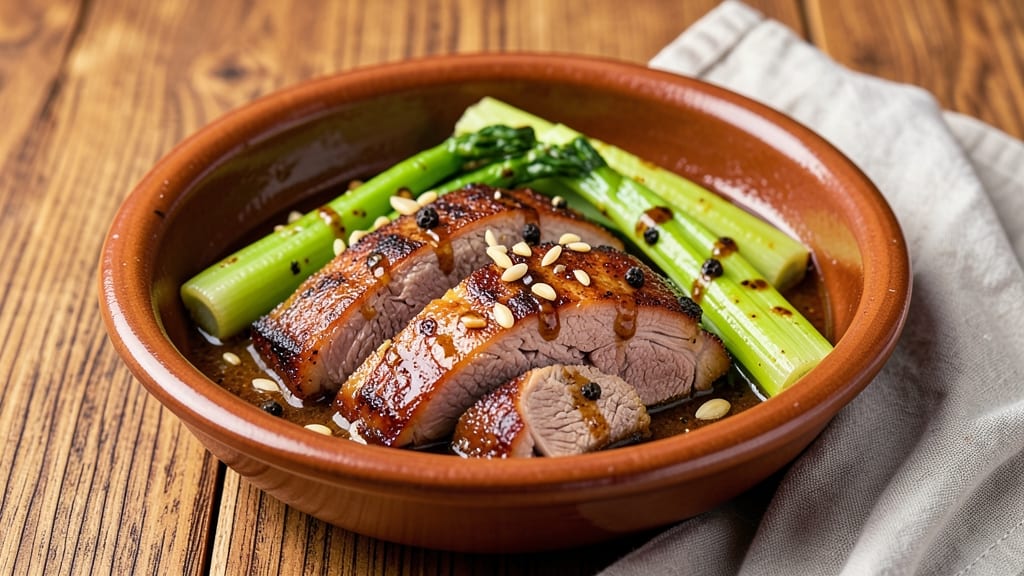
This adobo sitaw with pork recipe brings the bold, tangy flavors of Filipino comfort food to your kitchen with minimal effort. The secret lies in slow-braising pork shoulder with vinegar and soy sauce, then simmering celery (sitaw) until tender—transforming tough cuts into melt-in-your-mouth perfection.
I first discovered this technique during my time in Charleston, where I adapted traditional methods to suit Southern palates while keeping the dish's soul intact.
The magic happens in the marinade: a balance of white vinegar, soy sauce, garlic, and black pepper that tenderizes the pork while building deep, complex flavors. Unlike quick stir-fries, this dish rewards patience—simmering for hours until the meat falls apart and the celery becomes silky.
The result is a dish that’s rich, tangy, and slightly sweet, with every bite delivering a harmony of textures and tastes.
What makes this recipe stand out is its versatility—serve it over steamed rice for a hearty meal or alongside garlic fried rice for a full Filipino feast.
The slow-cooked pork stays juicy, the celery absorbs the savory sauce, and the vinegar’s sharpness cuts through the richness, creating a dish that’s both comforting and exciting. This is the kind of recipe that turns weeknight dinners into a celebration.
Whether you're cooking for family or treating yourself to a taste of the Philippines, this adobo sitaw with pork delivers restaurant-quality results with simple, accessible techniques. The process is straightforward, but the flavors are anything but—deep, layered, and impossible to resist. Let’s get started on creating this timeless dish.
Ingredients for adobo sitaw with pork
Pork shoulder, vinegar, and celery—three ingredients that transform into restaurant-quality Filipino comfort food.
| Ingredient | Amount | Notes |
|---|---|---|
| Pork Shoulder 🥩 | 2 lb | Bone-in preferred for flavor |
| White Vinegar 🍶 | 1 cup | Distilled or cane vinegar |
| Soy Sauce 🍶 | ½ cup | Light or regular, not low-sodium |
| Celery (Sitaw) 🥬 | 2 lbs | Fresh, cut into 3-inch pieces |
| Garlic Cloves 🧄 | 8 cloves | Minced, not pre-minced jar |
| Black Peppercorns 🌶️ | 1 tbsp | Crushed, not ground |
| Fresh Ginger 🌿 | 2 tbsp | Grated, not powdered |
| Bay Leaves 🌿 | 2 whole | Dried, for depth of flavor |
| Long-Grain White Rice 🍚 | 2 cups | Uncooked, for serving |
| Olive Oil 🫒 | 2 tbsp | For searing pork |
| Salt 🧂 | 1 ½ tsp | Diamond Crystal preferred |
| Brown Sugar 🍬 | 2 tbsp | Light or dark variety |
| Green Onions 🧅 | 4 whole | Sliced, for garnish |
The pork shoulder is non-negotiable here. Look for bone-in cuts at your local butcher—they add incredible depth of flavor. If you're buying pre-cut at the grocery store, Costco or Whole Foods have the best quality. Fresh ginger and garlic should be vibrant and fragrant—if your ginger smells like dust, toss it. For the celery, 2 pounds ensures you have enough for the dish and leftovers (which you'll want). The vinegar matters too—distilled or cane vinegar gives that classic tang, while malt vinegar can throw off the balance.
No white vinegar? Apple cider vinegar works in a pinch, but it'll have a slightly sweeter profile. Short on soy sauce? Coconut aminos or tamari are great substitutes, though the flavor will differ slightly. The brown sugar adds subtle sweetness—skip it if you prefer pure tang. For the celery, if you can't find fresh sitaw (string beans), substitute green beans or snap peas. The bay leaves are easy to find in bulk at Penzeys or Latin markets, and they infuse the dish with aromatic depth without overpowering. If you're missing them, a pinch of cinnamon or cloves can mimic their warmth.
This dish tastes even better the next day—plan ahead. Store leftovers in an airtight container in the fridge for up to 5 days. The flavors meld beautifully over time, so don't rush it. For serving, I always cook extra rice—this dish pairs perfectly with garlic fried rice or simple steamed jasmine rice. If you're prepping ahead, the pork can be marinated overnight (covered in the fridge) for even deeper flavor. The celery cooks down significantly, so don't worry if it looks like too much at the start.
Why You'll Love This Recipe
- Pork Melts Away: The shoulder gets fall-apart tender with just a slow simmer—no fancy cuts or long marinades. I swear, the vinegar and soy sauce break it down so effortlessly, even if you’re not watching the pot.
- Celery Magic: That sitaw (celery) stays crisp-tender, not mushy, and absorbs the tangy-savory sauce like a sponge. Honestly, the way the garlic and vinegar caramelize into the pork? It’s the kind of flavor that sticks with you.
- Leftover Goldmine: This dish only gets better the next day—pork stays juicy, sauce thickens into a glossy glaze. I’ll be real: I’ve reheated portions for lunch for weeks without getting tired of it.
- Budget Meal Hero: Pork shoulder is cheap, vinegar and soy sauce stretch the flavors, and celery lasts forever. For under $15, you feed four people with a meal that feels special—not sad, not boring. (Yes, even on a Tuesday night.)
Step-by-step instructions for adobo sitaw with pork
Here's how to transform simple ingredients into a rich, tangy Filipino classic that balances sweet, sour, and savory notes perfectly.
Sear the Pork Shoulder for Maximum Flavor
Pat the 2 lb pork shoulder completely dry with paper towels—this ensures a proper sear. Heat 2 tablespoons olive oil in a large Dutch oven over medium-high heat until shimmering. Add the pork and sear on all sides for 8-10 minutes until deeply golden brown. The fat should render out and the exterior should develop a rich crust.
Here's the thing—don't rush this step. A well-seared pork shoulder locks in juices and builds a flavor foundation. If you notice the fat smoking excessively, reduce the heat slightly to prevent burning. Once seared, remove the pork and set it aside on a plate.
Build the Adobo Base with Aromatics
In the same Dutch oven, add 8 cloves minced garlic cloves and 2 tablespoons grated fresh ginger. Cook for 1-2 minutes until fragrant—you should smell the garlic softening and the ginger releasing its warm, citrusy aroma. Be careful not to let them burn; stir constantly to distribute the heat evenly.
Add 1 tablespoon crushed black peppercorns and 2 whole bay leaves, stirring for 30 seconds to toast the spices slightly. This step awakens their flavors, creating a more complex base for your adobo. Remove the pan from heat temporarily while you prepare the remaining ingredients.
Combine Vinegar, Soy Sauce, and Sweet Elements
Return the Dutch oven to medium heat and add 1 cup white vinegar and 0.5 cup soy sauce. Bring to a simmer and let it reduce by half—this should take about 5 minutes. The vinegar will mellow slightly as it cooks down, losing some of its harsh acidity.
Add 2 tablespoons brown sugar and 1.5 teaspoons salt, stirring until completely dissolved. The sugar will caramelize slightly, adding depth to the sauce. This is where the magic happens—the balance of sweet, salty, and tangy flavors begins to develop. Keep the mixture at a gentle simmer to prevent the vinegar from boiling off too quickly.
Braise the Pork and Celery Together
Return the seared pork shoulder to the Dutch oven, along with 2 lbs celery (sitaw) cut into 3-inch pieces. Pour in just enough water to cover the pork by about 1 inch—this helps create steam for tenderizing the meat. Bring to a gentle boil, then reduce heat to low and cover with a tight-fitting lid.
Here's the critical part: braise for 2 hours until the pork is fork-tender and the celery is soft but still holds its shape. The pork should pull apart easily with minimal resistance, and the celery should be tender with a slight bite. If the liquid reduces too much before then, add ¼ cup water to maintain moisture.
Finish with Green Onions and Serve
Once the pork and celery are perfectly tender, discard the 2 whole bay leaves. Stir in the 4 whole green onions sliced and cook for an additional 2 minutes to infuse their fresh, grassy flavor into the sauce. The green onions should brighten the dish and cut through the richness.
Serve the adobo sitaw hot over 2 cups cooked long-grain white rice, spooning the pork and celery with their rich, tangy sauce. The rice will soak up the flavorful juices, creating a complete meal. Each bite should balance tender pork, sweet and sour sauce, and the crisp texture of the celery.
Pro Tips For Making Adobo Sitaw With Pork
- Sear the Pork First: After cutting the pork shoulder into chunks, don’t skip the sear—let it brown in a hot pan with a little oil for 2-3 minutes per side. This locks in flavor and prevents the vinegar from making the meat taste raw. (Yes, even if you’re impatient like me, resist the urge to rush this.)
- Cut Celery in Uniform Sticks: Slice the sitaw into 2-inch pieces, not random chunks. Uniform size ensures even cooking—no mushy ends or undercooked centers. I learned this the hard way when my first batch had a mix of rubbery and overdone celery.
- Balance Vinegar and Soy Sauce: Start with a 1:1 ratio of vinegar to soy sauce, but taste as you go—too much vinegar makes it harsh, too little soy sauce flattens the flavor. My grandmother swore by this: "A little at a time, or you’ll ruin the harmony."
- Simmer Low and Slow: After adding the vinegar-soy sauce mix, reduce heat to a bare simmer (tiny bubbles, not rolling). Rushing it makes the pork tough and the sauce watery. I was skeptical until I tried it—now it’s non-negotiable for tender meat and rich sauce.
Regional styles of adobo sitaw with pork
Filipino Adobo Roots
This dish traces back to Spanish colonial times when Filipino cooks adapted adobo (vinegar and salt) preservation methods into a cooking technique. The original version used salted pork and vinegar, but modern adaptations like this one incorporate soy sauce for depth.
I first encountered adobo in Manila during my travels, where it was served in every home—always with rice. The vinegar tenderizes the meat while creating that signature tangy-sweet balance. 🌍
Manila-Style Adaptation
In Manila, this dish often features pork belly instead of shoulder, but I prefer shoulder for its balance of fat and lean. The Filipino version sometimes includes hard-boiled eggs for extra protein, but I keep it simple with celery.
For an authentic touch, use cane vinegar instead of white vinegar—it has a milder, sweeter profile that mirrors traditional recipes. The celery (or sitaw) is always cut into long pieces to maintain texture.
Charleston Fusion Twist
When I moved to Charleston, I adapted this dish by adding smoked paprika to the marinade—a nod to Southern BBQ traditions. The result? A smoky depth that complements the vinegar's acidity. I also serve it with stone-ground grits instead of rice for a Lowcountry twist.
The grits soak up the sauce beautifully, creating a creamy contrast to the tender pork. This fusion became a hit at my restaurant, The Smoky Pig.
Visayan Regional Touch
The Visayan region of the Philippines often includes chili peppers in their adobo dishes. For a spicy kick, add 1-2 tbsp chopped siling labuyo (Filipino bird's eye chili) to the braising liquid. If you can't find it, Thai bird's eye chili works perfectly.
The heat balances the vinegar's sharpness while adding complexity. This variation is especially popular in Cebu and Leyte provinces, where adobo is a staple.
Modern Shortcut Version
For busy weeknights, I developed a 30-minute pressure cooker version using a Instant Pot. Sear the pork first, then cook on high pressure for 25 minutes with all ingredients. The celery cooks faster this way, but the flavor remains rich.
For extra convenience, use pre-minced garlic and pre-grated ginger—just don't skip the fresh aromatics if you have time. This version delivers the same deep flavors without the long braise.
Nutrition facts
Frequently asked questions
Can I substitute bone-in pork shoulder with pork belly?
Yes, you can use pork belly, but it will have a different texture and fat content. Pork belly stays more tender and fatty, while pork shoulder develops a firmer bite. If using belly, reduce the cooking time by 30 minutes since it tenderizes faster. The fat renders beautifully, creating a richer sauce—just skim excess fat if you prefer a leaner dish.
What if I can't find fresh celery (sitaw)? What are good substitutes?
Fresh sitaw (string beans) are ideal, but you can substitute with green beans, snap peas, or even asparagus. Cut them into similar lengths to ensure even cooking. Green beans work best as they hold their shape well, while snap peas add a slightly sweeter note. Avoid overcooking—tender-crisp is key!
How can I make the sauce less tangy?
To mellow the vinegar's sharpness, reduce the amount by ¼ cup or add 1 extra tablespoon of brown sugar to balance it. You can also increase the soy sauce by 1 tablespoon for deeper umami. For a sweeter profile, add ½ cup coconut milk at the end of cooking. Taste as you go—adjust gradually!
Can I make this dish in a slow cooker?
Sear the pork first, then transfer everything to a 6-quart slow cooker. Cook on low for 6-7 hours or high for 3-4 hours. The pork will be even more tender, and the celery will absorb the flavors beautifully. Add a splash of water if the liquid reduces too much. Perfect for hands-off cooking!
Why does my pork turn out tough instead of tender?
Overcooking or insufficient liquid are the most common culprits. Ensure the pork is covered by at least 1 inch of liquid and simmer gently—never boil vigorously. If the sauce reduces too much, add ¼ cup water during cooking. Also, don't skip the sear—it creates a flavorful crust that protects the meat. Patience is key: pork should pull apart easily with a fork.