
Main Courses
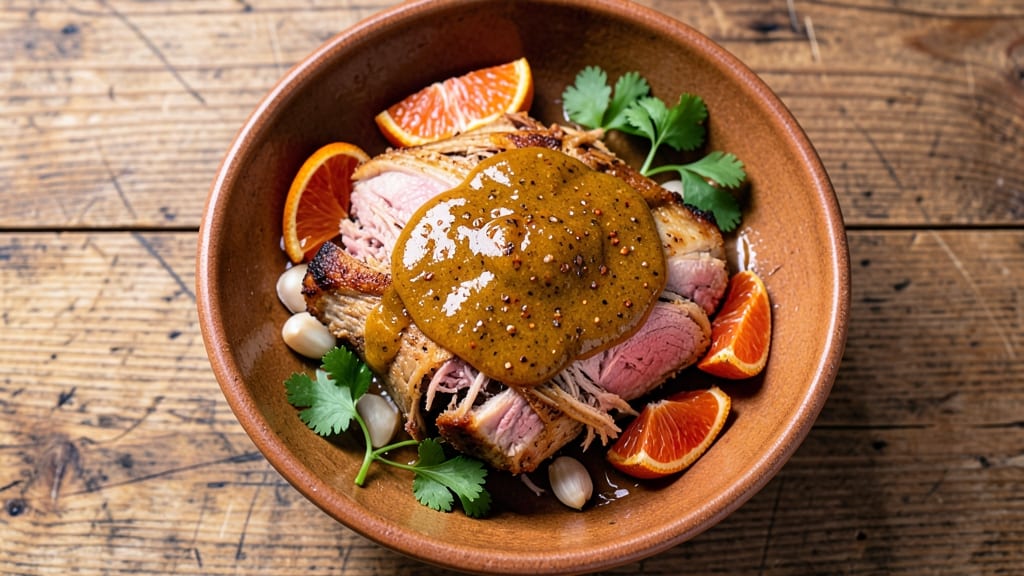
This achiote pork recipe transforms humble pork shoulder into tender, smoky bites with a vibrant red hue—just like my abuela used to make. The deep flavor comes from achiote paste, a staple in Mexican and Caribbean kitchens, which infuses the meat with earthy warmth and subtle sweetness.
I've perfected this method over years of cooking for family gatherings, where it disappears faster than the homemade cornbread.
The secret lies in marinating the pork for at least 12 hours, allowing the achiote to penetrate deeply while tenderizing the meat. We'll slow-cook it until it practically falls apart, creating melt-in-your-mouth bites that pair beautifully with cilantro-lime rice and charred vegetables.
This isn't just a recipe—it's a celebration of flavors that transport you straight to a bustling Latin market.
What makes this dish special is how the achiote transforms ordinary pork into something extraordinary. The rub creates a beautiful crust that caramelizes during cooking, while the interior stays juicy and rich.
The aroma alone will have your whole house smelling like a fiesta, and the first bite delivers that perfect balance of smoky, spicy, and sweet that defines authentic Latin cuisine.
Serve this with warm tortillas, pickled onions, and a cooling avocado crema to complete the meal. The leftovers reheat beautifully, making this an ideal dish for meal prep or feeding a crowd. Let's get cooking—your taste buds are in for a treat.
Ingredients for achiote pork
Sixteen ingredients for a dish that tastes like a Latin fiesta in your kitchen.
| Ingredient | Amount | Notes |
|---|---|---|
| Pork Shoulder 🍖 | 3 lb | Bone-in for flavor, cut into 2-inch chunks |
| Achiote Paste 🌶️ | ¼ cup | Natural or store-bought, vibrant red color |
| Orange Juice 🍊 | ½ cup | Freshly squeezed for brightness |
| Garlic Cloves 🧄 | 6 cloves | Minced for deep flavor infusion |
| Ground Cumin 🌿 | 1 tbsp | Toasted for richer aroma |
| Smoked Paprika 🌶️ | 1 tbsp | For that authentic smoky touch |
| Brown Sugar 🍚 | 2 tbsp | Light or dark, for subtle sweetness |
| Ground Black Pepper 🌶️ | 1 tsp | Freshly cracked for heat |
| Bay Leaves 🌿 | 2 whole | Dried or fresh for aromatic depth |
| Olive Oil 🫒 | ¼ cup | Extra-virgin for richness |
| Beer 🍺 | ½ cup | Dark lager or Mexican beer preferred |
| Salt 🧂 | 1 ½ tsp | Kosher or sea salt for seasoning |
| Lime Juice 🍋 | 1 tbsp | Freshly squeezed for acidity |
| Fresh Cilantro 🌿 | ¼ cup | Chopped for garnish (optional) |
Achiote paste is the star here—look for vibrant red color at Latin markets or specialty stores like H Mart or La Tienda. The paste is often sold in small jars, and a little goes a long way. If you can't find it, annatto seeds can be toasted and ground into a paste, but store-bought is more convenient. The pork shoulder should have good marbling—ask your butcher for the fattier cuts if possible. For the beer, I usually grab Modelo Especial or Negra Modelo since they're widely available and add a nice maltiness to the marinade.
No achiote paste? Mix 1 tbsp paprika with 1 tsp turmeric for a similar color, though the flavor won't be identical. Fresh garlic is ideal, but garlic powder at half the amount works in a pinch. The beer can be swapped for apple cider or chicken broth if you're avoiding alcohol. Brown sugar can be replaced with maple syrup or agave for a vegan option. For the lime juice, bottled lime juice works fine if you're short on time, but fresh is always better. If you're making this ahead, prep the marinade a day early—the flavors meld beautifully overnight.
Marinate the pork for at least 12 hours, but 24 hours is even better if you can plan ahead. The leftovers keep for 4-5 days in the fridge or 3 months in the freezer—perfect for meal prep. I like to portion it into individual servings so it's ready to reheat for quick lunches. The achiote rub on the outside creates a beautiful crust, so don't skip that step. If you're serving this at a gathering, make extra—it disappears fast!
Why You'll Love This Recipe
- One-Pot Magic: I swear by this recipe—just brown the pork, dump in the achiote paste, orange juice, and cumin, then let it slow down. No chopping, no fuss, and one pan to clean. Honestly, it’s the kind of meal that makes me feel like I’ve earned my dinner.
- Sunshine in a Bowl: That bright orange hue isn’t just for show—the achiote and citrus cut through the richness of the pork like a breath of fresh air. The garlic and cumin add warmth, but it’s the tangy-sweet balance that makes it ridiculously good.
- Lunchbox Hero: Between us, this pork keeps like a champ. Shred it, pack it in tortillas with lettuce, or serve it cold over rice—it’s my go-to for lunches that don’t taste like leftovers. (Yes, even on a Tuesday night.)
- Budget Stretch: Pork shoulder is cheap, and a little goes a long way. I’ve fed six people for under $15 with this—plus, the leftovers reheat like a dream. Not the prettiest, but the taste makes up for it every time.
Step-by-step instructions for achiote pork
Here's how to transform simple pork shoulder into vibrant, smoky bites with tender perfection.
Create the Achiote Marinade
In a medium bowl, combine the 0.25 cup achiote paste, 0.5 cup orange juice, 0.25 cup olive oil, 6 cloves minced garlic cloves, 1 tbsp ground cumin, 1 tbsp smoked paprika, 2 tbsp brown sugar, 1 tsp ground black pepper, 2 whole bay leaves, 1.5 tsp salt, and 1 tbsp lime juice. Whisk vigorously until the achiote paste dissolves completely and the mixture becomes vibrant red.
This marinade is the heart of your dish—it's what gives the pork its signature color and deep, complex flavor. The acidity from the orange juice and lime juice helps tenderize the meat while the achiote paste provides that beautiful red hue and earthy, slightly sweet flavor. Let the mixture sit for 5 minutes to allow the spices to bloom and release their aromas.
Coat and Rest the Pork
Transfer the 3 lb pork shoulder (cut into 2-inch chunks) to a large resealable plastic bag or a shallow dish. Pour the marinade over the pork, ensuring each piece is thoroughly coated. Seal the bag or cover the dish and refrigerate for at least 4 hours, or ideally overnight. This long marinating time is crucial for maximum tenderness and flavor penetration.
Here's the thing—I know it's tempting to skip the long marinating time, but trust me, it makes all the difference. The acid in the marinade breaks down the meat fibers, resulting in pork that's fork-tender and full of flavor. Give it the time it needs, and you'll be rewarded with bites that practically melt in your mouth.
Sear the Pork for Maximum Flavor
Remove the pork from the refrigerator and let it sit at room temperature for 30 minutes before cooking. Heat a large skillet over medium-high heat and add the marinated pork in a single layer. Cook undisturbed for 3-4 minutes per side until the pork develops a deep brown crust. You'll know it's ready when it releases easily from the pan and the edges are nicely seared.
Don't rush this step. The searing creates a flavorful crust that locks in juices and adds texture. If you have a lot of pork, work in batches so you don't overcrowd the pan, which would cause steaming instead of searing. The browned edges are your signal that this step is working—those are packed with flavor.
Braise Until Fork-Tender
Pour the 0.5 cup beer into the skillet with the seared pork, scraping up any browned bits from the bottom of the pan. Bring to a simmer, then reduce heat to low and cover. Let it cook for 2-2.5 hours, turning the pork occasionally, until it's fork-tender and easily pulls apart. The pork should have absorbed all the marinade flavors and be richly colored.
This slow cooking process is what transforms tough pork shoulder into melt-in-your-mouth bites. The beer adds depth of flavor and helps create a delicious sauce that clings to the pork. Check occasionally to ensure there's enough liquid in the pan—if it gets too dry, add a splash of water or broth. The pork is done when it reaches an internal temperature of 200-205°F.
Finish and Serve
Remove the pork from the braising liquid and let it rest for 10 minutes before serving. Discard the bay leaves. Spoon the braising liquid through a fine-mesh strainer into a saucepan and simmer for 5-7 minutes to reduce slightly. Taste and adjust seasoning with additional salt if needed. Garnish the pork with 0.25 cup chopped fresh cilantro just before serving.
This achiote pork is perfect served with warm tortillas, over rice, or with a fresh salad. The vibrant red color and rich, smoky flavors make it a showstopper. The tender meat should pull apart easily, and each bite should be packed with the complex flavors of the marinade. Serve immediately while the pork is still warm and the sauce is at its best.
Pro Tips For Making Achiote Pork
- SEAR THE PORK FIRST: Don’t skip the initial sear—get that pork shoulder screaming hot in a dry skillet for 5-7 minutes per side before adding anything else. I learned this the hard way when my achiote marinade turned into a sad, pale stew instead of rich, caramelized flavor.
- BLANCH THE GARLIC: Toss your minced garlic into the achiote paste and orange juice for 30 seconds before adding it to the pork—just until it turns pale and fragrant. This stops it from burning while cooking and keeps the flavor bright, not bitter.
- DON’T RUSH THE LOW HEAT: After the initial sear, drop the heat to a bare simmer and let the pork cook uncovered for the first 30 minutes. This lets the achiote paste render properly and develop depth instead of turning into a sticky mess.
- USE FRESH ORANGE JUICE: Store-bought concentrate or even bottled juice won’t cut it—go for freshly squeezed, or at least high-quality pasteurized. The acidity in fresh juice cuts through the richness of the pork and keeps the achiote’s natural brightness intact.
Pro cooking tips for achiote pork
Marinade Mastery
The key to perfect achiote pork starts with the marinade—this isn't just seasoning, it's a flavor infusion. I always let the achiote paste bloom in the liquids for 5 minutes before using it, which deepens its earthy, slightly sweet notes.
For extra richness, I toast the cumin seeds whole in a dry pan for 30 seconds before grinding them—this adds a nutty depth that ground cumin can't match. The orange juice and lime juice work together to tenderize the meat while keeping it vibrant. 🌶️
Sear Like a Pro
Don't skip the sear—this is where the Maillard reaction creates that beautiful crust and locks in flavors. I use a cast iron skillet (my vintage Lodge from 1972) because it retains heat perfectly.
Work in batches if needed, and resist the urge to move the pork too soon—let those 3-4 minutes per side create a deep, caramelized crust. The beer added later will deglaze and create a sauce, but the foundation is that perfect sear.
Pro tip: Pat the pork dry before searing for an even better crust.
Slow Cooking Secrets
The braising time transforms tough pork shoulder into melt-in-your-mouth bites. I keep the heat at low and maintain a gentle simmer—too high and you'll dry out the meat. The beer adds maltiness that complements the achiote perfectly.
I check the pork every 30 minutes after the first hour to ensure it's not sticking. If the liquid reduces too much, add 2-3 tablespoons of water or broth—just enough to keep it moist. The magic happens when the internal temp hits 200-205°F—that's when you know it's fork-tender.
Resting Matters
This is where many home cooks rush, but resting the pork for 10 minutes before serving is crucial. It allows the juices to redistribute throughout the meat, preventing dryness. I like to tent it loosely with foil during resting—this keeps it warm without steaming.
The braising liquid reduces beautifully into a glossy sauce that should coat the back of a spoon. Garnish with fresh cilantro right before serving to keep it vibrant and add a bright contrast to the rich pork. 💫
Equipment Upgrades
While you can make this in a standard pot, I recommend a Dutch oven for even heat distribution and better control. My All-Clad 6-quart handles temperature shifts beautifully. For monitoring, I use a Meater+ probe thermometer—it's worth the investment for precision.
If you're short on time, you can finish the pork in the oven at 300°F for the last 30 minutes to speed up the process without sacrificing tenderness. The key is patience—this isn't a dish you want to rush.
Leftovers Game-Changer
Achiote pork reheats beautifully, making it perfect for meal prep. Store leftovers in an airtight container and refrigerate for up to 4-5 days. To reheat, I use the stovetop method: add 2-3 tablespoons of water or broth, cover, and heat on low for 10-15 minutes until warmed through.
The sauce will thicken slightly, but adding a splash of water or beer brings it back to perfection. Freeze portions in single-serving bags for up to 3 months—just thaw overnight in the fridge before reheating. The flavors actually deepen over time, making this an ideal make-ahead dish. ⏰
Nutrition facts
Frequently asked questions
What gives achiote pork its signature red color?
The vibrant red hue comes from achiote paste, made from annatto seeds. This natural dye isn't just for looks—it adds earthy, slightly sweet flavor that's essential to Latin and Caribbean cuisine. The paste contains carotenoids that create that beautiful color while infusing the meat with warm, smoky notes.
Can I substitute achiote paste if I can't find it?
Yes! Mix 1 tbsp paprika with 1 tsp turmeric for a similar color, though the flavor won't be identical. For authentic taste, toast annatto seeds in a dry pan for 2 minutes, then grind into a paste with oil. The paste should be vibrant red—if it's dull, it's lost potency. Latin markets or specialty stores like H Mart usually carry it in small jars.
How long should I marinate the pork for best results?
Marinate for at least 12 hours, but 24 hours is ideal. The acid in orange juice and lime juice tenderizes the meat while the achiote infuses deeply. For extra flavor, let the marinade sit for 5 minutes before applying to allow spices to bloom. Pro tip: Use a resealable bag for even coating and refrigerate on its side to maximize surface contact.
What's the best way to serve this achiote pork?
Serve with warm corn tortillas, cilantro-lime rice, and charred vegetables for a complete meal. The rich pork pairs beautifully with cooling elements like avocado crema or pickled onions. For a fiesta-style presentation, arrange on a platter with lime wedges and fresh cilantro. Leftovers reheat well—simmer with 2 tbsp beer or broth for 10 minutes on low heat.
Why did my pork turn out dry?
Dry pork usually means overcooking or insufficient braising liquid. Keep heat at low and maintain a gentle simmer—never boil. If the pan gets dry, add 2-3 tbsp water or broth. Always rest the meat for 10 minutes before serving to redistribute juices. For extra moisture, finish cooking in the oven at 300°F for the last 30 minutes instead of stovetop.