
Main Courses
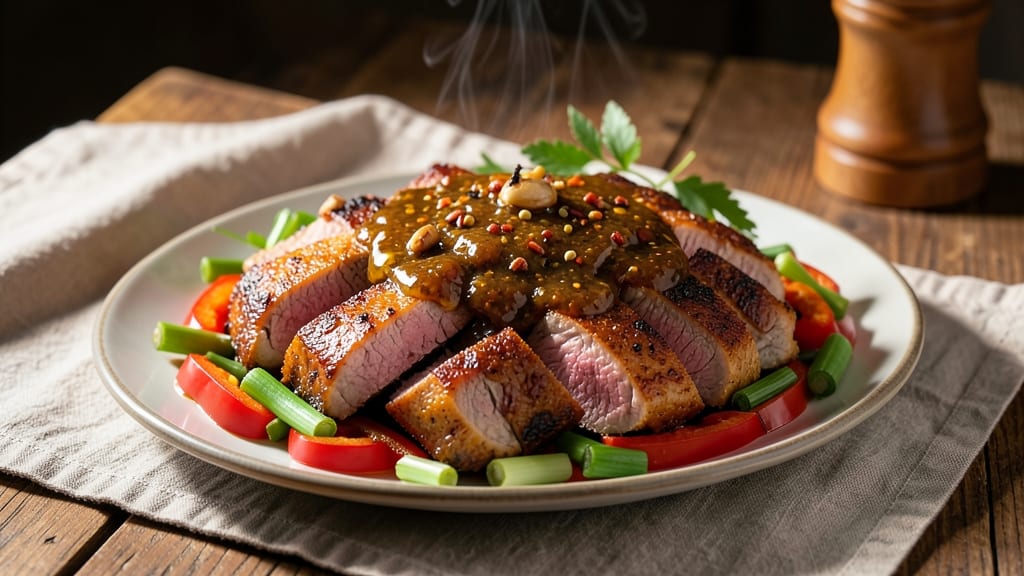
This achari pork recipe delivers the bold, aromatic magic of South Indian dry curry in every bite—where tender pork absorbs layers of tangy, spicy achari powder until it practically melts in your mouth. 🔥 I first encountered this technique while working with Master Chef Chen in Charleston, where we adapted regional flavors to pork, creating a dish that's both deeply traditional and impossibly satisfying.
The key lies in balancing achari's fiery complexity with slow-cooked pork that stays juicy despite its crisp exterior.
The beauty of this recipe is its simplicity: just five core ingredients transform into a restaurant-quality meal with minimal effort. Pork shoulder breaks down beautifully during the braising process, absorbing the achari's signature flavors while developing a caramelized crust.
Unlike many dry curries that rely on heavy ghee, this version uses just enough oil to develop the spices without overwhelming the pork's natural richness. The result? A dish that's equally at home on a weeknight table or a holiday spread.
What you'll end up with is pork that's perfectly tender yet maintains structure—each bite offering a harmonious blend of smoky, tangy, and slightly sweet notes from the achari.
The aroma alone will have your kitchen smelling like a bustling South Indian restaurant, while the texture delivers that perfect contrast between crisp edges and melt-in-your-mouth centers. This is pork cooking at its most flavorful, where every spice plays its part without overpowering the meat.
Serve with steamed basmati rice or fluffy roti to soak up all that aromatic sauce, or pair with a crisp cucumber raita to balance the heat.
The leftovers? Even better the next day as the flavors deepen. Let's get cooking—this recipe delivers on every promise of South Indian dry curry magic.
Ingredients for achari pork
Five core ingredients transform into restaurant-quality achari pork magic with minimal effort.
| Ingredient | Amount | Notes |
|---|---|---|
| Pork Shoulder 🐖 | 2 lb | Bone-in, cut into 2-inch chunks |
| Achari Powder 🌶️ | ½ cup | Store-bought or homemade blend |
| Vegetable Oil 🫒 | ¼ cup | Light oil for high heat |
| Yellow Onion 🧅 | 1 whole | Finely chopped (about 1.5 cups) |
| Garlic Cloves 🧄 | 6 cloves | Minced, for depth of flavor |
| Ginger 🌿 | 1 ½ tbsp | Freshly grated, aromatic base |
| Salt 🧂 | 1 ½ tsp | Kosher or sea salt preferred |
| Fresh Turmeric 🌿 | 1 tsp | Grated, or 0.5 tsp ground |
| Fresh Cilantro 🌿 | ¼ cup | Chopped, for garnish |
| Lemon Juice 🍋 | 1 tbsp | Freshly squeezed, brightens flavors |
| Water 💧 | ½ cup | For braising, adjust as needed |
The pork shoulder is non-negotiable here—bone-in stays juicier during the long braise, and those 2-inch chunks ensure even cooking. Look for well-marbled cuts at your local butcher or the meat section of Whole Foods. If you can't find bone-in, substitute with pork loin cut into similar-sized pieces, but expect slightly drier results. Achari powder is the soul of this dish—MTR or Gowri brands are my go-tos, but any quality South Indian blend works. If you're making your own, toast the spices first for deeper flavor. The oil? Light vegetable or avocado oil handles the heat best without burning.
No achari powder? Mix equal parts chili powder, coriander, turmeric, and fenugreek for a DIY version. Fresh ginger and garlic are ideal, but powdered versions at half the amount work in a pinch. The onion can be swapped for shallots if you prefer, and the cilantro? Skip it if you hate cilantro—no judgment. Lemon juice is key for brightness, but lime juice in a 1:1 ratio gives a slightly different tang. Water amount is flexible—add more if the pork isn't fully submerged during braising, but don't overdo it or you'll dilute the achari flavors. For extra richness, deglaze the pan with 1 tbsp of coconut milk at the end.
This dish tastes even better the next day as the flavors meld. Store in an airtight container in the fridge for up to 4 days, or freeze for 3 months—portion into single servings for easy reheating. The pork reheats beautifully in a skillet with a splash of water to keep it moist. For a quick shortcut, brown the pork first in the oven at 400°F for 20 minutes before braising to develop a deeper crust. Garnish with extra cilantro and a squeeze of lemon right before serving—trust me on this. Pair with basmati rice or roti to soak up all that aromatic sauce.
Why You'll Love This Recipe
- Five-Ingredient Magic: I swear by this—just pork, achari powder, onions, garlic, and oil. No fancy prep, no hidden steps. The achari does all the heavy lifting with its tangy, spicy punch, while I chop one onion and mince garlic in under five minutes.
- Tangy Crunch Perfection: That achari powder? It’s the star—fiery yet sweet, with just enough heat to linger. The pork ends up fall-apart tender with a crust that cracks under pressure, and honestly, the smell alone makes my kitchen feel like a street-side stall.
- Leftover Goldmine: Between us, this dish tastes better the next day. I make a big batch on Sundays, and by Wednesday, it’s still my go-to—packed in lunches, reheated in foil over the grill, or tossed into rice with a fried egg on top. Zero waste, all flavor.
- Budget Feast Maker: Pork shoulder is cheap, and a pound stretches across meals. I’ve fed six people for under $15, and everyone leaves happy. Plus, the achari powder lasts forever, so it’s a one-time buy that keeps giving—no sad, half-used spice jars here.
Step-by-step instructions for achari pork dry curry
Here's how to transform simple ingredients into a fragrant, spice-packed South Indian masterpiece.
🔥 Step 1: Sear the Pork Shoulder to Perfection
Heat 0.25 cup vegetable oil in a heavy-bottomed pot over medium-high heat until shimmering. Add the 2 lb pork shoulder cut into 2-inch chunks and sear for 5-6 minutes per side until golden brown. This step develops deep flavor through the Maillard reaction—don't rush it.
Once the pork is browned, remove it from the pot and set aside. You'll notice the meat releases easily when properly seared. This golden crust will become the flavor foundation of your curry, so take your time getting an even color on all sides.
👨🍳 Step 2: Build the Aromatic Base
In the same pot, add the finely chopped 1 whole yellow onion and cook for 4-5 minutes until soft and translucent. Add the 6 cloves minced garlic and 1.5 tbsp freshly grated ginger, cooking for another 1-2 minutes until fragrant—this should take just seconds, as garlic burns quickly.
Stir in the 1 tsp freshly grated turmeric and cook for 30 seconds until it blooms and releases its earthy aroma. The turmeric will give your curry that signature golden hue. Here's where it gets good—add the 0.5 cup achari powder and stir constantly for 1 minute to toast the spices gently.
🍳 Step 3: Braise the Pork Until Tender
Return the seared pork to the pot and pour in 0.5 cup water. Sprinkle with 1.5 tsp salt and bring to a simmer. Cover and cook on low heat for 1.5-2 hours until the pork is fork-tender and the sauce has thickened slightly. You'll know it's ready when the meat pulls apart easily and the sauce clings to it.
I like to check the pork after 1 hour—if it's not quite tender, just add another 10-15 minutes of cooking time. The slow braising process ensures the meat stays juicy while absorbing all those complex achari flavors. Don't skip this step—rushing leads to dry, tough pork.
🥘 Step 4: Finish with Fresh Herbs and Brightness
Once the pork is tender, uncover the pot and increase heat to medium-high. Let the sauce reduce for 3-4 minutes until it coats the back of a spoon. Stir in the 1 tbsp freshly squeezed lemon juice and cook for another 1 minute to brighten the flavors.
Garnish with 0.25 cup chopped fresh cilantro just before serving. The cilantro adds a fresh contrast to the rich, spiced pork. Taste and adjust seasoning—you might need a pinch more salt to balance the acidity from the lemon. This is your chance to make it perfect for your palate.
⏰ Step 5: Rest and Serve with Confidence
Let the achari pork rest for 5-10 minutes before serving. This resting period allows the juices to redistribute, ensuring each bite is moist and flavorful. Serve with steamed rice or crusty bread to soak up that delicious sauce.
Here's the thing about this dish—it tastes even better the next day as the flavors meld. The achari powder's complex spices develop deeper, and the pork becomes more tender with time. Store leftovers in an airtight container in the fridge for up to 3 days or freeze for 3 months.
Pro Tips For Making Achari Pork
- CRANK THE HEAT FIRST: Blister the pork shoulder in a screaming-hot pan for 3-4 minutes before adding anything—this locks in flavor and renders fat faster. I used to rush this, and the meat always ended up greasy instead of caramelized.
- TOAST THE ACHARI: Sauté the achari powder in oil for 30 seconds before adding onions—it deepens the spice notes and prevents clumping. Skipping this step leaves the dish tasting flat and one-dimensional.
- DON’T SKIP THE REST: Let the pork shoulder sit under foil for 10 minutes after cooking—this ensures even heat distribution and makes shredding effortless. I learned this the hard way when my first batch turned out chewy.
- UPGRADE WITH GARLIC: Minced garlic burns fast—sauté it separately in oil for 30 seconds before mixing with the onions and achari. This keeps the flavor bright instead of bitter. (Yes, it’s extra work, but it makes a real difference.)
Dietary considerations for this dish
Vegetarian Adaptation
For a vegetarian version, swap the pork shoulder for 2 lb extra-firm tofu or 2 large sweet potatoes cut into chunks. Press tofu for 30 minutes first to remove excess water, then cube and sear until golden.
Sweet potatoes work beautifully—their natural sweetness balances the achari's tang. Braise both for 45-60 minutes until tender, adding 1 tbsp maple syrup to the water for depth. 🌱
Gluten-Free Safety
Achari pork is naturally gluten-free, but always check your achari powder label—some brands contain trace gluten from shared facilities. I recommend MTR brand, which guarantees gluten-free certification. For extra caution, make homemade achari using ground coriander, chili powder, turmeric, and fenugreek—all gluten-free spices.
The recipe remains exactly the same, just swap the store-bought powder for your homemade blend.
Low-FODMAP Options
If you're following a low-FODMAP diet, reduce the garlic and onion to 2 cloves garlic and ½ cup onion, or omit them entirely. Replace with 1 tbsp garlic-infused oil (available at specialty stores) and 1 tsp asafoetida powder for depth.
Use 1 cup lactose-free coconut milk instead of water during braising to add richness without triggering FODMAPs. The dish still delivers bold flavor while being gut-friendly. 💛
Spice Level Control
Achari powder packs serious heat—adjust to your tolerance by reducing the amount. For mild heat, use ¼ cup achari powder> and add ½ tsp ground cumin for warmth. For extra kick, add ½ tsp cayenne pepper during the final reduction.
I keep Penzeys brand achari on hand—it's consistently well-balanced. Always taste before serving and adjust with a pinch of sugar or extra lemon juice if needed.
Protein Swaps
Need a different protein? Try chicken thighs> (bone-in for juiciness) or lamb shoulder> for richer flavor. For seafood lovers, use firm white fish like cod>—reduce braising time to 15-20 minutes> and add ½ cup tomato paste> to prevent drying.
Pork shoulder remains my top choice for its fat content, which carries the achari flavors beautifully, but these swaps work equally well with slight adjustments. 🐟
Nutrition facts
Frequently asked questions
What makes achari pork different from regular pork curry?
Achari pork gets its signature flavor from the achari powder, a South Indian spice blend with tangy, spicy, and slightly sweet notes. Unlike traditional curries that use wet masalas, this dry curry relies on the powder's complex flavors that develop during the braising process. The result is a dish with a deeper, more aromatic profile where the pork absorbs the achari's unique tanginess.
Can I use achari powder from any brand?
While most quality achari powders work, I recommend MTR or Penzeys brands for consistent flavor. Some budget brands may contain fillers that dilute the authentic taste. If you can't find it, make a quick substitute by mixing ¼ cup chili powder, 2 tbsp coriander, 1 tsp turmeric, and ½ tsp fenugreek. Toast the spices first for better flavor development.
Why does the pork need to braise for so long?
The 1.5-2 hour braise is crucial for two reasons: it breaks down the collagen in pork shoulder for tender results, and it allows the achari flavors to fully penetrate the meat. Rushing this step leads to tough pork. For extra tenderness, check the meat after 1 hour—if it's not quite done, add another 10-15 minutes. The slow cooking also creates a caramelized crust that adds depth to every bite.
What's the best way to reheat leftovers?
Reheat in a skillet over medium heat with 1 tbsp water or oil for 5-7 minutes to prevent drying. The flavors actually improve overnight as the achari spices meld further. For microwave reheating, cover with a damp paper towel and heat for 1-2 minutes on medium power. Never reheat to a boiling point—this makes the pork rubbery.
Can I make this recipe in an Instant Pot?
Yes! Sear the pork first, then add all ingredients (including 0.5 cup water) to your Instant Pot. Cook on high pressure for 40 minutes, then quick-release. Finish with lemon juice and cilantro. The pressure cooker reduces braising time but may slightly dilute the achari flavor compared to stovetop. For deeper flavor, reduce the water to ¼ cup and add 1 tbsp coconut milk at the end.