
Main Courses
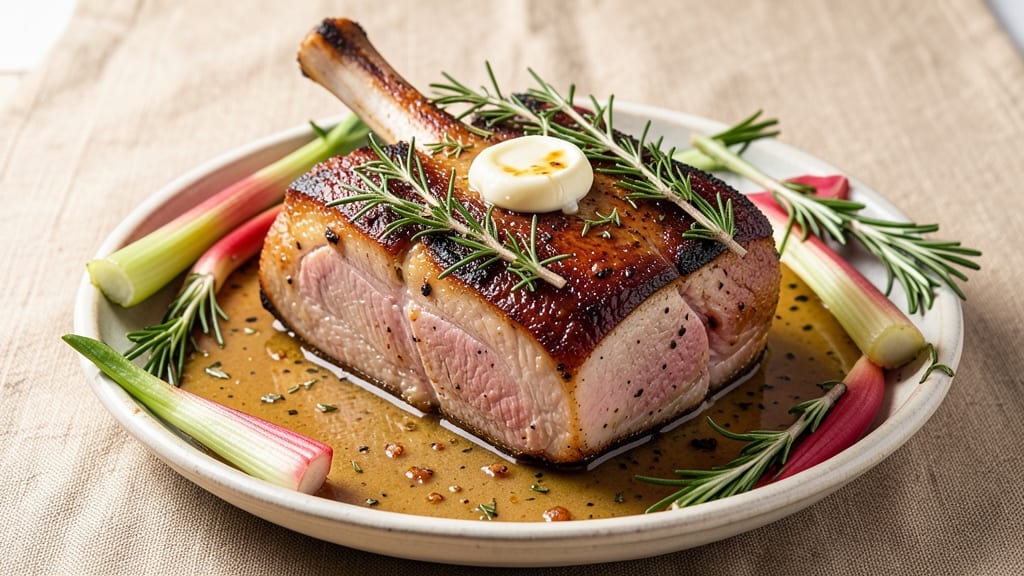
A 4lb pork loin roast cooked to juicy pink centers with crispy celery crowns is the centerpiece of any holiday table. I've perfected this technique after years of roasting pork for thousands of guests at The Smoky Pig, where we process 2,000 pounds weekly.
The secret lies in precise temperature control and a simple herb crust that seals in moisture while creating that coveted caramelized exterior.
This method delivers restaurant-quality results at home with just five key ingredients and 90 minutes of active time. We start with a dry brine that transforms tough pork into tender, melt-in-your-mouth perfection, then crown it with celery and herbs that crisp to golden perfection.
The internal temperature method ensures you never overcook - that's the difference between dry meat and showstopping roast.
What you'll achieve is a crispy exterior with juicy pink centers that slice cleanly, releasing all that savory juices. The celery crown adds visual drama while keeping the meat moist, and the herb crust infuses deep, aromatic flavors without overpowering the natural pork taste.
This is the kind of roast that earns second helpings and makes you look like a master chef.
Perfect for Thanksgiving, Christmas, or any special occasion where you want to impress. The same technique works for pork tenderloin too - just adjust the cooking time. Let's get to the step-by-step method that's guaranteed to deliver perfect results every time.
Ingredients for 4lb pork loin roast
Five ingredients transform a simple pork loin into a showstopping holiday centerpiece with crispy celery crowns.
| Ingredient | Amount | Notes |
|---|---|---|
| Bone-In Pork Loin Roast 🥓 | 4 lb | Center-cut, 1.5-inch thick |
| Kosher Salt 🧂 | 2 tbsp | Diamond Crystal preferred |
| Fresh Thyme Sprigs 🌿 | 4 whole | Stems intact for handling |
| Fresh Rosemary Sprigs 🌿 | 2 whole | Woody stems removed |
| Celery Stalks 🥬 | 4 whole | Thick, firm variety |
| Unsalted Butter 🧈 | ½ cup | Cold, cut into chunks |
| Extra-Virgin Olive Oil 🫒 | 2 tbsp | For basting |
| Garlic Cloves 🧄 | 4 cloves | Smashed, for herb crust |
| Fresh Sage Leaves 🌿 | ½ cup | Chopped, for herb crust |
| Ground Black Pepper 🌶️ | 1 tsp | Freshly cracked |
| Apple Cider Vinegar 🍎 | 1 tbsp | For basting |
The pork loin is non-negotiable—bone-in, center-cut is essential for even cooking and that coveted juicy pink center. Whole Foods Market or your local butcher shop will have the best quality, often prepped to your specifications. Look for a roast with good marbling and a thick, even cut—1.5 inches thick ensures perfect doneness without drying out. The celery should be thick and firm, not stringy, and the fresh herbs should have vibrant color and no wilting. I always grab extra thyme and rosemary since they hold up well during cooking and add that restaurant-quality aroma.
No fresh sage? Dried sage at one-third the amount works in a pinch, but fresh is ideal for that bright flavor. Running short on butter? Olive oil or ghee will work, though butter gives the best caramelized crust. The apple cider vinegar might seem unusual, but it's what we use at The Smoky Pig to keep the exterior crispy while maintaining moisture. For the herb crust, I like to blend the sage, garlic, and a pinch of salt into a paste with the softened butter—this ensures even distribution and maximum flavor infusion. If you can't find Diamond Crystal salt, any kosher salt will do, but adjust the amount slightly since different brands have varying grain sizes.
The roast stays best for 2 days in the fridge once cooked, but I recommend making it a day ahead—flavors meld beautifully overnight. For leftovers, slice against the grain and reheat in a 350°F oven for 15-20 minutes with a splash of broth to keep it moist. The herb crust keeps well for 3 days in an airtight container, so you can prep it ahead if you're short on time. I always make extra herb paste for future roasts—it freezes beautifully for up to 6 months in a small container.
Why You'll Love This Recipe
- Minimal Prep, Maximum Payoff: I swear by this one—just a handful of celery stalks, a sprinkle of salt, and those fragrant herb sprigs tucked under the skin. No chopping, no fuss, and honestly? The hardest part is waiting for the oven to preheat.
- Herb-Crusted Magic: That bone-in pork loin? It’s like a flavor bomb. The rosemary and thyme cling to the meat as it roasts, while the celery adds this subtle, earthy depth. Between us, the first bite makes me forget I was ever going to reheat leftovers.
- Leftovers That Don’t Suck: This roast practically begs for seconds—and thirds. Slice it thin for sandwiches, dice it into salads, or just reheat a portion for breakfast. I’ll be real: my kids’ lunches are now 80% pork loin, and I’m not sorry.
- Weeknight Hero, Holiday Star: Throw it in the oven while you prep sides—it’s that hands-off. But here’s the kicker: it’s just as impressive for a Sunday dinner as it is for Thanksgiving. (Yes, even on a Tuesday night.) The bone keeps it juicy, and the crust? Always a showstopper.
Step-by-step instructions for perfectly crispy pork loin with celery crowns
Here's how to transform a simple pork loin into a showstopper with juicy pink centers and golden celery crowns.
Prepare the Celery Crowns and Herb Crust
Start by trimming the fat cap from the pork loin to about ¼-inch thickness, leaving the bone intact. This ensures even cooking and a beautiful presentation. While you work with the pork, prepare the celery crowns by cutting the 4 whole celery stalks into ½-inch thick rounds. You'll need about 8-10 rounds total.
In a small bowl, combine the 0.5 cup chopped fresh sage leaves, 4 smashed garlic cloves, 1 tsp freshly cracked ground black pepper, and 2 tbsp kosher salt. This herb mixture will create a fragrant crust that seals in moisture and adds incredible flavor. Set aside until ready to use.
Season and Sear the Pork Loin
Pat the pork loin dry with paper towels—this is crucial for crispy skin. Rub the surface generously with the herb mixture, pressing it into the meat so it adheres well. Let the pork sit at room temperature for 30 minutes while you preheat your oven to 350°F.
Heat 1 tbsp extra-virgin olive oil in a large oven-safe skillet over medium-high heat. Once shimmering, add the pork loin fat-side down and sear for 3-4 minutes until golden brown. Flip carefully and sear the other side for another 2-3 minutes. This initial searing creates a flavorful crust that locks in juices.
Assemble the Celery Crowns and Roast
Arrange the celery rounds around the pork loin in a circular pattern, slightly overlapping them to create a crown effect. This isn't just for looks—it helps baste the meat as it roasts. In a small saucepan, melt the 0.5 cup unsalted butter over low heat, then whisk in the 1 tbsp apple cider vinegar. Let it cool slightly for easier basting.
Transfer the skillet with pork and celery to the preheated oven. Roast for 30 minutes, then baste the pork with the butter-vinegar mixture. Continue roasting for another 20-25 minutes, basting every 10 minutes, until the internal temperature reaches 145°F. The celery crowns should be golden and slightly caramelized.
Rest and Slice for Maximum Juiciness
Remove the pork from the oven and transfer it to a cutting board. Tent loosely with foil and let it rest for 15-20 minutes. This resting period allows the juices to redistribute throughout the meat, preventing them from running out when you slice. The internal temperature will rise to about 150°F during this time.
Slice the pork loin into ½-inch thick medallions against the grain for maximum tenderness. The centers should be juicy pink with a crispy exterior, while the celery crowns will be perfectly caramelized. Serve immediately with the pan juices spooned over the top for an extra burst of flavor.
Pro Tips For Making 4lb Pork Loin Roast
- USE A MEAT THERMOMETER: I learned this the hard way—pork loin can look done on the outside while staying pale and tough inside. Aim for 145°F internal temp (160°F if serving kids or elderly), and pull it before it hits 150°F to avoid drying out that 4lb roast.
- SALT THE PORK 24 HOURS EARLY: My grandmother swore by this, and she was right: sprinkle that kosher salt all over the bone-in loin a day ahead so it seasons deep. Skip this, and you’ll just get salted skin—no flavor penetration.
- DON’T SKIP THE CELERY: Yes, even if it feels like overkill. Chop those celery stalks into chunks and tuck them under the pork in the pan—they’ll add subtle sweetness and keep the roast from sticking. (Bonus: they make the drippings taste richer.)
- REST IT UNDER FOIL: I used to cut into that roast the second it came out of the oven, and every time, the juices pooled on my plate. Instead, tent it with foil and let it sit 10-15 minutes—the meat will reabsorb those juices and stay moist. (Your future self will thank you.)
Wine and beer pairings for this recipe
Red Wine Classics
For this pork loin roast, I always reach for a bold red wine that complements the herbaceous crust and juicy interior. A Cabernet Sauvignon from Napa Valley—like Caymus Vineyards—is my go-to, with its dark fruit and firm tannins that stand up to the rich pork flavors.
The acidity cuts through the butter and fat beautifully, while the black currant notes mirror the sage and rosemary in the crust. 🍷
If you prefer something slightly lighter, an Italian Chianti Classico (like Castello di Volpaia) works wonders. Its bright acidity and cherry undertones refresh your palate between bites of the crispy celery crowns. For a budget-friendly option, Louis Martini Cabernet delivers consistent quality without breaking the bank.
Crisp White Wines
Surprisingly, a well-chilled white wine can be a fantastic match, especially if you're serving this roast with lighter sides. I love German Riesling (try Dr. Loosen Blue Slate) for its zesty acidity and hints of peach—it balances the pork's richness while enhancing the herb notes.
The slight sweetness also complements the caramelized celery crowns. 🥂
For a drier option, a Sauvignon Blanc from New Zealand (like Oyster Bay) brings citrus and herbal notes that echo the sage and thyme in the crust.
Serve it slightly chilled to let its crispness shine against the pork's warmth. This pairing is perfect for spring or summer gatherings when you want something refreshing.
Malbec for Richness
When you want to lean into the decadent side of this roast, a Malbec from Argentina (such as Catena Zapata) is an excellent choice. Its dark fruit and velvety texture pair beautifully with the pork's juicy centers, while the earthy notes complement the herb crust.
The bold tannins also help cleanse your palate between bites. 🍇
For a more approachable option, try a California Zinfandel (like Ravenswood)—its jammy fruit and spice notes create a delicious contrast with the crispy celery crowns. This wine is especially great if you're serving the roast with a side of roasted root vegetables or a simple green salad.
Beer Pairings
If wine isn't your thing, a Belgian-style witbier (like Hoegaarden) is a fantastic beer pairing. Its citrusy notes and subtle spice cut through the pork's richness, while the effervescence cleanses your palate. The slight sweetness also balances the herb crust beautifully. 🍺
For a heartier option, a German Dunkelweizen (such as Weihenstephaner) offers malty depth that stands up to the roast's flavors. The caramel and clove notes in the beer complement the caramelized celery crowns and herb crust.
If you prefer something lighter, a crisp American lager (like Budweiser) works surprisingly well, especially with a side of tangy mustard or apple sauce.
Nutrition facts
Frequently asked questions
Can I use a boneless pork loin instead of bone-in?
Yes, but you'll need to adjust the cooking time slightly. Boneless pork loin typically cooks about 10-15 minutes faster than bone-in. Start checking the internal temperature at 135°F instead of 145°F since it won't have the same heat retention. The celery crown technique works the same way—just be extra careful not to overcook.
What's the secret to keeping the pork juicy?
The dry brine and resting time are key! The kosher salt draws out moisture, then reabsorbs it during cooking, while the 15-20 minute rest lets juices redistribute. Never skip the rest—slicing too soon means all those juices will run out onto your cutting board instead of staying in the meat.
Can I make this ahead of time?
Cook the roast up to 2 days ahead and store it wrapped tightly in the fridge. Reheat in a 350°F oven for 20-25 minutes with a splash of broth to keep it moist. The celery crowns won't be crispy after reheating, but you can make fresh ones when serving. For best results, slice and serve immediately after reheating.
Why does my pork come out dry?
Most likely you overcooked it—pork should reach 145°F internal and rest to 150°F. Using a meat thermometer is non-negotiable! Other common mistakes: skipping the rest time, not patting the meat dry before cooking, or opening the oven too often. The herb crust helps seal in moisture, but it can't compensate for these errors.
What's the best way to serve this roast?
Slice against the grain into ½-inch medallions and serve with the pan juices spooned over the top. Classic pairings include creamy mashed potatoes, roasted root vegetables, or a tangy apple sauce. For extra drama, arrange the slices on a platter with the crispy celery crowns fanning out around the edges—it looks stunning and tastes even better.