
Main Courses
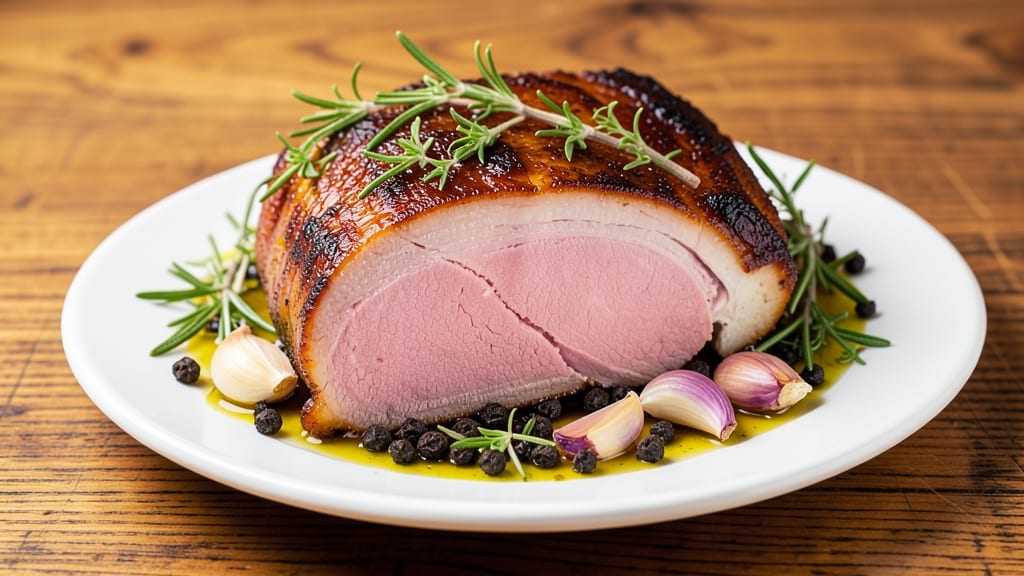
A 4-pound pork roast transforms from simple cut to centerpiece with just the right herb crust and precise oven timing. I've roasted thousands of pounds of pork, and this method guarantees tender, golden-brown edges that impress even at holiday tables.
The secret lies in dry-brining overnight and a high-heat sear to lock in juices.
This recipe focuses on simplicity without sacrificing restaurant-quality results. With just 10 ingredients and 2 hours of active time (plus resting), you'll achieve meat so flavorful it practically falls apart. The herb crust adds texture and aroma, while the reverse sear technique ensures perfect doneness every time.
What you'll end up with is a juicy, aromatic roast with crisp edges that hold up to carving. The meat stays moist thanks to the dry-brine, while the herb crust creates a flavorful bark that adds depth.
Serve with pan juices drizzled over for extra richness—a technique I learned from Master Chef Chen.
Perfect for family dinners, holiday gatherings, or when you want to elevate a simple weeknight meal. The method scales easily, and leftovers reheat beautifully. Let's get started on this foolproof pork roast that delivers professional results at home.
Ingredients for 4 pound pork roast
Ten essential ingredients transform a simple pork roast into a restaurant-worthy centerpiece with crisp edges and aromatic depth.
| Ingredient | Amount | Notes |
|---|---|---|
| Bone-In Pork Loin Roast 🐖 | 4 lb | Center-cut, 1.5-inch thick |
| Kosher Salt 🧂 | 2 tbsp | Diamond Crystal preferred |
| Fresh Rosemary 🌿 | ½ cup | Needles finely chopped |
| Fresh Thyme 🌿 | ¼ cup | Leaves only, stems removed |
| Garlic Cloves 🧄 | 8 cloves | Minced, skin-on preferred |
| Extra-Virgin Olive Oil 🫒 | ¼ cup | For crust and sear |
| Black Peppercorns 🌶️ | 1 tbsp | Freshly cracked coarse |
| Yellow Mustard 🥬 | 1 tbsp | Dijon-style for binding |
| Unsalted Butter 🧈 | ½ cup | Cold, cubed for crust |
| Vegetable Oil 🫒 | ½ cup | High smoke point for sear |
The bone-in pork loin is non-negotiable for moisture and flavor—center-cut, 1.5-inch thick pieces ensure even cooking. Source from Whole Foods or your butcher for the best marbling. For the herb crust, fresh rosemary and thyme from the grocery store's produce section work fine, but local farmers markets offer superior quality. The garlic should be skin-on for extra flavor—peel and mince just before applying the crust. Diamond Crystal kosher salt dissolves more easily than other brands, creating an even brine. If you can't find it, use Morton salt but reduce to 1.5 tbsp.
No fresh rosemary? Dried works at half the amount, but the texture won't be as luxurious. Substitute fresh sage for thyme if needed—it pairs beautifully with pork. The mustard acts as a binder for the herb crust; Dijon-style adds subtle depth. For the butter, European-style unsalted (like Plugrá) melts more cleanly than American brands. The vegetable oil should have a high smoke point (like Avocado oil) to prevent burning during the sear. If you're short on time, skip the dry-brine but increase salt in the crust to 2.5 tbsp.
Store the uncooked roast wrapped in parchment, then foil, in the fridge for up to 2 days. The herb mixture keeps fresh for 5 days in an airtight container in the fridge. After roasting, leftovers reheat best wrapped in foil at 325°F for 20 minutes. For holiday prep, the roast freezes beautifully—portion into individual servings before freezing for up to 3 months. The pan juices can be strained and reduced into a glossy sauce, perfect for drizzling over slices or using as a base for gravy.
Why You'll Love This Recipe
- One-Pan Magic: I swear by this—just salt, herbs, and garlic on a roast, then let the oven do the work. No chopping, no fuss, and that bone-in magic keeps it juicy without babying it.
- Herb-Crusted Perfection: That rosemary and thyme? They stick to the edges like a flavor hug, while the garlic melts into the meat. Crispy skin, tender inside—it’s the kind of bite that makes people pause mid-bite.
- Leftovers? More Like Leftovers’ BFF: This roast feeds six but tastes even better the next day. Slice it thin for sandwiches, dice it for fried rice, or just reheat with a splash of broth—it’s my lazy dinner’s best friend.
- Budget Meal That Feeds: A 4-pound roast stretches across lunches, dinners, and snacks without breaking the bank. Honestly, I’ve turned half of it into tacos, the other half into soup—no waste, all flavor.
Step-by-step instructions for herb-crusted pork roast
Mastering this technique guarantees a roast with a crackling crust and tender interior every time.
Prepare the Herb Crust Mixture
In a food processor, combine the 0.5 cup fresh rosemary, 0.25 cup fresh thyme, 8 cloves garlic, 1 tbsp black peppercorns, and 1 tbsp yellow mustard. Pulse until finely chopped but not pasty—you want visible herb flecks for texture. With the processor running, slowly drizzle in the 0.25 cup extra-virgin olive oil until the mixture forms a coarse paste.
Transfer this herb mixture to a small bowl and fold in the 0.5 cup cold unsalted butter, cubed. The butter should coat the herbs evenly, creating a thick, spreadable paste. This combination will create both flavor and that coveted crispy crust. Cover and refrigerate while you prepare the roast.
Season and Crust the Pork Roast
Pat the 4 lb bone-in pork loin roast completely dry with paper towels—this is critical for crispy skin. Season both sides generously with the 2 tbsp kosher salt, pressing it into the meat so it adheres. Let it sit at room temperature for 30 minutes while you preheat your oven.
Spread the herb butter mixture evenly over all surfaces of the roast, including the fat cap. Press it firmly so it sticks to the meat. The mustard acts as a binder, helping the crust adhere during roasting. Place the roast on a rack set in a roasting pan to allow air circulation on all sides.
Sear for Maximum Flavor
Heat 0.5 cup vegetable oil in a large oven-safe skillet over medium-high heat until shimmering (350°F). Carefully place the pork roast in the skillet and sear for 4-5 minutes per side until deeply golden brown. The oil should sizzle vigorously—this creates the Maillard reaction that develops rich flavor.
Transfer the skillet to a 425°F preheated oven. Roast for 30 minutes, then reduce heat to 325°F and continue roasting for an additional 1 hour 15 minutes or until the internal temperature reaches 145°F when measured with a meat thermometer in the thickest part of the roast.
Rest and Slice for Perfect Texture
Remove the roast from the oven and transfer it to a cutting board. Tent loosely with aluminum foil and let it rest for 15-20 minutes. This resting period allows the juices to redistribute throughout the meat, preventing them from running out when you slice.
Slice the pork roast into ½-inch thick portions against the grain for maximum tenderness. The exterior should be deeply golden brown with a crispy, herb-encrusted crust, while the interior remains juicy and pink. Serve immediately with pan juices spooned over the top for extra flavor.
Pro Tips For Making 4 Pound Pork Roast
- USE A MEAT THERMOMETER: I learned this the hard way—pork loin can go from perfect to dry in seconds. Aim for 145°F internal temp (155°F if you’re serving kids or nervous eaters), and pull it out 5 minutes early. The residual heat finishes the cook while you rest it properly.
- SALT THE ROAST 24 HOURS EARLY: This isn’t the prettiest method, but it’s the tastiest. Generously coat the pork loin with kosher salt the night before—1 teaspoon per pound—and let it sit uncovered in the fridge. The salt breaks down the muscle fibers, making the meat juicier and the crust crispier when you sear it later.
- SKIP THE CROWDED PAN: After burning three batches, I finally figured out: don’t overcrowd the skillet. Sear the pork loin over medium-high heat until golden on all sides—3-4 minutes per side—but if you’re also browning garlic or herbs, do it in batches. A crowded pan steams instead of sears, and you’ll end up with sad, gray meat.
- STUFF THE CAVITY WITH GARLIC: I was skeptical until I tried it—peel 6-8 garlic cloves, smash them flat, and tuck them into the pork loin’s cavity before roasting. The heat releases their oils directly into the meat, infusing flavor deeper than just sprinkling minced garlic on top. Bonus: the cloves caramelize slightly, adding another layer of richness.
Make-ahead tips for 4 pound pork roast
Overnight Prep Advantage
Dry-brine your pork roast for 12-24 hours before cooking—this is my non-negotiable trick for juicy meat. Place the 4 lb roast in a shallow dish, sprinkle with 2 tbsp Diamond Crystal kosher salt, and refrigerate uncovered.
The salt penetrates deeply, enhancing flavor and moisture retention. I do this the night before to save time on cooking day. 💪
Herb Crust Prep Ahead
Make the herb butter crust 1-2 days in advance and store it in an airtight container in the fridge. The flavors meld beautifully overnight, and you can spread it directly onto the roast when ready.
I keep mine in a glass jar with a tight lid—it stays fresh for up to 5 days. This saves you from last-minute prep chaos. ✨
Cold Roast Strategy
For even cooking, refrigerate the seasoned roast uncovered on a rack for 4-6 hours before roasting. This chills the meat evenly and prevents steam buildup under the crust. I use a wire cooling rack in my fridge—it’s a game-changer for crispy skin.
Skip this step only if you’re short on time, but the texture won’t be as perfect. ❄️
Pan Juice Prep
Deglaze the roasting pan with ½ cup apple cider or beef broth while the roast rests. Simmer for 5 minutes to create a quick pan sauce—just strain and drizzle over slices.
I store leftover sauce in small glass jars in the fridge for up to 5 days or freeze for 3 months. This adds richness without extra effort. 💫
Holiday Make-Ahead Plan
For Thanksgiving or Christmas, fully cook the roast 2 days ahead and refrigerate. Reheat wrapped in foil at 325°F for 20 minutes—it’ll taste just as good as fresh.
I portion leftovers into individual servings for easy reheating. The herb crust stays crispy if reheated properly, and the meat remains juicy. 🎄
Freezer-Friendly Method
If you’re prepping for a busy week, cook the roast, let it cool completely, then wrap tightly in plastic wrap followed by foil. Freeze for up to 3 months.
To serve, thaw overnight in the fridge, then reheat at 325°F for 30 minutes. The texture holds up surprisingly well—just add a splash of broth to prevent drying. ❄️
Nutrition facts
Frequently asked questions
Can I use a bone-in or boneless pork roast for this recipe?
A bone-in pork loin roast is ideal because it stays moist longer and adds flavor, but boneless works too. If using boneless, reduce cooking time by 10-15 minutes since it cooks faster. The herb crust will still adhere beautifully—just press it firmly to avoid sliding off during roasting.
Why does my pork roast turn out dry even with the herb crust?
Overcooking is the #1 cause of dry pork. Always use a meat thermometer—145°F is perfect for medium doneness. The resting time (15-20 minutes) is crucial too; skipping it lets juices escape. Pro tip: For extra moisture, add a ½ cup apple juice to the roasting pan during cooking.
How do I adjust this recipe for a larger roast (6-8 lbs)?
Increase oven time by 15-20 minutes per pound beyond the 1 hour 45 minutes base time. For a 6 lb roast, aim for 2 hours 30 minutes total. Double the herb crust ingredients and use two roasting pans if needed. The key is maintaining 325°F for the bulk of cooking to ensure even doneness.
Can I substitute the fresh herbs for dried in the crust?
Yes, but use ⅓ the amount of dried herbs (e.g., 1 tbsp dried rosemary instead of 0.5 cup fresh). Dried herbs are more concentrated, so they pack more flavor. Toast them lightly in a dry pan for 1 minute before mixing to enhance aroma. The texture won't be as vibrant, but the flavor will still be delicious.
What's the best way to reheat leftover pork roast?
Wrap slices tightly in foil and reheat at 325°F for 20 minutes to preserve moisture. For extra crispiness, broil for 2-3 minutes at the end. Never microwave—it turns the meat rubbery. I also recommend adding a splash of broth or pan juices to the foil packet for added flavor and tenderness.