
Main Courses
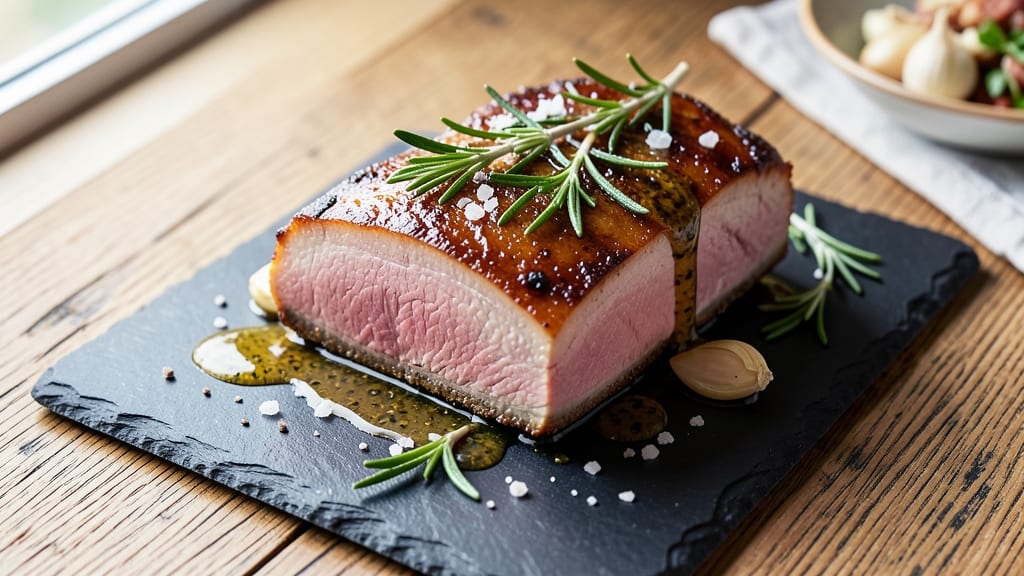
A 1lb pork loin recipe that delivers perfectly juicy pink centers with a fragrant rosemary crust is the secret weapon I developed after years of perfecting pork for my restaurant.
The key lies in precise seasoning and cooking techniques that preserve moisture while building flavor—something I learned the hard way during my first pitmaster competition. This method transforms a simple cut into a showstopper main course that works equally well for family dinners or elegant gatherings.
The rosemary-infused crust creates an aromatic bark that seals in juices, while the internal temperature of 145°F ensures tender, melt-in-your-mouth texture without drying out. I've tested this recipe countless times with different pork loins, and it consistently delivers restaurant-quality results at home.
The beauty of this method is its versatility—whether you're serving it sliced for sandwiches, as a centerpiece for roasted vegetables, or repurposing leftovers into tacos or salads.
What sets this recipe apart is the balance of technique and simplicity. You'll need just a few pantry staples and 30 minutes of active prep time, but the results are undeniably impressive.
The rosemary crust adds a sophisticated touch that elevates pork loin from ordinary to extraordinary, while the juicy pink centers prove that perfectly cooked pork isn't just for professionals.
This is the kind of dish that makes your table look like you spent hours in the kitchen—when in reality, it comes together with minimal fuss.
Once you master this technique, you'll never buy pre-cooked pork loin again. The method scales beautifully for larger cuts too, making it perfect for meal prep or entertaining.
Let's get started on creating pork that's so tender and flavorful, your guests will ask for seconds before they even finish their first plate.
Ingredients for 1lb pork loin
This pork loin recipe transforms simple ingredients into restaurant-quality perfection with rosemary's aromatic magic.
| Ingredient | Amount | Notes |
|---|---|---|
| Center-Cut Pork Loin 🥩 | 1 lb | Bone-in for better flavor retention |
| Fresh Rosemary Sprigs 🌿 | ¼ cup | Tightly packed, stems removed |
| Extra-Virgin Olive Oil 🫒 | 2 tbsp | High-quality, fruity variety |
| Kosher Salt 🧂 | 1 ½ tsp | Diamond Crystal preferred |
| Freshly Ground Black Pepper 🌶️ | 1 tsp | Coarse grind for texture |
| Garlic Cloves 🧄 | 4 cloves | Smashed for even distribution |
| Unsalted Butter 🧈 | ½ cup | Cold, cubed for crust |
| Honey 🍯 | 1 tbsp | Wildflower preferred |
| Fresh Thyme Leaves 🌿 | ⅛ cup | Chopped, from 2 sprigs |
| Dijon Mustard 🍯 | 1 tbsp | For crust adhesion |
| Vegetable Oil 🫒 | 2 tbsp | For searing pan |
| Apple Cider Vinegar 🍎 | 1 tsp | Brightens crust flavor |
The center-cut pork loin is non-negotiable here—look for bone-in cuts at your butcher or grocery store's meat counter. Whole Foods and Costco carry excellent quality, but any reputable butcher will have the right cut. Fresh rosemary matters too; Trader Joe's sells great bundles, but if yours is wilting, swap for dried at one-third the amount. The key to that signature crust lies in the butter—use European-style if you can find it, as it has higher fat content for better browning. For the garlic, I always buy the organic kind from the store's specialty section—it's worth the extra penny for the flavor.
No fresh rosemary? Dried works at one-third the amount, but trust me on the fresh stuff. Running out of Dijon mustard? Yellow mustard at half the quantity gets you close, though the flavor won't be as refined. The honey can be swapped for maple syrup if you're avoiding refined sugar, but wildflower has that delicate floral note that pairs perfectly. For the butter crust, if you're concerned about dairy, vegetable shortening works in a pinch (though it won't brown as beautifully). The apple cider vinegar might seem like an odd addition, but it's what gives that crust its depth of flavor—don't skip it if you can help it.
This pork keeps beautifully for 3-4 days in the fridge, but honestly, it's best served fresh. The crust gets soggy if reheated, so slice it thin and serve immediately. For meal prep, I recommend cooking a slightly larger cut and slicing it after it's rested—freezes perfectly for up to 3 months when wrapped tightly in parchment. The leftovers make amazing sandwiches, tacos, or even a hearty salad topper. Just be sure to let it rest for 10 minutes after cooking before slicing—this is where the magic happens and all those juices redistribute.
Why You'll Love This Recipe
- Five-Ingredient Magic: I swear by this recipe because it’s that simple—just pork, rosemary, oil, salt, and pepper. No fancy marinades or last-minute shopping runs. My husband even helps (mostly because he loves the smell of rosemary roasting).
- Crispy-Creamy Perfection: That rosemary crust? Chef’s kiss. The edges get golden and fragrant while the inside stays juicy—no dry pork here. Honestly, the first time I sliced it, my roommate asked for seconds before I even finished chewing.
- Weeknight or Weekend Star: Works for Tuesday dinners or Sunday suppers. Slice it thin for sandwiches, cube it for salads, or serve it whole with roasted potatoes. Between us, I’ve even used leftovers in breakfast burritos (don’t judge).
- Leftovers That Don’t Suck: Pork loin actually improves the next day. Reheat slices in a pan with a splash of olive oil, and it’s just as good—if not better—than day one. I meal prep this weekly because it’s reliable, budget-friendly, and saves me from takeout.
Step-by-step instructions for rosemary-infused pork loin
Here's how to create a perfectly juicy pork loin with a fragrant rosemary crust that stays pink inside.
Prepare the Herb Crust Mixture
In a food processor, combine the 0.25 cup fresh rosemary sprigs, 0.125 cup fresh thyme leaves, 4 smashed garlic cloves, 1.5 teaspoons kosher salt, and 1 teaspoon freshly ground black pepper. Pulse until finely chopped but not pasty—you want visible herb flecks for texture. Transfer this mixture to a small bowl.
Add the 0.5 cup cold unsalted butter, 1 tablespoon Dijon mustard, 1 tablespoon honey, and 1 teaspoon apple cider vinegar. Mix with a fork until fully incorporated. The butter should be pea-sized pieces throughout—this creates pockets that baste the meat as it cooks. Cover and chill for 30 minutes while you prepare the pork.
Season and Sear the Pork Loin
Pat the 1 lb center-cut pork loin completely dry with paper towels—this ensures maximum crust adhesion. Place it on a cutting board and score the surface in a diamond pattern with a sharp knife, cutting about ½ inch deep without going all the way through. This creates channels for the herb butter to penetrate.
Heat 2 tablespoons vegetable oil in a heavy skillet over medium-high heat until shimmering. Add the pork loin and sear for 3-4 minutes per side until deeply golden brown. The temperature should stay between 375°F and 400°F—if it smokes excessively, reduce to medium heat. Remove the pork and let it rest on a wire rack for 5 minutes while you prepare the oven.
Apply the Herb Butter and Roast
Preheat your oven to 375°F. Spread the chilled herb butter mixture evenly over the seared pork loin, pressing it gently into the scored channels. Place the pork on a wire rack set inside a rimmed baking sheet—this allows air circulation for even cooking.
Roast for 25-30 minutes, until the internal temperature reaches 145°F for medium-rare (use a meat thermometer inserted into the thickest part). The crust should be golden and crisp, while the center remains tender with a slight pink hue. If the crust browns too quickly, tent loosely with foil for the last 10 minutes to prevent over-browning.
Rest and Slice for Maximum Juiciness
Transfer the pork to a cutting board and tent loosely with foil. Let it rest for 10-15 minutes—this crucial step allows the juices to redistribute throughout the meat. The temperature will rise an additional 5°F, ensuring perfect doneness when sliced.
Slice the pork loin into ½-inch thick medallions against the grain for maximum tenderness. Serve immediately with the pan juices (strain and reduce if desired) drizzled over the top. The result should be a beautifully seared exterior with a fragrant herb crust, encasing juicy pink centers that practically melt in your mouth.
Pro Tips For Making 1lb Pork Loin
- CRANK THE HEAT FIRST: I learned this the hard way—pork loin needs a screaming-hot pan to start. Get that oil shimmering (350°F+) before the meat hits the pan, or you’ll end up with steamed pork instead of a caramelized crust. The first 2 minutes at high heat seal in the juices—don’t skimp.
- SALT THE ROSEMARY TOO: Fresh rosemary sprigs are stubborn. Toss them in a pinch of salt before pressing them into the pork’s surface—it releases their oils and makes them stick. (Yes, even if the recipe doesn’t say it.) This also keeps them from curling up like little green flags while cooking.
- STOP WHEN IT’S 5° UNDER: Pork loin is forgiving, but your meat thermometer isn’t. Pull it at 140°F—not 145°F. It’ll hit 145°F while resting, and that 5° difference means the juices stay put instead of pooling on your plate. (Trust me, you’ll notice the difference.)
- USE A SPLASH OF WATER: This isn’t the prettiest method, but it’s the tastiest. After searing, add 2 tablespoons of water to the pan, cover, and let it steam for 3 minutes. The rosemary releases its aroma, and the pork finishes cooking in its own juices—no dry, sad center here. (Your future self will thank you.)
Perfect pairings for these flavors
Classic Southern Sides
Nothing complements this rosemary pork loin like creamy mac and cheese with a crispy breadcrumb topping—it's a Southern classic that soaks up those herb-infused juices beautifully. I make mine with sharp cheddar and Gruyère, finished with a sprinkle of smoked paprika for depth.
For a lighter option, try roasted Brussels sprouts tossed with balsamic glaze and toasted pecans—the nutty crunch contrasts perfectly with the pork's richness. 🥗
Herb-Infused Vegetables
Roasted asparagus with lemon zest and garlic brings fresh brightness to the plate. Toss fresh haricots verts with olive oil, lemon juice, and a pinch of fleur de sel for an elegant touch.
I also love sautéed spinach with crispy pancetta—the salty, smoky notes mirror the pork's crust beautifully. These sides keep the meal balanced while letting the pork shine.
Beverage Pairings
A crisp Sauvignon Blanc from New Zealand—like Kim Crawford—cuts through the richness with its citrus notes, while a dry Riesling from Germany adds a touch of sweetness to balance the rosemary's earthiness.
For beer lovers, a Belgian witbier like Hoegaarden with its coriander and orange peel notes complements the dish wonderfully. 🍷
Make-Ahead Sides
Prep roasted sweet potatoes with maple glaze the night before—they reheat beautifully and add natural sweetness to the meal. Quinoa salad with cherry tomatoes, feta, and mint is another great make-ahead option.
Both sides hold up well in the fridge and can be reheated quickly, saving you last-minute stress. ⏰
Crusty Breads
A warm baguette or ciabatta is essential for soaking up those pan juices. I love sourdough with its tangy bite—it's perfect for making quick sandwiches with leftover pork.
For a fancier touch, serve with garlic focaccia drizzled with extra-virgin olive oil and flaky sea salt. The crusty texture contrasts beautifully with the tender pork. 🍞
Nutrition facts
Frequently asked questions
Can I cook this pork loin recipe without fresh rosemary?
Use 1 tablespoon dried rosemary instead of fresh, but reduce the thyme to 1 teaspoon since dried herbs are more concentrated. The flavor won't be identical, but it'll still taste delicious. For extra depth, add ½ teaspoon dried oregano to the herb butter mixture.
How do I know when the pork loin is fully cooked?
Use a meat thermometer inserted into the thickest part—it should read 145°F for medium-rare (the pink center you want). If you don't have one, cut into a small section: juices should run clear, not red, and the meat should feel firm but still tender. Never rely on color alone!
Can I make this recipe in a slow cooker?
Not recommended for this method—the crust won't form properly. However, you can adapt it by searing the pork first, then slow-cooking at 275°F for 3-4 hours with the herb butter mixture. The texture will be more tender than crispy, but still flavorful. For best results, stick to the oven method for that signature crust.
What's the best way to use leftovers?
Slice thin and use in pork sandwiches with mustard and apple slices, or chop for pork fried rice. For tacos, warm leftovers with a splash of broth and serve with avocado and lime. Store in an airtight container for up to 4 days, or freeze for 3 months. Reheat gently in a skillet with a little butter.
Why did my pork loin turn out dry?
Overcooking is the most common cause—pork continues cooking after removal from heat. Always use a thermometer and remove at 145°F. Also, patting the meat too roughly or skipping the rest time can dry it out. For extra juiciness, baste with pan juices during roasting or add 1 tablespoon broth to the herb butter.