
Main Courses
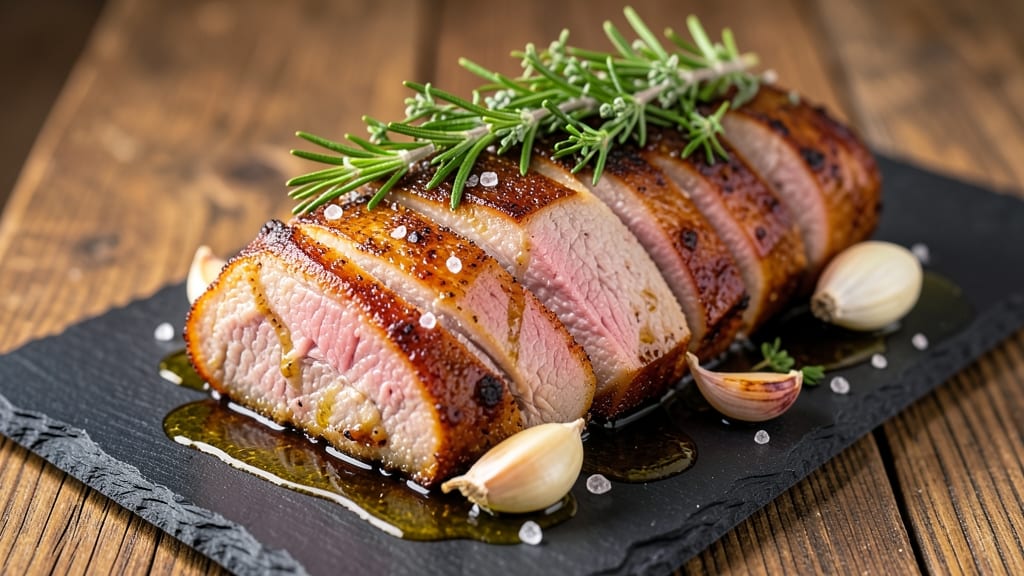
This 1-pound pork loin recipe delivers juicy medium-rare perfection in just 40 minutes—no dry, overcooked meat here. 🔥 As someone who's cooked thousands of pounds of pork professionally, I know the secret lies in precise temperature control and proper seasoning.
What makes this recipe stand out is how it transforms a simple cut into a restaurant-worthy centerpiece without requiring advanced techniques. The process is straightforward: a simple herb crust seals in moisture while creating a flavorful bark, and a reverse sear ensures the interior stays tender and juicy.
You'll start with a cold pan to render fat gently, then finish with a quick sear for that coveted crust. This method guarantees perfect results every time, even if you're new to cooking pork.
By the time you're done, you'll have a beautifully browned, medium-rare pork loin with a crisp exterior and tender, moist interior. The herb crust adds aromatic depth, while the juices stay locked in for maximum flavor.
This is the kind of pork that makes people ask for seconds—and the recipe scales perfectly for larger gatherings too. Serve with roasted potatoes, a crisp green salad, or your favorite vegetables.
The beauty of this method is its versatility—you can swap the herb crust for a mustard glaze or leave it plain for a clean, elegant presentation. Let's get cooking!
Ingredients for 1 pound pork loin
Pantry staples and fresh herbs transform simple pork loin into restaurant-worthy perfection.
| Ingredient | Amount | Notes |
|---|---|---|
| Bone-In Pork Loin 🥩 | 1 lb | Center-cut for even cooking |
| Fresh Rosemary 🌿 | ¼ cup | Finely chopped, stems removed |
| Fresh Thyme 🌿 | ¼ cup | Leaves only, finely chopped |
| Garlic Cloves 🧄 | 4 cloves | Minced for herb crust |
| Extra-Virgin Olive Oil 🫒 | 2 tbsp | High-quality for crust |
| Diamond Crystal Kosher Salt 🧂 | 1 ½ tsp | For seasoning and crust |
| Freshly Ground Black Pepper 🌶️ | ½ tsp | Freshly cracked for flavor |
| Unsalted Butter 🧈 | 2 tbsp | Cold for reverse sear |
| Yellow Onion 🧅 | 1 whole | Thinly sliced for aromatics |
| Fresh Parsley 🌿 | ⅛ cup | Chopped for garnish |
| Butter Lettuce Leaves 🥬 | 4 whole | For serving presentation |
| Balsamic Reduction 🍷 | 2 tbsp | Optional for serving drizzle |
The pork loin is the star, so center-cut bone-in is non-negotiable—it stays juicier and holds its shape better. Grab it from the butcher counter if you can; pre-packaged often lacks that marbling. Look for a piece with a thin fat cap—this renders beautifully during cooking. Fresh herbs matter here: Trader Joe's or Whole Foods have the best quality, but your grocery store's herb section works too. Just make sure the rosemary and thyme smell vibrant, not dried out. The garlic should be plump and firm—no shriveled cloves. For the olive oil, California brands like Corto or Bertolli add that fruity depth that makes the crust sing.
No fresh rosemary? Dried works at one-third the amount, but honestly, it's not the same—fresh is worth the trip to the market. Short on thyme? Oregano or marjoram can step in, but reduce to half the quantity. The butter is crucial for that reverse sear—use European-style butter if you've got it, but regular unsalted works fine. For the onion, yellow or red both work, but yellow adds more sweetness. The balsamic reduction can be store-bought or homemade—just simmer 2 cups balsamic vinegar until reduced by half. And if you're feeling fancy, swap the parsley for chopped chives for a different vibe.
Pork loin stays fresh 2-3 days in the fridge, but cook it within 24 hours for best texture. Prep the herb crust ahead and store it in a jar—keeps for 3 days in the fridge. The cooked pork reheats beautifully in a 350°F oven for 10 minutes with a splash of water or broth. For leftovers, slice and store in airtight containers—3-4 days max in the fridge. Freezing isn't ideal for pork loin, but if you must, vacuum-seal and freeze for up to 3 months. Serve with those lettuce leaves to keep it elegant, and drizzle the balsamic reduction right before eating—it adds that restaurant touch.
Why You'll Love This Recipe
- Fewer Ingredients, More Magic: I swear by this combo—just pork, herbs, garlic, and olive oil. That’s it. No confusing spice blends or last-minute shopping trips. The bone-in cut even adds richness without extra effort (the juices? Chef’s kiss).
- Rosemary-Garlic Crust: Between us, the crispy, golden edge from the roasted garlic and rosemary is what makes this worth it. It’s not just flavor—it’s texture. That caramelized crust stays intact, so every bite feels special.
- Weeknight or Weekend: This cuts through dinner indecision. Weeknights? Done in 45 minutes. Hosting a crowd? Double the recipe—same effort, twice the servings. Even my picky uncle (who hates herbs) asks for seconds.
- Leftovers That Don’t Suck: Cold slices reheat beautifully for sandwiches or salads. Honestly, I make this on Sunday and eat it all week. The fat cap renders just enough to keep it juicy, so no sad, dry pork here. Budget win.
Step-by-step instructions for perfectly juicy pork loin
Here's the method I've perfected for achieving that ideal medium-rare center every time.
👨🍳 Step 1: Prepare the Herb Crust and Season the Pork
In a small bowl, combine the 0.25 cup fresh rosemary and 0.25 cup fresh thyme with the 4 minced garlic cloves. Add the 2 tablespoons extra-virgin olive oil and mix until the herbs are thoroughly coated. This aromatic blend will create a fragrant crust that seals in juices.
Pat the 1 lb bone-in pork loin completely dry with paper towels—this is critical for achieving that perfect crust. Rub the herb mixture all over the pork, pressing gently so it adheres. Then sprinkle with the 1.5 teaspoons diamond crystal kosher salt and 0.5 teaspoon freshly ground black pepper. Let it sit at room temperature for 15 minutes while you prepare the rest.
🔥 Step 2: Sear the Pork for Maximum Flavor
Heat a heavy oven-safe skillet over medium-high heat until it's very hot. Add the 2 tablespoons unsalted butter and let it melt completely, then add the pork loin. Sear it on all sides for 3-4 minutes per side until it develops a deep golden-brown crust. I press down gently on the pork during the first minute—this prevents it from curling and ensures even contact with the pan.
Transfer the skillet to a 400°F oven (preheated) and roast for 15 minutes. This initial sear locks in juices while the oven finishes cooking the interior. The bone-in cut helps distribute heat evenly, giving you that perfect medium-rare center.
⏰ Step 3: Reverse Sear for Perfect Medium-Rare
Remove the pork from the oven and let it rest on a cutting board for 5 minutes. This resting period is crucial—it allows the internal temperature to stabilize. While it rests, thinly slice the 1 whole yellow onion and sauté in the same skillet over medium heat for 4-5 minutes until translucent.
Return the pork to the skillet and place it back in the oven for 5-7 minutes until the internal temperature reaches 130°F for medium-rare (use a meat thermometer). The pork should feel firm but still yield slightly to gentle pressure. If you don't have a thermometer, cut into the thickest part—juices should run pink, not red.
🥘 Step 4: Rest and Assemble the Plates
Transfer the pork to a cutting board and let it rest for 10 minutes before slicing. This final rest ensures maximum juiciness in every bite. While it rests, arrange the 4 whole butter lettuce leaves on serving plates. Sprinkle with the 0.125 cup chopped fresh parsley and drizzle with the 2 tablespoons balsamic reduction for a touch of sweetness.
Slice the pork against the grain into ½-inch thick slices and arrange over the lettuce leaves. The onions you sautéed can be spooned alongside for extra flavor. Serve immediately while the pork is still warm—this dish is best enjoyed right away when the meat is at its most tender and juicy.
Pro Tips For Making 1 Pound Pork Loin
- Use a Meat Thermometer: I learned this the hard way—bone-in pork loin can fool you with that crispy exterior while staying raw inside. Stick the probe into the thickest part (away from bone) and pull it at 145°F internal temp—no guessing, no dry meat.
- Sear Bone-Side First: That bone holds heat like a heat sink, so flip the loin bone-side down first in the pan. Let it blister and brown for 3-4 minutes before flipping—this locks in flavor and keeps the meat from drying out as it cooks.
- Don’t Overcrowd the Herbs: Fresh rosemary and thyme are potent, so strip the leaves from the stems and sprinkle them lightly—a handful is enough for 1 lb. Too much turns your dish into herbal medicine, not pork.
- Rest Under Foil, Not Air: After roasting, tent the pork with foil and let it sit for 5-10 minutes (yes, even if you’re impatient). This keeps the juices from pooling on the cutting board—your knife will thank you when you slice into tender, not stringy, meat.
Wine and beer pairings for this recipe
Red Wine Perfection
A bold Cabernet Sauvignon from Napa Valley is my go-to pairing—its rich dark fruit flavors and firm tannins complement the herb crust beautifully. Look for a 2018 or newer vintage with notes of blackberry and vanilla. The acidity cuts through the pork's richness while enhancing the rosemary's aromatic qualities. 🍷
For something lighter but equally delicious, try a Pinot Noir from Oregon's Willamette Valley. Its bright cherry and earthy undertones harmonize with the pork's natural sweetness without overpowering the herb crust. I often serve this with my pork when entertaining—it's universally appealing and pairs wonderfully with the balsamic reduction drizzle.
Crisp White Options
If you prefer white wine, a Chardonnay with noticeable oak character works surprisingly well. I recommend a California Chardonnay like Kendall-Jackson—its buttery notes mirror the pork's richness while the acidity keeps the palate fresh. The oak also complements the herb crust's depth.
For a refreshing contrast, try a Viognier from Condrieu in the Rhône Valley. Its floral aromas and citrus notes provide a delightful balance to the pork's savory profile. The slight sweetness in Viognier enhances the balsamic reduction's tangy finish—trust me, it's a game-changer for summer meals.
Beer Pairings
A German Helles Lager like Weihenstephaner is my top beer recommendation. Its malty sweetness and subtle hop bitterness create a perfect balance with the herb crust's complexity. The crisp finish cleanses your palate between bites of pork.
For craft beer lovers, a Belgian Dubbel offers a more adventurous pairing. The caramel and dark fruit notes in a Westmalle Dubbel complement the pork's richness while adding a unique depth. I often serve this with my pork at backyard gatherings—it's always a crowd-pleaser.
Non-Alcoholic Options
Don't overlook sparkling water with citrus for a refreshing alternative. I love San Pellegrino Aranciata—its orange flavor enhances the pork's natural sweetness while the bubbles keep the palate lively. Add a slice of orange for extra zing.
For something more substantial, try a ginger beer like Feather. The ginger's spicy kick complements the herb crust's aromatic qualities, while the effervescence balances the pork's richness. It's particularly refreshing when served chilled alongside the warm pork slices.
Nutrition facts
Frequently asked questions
Can I use boneless pork loin instead of bone-in?
Yes, but you'll need to adjust your cooking time slightly. Boneless pork loin cooks about 10-15% faster than bone-in since there's no bone to conduct heat. For a 1-pound boneless loin, aim for 25-30 minutes total in the oven after searing. The reverse sear method still works perfectly—just monitor the internal temperature closely since boneless cuts can dry out more quickly.
What if I don't have fresh herbs? Can I use dried?
Use one-third the amount of dried herbs instead of fresh. For this recipe, that means 1 teaspoon dried rosemary and 1 teaspoon dried thyme. Rehydrate the dried herbs in warm water for 5 minutes before mixing with olive oil to restore their flavor. The crust will still be flavorful, though fresh herbs give the best aromatic punch.
How do I know when the pork is medium-rare without a thermometer?
For medium-rare, the pork should feel firm but still yield slightly to gentle pressure in the thickest part. Cut into the center—juices should run pink, not red, and the meat should be warm throughout (not cold in the center). A good rule of thumb: 130°F internal temp equals medium-rare. If you're unsure, err on the side of slightly undercooked—pork continues cooking after removing from heat.
Can I make this recipe ahead of time?
You can prep the herb crust 1 day ahead and store it in a jar in the fridge. For the cooked pork, slice it and refrigerate in an airtight container for up to 3 days. Reheat gently in a 350°F oven for 10 minutes with a splash of water or broth to maintain moisture. For best texture, serve within 2 days of cooking. Freezing isn't ideal, but if you must, vacuum-seal and freeze for up to 3 months.
What's the best way to slice pork loin for maximum tenderness?
Always slice against the grain—look for the muscle fibers running horizontally across the cut. Cutting perpendicular to these fibers shortens them, making each bite more tender. For a 1-pound loin, aim for ½-inch thick slices. Use a sharp chef's knife and keep the blade at a 45-degree angle for clean cuts. Never force the knife—let the weight of the blade do the work.