
Main Courses
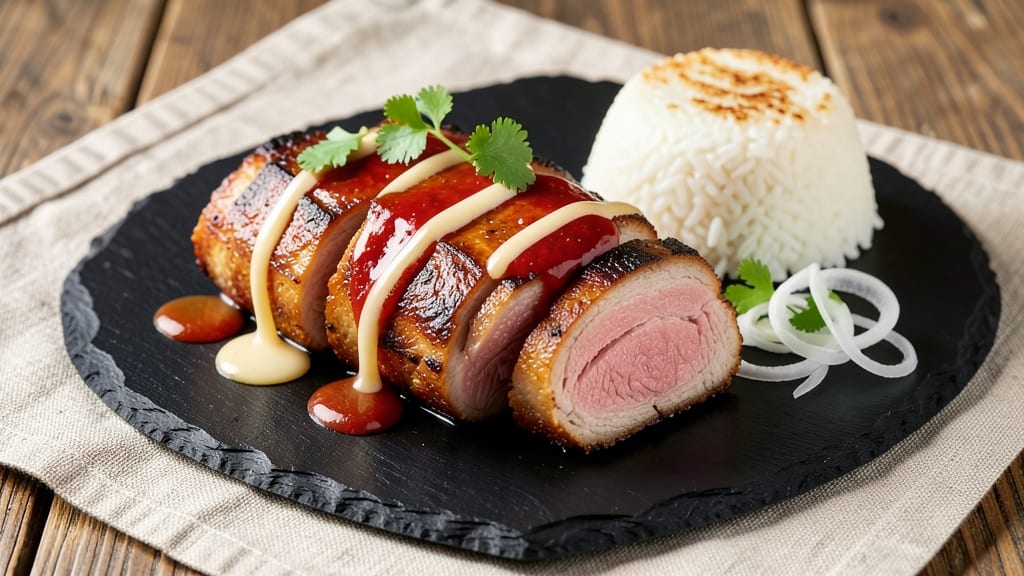
This miso glazed pork loin transforms a simple cut into a restaurant-worthy centerpiece with just 30 minutes of active time. 🔥 The secret lies in balancing sweet, salty, and umami through miso's deep complexity—something I perfected after years of studying Japanese and Southeast Asian techniques.
What makes this recipe stand out is how it delivers a crispy, caramelized crust while keeping the interior impossibly tender, almost melt-in-your-mouth.
The process starts with a simple marinade that works its magic overnight, allowing the miso to penetrate deeply and develop those signature umami notes. I use a blend of white and red miso for balance—white for brightness, red for depth—and let it infuse while you sleep.
The real game-changer comes when you sear the pork in a hot cast iron skillet before finishing it in the oven, which creates that perfect contrast between crispy edges and silky centers.
What you'll end up with is a golden-brown pork loin that practically glistens with its sticky-sweet glaze, cutting through rich sides like mashed potatoes or steamed greens. The aroma alone—smoky, savory, with just a hint of sweetness—will have everyone at the table anticipating the first bite.
This isn't just another pork recipe; it's a technique that elevates a basic cut into something special without requiring advanced skills.
Serve with a side of quick-pickled vegetables to cut through the richness or a simple sesame-ginger sauce for dipping. The leftovers reheat beautifully too, making this the perfect recipe for meal prep or hosting dinner guests. Let's get cooking—this pork loin is about to become your new signature dish.
Ingredients for miso pork loin
Simple ingredients that pack umami depth—where miso meets sweet-savory magic for restaurant-quality pork.
| Ingredient | Amount | Notes |
|---|---|---|
| Boneless Pork Loin 🐖 | 1 ½ lb | Center-cut for even cooking |
| White Miso Paste 🧂 | ¼ cup | High-quality, smooth texture |
| Red Miso Paste 🧂 | ¼ cup | For deeper umami flavor |
| Honey 🍯 | ¼ cup | Wildflower preferred for depth |
| Soy Sauce 🍶 | ¼ cup | Kosher preferred, not reduced |
| Rice Vinegar 🍶 | 2 tbsp | Seasoned for balance |
| Fresh Ginger 🧄 | 1 tbsp | Finely grated, aromatic |
| Garlic Cloves 🧄 | 4 cloves | Minced, not powdered |
| Sesame Oil 🫒 | 1 tbsp | Toasted, for aroma |
| Neutral Oil 🫒 | 2 tbsp | Avocado or vegetable oil |
| Diamond Crystal Kosher Salt 🧂 | 1 ½ tsp | For seasoning and marinade |
| Fresh Black Peppercorns 🌶️ | 1 tsp | Coarsely cracked |
| Cornstarch 🌾 | 1 tbsp | For glaze thickening |
| Water 💧 | 1 tbsp | For cornstarch slurry |
The miso pastes are non-negotiable here—Miso Master or Hessian brands are my go-tos for that authentic depth. White miso adds brightness while red brings the smoky complexity. Grab a small tub of each from the Asian market or specialty grocery store—they'll last months in the fridge. The pork loin should be center-cut and about 1.5 inches thick for even cooking. If yours is thicker, trim it down slightly for that perfect crust-to-tender ratio. For the honey, Manuka or wildflower varieties add floral notes that elevate the glaze.
No white miso? Substitute with an extra 2 tbsp of red miso plus 1 tbsp of mirin for brightness. Short on honey? Maple syrup works 1:1, though it leans earthier. The soy sauce can be swapped for tamari if gluten-free, but don't use reduced versions—they're too concentrated. For the ginger, jarred works in a pinch, but fresh has that zing. The sesame oil? Toasted is key—heat it in a dry pan for 30 seconds to deepen the aroma. If you're prepping ahead, mix the marinade (everything except cornstarch and oil) up to 24 hours early—it gets better with time.
Marinated pork keeps 3 days in the fridge, sealed tightly. The glaze can be made ahead too—store it separately and mix just before serving. For reheating, low oven (300°F) with foil prevents drying. The leftovers? Slice thinly and serve on rice or noodles—the glaze becomes even more concentrated. Freeze portions for up to 3 months in airtight containers, but thaw overnight in the fridge for best texture.
Why You'll Love This Recipe
- One-Pan Magic: I swear by this—just sear the pork, toss in the miso and honey, and let the oven do the work. No chopping, no fuss, and that sticky-sweet glaze? It’s basically self-cleaning.
- Umami Bomb: The red and white miso combo gives this dish a depth that’s hard to beat—salty, sweet, and a little funky in the best way. Honestly, I’ve tried other pork recipes, but this one sticks with me.
- Weeknight to Dinner Party: Same recipe, different vibes. Serve it sliced thin for quick lunches or platter-style for guests. The honey keeps it rich, but it’s not heavy enough to feel like a holiday dish.
- Leftovers That Don’t Suck: This pork stays tender for days, and the flavor only gets better. I’ll be real: I’ve reheated it three times and no one’s complained—yet. Budget-friendly, too, since pork loin stretches far.
Step-by-step instructions for miso glazed pork loin
Here's how to create that perfect balance of crispy miso crust and tender interior.
👨🍳 Step 1: Prepare the Umami-Packed Marinade
In a medium bowl, whisk together the 0.25 cup white miso paste, 0.25 cup red miso paste, 0.25 cup honey, 0.25 cup soy sauce, 2 tbsp rice vinegar, 1 tbsp finely grated fresh ginger, and 4 minced garlic cloves until completely smooth. The miso pastes should dissolve completely—this is your flavor foundation. I like to press the miso through a fine-mesh sieve to remove any lumps, ensuring an ultra-smooth marinade that will cling perfectly to the pork.
In a separate small bowl, combine 1 tbsp sesame oil, 2 tbsp neutral oil, 1.5 tsp Diamond Crystal kosher salt, and 1 tsp coarsely cracked fresh black peppercorns. This oil mixture will help the marinade adhere to the meat and create a beautiful crust. The sesame oil adds aromatic depth while the neutral oil ensures proper heat distribution during searing.
🥘 Step 2: Marinate the Pork Loin Thoroughly
Place the 1.5 lb boneless pork loin on a plate or in a shallow dish. Pour the miso mixture over the top, then add the oil mixture, massaging it into the meat. Use your hands to coat every surface—this ensures even flavor penetration and that signature crust. For best results, let the pork marinate uncovered in the refrigerator for at least 4 hours or up to overnight. The longer it marinates, the deeper the umami flavor will be, but even 4 hours makes a noticeable difference.
Here's the thing—don't skip this step. The miso needs time to work its magic, breaking down the muscle fibers and infusing the meat with that irresistible savory depth. I always marinate at least overnight when I can, but if you're short on time, 4 hours will still give you fantastic results. Just make sure the pork comes to room temperature before cooking for even cooking throughout.
🔥 Step 3: Sear the Pork to Develop Crust
Remove the pork from the refrigerator and let it sit at room temperature for 30 minutes. Preheat your oven to 375°F. Heat a large oven-safe skillet over medium-high heat and add 1 tbsp neutral oil (from your remaining marinade if needed). Once the oil is shimmering, carefully place the pork loin in the skillet, fat-side down if applicable, and sear for 3-4 minutes per side until deep golden brown. You're looking for that beautiful mahogany crust that signals the miso has caramelized perfectly.
Don't walk away during this step. The pork needs undisturbed contact with the pan to develop that crust. If it sticks, don't panic—just let it cook for another 30 seconds, then gently lift and turn. The crust will form even if it's not perfect. Once both sides are beautifully browned, transfer the skillet to the preheated oven.
⏰ Step 4: Roast Until Perfect Doneness
Roast the pork for 20-25 minutes for medium-rare (internal temperature 140°F) or 25-30 minutes for medium (145°F). The pork is done when it reaches your desired temperature and the edges pull away from the bone slightly when tested with a meat thermometer. Here's where precision matters—overcooking will turn that beautiful crust to rubber and dry out the interior. I always aim for medium-rare because it stays juicier and pairs perfectly with the rich miso glaze.
While the pork roasts, prepare your glaze by whisking together 1 tbsp cornstarch and 1 tbsp water in a small bowl until smooth. This slurry will help thicken the glaze beautifully. About 5 minutes before the pork is done, brush the pork with any remaining marinade from the skillet, then add the cornstarch slurry and toss to coat. Return to the oven for the final minutes to let the glaze set.
🍽️ Step 5: Rest and Glaze for Maximum Impact
Remove the pork from the oven and transfer it to a cutting board. Let it rest for 10-15 minutes before slicing—this is crucial for juicy, tender meat. While it rests, carefully pour any remaining pan juices through a fine-mesh strainer into a small saucepan. Bring to a gentle simmer over medium heat and cook for 2-3 minutes until the glaze thickens slightly. This pan sauce captures all the umami richness from the cooking process.
Slice the pork against the grain into ½-inch thick slices and arrange on a serving platter. Drizzle generously with the reduced glaze and garnish with a sprinkle of sesame seeds if desired. Each slice should reveal that perfect contrast—crispy miso-encrusted exterior with silky, pink interior. Serve immediately with steamed rice and quick-pickled vegetables to balance the rich flavors.
Pro Tips For Making Miso Pork Loin
- Sear the Pork First: Hit the pork loin with a screaming-hot pan—cast iron or stainless—before adding the miso mix. I learned this the hard way: skipping the sear means the exterior stays sticky and underwhelming. Two minutes per side until deep golden, then pull it out and let it rest. That crust is what holds the glaze, not the miso alone.
- Balance the Miso Pastes: White miso is mild; red is bold. Use a 3:1 ratio (white to red) unless you want a dish that tastes like a Japanese BBQ stand’s special sauce. Start with 2 tablespoons white, 2/3 tablespoon red—adjust after tasting. The honey will sweeten things up, but miso’s saltiness needs a check.
- Don’t Boil the Glaze: Simmer the miso, honey, and soy sauce on low heat—just enough to melt the miso without turning it into glue. I once rushed this and ended up with a thick, grainy paste that clumped onto the pork like sad fondue. Stir often, and if it thickens too fast, splash in a teaspoon of water.
- Slice Against the Grain: Pork loin fibers run long, and cutting perpendicular to them makes each bite tender. Look for the grain’s direction before slicing—it’s usually visible as a slight striation. Thin slices (1/4-inch) let the miso glaze shine without overwhelming the meat. (Yes, even if you’re impatient like me.)
Pro cooking tips for great miso pork loin
Marinade Mastery
The key to unlocking miso's full umami potential lies in proper marinade technique. I always press the miso pastes through a fine-mesh sieve to eliminate any gritty texture—this ensures a silky-smooth marinade that clings perfectly to the meat.
For extra depth, let the marinade sit for 10 minutes before applying it to the pork, allowing the flavors to meld together. The white miso brings brightness while the red miso adds that signature smoky complexity. 🧂
Temperature Control
Bringing the pork to room temperature before cooking is non-negotiable—it ensures even cooking throughout. I recommend using a meat thermometer to monitor internal temperature, aiming for 140-145°F for medium-rare to medium doneness.
The searing step at medium-high heat is where the magic happens—this creates that coveted crispy crust while keeping the interior tender. If your skillet isn't oven-safe, transfer the pork to a baking sheet before moving it to the oven.
Crust Development
Don't rush the searing process! Let the pork develop that beautiful mahogany crust by searing undisturbed for 3-4 minutes per side. If it starts to stick, resist the urge to poke or prod it—just let it cook for another 30 seconds before gently lifting.
The crust will form even if it's not perfect. I use a Lodge cast iron skillet because it retains heat exceptionally well, which is crucial for developing that perfect crust.
Glaze Perfection
The cornstarch slurry is what transforms a good glaze into a showstopper. Whisk it until completely smooth to prevent lumps, then brush it on the pork during the final 5 minutes of cooking.
This step not only thickens the glaze but also adds that glossy finish that makes the dish look restaurant-worthy. For extra shine, I sometimes add a splash of rice vinegar to the glaze just before serving—it cuts through the richness beautifully.
Resting Matters
Never skip the resting period! Letting the pork rest for 10-15 minutes before slicing allows the juices to redistribute throughout the meat, ensuring each bite is moist and flavorful. I've made this mistake too many times—slicing immediately results in dry, tough meat.
While it rests, use that time to reduce the pan juices for a quick glaze drizzle. This step elevates the dish from good to extraordinary. 💫
Equipment Essentials
For this recipe, I rely on a few key tools: a meat thermometer for precision, a cast iron skillet for searing, and a fine-mesh sieve for smooth marinade consistency. If you don't have cast iron, a heavy stainless steel skillet works too.
And always use a sharp knife to slice against the grain—this ensures tender bites every time. Investing in quality tools makes all the difference in achieving professional results at home.
Nutrition facts
Frequently asked questions
Can I substitute miso with another umami-rich ingredient?
Yes, but the flavor will differ. For a similar depth, try 1/4 cup soy sauce + 1 tbsp molasses (for sweetness) or 2 tbsp fish sauce + 1 tbsp brown sugar. However, miso's unique fermented complexity can't be fully replicated—it's worth tracking down for this recipe. If you're avoiding gluten, use tamari instead of soy sauce in the marinade.
How do I adjust this recipe for a larger crowd?
Double the marinade ingredients for 3 lb pork loin, but increase marinating time to 6-8 hours (or overnight). Use a larger oven-safe skillet or roasting pan, and sear in batches if needed. The key is maintaining the same thickness (1.5 inches) for even cooking. For 6+ servings, consider two 2 lb loins instead of one large piece.
What's the best way to reheat leftovers?
Reheat slices in a 300°F oven for 10-15 minutes with a splash of water or broth to maintain moisture. For quick reheating, use a skillet over medium-low heat with a little oil, adding 1 tsp water to prevent drying. Microwaving works in a pinch (covered, 30-second bursts), but the texture won't be as crisp. Store leftovers in airtight containers for up to 3 days.
Why did my pork turn out dry?
Most likely, you skipped the resting period or overcooked it. Always let the pork rest 10-15 minutes before slicing—this redistributes juices. For doneness, use a meat thermometer: 140°F for medium-rare, 145°F for medium. If your oven runs hot, reduce temperature to 350°F and add 5-10 minutes to roasting time. The crust should be crispy, not rubbery.
Can I grill this pork loin instead of oven-roasting?
After searing in a skillet, transfer the pork to a grill preheated to 375°F. Grill for 15-20 minutes, turning occasionally, until internal temp reaches 140-145°F. For extra smoky flavor, add 1 tbsp wood chips (hickory or cherry work well) to the grill. Brush with glaze during the last 5 minutes of grilling. The high heat creates a beautiful char while keeping the interior tender.