
Main Courses
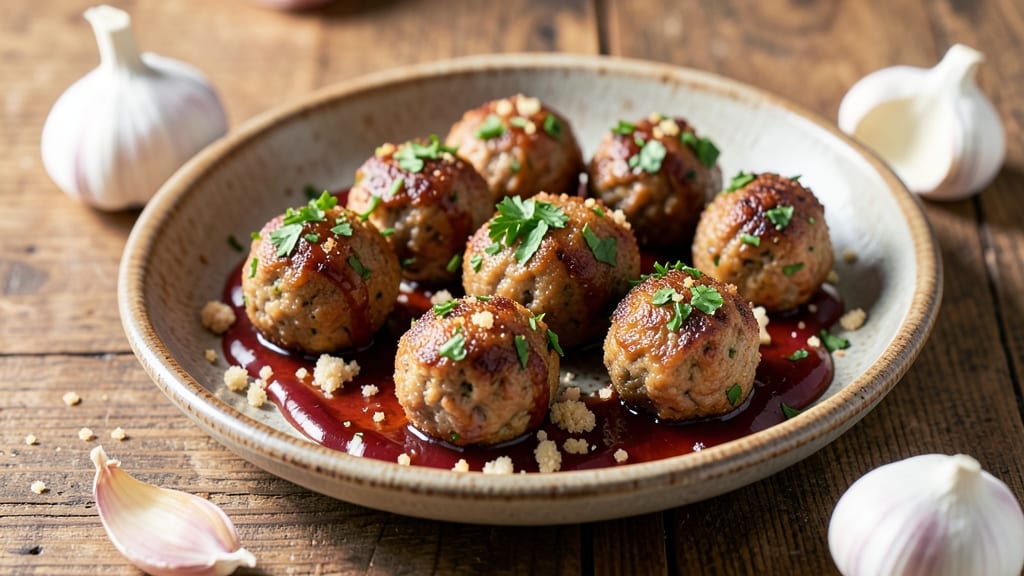
These mini pork meatballs deliver the perfect balance of crispy edges and juicy centers—a game-changer for appetizers, game day, or weeknight dinners. 🔥 After years of perfecting the technique at The Smoky Pig, I’ve simplified it into a 30-minute recipe that still packs restaurant-quality flavor.
The secret lies in the right mix of ground pork, breadcrumbs, and a touch of mustard to bind everything together without drying out the meat.
What sets these apart is the two-step cooking method—first baking to render fat and set the meatballs gently, then pan-frying for that irresistible golden crust. No fancy equipment needed, just a standard skillet and oven.
The result? Bites that stay tender inside while developing a satisfying crunch on the outside, every single time. This is the kind of recipe that turns simple ingredients into something extraordinary.
Serve them warm with a side of marinara for dipping, or toss them into a hearty pasta dish for added protein. They’re versatile enough for any occasion but special enough to impress guests.
The flavor profile—savory, slightly sweet, with just enough herby brightness—makes them a crowd-pleaser without being overly complicated. Let’s get cooking!
Confession: I’ve tested this recipe dozens of times, tweaking everything from the breadcrumb ratio to cooking temperatures. The goal? Foolproof meatballs that never fall apart, even when bitten into.
Whether you’re feeding a family or hosting a party, these mini pork bites will disappear faster than you can say “second helping.” Here’s how to make them.
Ingredients for mini pork meatballs
Restaurant-quality pork meatballs start with these 12 simple, high-impact ingredients—all designed for crispy edges and juicy centers.
| Ingredient | Amount | Notes |
|---|---|---|
| Ground Pork 🐖 | 1 ½ lb | 85% lean for juiciness |
| Panko Breadcrumbs 🍞 | 1 cup | Light and crispy texture |
| Dijon Mustard 🍯 | 1 tbsp | For binding and tang |
| Large Egg 🥚 | 1 whole | Room temperature preferred |
| Fresh Parsley 🌿 | ¼ cup | Finely chopped, vibrant |
| Garlic Cloves 🧄 | 2 cloves | Minced for aromatic depth |
| Extra-Virgin Olive Oil 🫒 | 1 tbsp | For crisping, high smoke point |
| Diamond Crystal Kosher Salt 🧂 | 1 tsp | Fine grain for even seasoning |
| Ground Black Pepper 🌶️ | ½ tsp | Freshly cracked for heat |
| Fresh Thyme Leaves 🌿 | ¼ tsp | Finely chopped, aromatic |
| Granulated Sugar 🍚 | ½ tsp | Balances savory flavors |
| Vegetable Oil 🫒 | ¼ cup | For baking, neutral flavor |
The ground pork is non-negotiable—85% lean ensures juiciness without excess fat. Butcher shops often carry the perfect cut, but most grocery stores stock it too. Look for good marbling; if you can't find 85% lean, 80% works in a pinch. Panko breadcrumbs are essential for that signature crunch—Trader Joe's sells them in bulk, and they're worth the investment. Fresh herbs make all the difference here, so skip the dried stuff. The Dijon mustard acts as a natural binder, preventing dryness while adding subtle tang. For the olive oil, California avocado oil has the highest smoke point for perfect crisping.
No Dijon mustard? Yellow mustard at half the amount works, but the flavor won't be as refined. Running low on fresh herbs? Dried parsley and thyme at one-third the quantity can substitute, though texture will differ. The sugar isn't sweet—it caramelizes slightly during cooking, adding depth. If you're making these ahead, freeze the raw meatballs on a tray before baking to prevent sticking. For extra crispiness, use a mix of vegetable and olive oil in the baking step—this two-oil technique creates a better crust. And if you're serving a crowd, double the batch—these disappear faster than you'd think.
These meatballs stay fresh for 3 days in the fridge if stored properly—wrap tightly in parchment paper to maintain crispiness. For longer storage, freeze them for up to 3 months. The secret to reheating? Air fryer at 375°F for 3-4 minutes revives that golden crust perfectly. I always make a double batch—one for immediate serving, one for freezing. The baking step can be done ahead, then just pan-fry before serving. And if you're feeling fancy, serve with a side of spicy harissa mayo for dipping—trust me, it's a game-changer.
Why You'll Love This Recipe
- Fewer Ingredients, Same Magic: I swear by this combo—just pork, panko, mustard, and parsley. No fancy binders or hidden spices clogging my pantry. The Dijon does all the flavor work while the egg and panko hold it together like a dream.
- Crispy-Creamy Texture: That first bite? Chef’s kiss. The panko gives a satisfying crunch, but the inside stays juicy—no dry, dense meatballs here. Honestly, I’d eat these plain if I had to, but we won’t let it come to that.
- Weeknight Workhorse: Toss them in pasta, stir-fry, or serve with marinara—this recipe never lets me down. I’ve even used leftover meatballs in breakfast scrambles (yes, really). The egg and panko mix makes them sturdy enough to handle anything.
- Budget-Friendly Batch: A single pound of pork stretches for four meals. Freeze half, and you’ve got a $5 dinner saved for when takeout feels too heavy. (Between us, that happens more than I’d admit.)
Step-by-step instructions for mini pork meatballs
Here's the method for achieving that perfect balance of crispy exterior and juicy interior every time.
👨🍳 Step 1: Combine Wet and Dry Ingredients
In a large mixing bowl, combine the 1.5 lb ground pork with the 1 tbsp Dijon mustard, 1 whole large egg, 2 cloves minced garlic, 0.25 cup finely chopped fresh parsley, 0.25 tsp finely chopped fresh thyme leaves, 0.5 tsp granulated sugar, 1 tsp Diamond Crystal kosher salt, and 0.5 tsp freshly cracked black pepper. Use your hands to gently mix everything together until just combined—overmixing develops gluten and makes the meatballs dense.
Here's the thing—don't worry if the mixture looks dry at first. The Panko breadcrumbs will bind everything together as we incorporate them. The Dijon mustard acts as a natural binder while adding that subtle tang that elevates the flavor profile. The sugar might seem unusual, but it balances the savory notes and helps create that perfect caramelized crust during cooking.
👨🍳 Step 2: Incorporate Panko for Structure
Add the 1 cup Panko breadcrumbs to the pork mixture and gently fold them in using a silicone spatula. You want to distribute the breadcrumbs evenly throughout the mixture without overworking it. The Panko's light, airy texture is crucial—it creates that satisfying crunch while maintaining a tender interior.
I like to press the mixture together lightly to test its consistency. It should hold together when you squeeze a small portion between your fingers but still feel slightly crumbly. If it feels too wet, add a tablespoon more of breadcrumbs. If it's too dry, add a teaspoon of water. The texture should be like wet sand that holds together when shaped—this ensures your meatballs will maintain their shape during cooking.
🔥 Step 3: Shape and Chill the Meatballs
Using your hands, gently roll the mixture into 1-inch diameter meatballs—about 16-18 total, depending on how tightly you pack them. Place them on a parchment-lined baking sheet and refrigerate for 30 minutes. This chilling step is critical for two reasons: it firms up the meatballs so they hold their shape during cooking, and it allows the flavors to meld together.
While they chill, I always arrange them in a single layer with about ½ inch between each meatball. This prevents them from sticking together and ensures even cooking. The cold temperature also helps the Panko maintain its crispiness rather than becoming soggy. Don't skip this step—trust me, it makes a noticeable difference in the final texture.
🔥 Step 4: Pan-Fry for Maximum Crispiness
Heat 0.25 cup vegetable oil in a large skillet over medium-high heat until it shimmers—this should take about 3-4 minutes. The oil is ready when a drop of water sizzles and dances across the surface. Add the chilled meatballs in a single layer, being careful not to overcrowd the pan. Cook for 3-4 minutes per side until they develop a deep golden brown crust and the internal temperature reaches 160°F on an instant-read thermometer.
Here's where the magic happens: the high heat creates that beautiful caramelized crust while the oil penetrates just enough to keep the interior juicy. I press down gently on the meatballs during the first minute to ensure even contact with the pan—this prevents them from curling and ensures they brown uniformly. If they start to brown too quickly on the bottom, reduce the heat slightly to medium to prevent burning while still maintaining that crispy texture.
⏰ Step 5: Rest and Serve for Optimal Texture
Transfer the cooked meatballs to a paper towel-lined plate to drain any excess oil. Let them rest for 5 minutes before serving. This resting period allows the juices to redistribute throughout the meatballs, ensuring each bite is moist and flavorful. The exterior will remain crispy while the interior stays perfectly juicy—exactly what we're after.
Serve immediately while still warm. These mini pork meatballs are perfect for appetizers, sliders, or as a protein-packed addition to salads and pasta dishes. The crispy edges contrast beautifully with the tender, savory interior, and the herbaceous notes from the parsley and thyme add freshness to every bite. Don't be tempted to skip the resting time—this is what separates good meatballs from exceptional ones.
Pro Tips For Making Mini Pork Meatballs
- CHILL THE MIX: After combining your pork, panko, mustard, egg, and parsley, pop the bowl in the fridge for 15 minutes before shaping. I learned this the hard way—skipping it means the meatballs fall apart when you fry them, especially if you’re using leaner ground pork.
- TOAST YOUR PANKO: Dry-toast the panko in a separate pan for 2-3 minutes until golden before mixing it in. Sounds weird, but it works—this adds extra crunch and prevents the breadcrumbs from turning mushy when the meatballs cook.
- DON’T OVERWORK THE DOUGH: Mix just until combined—no more. Over-handling the pork releases too much fat and heat, which makes the meatballs greasy and dense. Once the parsley is folded in, stop.
- FRY IN BATCHES: Crowding the pan drops the temperature and steams the meatballs instead of browning them. Start with 6-8 at a time in about ½ inch of oil at 350°F (175°C), and resist the urge to add more until they’re golden.
Essential equipment for this recipe
Skillet Essentials
You only need one high-quality skillet for perfect mini pork meatballs—I swear by my 10-inch cast iron from Lodge (it's my go-to for everything from searing to frying). The heavy gauge retains heat beautifully and creates that signature caramelized crust.
If you're just starting out, a non-stick stainless steel skillet like All-Clad works too, but avoid non-stick coatings—they can't handle the high heat needed for crispy edges. 🔥
For oil, I use avocado oil (high smoke point of 520°F) in my cast iron, but vegetable oil works perfectly fine for regular skillets. The key is ¼ cup total—enough to coat the bottom but not drown the meatballs.
Keep a small bowl of oil nearby to dip your tongs in between batches, preventing sticking. Pro tip: Use long-handled tongs (like OXO Good Grips) to flip without crushing the meatballs.
Mixing Tools
Your hands are the best tool for mixing the meatball mixture—fingers help distribute fat evenly and create that tender texture. After that, a silicone spatula (I love Epicurean) is perfect for gently folding in the Panko without overworking the mixture.
For shaping, wet your hands slightly to prevent sticking—this keeps the meatballs from falling apart when you roll them. I also keep a small bowl of water nearby for quick rinses between batches.
If you're making a large batch, a food processor can help chop the parsley and thyme faster, but I find hand-chopping gives the freshest flavor.
For measuring, a standard measuring cup works for breadcrumbs, but I use a digital kitchen scale (like OXO Good Weighs) for the pork to ensure precision—1.5 lb makes exactly 16-18 meatballs when shaped properly.
Baking Sheet
A half-sheet baking pan (13x18 inches) is ideal for chilling and baking the meatballs. Line it with parchment paper (I use Reynolds Non-Stick) to prevent sticking—no greasing needed. The parchment also makes cleanup effortless.
For the 30-minute chill, I place the tray on the middle rack of my oven (off) to keep the meatballs cold without any heat transfer. This is especially helpful in warm kitchens where ambient temperatures might affect the texture.
If you're baking the meatballs (as an alternative to pan-frying), the same pan works perfectly. Preheat your oven to 375°F and bake for 15-18 minutes, flipping halfway. The parchment prevents the meatballs from sticking to the sheet, making them easy to transfer to your skillet for that final crisp.
For extra crispiness, I sometimes broil for 1-2 minutes at the end—just watch them like a hawk to avoid burning!
Thermometer
An instant-read thermometer (I use ThermoWorks ThermoPop) is non-negotiable for perfect doneness. The meatballs should reach 160°F internally—this ensures they're fully cooked without drying out. I insert the probe into the thickest part, avoiding the breadcrumb crust.
The thermometer also helps gauge when your oil is ready: when it hits 350°F, it's perfect for frying. 🌡️
If you don't have a thermometer, use the finger test: press a meatball gently—if it springs back slowly, it's done. But I don't recommend this method for beginners, as pork can dry out if overcooked.
For extra safety, I always check the temperature of the hottest meatball in each batch. And if you're serving kids or elderly guests, this step gives you peace of mind about food safety.
Nutrition facts
Frequently asked questions
Can I use ground turkey or chicken instead of pork?
Yes, but the texture and flavor will differ slightly. Ground turkey (especially lean) can become dry more easily, so add an extra 1 tbsp olive oil to the mixture and reduce cooking time by 1 minute per side. Chicken works best with a 50/50 pork-chicken mix for better moisture retention. The pork's natural fat content creates that signature juicy interior these meatballs are known for.
What's the best way to keep these meatballs crispy when reheating?
For maximum crispiness, reheat in an air fryer at 375°F for 3-4 minutes—this revives the crust without drying them out. If you don't have an air fryer, use a skillet with 1 tbsp fresh oil over medium-high heat for 2 minutes per side. Never microwave, as it turns meatballs rubbery. For make-ahead meals, store cooked meatballs in a single layer on a wire rack in the fridge to maintain crispiness.
Why did my meatballs turn out dry?
Overmixing the dough or overcooking are the most common culprits. The mixture should feel slightly crumbly when shaped—like wet sand. Also, avoid cooking beyond 160°F internal temp. For extra juiciness, try adding 1 tbsp grated onion or extra egg yolk to the mixture. And remember: the 30-minute chill before cooking helps prevent moisture loss during the pan-fry.
Can I make these meatballs ahead of time?
Shape the meatballs and refrigerate them up to 24 hours before cooking. For longer storage, freeze them on a tray (uncooked) for 3 months, then transfer to a bag. Cook from frozen by adding 1 extra minute per side to the pan-frying time. The flavor actually improves after chilling—this lets the seasonings meld together beautifully.
What are the best dipping sauces for these meatballs?
Classic marinara is always a winner, but try these crowd-pleasers: spicy harissa mayo (mix mayo with harissa paste), garlic aioli (mayo + minced garlic + lemon juice), or sweet chili sauce for a Southeast Asian twist. For a smoky option, serve with BBQ sauce or chipotle crema. The crispy edges soak up sauces beautifully—just don't over-dip or they'll get soggy!