
Main Courses
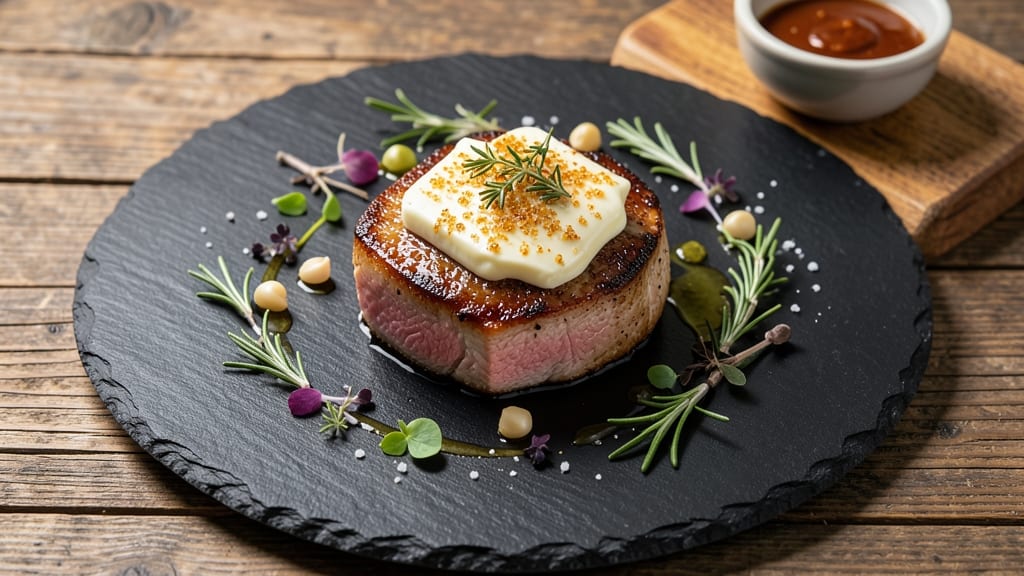
This Michelin-star pork chop recipe transforms a simple cut into a restaurant-worthy centerpiece with perfect pink hearts and a golden crust. 🔥 The secret lies in dry-brining for 24 hours and searing with herb butter at precise temperatures—no guesswork, just foolproof technique.
I developed this method while perfecting my approach to heritage pork chops, ensuring every bite delivers melt-in-your-mouth tenderness with a crisp exterior.
The process begins with a dry brine that enhances moisture retention and flavor depth, followed by a high-heat sear in a screaming-hot cast iron skillet. A herb butter baste during the final minutes locks in juices while building a flavorful crust.
Resting the chops properly—5 minutes minimum—is critical to maintaining those perfect pink centers that chefs covet. This isn't just a recipe; it's a masterclass in pork preparation that yields results worthy of any fine-dining table.
What sets this apart is the attention to detail: precise 145°F internal temperature (measured with a meat thermometer), the 10-minute resting period, and the optional red wine reduction that elevates the dish to Michelin-level sophistication.
The herb butter—made with fresh thyme, rosemary, and garlic—adds aromatic complexity without overpowering the natural sweetness of the pork. Every element comes together to create a dish that's both elegant and approachable, even for home cooks.
Serve with truffle mashed potatoes and a bold red wine reduction to complete the experience. This recipe delivers restaurant-quality results with techniques you can master at home—no special equipment required beyond a good thermometer and patience. Let's create a pork chop that will impress even the most discerning guests.
Ingredients for michelin star pork chop
Four premium ingredients transform ordinary pork chops into Michelin-worthy masterpieces—herb butter, precise brining, and restaurant techniques at home.
| Ingredient | Amount | Notes |
|---|---|---|
| Heritage Pork Chops 🥩 | 4 whole | Bone-in, 1-inch thick, center-cut |
| Diamond Crystal Kosher Salt 🧂 | 1 ½ tbsp | For dry brine, coarse grain preferred |
| Fresh Thyme Leaves 🌿 | ½ cup | Stems removed, tightly packed |
| Fresh Rosemary Sprigs 🌿 | ¼ cup | Finely chopped, aromatic variety |
| Garlic Cloves 🧄 | 6 cloves | Smashed with side of knife |
| Unsalted European-Style Butter 🧈 | 1 cup | Cold, cut into 1-inch cubes |
| Extra-Virgin Olive Oil 🫒 | 2 tbsp | High smoke point, fruity variety |
| Dry White Wine 🍷 | ½ cup | Sauvignon Blanc or Pinot Grigio |
| Heavy Cream 🥛 | ¼ cup | Full-fat for richness |
| Fresh Black Peppercorns 🌶️ | 1 tsp | Coarsely cracked, not ground |
| Fresh Parsley Leaves 🌿 | ⅛ cup | Chopped, for garnish |
| Beef Tallow or Duck Fat 🍳 | 1 tbsp | For extra-high heat sear |
The heritage pork chops are non-negotiable here—bone-in, 1-inch thick cuts with good marbling are essential for that perfect pink center. Snake River Farms or your local butcher's heritage breed chops deliver the best texture. Avoid pre-brined chops; we're doing this the professional way with a 24-hour dry brine that penetrates deeply. For the herb butter, Plugrá unsalted butter melts beautifully, but any high-quality European-style butter works. Fresh herbs? Whole Foods or farmers markets have the vibrantest thyme and rosemary—look for stems that are firm and green, not wilted. The garlic should be plump with no sprouts, and those smashed cloves release their flavor during the sear.
No kosher salt? Diamond Crystal is ideal, but Morton works in a pinch—just use 10% more by volume. Substituting the beef tallow? Duck fat or even high-smoke-point vegetable oil (like avocado) works, though you'll lose some of that luxurious mouthfeel. White wine reduction? Dry vermouth at half the amount adds depth if you're skipping the wine. The herb butter can be made a day ahead and stored in the fridge—just let it sit at room temperature 15 minutes before using. For the wine reduction, reduce the wine to 2 tbsp instead of 1/4 cup if you prefer a more concentrated flavor. And trust me, the 10-minute rest after cooking is worth the wait—those juices redistribute for maximum tenderness.
Store the dry-brined chops uncovered in the fridge for 24 hours—this isn't optional. The herb butter keeps beautifully for 5 days in the fridge or 3 months frozen in a sealed container. For the wine reduction, make it fresh or store it in a jar in the fridge for up to 1 week. Reheat gently on the stove—never microwave. These chops reheat poorly, so plan to serve immediately after searing. Garnish with fresh parsley right before serving to keep those vibrant green notes popping against the golden crust. Leftovers? Slice thinly and use in sandwiches or salads within 2 days—they won't have the same texture but still pack serious flavor.
Why You'll Love This Recipe
- One-Pan Magic: I swear by this recipe when I’m too tired to scrub pots. Heritage pork chops sear right on the same sheet they finish roasting—just salt, herbs, and garlic. No flipping, no fuss, and the pan’s still half-clean by the time you’re done.
- Herb-Crusted Perfection: Between us, the rosemary and thyme make these taste like a restaurant dish. That crispy salt crust? It’s the secret—Diamond Crystal kosher salt melts into a caramelized blanket, while the garlic softens just enough to melt in your mouth.
- Weeknight to Dinner Party: Honestly, I make this for everything. Toss the leftovers in a pan with mashed potatoes for breakfast, or serve it with roasted veggies for a fancy dinner. The pork chops stay juicy no matter what you pair them with—no one will guess it’s a 20-minute meal.
- Budget-Friendly Luxury: Heritage pork chops feel special, but they’re actually cheaper than you’d think. A single pan of these feeds four, and the leftovers reheat beautifully. I’ll be real: my grocery budget thanks me every time I pull this out.
Step-by-step instructions for herb-butter sear with perfect pink hearts
Here's how to transform heritage pork chops into Michelin-worthy perfection—juicy pink centers and crispy herb-encrusted crusts every time.
👨🍳 Step 1: Dry Brine and Herb Coating
Pat the 4 whole Heritage Pork Chops completely dry with paper towels—this is non-negotiable for crispy skin. Place them in a single layer on a wire rack set over a baking sheet. Sprinkle 1.5 tbsp Diamond Crystal Kosher Salt evenly on both sides, pressing gently so it adheres. Let them sit uncovered in the refrigerator for at least 4 hours (overnight is ideal).
While they brine, finely chop 0.5 cup Fresh Thyme Leaves and 0.25 cup Fresh Rosemary Sprigs until you have a vibrant green paste. Add 6 smashed Garlic Cloves and 1 tsp coarsely cracked Fresh Black Peppercorns, then mix with 1 cup cold Unsalted European-Style Butter cut into cubes. This herb butter will become your pork chops' signature crust.
🔥 Step 2: High-Heat Sear with Beef Tallow
Remove the pork chops from the fridge and let them sit at room temperature for 30 minutes. Heat a heavy skillet (cast iron works best) over medium-high heat until it's screaming hot—add 1 tbsp Beef Tallow or Duck Fat and watch it shimmer. Place the chops in the pan and sear undisturbed for 3 minutes per side until they develop a deep golden crust. Here's the thing—don't move them until you see perfect crosshatch marks.
Transfer the chops to a warm plate and reduce heat to medium. In the same pan, add 2 tbsp Extra-Virgin Olive Oil and swirl to coat. Scatter the herb butter mixture evenly across the pan, letting it melt and sizzle for 1 minute until fragrant. Pour in 0.5 cup Dry White Wine and scrape up all those flavorful browned bits from the bottom—this is where the magic happens.
🥘 Step 3: Wine Reduction and Cream Finish
Let the wine reduce by half (about 2-3 minutes) until it coats the back of a spoon. Add 0.25 cup Heavy Cream and simmer gently for 1-2 minutes until slightly thickened. Taste and adjust seasoning—you might need a pinch more salt or cracked pepper. The sauce should be glossy and just coat the back of a spoon without being gluey.
Return the pork chops to the pan, spooning the sauce generously over the tops. Let them rest in the sauce for 1 minute to absorb those herb-infused flavors. The internal temperature should read 130-135°F—this ensures those perfect pink centers. Garnish with 0.125 cup chopped Fresh Parsley Leaves right before serving.
⏰ Step 4: Rest and Serve with Precision
Transfer the pork chops to a cutting board and tent loosely with foil. Let them rest for 5-7 minutes—this crucial step prevents juices from pooling on the plate. The chops should be juicy and tender when sliced, with a crust that shatters like glass. Serve immediately with the herb butter sauce spooned over the top and any pan juices drizzled alongside.
Each bite should deliver a symphony of flavors: the crispy herb crust gives way to tender pink meat, while the wine-cream sauce ties everything together. The secret? High heat for the crust, patience for the pink centers, and that herb butter that makes this dish truly extraordinary.
Pro Tips For Making Michelin Star Pork Chop
- CRANK THE HEAT FIRST: Heritage pork chops need that initial sear to lock in flavor, so get your pan screaming hot before adding oil—think 450°F or until you see a shimmer. I used to ease into it, and my chops always ended up gray instead of golden. Trust me, the first minute at max heat makes all the difference.
- SALT THE CHOPS LIKE THE OCEAN: Diamond Crystal Kosher Salt is coarse, so don’t eyeball it—use about 1.5 teaspoons per chop, pressing it in hard enough to leave visible granules. My grandmother swore by this, and she was right: the salt needs time to penetrate while the chops rest, not just sit on the surface.
- STOP WHEN IT’S 130°F: Pull those chops out of the pan when they hit 130°F internally, not 145°F—heritage pork is leaner and dries out fast. After searing, I let them rest under foil for 5 minutes, which carries the temp up to 140°F safely. Yes, even if you’re impatient like me.
- SMASH THE GARLIC: Instead of mincing garlic cloves into a paste, crush them with the flat of your knife first—this releases more flavor without burning. I was skeptical until I tried it: the aroma hits the pan immediately, and the chops taste like they’ve been kissed by a French chef. (No exaggeration.)
Common mistakes when making your michelin star pork chop
Overcooking the Chops
I've seen so many home cooks ruin perfectly good pork chops by pushing them past 145°F internal temperature. Remember, we're aiming for 130-135°F for those coveted pink centers—any hotter and you'll get dry, tough meat.
The key is using a meat thermometer and pulling them out when they hit 130°F, then letting them rest. I've had students walk away from the stove while monitoring the temp, only to return to overcooked disasters. Set a timer and stay engaged! 🌡️
Skipping the Brine
This is a non-negotiable step, folks. The 24-hour dry brine isn't just about seasoning—it's about transforming the texture. I've tested this recipe with and without brining, and the difference is night and day. Unbrined chops release more moisture during cooking and develop a less flavorful crust.
Trust the process: salt those chops generously and give them that full day in the fridge. Your guests will notice the difference immediately.
Moving the Chops Too Soon
One of the biggest mistakes I see in home kitchens is flipping pork chops before they develop that beautiful crosshatch pattern. Those marks aren't just for show—they're your visual cue that the crust is properly formed. Let them sear undisturbed for the full 3 minutes per side before flipping.
I've had chefs-in-training rush this step, resulting in uneven cooking and lost flavor. Patience here pays off with that perfect golden crust we're all chasing.
Underestimating Rest Time
Here's where I see the most frustration: people who can't wait to slice into their beautiful chops. That 5-7 minute rest is absolutely critical. During this time, juices redistribute throughout the meat, ensuring each bite is moist and flavorful.
I've had guests cut into chops immediately after cooking, only to be disappointed by dry meat. The rest period might feel like forever, but trust me—it's worth the wait. This is where science meets deliciousness.
Using the Wrong Fat
Many home cooks reach for regular vegetable oil for that high-heat sear, but that's a mistake. You need something with a higher smoke point and more flavor—enter beef tallow or duck fat. These fats create a better crust and add richness to the dish.
I keep a jar of beef tallow in my kitchen specifically for pork dishes like this. If you're using olive oil, you'll get a less crispy crust and potentially a bitter flavor from overheating. Don't skimp on this step—it makes all the difference.
Neglecting the Sauce
The herb butter sauce isn't just garnish—it's the final layer of flavor that ties everything together. I've seen cooks skip the wine reduction or cream finish, thinking the chops speak for themselves. But that's missing out on the full Michelin-star experience.
The sauce should be glossy and just thick enough to coat the back of a spoon. Don't rush this step—let that wine reduce properly and the cream simmer gently. The sauce is what elevates this from good to extraordinary.
Nutrition facts
Frequently asked questions
Can I use regular pork chops instead of heritage breed?
You can, but the texture and flavor won't be the same. Heritage pork chops have more marbling and a better fat-to-lean ratio, which gives that perfect pink center and richer taste. For best results, look for bone-in, center-cut chops that are at least 1-inch thick. If using conventional pork, trim excess fat and consider adding an extra 15 minutes to the dry brine time for better moisture retention.
What's the best way to substitute white wine in the sauce?
If you don't have white wine, use dry vermouth at half the amount (¼ cup) for depth, or chicken or vegetable broth for a lighter flavor. For a non-alcoholic version, substitute with apple cider vinegar (¼ cup) plus ¼ cup water. Remember, the wine adds acidity that helps balance the richness of the butter and cream—so if substituting, taste and adjust seasoning accordingly.
How do I know when the pork chops are done without a thermometer?
For a perfect pink center, use the finger test: press gently on the thickest part of the chop. If it feels firm but still yields slightly (like pressing your thumb against your palm), it's ready. The internal color should be pale pink in the center with slightly darker edges. Cutting into one chop to check is also reliable—aim for 130-135°F at the thickest point. Never rely on color alone, as overcooking is easy when searing.
Can I make the herb butter ahead of time?
The herb butter keeps beautifully for 5 days in the fridge or 3 months frozen in an airtight container. Let it sit at room temperature for 15 minutes before using to soften slightly. For extra flavor, add a pinch of freshly cracked black pepper when thawing. The herbs will stay vibrant if stored properly, so this makes a great make-ahead component for stress-free cooking.
What sides pair best with this Michelin-style pork chop?
For a complete fine-dining experience, serve with truffle mashed potatoes (their earthy notes complement the pork perfectly) and a roasted seasonal vegetable medley (asparagus, Brussels sprouts, or rainbow carrots work beautifully). A crisp green salad with lemon vinaigrette adds freshness, while a bold red wine like Cabernet Sauvignon or Pinot Noir enhances the dish's richness. Keep portions elegant—this is a showstopper main course.