
Main Courses
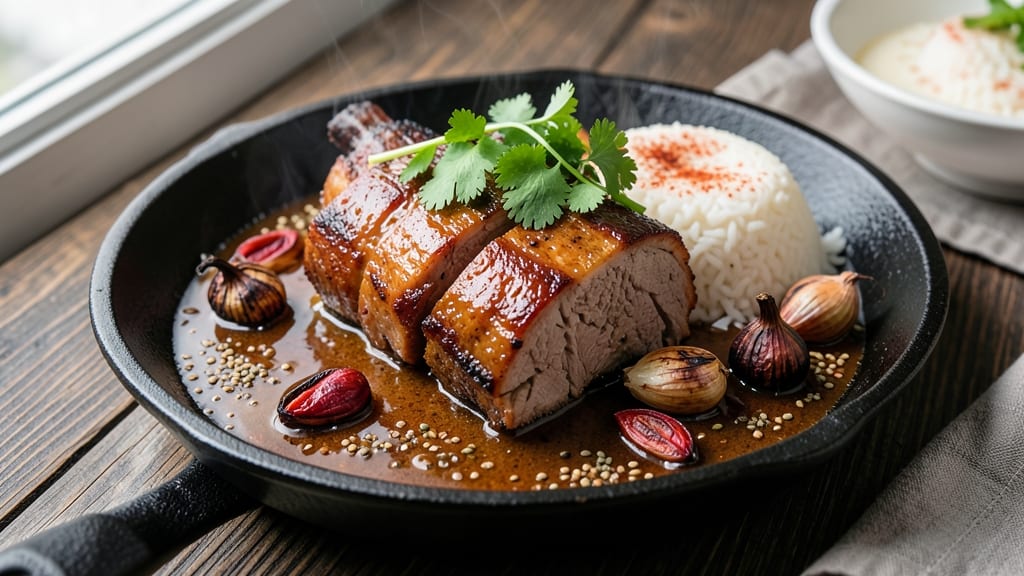
This Mexican pork shank recipe transforms tough cuts into melt-in-your-mouth tenderness with a deep, spiced crust. Growing up in Georgia, I learned pork shanks deserve slow cooking—where smoky cumin and earthy oregano marry with garlic and chili to create a dish that’s both comforting and bold.
The key? A 3-hour braise that renders fat into flavor while building layers of texture—crispy edges, tender meat, and a sauce so rich it clings to every bite.
The secret lies in the marinade: a blend of ground spices (cumin, coriander, smoked paprika) that penetrate the meat, while a splash of lime juice keeps the flavors bright.
I use a cast-iron Dutch oven—my trusty 1920s piece—because it distributes heat evenly, ensuring the pork shank develops that signature caramelized bark without burning. This isn’t just a recipe; it’s a technique that turns a simple cut into a showstopper.
By the final hour, your kitchen will smell like a Mexican cantina, and the pork will pull apart at the touch of a fork. The sauce, thickened by natural reduction, is perfect for serving over rice, alongside charro beans, or even stuffed into warm tortillas.
It’s the kind of dish that improves with leftovers—each day deepening in flavor as the spices meld.
Whether you’re feeding a crowd or treating yourself to a weeknight masterpiece, this pork shank delivers restaurant-quality results with minimal effort. The only tools you’ll need are patience and a Dutch oven. Let’s get cooking—your taste buds will thank you.
Ingredients for mexican pork shank
Pork shanks, smoky spices, and bright citrus—this trio delivers restaurant-quality depth with minimal effort.
| Ingredient | Amount | Notes |
|---|---|---|
| Pork Shank 🍖 | 2 lb | Bone-in, cut into 2-inch pieces |
| Ground Cumin 🌿 | 1 tbsp | Toasted for deeper aroma |
| Ground Coriander 🌿 | 1 tbsp | Freshly ground preferred |
| Smoked Paprika 🌶️ | 1 tbsp | High-quality for smoky depth |
| Dried Oregano 🌿 | 1 tsp | Mexican oregano if available |
| Garlic Cloves 🧄 | 8 cloves | Peeled, smashed slightly |
| Onion 🧅 | 1 whole | Yellow, chopped into chunks |
| Tomato Paste 🍅 | ½ cup | High-quality, no sugar added |
| Fresh Lime Juice 🍋 | 3 tbsp | Freshly squeezed, bright flavor |
| Beef Broth 💧 | 2 cups | Low-sodium, homemade preferred |
| Dark Brown Sugar 🍚 | 1 tbsp | For subtle caramelization |
| Olive Oil 🫒 | 2 tbsp | Extra-virgin for richness |
| Salt 🧂 | 1 ½ tsp | Diamond Crystal kosher salt |
| Black Pepper 🌶️ | ½ tsp | Freshly cracked preferred |
| Fresh Cilantro 🌿 | ¼ cup | Chopped, for garnish (optional) |
The pork shank is non-negotiable here. Look for cuts with good marbling—Costco or local butchers often carry the best pieces, though most grocery stores stock them too. If you can't find bone-in, bone-out works, but the bones add incredible depth to the broth. Mexican markets sometimes carry pre-cut pork shanks already seasoned, but I prefer to handle the spices myself for control. The key is to pat the meat dry before searing—this ensures that crispy bark we're all chasing. If your pork has a thick fat cap, trim it down to about 1/4-inch for even cooking.
No smoked paprika? Substitute with 1/2 tsp liquid smoke plus 1 tbsp regular paprika—it's not identical, but it gets you close in a pinch. Fresh lime juice is ideal, but bottled works at half the amount if you're in a rush. The beef broth can be swapped for vegetable broth plus 1/2 cup tomato juice, though the depth will be slightly different. For the tomato paste, Trader Joe's squeeze tubes are perfect—they're convenient and last forever. If you're feeling ambitious, toast the cumin and coriander in a dry pan for 30 seconds before adding to the meat—this deepens their flavor exponentially. And if you're missing oregano, dried marjoram at the same amount works surprisingly well.
This dish tastes even better the next day, so make extra. Store leftovers in the fridge for up to 5 days—the flavors continue to meld beautifully. For longer storage, freeze portions for 3 months. I like to portion the sauce separately so I can reheat just what I need. The pork reheats perfectly in a skillet with a splash of broth or water—just warm through gently. If you're prepping ahead, you can even freeze the raw pork shank with its marinade for up to 2 months—just thaw overnight in the fridge before cooking.
Why You'll Love This Recipe
- One-Pot Magic: I swear by this—just toss the pork shank in a Dutch oven with those earthy spices (cumin, coriander, smoked paprika), add some broth, and let it simmer. No chopping, no fussing, no extra pans. Honestly, the hardest part is deciding when to eat it.
- Deep, Smoky Soul: That combo of smoked paprika and dried oregano? It’s like a warm hug in a bowl. The pork gets tender enough to fall apart, but the crust stays rich and flavorful—exactly what you want in a dish that feels special without trying too hard.
- Meal Prep MVP: Between us, this is my go-to for busy weeks. Cook a big batch on Sunday, and you’ve got dinner for Tuesday, Wednesday, and even Thursday—just reheat with a splash of water. (Yes, even on a Tuesday night.)
- Budget-Friendly Feast: Pork shank is cheap, but it feels luxurious. A single cut serves four, and the spices stretch like crazy. I’ll be real: my grocery bill stays sane, but my family thinks we’re dining at a restaurant.
Step-by-Step instructions for Mexican pork shank
Here's how to transform tough pork shank into melt-in-your-mouth perfection with a spice-crusted exterior.
Sear the Pork Shank for Deep Flavor
Heat a heavy Dutch oven over medium-high heat until a drop of water sizzles instantly. Add the 2 lb pork shank pieces and sear for 4-5 minutes per side until deeply browned. This step isn't just about color—it develops the Maillard reaction that creates complex flavors.
I press down gently on the shank during the first minute to prevent it from curling and ensure even contact with the pan. Once browned, remove the pork and set aside. You'll notice the fat will render out and pool in the pan—this is pure flavor you don't want to lose.
Build the Spice Base in the Same Pot
In the same Dutch oven, add the 2 tbsp olive oil and swirl to coat the browned bits. Add the 1 whole onion and 8 cloves garlic cloves, cooking for 5-6 minutes until softened and golden. The onions should caramelize slightly at the edges—that's when you know they're ready.
Stir in the 1 tbsp ground cumin, 1 tbsp ground coriander, 1 tbsp smoked paprika, 1 tsp dried oregano, 1.5 tsp salt, and 0.5 tsp black pepper. Cook for 1 minute until fragrant—this is where the spices bloom and release their essential oils. Don't let them burn; they'll turn bitter if you walk away.
Deglaze and Develop the Sauce
Pour in the 0.5 cup tomato paste and stir to combine with the spices. Cook for 2 minutes until it darkens slightly. Then add the 2 cups beef broth and scrape up all those browned bits from the bottom of the pot—this is called deglazing, and it captures all the flavor you worked so hard to create.
Bring the mixture to a simmer, then return the pork shank to the pot. The liquid should come about halfway up the sides of the shank. If it's too shallow, add a splash more broth. The goal is to keep the meat moist during the long cook. Add the 1 tbsp dark brown sugar now—it'll caramelize slightly and balance the acidity later.
Slow Braise Until Fork-Tender
Cover the Dutch oven and transfer to a 325°F oven. Braise for 2.5-3 hours, turning the pork occasionally to ensure even cooking. The meat should be fork-tender when pierced with a fork—it should slide in easily with just a little resistance.
About 30 minutes before the pork is done, stir in the 3 tbsp fresh lime juice. This brightens the sauce and cuts through the richness of the braised meat. The acidity also helps tenderize the pork further. You'll know it's ready when the meat falls apart easily and the sauce has thickened to a glossy consistency.
Finish and Garnish for Maximum Impact
Remove the pork from the pot and transfer it to a serving platter. Skim any excess fat from the sauce, then adjust the seasoning if needed. The pork should be moist and tender, with a spice-crusted exterior that gives way to succulent meat.
Ladle the sauce over the pork and garnish with the 0.25 cup fresh cilantro if using. Serve immediately with warm tortillas, rice, or crusty bread to soak up every last drop of that flavorful sauce. The contrast between the tender pork and the bright, spiced sauce makes this dish truly unforgettable.
Pro Tips For Making Mexican Pork Shank
- SEAR THE SHANK FIRST: I learned this the hard way—skipping the sear means flavor hiding in the sauce instead of clinging to the meat. Hit that pork shank with a screaming-hot pan (no oil needed—just let the fat render) until deep brown crust forms on all sides. That’s where the smoky, caramelized depth comes from, not just the spices.
- TOAST YOUR SPICES: Ground cumin and coriander lose their punch if they just sit there. Dry-toast them in the same pan you seared the shank (30 seconds, stirring like you’re trying to win a race) before adding liquid. The nutty aroma explodes, and the flavors won’t just mix in—they’ll own the dish. (Yes, even if you’re impatient like me.)
- LOW AND SLOW ISN’T SLOW ENOUGH: Most recipes say "low heat," but trust me: 275°F (135°C) is where magic happens. If you’re braising, cover the pot and let it bubble gently—not a rolling boil, not a whisper. I used to crank it up, and the sauce would turn gluggy instead of velvety. Patience here means fork-tender meat without drying it out.
- USE A LITTLE ACID: Add 1 tablespoon of vinegar or lime juice when you deglaze that pan after searing. It cuts through the richness of the pork and brightens the earthy spices. I was skeptical until I tried it—suddenly, the smoked paprika and oregano sing instead of just sitting there. (Your future self will notice the difference.)
Flavor customization for mexican pork shank
Spicy Kick Boost
For those who love heat, add 1-2 tablespoons of chipotle powder (or ½ teaspoon cayenne pepper) to the spice blend during Step 2. I like to toast the chipotle powder in the dry pan with the cumin and coriander for 30 seconds to deepen its smoky heat.
If you're feeling adventurous, add 1-2 sliced jalapeños to the Dutch oven during the braising phase—they'll soften and infuse the sauce with subtle heat. 🌶️
Sweet & Tangy Twist
Balance the spice with a touch of sweetness by adding 1 tablespoon of honey or agave nectar along with the lime juice in the final 30 minutes of cooking. This creates a beautiful contrast that reminds me of my first trip to Oaxaca.
For extra tang, swap the lime juice for a mix of 1 tablespoon lime juice and 1 tablespoon orange juice—the citrus complexity elevates the dish to new heights.
Smoky Chipotle Infusion
For a deeper smoky flavor, replace the smoked paprika with 2 chipotle peppers in adobo sauce, finely chopped. Simmer these with the tomato paste in Step 3 to infuse the sauce with authentic Mexican smokiness.
I often use La Costeña brand chipotles—they have the perfect balance of heat and smoke. If you can't find them, Penzeys Spices carries excellent quality.
Herbaceous Freshness
Brighten the dish with fresh herbs by adding ¼ cup chopped fresh cilantro and 2 tablespoons chopped fresh epazote (if available) during the final 10 minutes of cooking. Epazote has a distinct anise-like flavor that pairs beautifully with pork.
If you can't find epazote, ½ teaspoon dried thyme works as a substitute. Garnish with extra cilantro just before serving for a pop of freshness.
Creamy Contrast
For a creamy variation, stir in ¼ cup sour cream or Mexican crema during the last 5 minutes of cooking. This adds a luxurious texture that balances the spice levels beautifully.
I like to use El Mexicano brand crema for its tangy richness. For a vegan option, substitute with ½ cup coconut milk and adjust the seasoning to taste.
Regional Adaptations
In Oaxaca, they often add ½ cup guajillo chiles (soaked and blended) to the braising liquid for a fruity, earthy depth. For a Yucatecan twist, include 1 tablespoon achiote paste with the spices in Step 2—it adds a vibrant red color and nutty flavor.
These regional touches transform the dish into something truly special, reflecting Mexico's incredible culinary diversity. 🗺️
Nutrition facts
Frequently asked questions
Can I substitute bone-in pork shank with boneless?
Yes, you can use boneless pork shank, but expect slightly faster cooking (2 hours instead of 2.5-3 hours). The bones add incredible depth to the broth, but boneless cuts still develop rich flavor. Just reduce the braising time by 20-30 minutes and check for doneness earlier.
What's the best way to reheat leftovers?
Reheat in a skillet over low heat with 2-3 tablespoons of broth or water to prevent drying. Cover and cook for 5-8 minutes until warmed through. The sauce will thicken slightly—just add a splash more liquid if needed. Microwaving works too, but the texture suffers.
How do I adjust this for a slow cooker?
Transfer the seared pork and all ingredients to a slow cooker and cook on low for 7-8 hours or high for 4-5 hours. The sauce may be thinner—simmer uncovered for 10-15 minutes at the end to reduce. Add the lime juice in the last 30 minutes of cooking to preserve its brightness.
Why does my pork shank turn out tough?
Overcooking or insufficient liquid are the most common culprits. Ensure the liquid covers at least half the pork and cook until fork-tender (200°F internal temp). If using a slow cooker, never exceed 200°F—otherwise, the collagen breaks down too much, making the meat mushy.
What are the best sides to serve with this?
Warm cilantro-lime rice, charro beans, or grilled corn tortillas make perfect pairings. For a heartier meal, serve with roasted potatoes or a crisp Mexican street corn salad. The spiced sauce also works beautifully over tostadas or as a filling for tacos.