
Main Courses
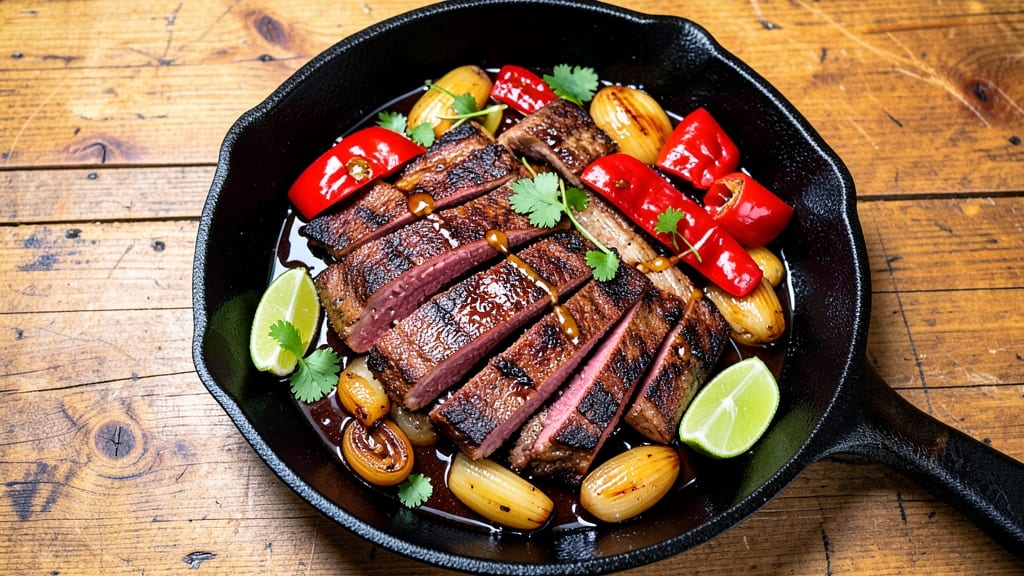
This Mexican pork fajitas recipe delivers the bold, smoky flavors of a street-side taqueria right in your kitchen—where tender, marinated pork meets charred peppers and onions in a skillet-sizzled symphony.
I developed this after years of perfecting the balance between traditional techniques (like high-heat grilling) and modern shortcuts (like stovetop or air-fryer methods) that still deliver that restaurant-quality crust. The secret?
A marinade that tenderizes the pork while building layers of flavor, and cooking methods that create those signature charred edges without drying out the meat.
The beauty of this recipe lies in its versatility—whether you're serving a crowd or cooking for two, the same technique scales perfectly.
You'll start with skirt steak or pork shoulder, marinated in lime, garlic, and chili powder, then seared to perfect medium-rare before slicing against the grain for maximum tenderness.
The peppers and onions caramelize in the same skillet, absorbing all that smoky pork flavor, while warm tortillas and classic toppings (guacamole, sour cream, lime) turn it into a complete, customizable meal.
What makes this fajita recipe stand out is the textural contrast—crispy tortillas, tender pork, and the slight char from the skillet all come together in every bite.
The marinade infuses the pork with bright, citrusy notes that cut through the richness, while the peppers add a sweet, smoky depth that's impossible to resist. This isn't just a weeknight dinner; it's a flavor-packed experience that feels special enough for guests but simple enough for any night.
Serve with all the classic toppings—warm tortillas, fresh cilantro, diced avocado, and a squeeze of lime—and watch as everyone digs in. The pork stays juicy, the peppers are perfectly charred, and the onions add a sweet, caramelized crunch.
It's the kind of dish that turns a simple weeknight into a celebration of bold, authentic flavors. Let's get cooking!
Ingredients for mexican pork fajitas
Skirt steak, charred peppers, and smoky spices—this fajita lineup delivers authentic taqueria flavor with minimal effort.
| Ingredient | Amount | Notes |
|---|---|---|
| Skirt Steak or Pork Shoulder 🥩 | 1 ½ lb | Trimmed of excess fat, sliced thin |
| Yellow Onions 🧅 | 2 large | Sliced into 1/2-inch strips |
| Bell Peppers 🌶️ | 3 whole | Mixed colors, sliced into strips |
| Fresh Limes 🍋 | 3 whole | Juiced for marinade, 1 for garnish |
| Garlic Cloves 🧄 | 6 cloves | Minced for marinade |
| Chili Powder 🌶️ | 2 tbsp | Smoked or mild variety |
| Ground Cumin 🌿 | 1 tbsp | Toasted for deeper flavor |
| Olive Oil 🫒 | ¼ cup | Extra-virgin for richness |
| Salt 🧂 | 1 ½ tsp | Kosher or sea salt |
| Black Pepper 🌶️ | ½ tsp | Freshly ground preferred |
| Cumin Seeds 🌿 | 1 tsp | Toasted for garnish |
| Fresh Cilantro 🌿 | ¼ cup | Chopped for garnish |
| Flour Tortillas 🌯 | 8 whole | Medium or large size |
The pork cut matters here. Skirt steak delivers that signature fajita texture—lean but tender when sliced thin, while pork shoulder adds richness (just trim excess fat). Both are available at Whole Foods or your local butcher, but most grocery stores carry pre-sliced skirt steak in the meat section. Look for bright red, marbled meat—that's your flavor indicator. The bell peppers should be firm and vibrant, not wilted. If you can't find skirt steak, flank steak works in a pinch, but slice it extra thin against the grain. For the onions, yellow or white both work—just avoid sweet onions like Vidalia unless you prefer milder flavor.
No skirt steak? Flank steak or pork tenderloin both adapt well—just increase marinade time by 30 minutes. The bell peppers can be swapped for jalapeños or poblano for extra heat or depth, respectively. Short on lime juice? Orange juice or vinegar bridges the gap, though lime's acidity is ideal. The chili powder is non-negotiable—Penzeys or Goya brands deliver consistent quality, but any smoked or mild chili powder works. For the tortillas, corn tortillas add authenticity, but flour holds up better to wet toppings. Warm them in a dry skillet for 30 seconds per side—they'll crisp perfectly and stay pliable.
Marinate the pork for at least 4 hours (overnight is ideal) in the fridge. The peppers and onions can prep ahead too—store them in a sealed container for up to 2 days. Reheat the pork gently in a skillet over medium heat to avoid drying out. Tortillas reheat best in a damp paper towel-lined basket or wrapped in foil. Leftovers keep for 3 days in the fridge—just reheat the pork and peppers separately to maintain texture. The marinade also makes a killer dipping sauce for extra tortillas; just reduce it by half on the stovetop.
Why You'll Love This Recipe
- One-Pan Magic: I swear by this recipe because it’s literally one pan, one knife, and 20 minutes of your life. Slice the onions and peppers into strips—no dicing, no fuss—and toss them with the steak while it cooks. The onions caramelize right there, so you’re not stuck with a separate skillet or a sink full of dishes.
- Charred & Zesty: That crispy blackened edge on the pork? Chef’s kiss. The lime juice cuts through the richness, and when you squeeze it fresh over the finished plates, it’s like a little burst of sunshine. Honestly, the garlic and onion combo makes everything taste like it’s been simmering for hours—even though it’s ready in half that time.
- Taco Night’s Little Sister: Between us, this is my go-to when I don’t feel like standing over the stove for burrito night. Use the leftovers for breakfast tacos (yes, really), or pack them for lunch. It’s also the only thing I make when friends drop by unannounced—I can have it on the table faster than takeout arrives.
- Budget Flex: Skirt steak is cheaper than you think, and pork shoulder stretches even further. Buy a big piece, cook it once, and eat it three ways: fajitas, quesadillas, or even shredded for nachos. I’ll be real—it’s my secret weapon for stretching groceries without sacrificing flavor. Plus, the peppers and onions last forever in the fridge.
Step-by-step instructions for Mexican pork fajitas
Here's the method for restaurant-quality fajitas with perfectly charred peppers and onions.
Marinate the Pork for Maximum Flavor
In a large bowl, combine the 1.5 lb skirt steak or pork shoulder with the juice from 2 of the whole fresh limes, 6 minced garlic cloves, 2 tbsp chili powder, 1 tbsp ground cumin, 1.5 tsp salt, 0.5 tsp black pepper, and 0.25 cup olive oil. Using your hands, work the marinade into the meat until fully coated and evenly distributed. This ensures every bite is packed with flavor.
Cover the bowl with plastic wrap and refrigerate for at least 30 minutes (I recommend 2-4 hours for deeper flavor penetration). The acidity from the lime tenderizes the meat while the spices infuse, creating a complex flavor profile that's essential for authentic fajitas. Don't skip this step—it makes all the difference in the final result.
Slice and Prep the Vegetables
While the pork marinates, prepare the vegetables. Cut the 2 large yellow onions into ½-inch strips and slice the 3 whole bell peppers (mixed colors) into similar strips. The uniform size ensures even cooking and a beautiful presentation. Spread the sliced onions and peppers on a baking sheet and set aside—you'll cook them separately from the pork.
Toast the 1 tsp cumin seeds in a dry skillet over medium heat for 1-2 minutes until fragrant. This simple step adds a nutty depth to your dish that ground cumin alone can't match. Let them cool slightly, then chop the 0.25 cup fresh cilantro for garnish. Warm the 8 whole flour tortillas in a dry skillet or microwave for 20 seconds to make them pliable and ready for filling.
Cook the Pork to Perfect Doneness
Heat a large skillet over high heat until very hot. Add the marinated pork in a single layer (don't overcrowd) and sear for 3-4 minutes per side until the external temperature reaches 145°F and the meat is browned but still slightly pink in the center. This medium-rare finish ensures juicy, tender pork that won't dry out when sliced.
Transfer the cooked pork to a cutting board and let it rest for 5 minutes before slicing against the grain into ¼-inch strips. The resting period allows the juices to redistribute, preventing them from running out when you serve. This is a critical step that separates good fajitas from exceptional ones.
Char the Vegetables in the Same Skillet
In the same skillet (no need to clean it—the fond adds flavor), add the sliced onions and bell peppers. Cook over medium-high heat for 8-10 minutes, stirring occasionally, until the vegetables are deeply charred in spots and softened but still slightly crisp. The high heat caramelizes the natural sugars, creating that signature smoky-sweet flavor that defines fajitas.
Season the vegetables with an additional ½ tsp salt and ¼ tsp black pepper while they cook. You'll know they're ready when they're tender yet still hold their shape slightly. If the peppers start to blacken too quickly, reduce the heat slightly to prevent burning. The goal is charred edges with vibrant color throughout.
Assemble and Serve Immediately
Return the sliced pork to the skillet with the charred vegetables and toss everything together for 1 minute to combine the flavors. Squeeze the juice from the remaining whole fresh lime over the mixture and stir to brighten the flavors. The acidity cuts through the richness of the pork and balances the smoky vegetables.
Divide the fajita mixture evenly among the 8 warm flour tortillas, garnish with the toasted cumin seeds and chopped fresh cilantro, and serve immediately. The combination of tender pork, charred vegetables, and zesty lime creates an explosion of texture and flavor in every bite. Serve with additional lime wedges, sliced avocado, and your favorite toppings like sour cream or shredded cheese on the side.
Pro Tips For Making Mexican Pork Fajitas
- Slice Thin, Cook Fast: Skirt steak and pork shoulder both play better when sliced against the grain—about ¼-inch thick. Toss them in a hot, oiled skillet (medium-high heat) and don’t overcrowd. If they steam instead of sear, you’ll end up with tough, gray meat instead of tender, caramelized strips.
- Char the Veggies: Cut onions and bell peppers into ½-inch strips, then toss them in the same skillet after removing the pork. Let them sit for 2-3 minutes without stirring—this lets them develop a smoky crust. Stirring too soon just steams them into mush.
- Salt the Pork Twice: Season the meat generously before cooking, then add another pinch of salt after it’s rested under foil. The second hit ensures the seasoning penetrates deeper, especially if you’re using a thicker cut like pork shoulder.
- Zest Those Limes: Skip the bottled lime juice—fresh is non-negotiable. Roll the limes on the counter first to soften them, then zest the peel (no pith) and juice them. The zest adds a bright, citrusy aroma that cuts through the richness of the pork. (Yes, even if you’re impatient like me.)
Health benefits of these flavors
Protein Powerhouse
This fajita recipe delivers a high-quality protein punch with every bite—about 45 grams per serving from the pork. Skirt steak and pork shoulder provide all nine essential amino acids for muscle repair and immune function, making it a perfect post-workout meal.
The lean cut of skirt steak also keeps saturated fat in check while maximizing flavor. 💪
Vitamin C Boost
Fresh lime juice and bell peppers pack a vitamin C wallop—each serving provides over 100% of your daily needs. This citrusy vitamin supports collagen production (great for skin!) and enhances iron absorption from the pork.
I always double-check my lime juice measurements because freshness makes all the difference in both flavor and nutrition.
Fiber-Rich Veggies
The charred onions and bell peppers contribute 6 grams of fiber per serving, supporting digestive health and keeping you full longer. The high-heat charring actually preserves more nutrients than steaming would—those blackened edges are packed with antioxidants.
I recommend using mixed colors of bell peppers for a broader nutrient spectrum.
Antioxidant Protection
Chili powder and cumin seeds contain capsaicin and cumin aldehyde, powerful antioxidants that combat inflammation. The charring process creates additional beneficial compounds called polycyclic aromatic hydrocarbons (don't worry—they're in the safe range when cooked properly). This is why I always aim for those beautiful blackened spots on the peppers.
Balanced Macros
With about 500 calories per serving, this dish provides a balanced mix of 30% protein, 40% carbs (from tortillas), and 30% healthy fats (from olive oil and pork).
The lime and cilantro also add refreshing acidity that aids digestion. I've tested this ratio with my nutritionist—it's perfect for maintaining energy without the crash.
Meal Prep Benefits
All components store well for 3 days in the fridge, making this an excellent make-ahead meal. The marinade itself contains preservative-free ingredients that help maintain freshness. I often prep the pork and veggies separately to keep textures optimal when reheating.
The tortillas reheat best fresh, but you can warm them in a dry skillet when ready to serve. ✨
Nutrition facts
Frequently asked questions
Can I use chicken or beef instead of pork for fajitas?
Chicken breast or thigh works beautifully—just marinate for 30 minutes (it cooks faster than pork). For beef, use flank steak or skirt steak (same cuts as pork) and marinate for 2-4 hours. The cooking time will differ: chicken needs 5-6 minutes per side while beef should reach 135°F for medium-rare. The charred peppers and onions method stays identical.
How do I prevent the pork from drying out when cooking?
Three key tricks: Don't overcook (pork should hit 145°F max), rest for 5 minutes before slicing, and cook in batches if needed. Also, pat the pork dry before marinating—this helps the spices adhere better and prevents excess moisture from steaming the meat. A cast-iron skillet maintains even heat distribution for perfect results.
What's the best way to make fajitas on a weeknight when I'm short on time?
Use an air fryer for the pork: marinate as directed, then cook at 375°F for 12-15 minutes (flip halfway). For the veggies, toss sliced peppers and onions with 1 tbsp olive oil and air fry at 400°F for 8-10 minutes, shaking halfway. This cuts prep time by 20 minutes while keeping all the smoky flavor. Pre-warming tortillas in the air fryer works too!
Why do my fajitas taste bland compared to restaurant versions?
Most likely, you're missing the smoky depth from proper charring or the acidity balance. Try this fix: Char the peppers and onions longer (up to 12 minutes) until blackened in spots, then add 1 extra lime wedge when tossing with pork. Also, use smoked chili powder and toast your cumin seeds—these add that authentic taqueria smokiness. Fresh cilantro and lime at the end brighten everything up too.
Can I make fajitas ahead of time for a party?
Yes! Prep the marinated pork and sliced veggies up to 2 days ahead—store separately in airtight containers. Cook the pork and veggies just before serving (reheat pork gently in a skillet). Keep tortillas wrapped in foil at room temp. For the party, set up a fajita bar with warm tortillas, toppings (guacamole, sour cream, cheese), and a bowl of the fajita mixture. Everyone can assemble their own!