
Main Courses
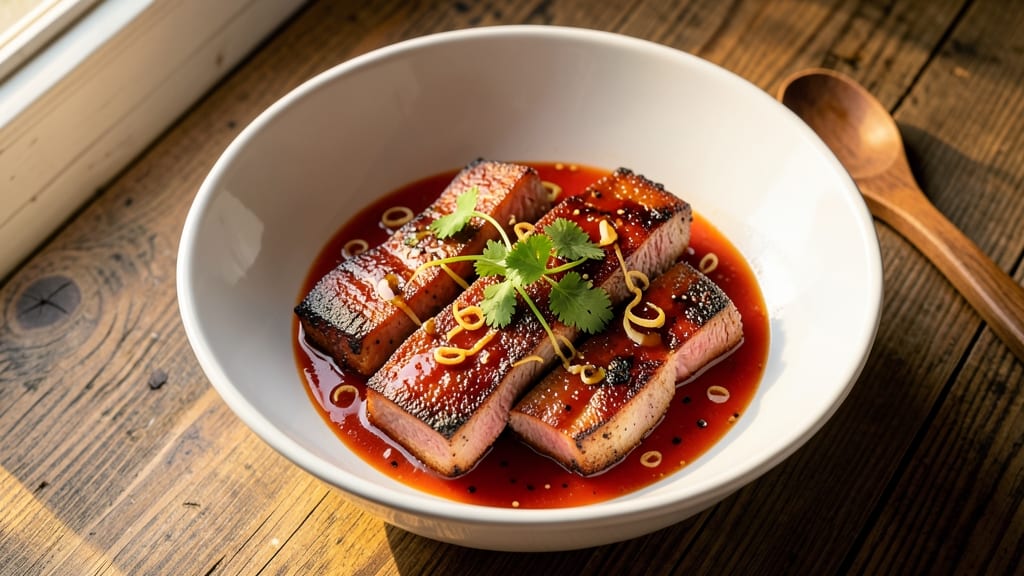
This Chinese tomato pork chop recipe delivers restaurant-quality sweet-sour sauce that clings to every crispy, caramelized bite. I perfected this technique after years of studying Cantonese home cooking, where the balance of tangy tomatoes, sweet soy, and aromatic spices transforms simple pork chops into a showstopper dish.
The secret lies in a two-step cooking process: first searing the chops to lock in juices, then simmering them in a rich, glossy sauce that's both vibrant and deeply flavorful.
The sauce itself is where the magic happens—a perfect harmony of tomatoes, soy sauce, and a touch of sugar that creates that signature sweet-sour balance. I've streamlined the process without sacrificing authenticity, so you get professional results in under 45 minutes.
The pork chops develop a beautiful mahogany crust from the wok or skillet, while the sauce reduces to a thick, velvety consistency that coats each bite perfectly. This isn't just another pork recipe—it's a dish that transports you to a bustling Chinese kitchen with every forkful.
What makes this recipe truly special is how it captures that elusive wok hei—the smoky, charred flavor that defines authentic stir-fry dishes. By cooking the pork chops at high heat and finishing them with a splash of Shaoxing wine, we create that signature aroma that makes this dish unforgettable.
The sauce is built layer by layer, allowing each ingredient to develop its own character while coming together as a cohesive whole. It's the kind of dish that improves with leftovers, as the flavors deepen and intensify overnight.
Serve these pork chops over steamed jasmine rice or with a side of blistered green beans to complete the meal. The sauce pairs beautifully with both, creating a balanced plate that's perfect for family dinners or special occasions.
Once you try this recipe, you'll understand why it's become a staple in Chinese home kitchens—and why it deserves a place in yours.
Ingredients for chinese tomato pork chop
Sweet-sour harmony starts with these 14 ingredients—simple but powerful for that signature Chinese restaurant flavor.
| Ingredient | Amount | Notes |
|---|---|---|
| Bone-In Pork Chops 🥩 | 4 whole | 1-inch thick, rib or loin preferred |
| San Marzano Tomato Paste 🍅 | ½ cup | High quality for sweetness |
| Light Soy Sauce 🥢 | ⅓ cup | Kikkoman preferred for balance |
| Dark Soy Sauce 🥢 | 1 tbsp | For depth of flavor |
| Granulated Sugar 🍚 | 2 tbsp | White or brown preferred |
| Shaoxing Wine 🍷 | ¼ cup | Substitute with dry sherry |
| Fresh Ginger 🌿 | 2 tbsp | Finely grated, aromatic |
| Garlic Cloves 🧄 | 4 cloves | Minced for aromatic base |
| Cornstarch 🌾 | 1 tbsp | For thickening sauce |
| Vegetable Oil 🫒 | ¼ cup | High smoke point for searing |
| Sesame Oil 🫒 | 1 tsp | Toasted, for aroma |
| Green Onions 🧅 | 3 whole | Sliced, for garnish |
| Salt 🧂 | 1 ½ tsp | Kosher or sea salt |
| Black Pepper 🌶️ | ½ tsp | Freshly ground preferred |
The pork chops are non-negotiable—bone-in rib or loin cuts give you that classic mahogany crust. Costco or Whole Foods usually carry them pre-cut, but if you're buying whole, ask the butcher for 1-inch thick slices. The San Marzano tomato paste is worth the splurge—its natural sweetness makes this sauce shine. I grab mine from Trader Joe's when they're on sale, but any high-quality paste works. Fresh ginger and garlic? Buy them together—they're usually sold in the same section, and using them fresh makes all the difference. The Shaoxing wine adds that authentic touch, but don't stress if you can't find it—dry sherry works perfectly fine.
No Shaoxing wine? Dry sherry or even a splash of apple cider vinegar gets you close. The sesame oil might be pricey, but just 1 teaspoon is all you need—it's what gives that signature aroma. Cornstarch is key for thickening, but if you're out, arrowroot powder works 1:1. The sugar helps balance the acidity, but honey or maple syrup can substitute at the same amount. For the soy sauces, light soy for brightness, dark soy for depth—don't skip either. And if you're using pre-minced garlic or ginger, toast it in the oil first to wake up those flavors.
Pork chops keep best in the fridge for 2 days before cooking, but you can prep the sauce ingredients ahead and store them in the fridge for up to 1 week. The sauce itself tastes even better the next day—make extra and use it on rice or noodles. For leftovers, store everything in airtight containers. The sauce will thicken further overnight, so just add a splash of water when reheating. Freeze portions for up to 3 months if you're planning ahead—just thaw in the fridge before reheating.
Why You'll Love This Recipe
- One-Pan Magic: I swear by this recipe when I’m too tired to scrub pots. Bone-in chops sear right in the skillet with the tomato paste, then the soy-sugar glaze caramelizes into a sticky, flavorful crust—no extra dishes, just pure satisfaction.
- Umami Bomb: That combo of light and dark soy sauce with San Marzano paste? It’s the secret weapon. The sugar cuts through the richness while the paste deepens the flavor into something dangerously addictive—like a sweet-and-salty hug for your taste buds.
- Lunchbox Hero: Here’s what sold me—it reheats like a dream. Pack the leftovers for work or school, and the chops stay juicy while the sauce clings in perfect, saucy bites. (Yes, even on a Tuesday night.)
- Budget Stretch: Bone-in chops are often cheaper than their boneless cousins, and this recipe feeds four for under $15. The dark soy sauce adds depth without breaking the bank, making it my go-to when I need a filling, flavorful meal without splurging.
Step-by-step instructions for Chinese tomato pork chop
Here's how to make these restaurant-worthy pork chops with a sauce so flavorful it clings to every bite.
Prep the Pork Chops and Make the Marinade
Pat the 4 whole bone-in pork chops dry with paper towels—this ensures a perfect sear. Season both sides generously with 1.5 teaspoons salt and 0.5 teaspoon black pepper, pressing the seasoning into the meat. In a small bowl, whisk together 0.33 cup light soy sauce, 1 tablespoon dark soy sauce, 2 tablespoons granulated sugar, and 0.25 cup Shaoxing wine. Pour half of this marinade over the pork chops and let them sit at room temperature for 15 minutes while you prep the rest.
While the pork chops marinate, finely grate 2 tablespoons fresh ginger and mince 4 cloves garlic cloves. These aromatics will form the flavor base for the sauce. Keep them separate for now—they'll join the party later. The marinade is doing its magic, breaking down the meat fibers and infusing flavor deep into the chops.
Sear the Pork Chops to Golden Perfection
Heat 0.25 cup vegetable oil in a large skillet over medium-high heat until shimmering. Add the pork chops and cook for 3-4 minutes per side, until they develop a deep golden-brown crust. You'll know they're ready when they release easily from the pan—this means the meat is properly sealed and won't dry out during cooking.
Don't overcrowd the pan, or the temperature will drop and you'll steam instead of sear. If you need to cook in batches, keep the finished chops warm in a 200°F oven while you finish the rest. Remove the chops from the skillet and set them aside on a plate. You'll notice the marinade has caramelized slightly—this is where the magic starts building.
Build the Sweet-Sour Sauce
In the same skillet (no need to clean it—the browned bits are flavor!), reduce heat to medium and add the grated ginger and minced garlic. Cook for 30 seconds until fragrant—this releases their essential oils and deepens the flavor profile. Stir in 0.5 cup San Marzano tomato paste and cook for 2 minutes, stirring constantly to prevent burning.
Pour in the remaining marinade from the pork chops and bring to a gentle simmer. Let it reduce by half—about 3-4 minutes—until it thickens slightly. This reduction concentrates the flavors and balances the sweet and savory notes. Here's where the sauce transforms from ordinary to extraordinary.
Thicken and Finish the Sauce
In a small bowl, whisk together 1 tablespoon cornstarch with 2 tablespoons water to create a slurry. Slowly pour this into the simmering sauce while stirring constantly. The sauce will thicken dramatically within 1-2 minutes, coating the back of a spoon. If it thickens too much, add 1 tablespoon water to reach your desired consistency.
Remove the skillet from heat and stir in 1 teaspoon sesame oil. This adds a nutty aroma that elevates the dish. Taste and adjust seasoning—you might need a touch more light soy sauce for balance or sugar if it's too tart. The sauce should be glossy, slightly sticky, and perfectly balanced between sweet and tangy.
Coat the Pork Chops and Serve
Return the pork chops to the skillet and spoon the sauce generously over them, turning to coat evenly. Let them sit for 1-2 minutes so the sauce clings to the meat. The internal temperature should reach 145°F—if not, return to medium heat for another 30 seconds to finish cooking.
Transfer the pork chops to serving plates and drizzle any remaining sauce on top. Garnish with sliced green onions for freshness and color. Serve immediately with steamed jasmine rice to soak up every last bit of that incredible sauce. Each bite delivers tender, juicy pork with a sauce that's perfectly balanced—sweet, tangy, and umami-rich.
Pro Tips For Making Chinese Tomato Pork Chop
- SEAR BONE-IN FIRST: Hit the pork chops with a dry sear on high heat—bone-side down first—until the bone releases its flavor into the pan. I learned this the hard way: skipping this step leaves your sauce tasting flat, like it’s missing something. Let the meat rest 5 minutes after searing (yes, even if you’re impatient like me), or it’ll dry out when the tomatoes hit.
- SWEAT THE SOY SAUCE: Don’t dump the light and dark soy sauces straight in. Bloom them in the pan with a splash of water for 30 seconds first—this deepens their flavor and prevents that harsh, raw taste. After burning three batches, I finally figured out that patience here makes a real difference, especially with the dark soy’s caramel notes.
- CONTROL THE TOMATO PASTE: San Marzano paste is thick—don’t rush it. Simmer it low and slow with the sugar (about 3-4 minutes) until it turns glossy and coats the back of a spoon. Rushing this step turns your sauce into a sticky mess instead of that glossy, balanced glaze. (Your future self will thank you.)
- SAVE TIME WITH A HEAD START: While the pork chops sear, mix the tomato paste, soy sauces, and sugar in a small bowl. This cuts down on mid-recipe scrambling and ensures everything’s ready to go when the meat hits the pan. I skip this when I’m lazy, but the dish is noticeably better when I don’t—less mess, more flavor.
Serving suggestions for chinese tomato pork chop
Rice Pairings
Steamed jasmine rice is my go-to pairing—its delicate floral aroma complements the sauce's bold flavors without overpowering them. Cook 1.5 cups jasmine rice with 2 cups water and a pinch of salt for a neutral base that soaks up every drop of that sweet-sour sauce.
For extra richness, stir in 1 tablespoon Shaoxing wine while steaming. 🍚
For a heartier option, try brown rice—its nutty texture stands up to the pork's richness while adding fiber. I like to toast 1 cup brown rice in a dry pan for 2 minutes before adding liquid, which enhances its natural flavor.
Both rice types work, but jasmine rice is traditional for this dish.
Vegetable Sides
Blistered green beans bring freshness to the plate. Toss 1 lb green beans with 1 tbsp vegetable oil, 1 tsp salt, and ½ tsp black pepper, then stir-fry in a hot wok for 3-4 minutes until slightly charred. The crisp-tender texture contrasts beautifully with the tender pork.
For something lighter, steamed bok choy adds a peppery bite. Blanch 4 baby bok choy in boiling water for 1 minute, then shock in ice water. The quick cooking preserves their vibrant color and slight crunch, balancing the dish's richness.
Sauce Versatility
This sauce isn't just for pork chops—it's a game-changer for rice bowls too. Toss 1 cup cooked rice with ¼ cup sauce, sliced green onions, and a fried egg for a quick, satisfying meal. The sauce's thickness makes it perfect for tossing without turning mushy.
Use leftover sauce as a dipping sauce for dumplings or spring rolls. Thin it slightly with 1 tbsp water if needed, then drizzle over your favorite Asian appetizers. I keep a jar in my fridge for spontaneous snacking—it's that versatile.
Plating Presentation
For restaurant-style plating, arrange two pork chops side by side on a white plate, fanning them slightly. Drizzle sauce in a zigzag pattern over the meat, then scatter sliced green onions and sesame seeds for color contrast. The sauce's glossy finish makes the dish look as good as it tastes.
Serve with a small bowl of extra sauce on the side for dipping—it's always a crowd-pleaser. If you're feeling fancy, add a sprinkle of toasted sesame seeds or a few red chili flakes for heat. The presentation makes this dish feel special without extra effort.
Nutrition facts
Frequently asked questions
Can I use boneless pork chops for this recipe?
Yes, but bone-in chops give the best results! The bone adds flavor and helps keep the meat juicy. If using boneless, reduce cooking time by 1-2 minutes per side since they'll cook faster. For extra tenderness, pound them to an even ½-inch thickness before searing.
How do I adjust the sauce if it's too thick or too thin?
For a thicker sauce, whisk ½ teaspoon cornstarch with 1 tablespoon water and stir in. Too thin? Simmer uncovered for 2-3 minutes to reduce. Pro tip: The sauce should coat the back of a spoon but still be pourable—this is the perfect consistency for clinging to the pork.
What's the best way to reheat leftovers?
Gently reheat in a skillet over low heat with 1 tablespoon water to prevent drying. Cover for 2-3 minutes until warmed through. For extra moisture, brush with a little Shaoxing wine or water before reheating. The sauce thickens when cold, so thin with ½ teaspoon water if needed.
Can I make this dish ahead of time?
Cook the pork chops and sauce, then store separately in airtight containers. Reheat the sauce first, then warm the chops in it. The flavors actually improve overnight—this is why Chinese restaurants taste so good! Just add a splash of water when reheating to restore the sauce's glossy texture.
What's the secret to getting that perfect mahogany crust?
High heat and patience! Use a clean, dry skillet and heat the oil until it shimmers. Cook the chops undisturbed for 3-4 minutes per side until deep golden brown. Don't rush—this crust is what locks in juices and creates that restaurant-quality texture. A meat thermometer reading 145°F confirms doneness.