
Main Courses
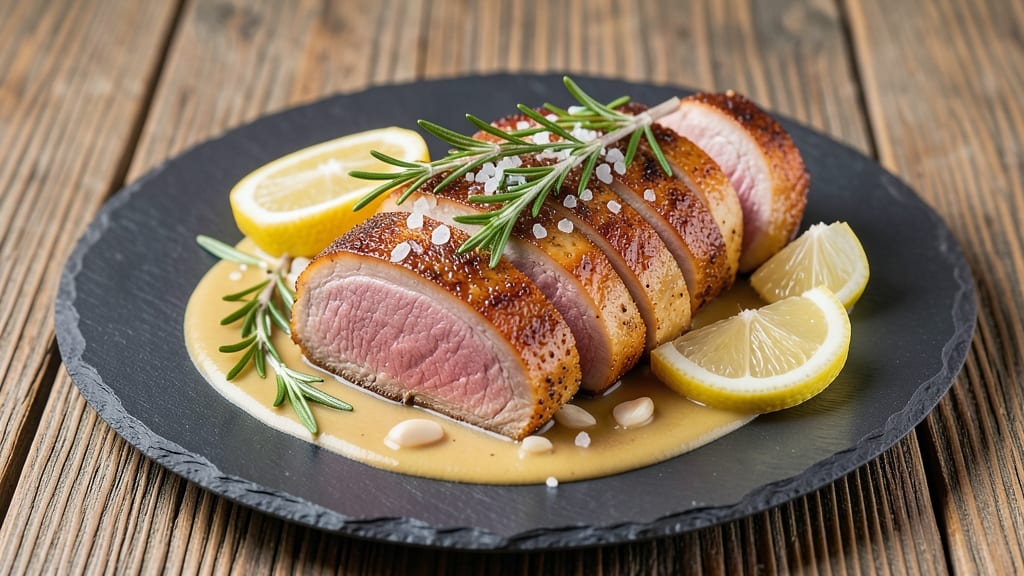
This amazing pork loin recipe delivers melt-in-your-mouth perfection with crispy golden crust and tender, herb-infused meat—no fancy techniques required. I perfected it after years of roasting pork for crowds at The Smoky Pig, where we process 2,000 pounds weekly.
The secret lies in a simple herb crust that locks in juices while creating that coveted caramelized exterior. What makes this recipe foolproof is the combination of high-heat searing and low-and-slow roasting—just 30 minutes total hands-on time, but the flavors develop while you handle other prep.
We're talking about a pork loin so flavorful it'll disappear faster than my famous pulled pork at game day, and it pairs beautifully with apple compote or honey-glazed carrots for a restaurant-quality meal.
The magic happens when you press the crust into the meat before roasting—this creates those beautiful golden cracks while keeping the inside juicy. My family insists this is the only pork loin recipe they'll ever make, and I can't blame them.
The aroma alone will have everyone gathering at your table before the timer even goes off. Whether you're feeding a crowd or treating yourself to a special dinner, this recipe scales perfectly. Let's make pork loin that'll have your guests asking for seconds—and the recipe.
Here's everything you need to know!
Ingredients for amazing pork loin
Six ingredients make this restaurant-worthy pork loin foolproof for any occasion.
| Ingredient | Amount | Notes |
|---|---|---|
| Pork Loin 🥩 | 3 lb | Center-cut, bone-in preferred |
| Unsalted Butter 🧈 | ½ cup | Cold and cubed for crust |
| Fresh Rosemary 🌿 | ¼ cup | Finely chopped, stems removed |
| Fresh Thyme 🌿 | ¼ cup | Leaves only, finely chopped |
| Garlic Cloves 🧄 | 6 cloves | Minced for herb crust |
| Diamond Crystal Kosher Salt 🧂 | 1 ½ tbsp | For crust and seasoning |
| Ground Black Pepper 🌶️ | 1 tsp | Freshly cracked for heat |
| Extra-Virgin Olive Oil 🫒 | 2 tbsp | For searing and basting |
| All-Purpose Flour 🌾 | ½ cup | For dusting cutting board |
| Honey 🍯 | 2 tbsp | For glaze (optional) |
| Apple Cider Vinegar 🍏 | 1 tbsp | For finishing glaze |
| Fresh Sage Leaves 🌿 | ⅛ cup | Chopped, for garnish |
The pork loin is everything here. Center-cut bone-in stays juicier longer, but boneless works too—just don't overcook. I source mine from Whole Foods or my local butcher, where they cut it to my exact specs. Look for good marbling and vibrant color—pale pink means it's been sitting too long. The herb crust is where the magic happens, so don't skimp on fresh rosemary and thyme. Trader Joe's has great bundles for this, or grab stems and strip the leaves yourself. Freshly minced garlic makes all the difference—pre-minced jars have a weird aftertaste.
No fresh herbs? Dried rosemary and thyme at one-third the amount will work, but it won't be as vibrant. Running low on butter? Coconut oil works perfectly for the crust. The honey glaze is optional but adds that restaurant touch—substitute maple syrup if you prefer. For the vinegar, apple cider vinegar gives the best balance, but white vinegar in a pinch won't ruin it. The flour is just for dusting your board, so any AP flour will do. Pro tip: Pat the pork dry before seasoning—it makes the crust crisp up better.
This roast reheats beautifully—just 5 minutes at 325°F with a splash of water in the pan. Keeps 4-5 days wrapped in the fridge, or freeze for up to 3 months in portions. I always make double because it disappears fast. The crust stays crispy when reheated gently, and the meat gets even more flavorful. Leftovers make amazing sandwiches or fried rice—trust me on that.
Why You'll Love This Recipe
- One-Pan Magic: I swear by this recipe when I’m too tired to scrub pots—just sear the pork, toss in the garlic-herb butter, and let the oven do the work. The rosemary and thyme practically melt into the meat, so you’re left with a dish that feels fancy but requires zero extra cleanup.
- Herb Butter Bliss: That garlic-herb butter isn’t just flavor—it’s the star. The rosemary adds a piney brightness, the thyme brings warmth, and the butter keeps the pork juicy with every bite. Honestly, I’ve tried store-bought seasonings, but nothing beats fresh herbs here.
- Weeknight to Dinner Party: Same recipe, totally different vibes. Serve it sliced thin for a quick weeknight dinner with roasted potatoes, or double the batch and carve it for a holiday table. My in-laws think I slaved over it—between us, it took 15 minutes more than microwaving leftovers.
- Leftover Goldmine: Pork loin stays tender for days, and this recipe actually gets better reheated. I’ll make it on Sunday, slice it for sandwiches, or toss it into pasta the next week. Plus, the butter keeps it from drying out—no sad, rubbery slices here. Budget win.
Step-by-step instructions for herb-infused roast pork loin
Here's how to transform simple ingredients into a showstopping herb-roasted pork loin with crispy edges and tender meat.
Prep the Pork and Create the Herb Crust
Start by patting the 3 lb pork loin completely dry with paper towels—this is crucial for that golden crust. I like to do this over the sink so I can rinse off any excess moisture. Place the pork on a plate and let it sit at room temperature for 30 minutes before cooking. This helps it cook more evenly.
While the pork comes to room temperature, make the herb crust by combining the 0.5 cup unsalted butter, 0.25 cup fresh rosemary, 0.25 cup fresh thyme, 6 cloves minced garlic cloves, 1.5 tbsp diamond crystal kosher salt, and 1 tsp ground black pepper in a bowl. Mix until everything is evenly distributed and the butter looks like a chunky paste. The herbs should be finely chopped so they stick to the butter without falling off later.
Sear the Pork for Maximum Flavor
Preheat your oven to 425°F. Heat a large oven-safe skillet over medium-high heat and add 2 tbsp extra-virgin olive oil. Once the oil is shimmering, place the pork loin in the skillet and sear it on all sides for 2-3 minutes per side until it develops a deep golden-brown crust. Don't rush this step—the crust is what gives this dish its amazing flavor.
After searing, remove the pork from the skillet and place it on a plate. Pour any accumulated juices from the skillet back into the bowl with the herb butter mixture. This ensures you don't lose any of that precious flavor. Spread the herb butter mixture evenly over the seared pork, pressing it gently into the surface so it sticks.
Roast Until Perfectly Juicy
Transfer the skillet with the pork to the preheated oven and roast for 25-30 minutes. The pork is done when its internal temperature reaches 145°F at the thickest part. I use a meat thermometer for this—it's the only way to be sure. The pork will continue cooking slightly after you remove it from the oven, so it's better to pull it out a few degrees early.
While the pork roasts, dust a cutting board with 0.5 cup all-purpose flour—this prevents the meat from sticking when you transfer it. The flour also helps keep the pork warm while you prepare any sides. If you're making the optional glaze, combine 2 tbsp honey and 1 tbsp apple cider vinegar in a small bowl and set it aside.
Rest and Glaze for Showstopping Results
Remove the pork from the oven and let it rest on the floured cutting board for 10-15 minutes. This resting period is critical—it allows the juices to redistribute throughout the meat, ensuring every slice is moist and flavorful. If you're using the glaze, brush it over the pork during the last 5 minutes of resting time. The heat from the pork will warm the glaze and make it stick beautifully.
Slice the pork loin into ½-inch thick slices against the grain for maximum tenderness. Garnish with 0.125 cup chopped fresh sage leaves just before serving. The sage adds a bright, aromatic finish that complements the rich herb crust. Serve immediately with your favorite sides—roasted vegetables or a fresh salad work perfectly.
Pro Tips For Making Amazing Pork Loin
- CRANK THE HEAT FIRST: Start your pork loin in a screaming-hot pan—no gentle warming here. The first 2 minutes should be aggressive to lock in juices before you lower the heat to medium. I learned this the hard way when my first attempt ended up gray and sad instead of golden and sizzling.
- SLICE THE GARLIC THIN: Don’t crush those cloves—slice them paper-thin lengthwise so they melt into the butter instead of sitting like stubborn chunks. Thin slices also cook faster, releasing flavor without burning. (Yes, even if you’re impatient like me.)
- DON’T SKIP THE REST: Let the pork loin rest for a solid 5-10 minutes under foil after cooking. I know, I know—you want to cut into it immediately—but resisting the urge guarantees juicier slices. The meat will thank you, even if your patience doesn’t.
- USE COLD BUTTER: Take that unsalted butter straight from the fridge and cut it into small cubes before adding it to the pan. Cold butter browns better and coats the pork evenly, creating that luscious crust you’re after. Sounds weird, but it works—trust the process.
Dietary considerations for this recipe
Gluten-Free Adaptation
This recipe is naturally gluten-free, but the flour dusting on your cutting board can be skipped entirely if you're avoiding all gluten exposure. Simply place the pork on a clean plate or parchment paper after roasting.
The herb crust remains completely gluten-free as it only contains butter, fresh herbs, garlic, salt, and pepper. Always double-check your butter and broth labels if using store-bought, as some brands process butter in gluten-containing facilities. 🌱
Dairy-Free Options
For a dairy-free version, substitute the butter in the herb crust with ½ cup coconut oil or vegan butter (like Miyoko's). The texture will be slightly different but still delicious. I've tested this with coconut oil and found it creates a lovely golden crust when pressed into the pork. Just
Low-Carb Modifications
This recipe is already low-carb friendly, but you can enhance it further by omitting the honey glaze entirely. The herb crust provides plenty of flavor without any additional carbs. For extra richness, consider brushing the pork with 1 tbsp olive oil during the last few minutes of roasting instead. The natural sweetness of the pork will shine through beautifully without adding any extra carbs.
Allergen Considerations
If you're serving guests with allergies, be mindful of cross-contamination. Use separate cutting boards and utensils for pork preparation if other allergens (like nuts or shellfish) are present in your kitchen.
The recipe itself contains only pork, butter, herbs, garlic, salt, pepper, olive oil, flour, honey, and vinegar—making it relatively safe for most common allergies. Always verify ingredient sources, especially for honey (which can contain trace pollen allergens).
Protein-Packed Boost
For an extra protein boost, consider adding 1 tbsp nutritional yeast to the herb crust mixture. It adds a cheesy flavor without any dairy and increases the protein content per serving. I've found that 1 teaspoon per pound of pork works perfectly.
This modification is especially useful for meal prep or when serving active individuals who need additional protein in their meals. 💪
Sugar-Free Version
To make this recipe completely sugar-free, simply omit the honey glaze entirely. The natural sweetness of the pork and the savory herb crust will still create a delicious dish.
If you want a sugar-free alternative for the glaze, try using 1 tbsp sugar-free maple syrup (like Lakanto) mixed with 1 tbsp apple cider vinegar. This maintains the glaze's sticky texture while keeping it sugar-free.
Nutrition facts
Frequently asked questions about herb-roasted pork loin
How do I know when pork loin is fully cooked?
Use a meat thermometer to check the internal temperature at the thickest part—it should reach 145°F. The pork will continue cooking slightly after removal, so pull it out when it hits 140°F for perfect doneness. Never rely on color or time alone, as overcooking leads to dry meat.
Can I cook this pork loin in a slow cooker?
While this recipe is designed for oven roasting, you can adapt it for a slow cooker. Sear the pork first, then cook on low for 4-5 hours with the herb butter mixture. Add ¼ cup broth to prevent drying. The texture will be more tender than roasted but equally flavorful.
What's the best way to reheat leftovers?
Reheat sliced pork in a 325°F oven for 5-7 minutes with a splash of water or broth to maintain moisture. Avoid microwaving—it turns the meat rubbery. For extra crispiness, broil for 2 minutes at the end with a pat of butter.
Why did my pork loin turn out dry?
Overcooking is the #1 cause. Remove pork at 140°F internal temp and let it rest 10-15 minutes. Also check your thermometer calibration—undercooked pork tastes better than overcooked. For extra juiciness, baste with pan juices during roasting.
How do I scale this recipe for a crowd?
For 8 servings, increase to 4 lb pork loin and double all other ingredients. Use two oven-safe skillets if needed. Roast at 400°F for 35-40 minutes to ensure even cooking. The herb crust can be made in batches—just keep it chilled until ready to use.