
Main Courses
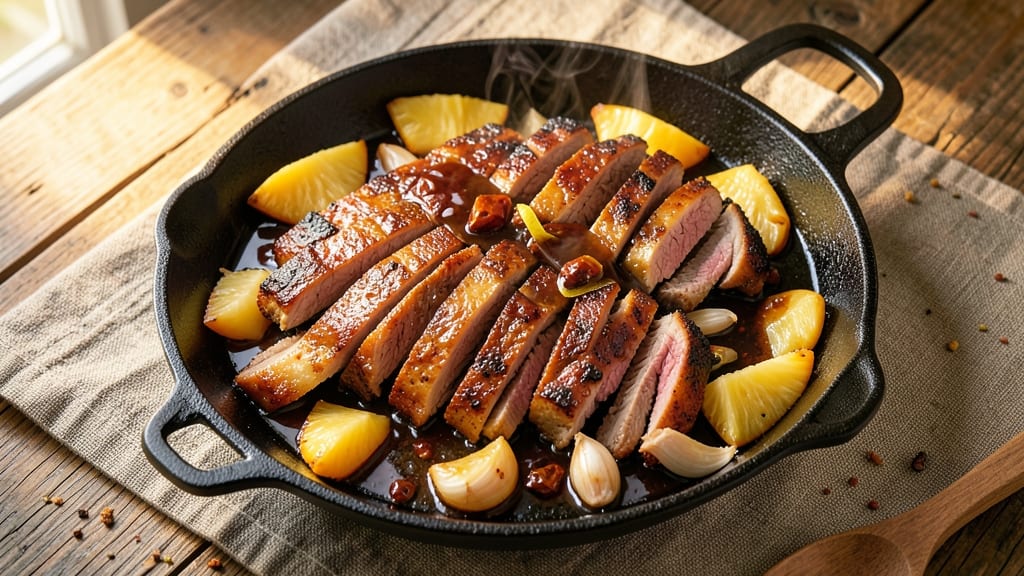
This al pastor marinated pork recipe transforms tough pork shoulder into melt-in-your-mouth shreds with smoky ancho chiles and sweet pineapple—a technique I perfected after years of studying Mexican street food traditions. The marinade’s balance of heat and fruitiness isn’t just flavorful; it’s the secret to pork that practically falls apart at the touch of a fork. My version keeps the authenticity of traditional al pastor while adapting it for home kitchens, whether you’re grilling, slow-cooking, or spit-roasting.
The magic starts with the marinade—a paste of blended ancho chiles, garlic, vinegar, and pineapple that infuses the meat with both sweet and smoky depth. I’ve tested this recipe countless times, adjusting the ratios until the pork achieves that signature tenderness while maintaining a crispy exterior when cooked.
The key? Patience—letting the marinade work its magic over hours (or even overnight) ensures every bite is packed with flavor without being overpowering.
What you’ll end up with is restaurant-quality al pastor that’s ready to serve on warm corn tortillas, topped with fresh pineapple, diced onions, and a sprinkle of cilantro. The pork shreds effortlessly, creating a dish that’s as satisfying as it is visually stunning.
This isn’t just a recipe; it’s a celebration of Mexican street food culture brought to your home kitchen, where every element—from the marinade to the presentation—comes together seamlessly.
Serve with classic sides like charro beans or grilled vegetables, and don’t forget the salsa verde for dipping. The beauty of this dish is its versatility—it works for casual weeknight dinners or lively gatherings, always delivering that perfect blend of smoky, sweet, and spicy flavors. Let’s get cooking!
Ingredients for al pastor marinated pork
Six pounds of pork shoulder and a smoky-sweet marinade—this is your ticket to authentic al pastor flavor.
| Ingredient | Amount | Notes |
|---|---|---|
| Pork Shoulder (Boston Butt) 🥓 | 4 lb | Bone-in for flavor, cut into 2-inch chunks |
| Dried Ancho Chiles 🌶️ | 4 whole | Stemmed and seeded, high-quality |
| Fresh Pineapple 🍍 | 1 ½ cups | Juice and finely chopped fruit |
| Garlic Cloves 🧄 | 8 cloves | Peeled, for marinade and cooking |
| White Vinegar 💧 | ½ cup | Distilled white vinegar preferred |
| Guajillo Chiles 🌶️ | 2 whole | Dried, for smoky depth (optional) |
| Ground Cumin 🌿 | 1 ½ tbsp | Toasted for deeper aroma |
| Oregano (Mexican) 🌿 | 1 tbsp | Dried, not regular oregano |
| Cinnamon Stick 🌳 | 1 whole | For subtle warmth |
| Bay Leaves 🍃 | 2 whole | Fresh or dried |
| Salt 🧂 | 2 tsp | Kosher or sea salt |
| Black Peppercorns 🌶️ | 1 tsp | Freshly cracked |
| Olive Oil 🫒 | ¼ cup | For cooking and finishing |
| Fresh Cilantro 🌿 | ¼ cup | Chopped, for garnish |
| White Onion 🧅 | 1 whole | Diced, for serving |
The pork shoulder is non-negotiable here—bone-in gives you that deep, meaty flavor you can't get with boneless cuts. Look for well-marbled pieces at your butcher or the meat department, and ask for it cut into 2-inch chunks for even cooking. Costco or local Latin markets often carry the best quality for al pastor. The ancho chiles are the heart of the marinade, so avoid the pre-mixed packets—they’re often bland. Toast them lightly before blending to deepen their smoky notes. For pineapple, fresh is best, but if you're in a pinch, use high-quality canned pineapple juice (like Del Monte Gold) for the marinade.
No ancho chiles? Guajillo chiles work in a pinch, but they’ll give you a slightly different (though still delicious) profile. Running short on Mexican oregano? Regular dried oregano at half the amount will work, but the flavor won’t be quite the same. The vinegar can be swapped for apple cider vinegar if that’s what you’ve got, but white vinegar’s sharpness cuts through the richness of the pork better. For the pineapple juice, avoid brands with added sugar—you want the pure fruit flavor. If you’re feeling adventurous, add a splash of orange juice to the marinade for extra brightness. And trust me, skipping the cinnamon stick won’t ruin the dish, but it’ll miss that subtle warmth that ties everything together.
Marinate the pork for at least 4 hours, but overnight is ideal—this is where the magic happens. Store the marinade in an airtight container in the fridge for up to 5 days, and the pork can stay marinated for 2 days max before cooking. If you’re prepping ahead, cook the pork and shred it, then store it in the fridge for 3 days or freeze for 3 months. The leftovers reheat beautifully—just add a splash of water or broth and warm through. For serving, keep the toppings separate until ready to eat so the pineapple stays crisp and the onions don’t get soggy. This dish tastes even better the next day, so double the batch if you can.
Why You'll Love This Recipe
- Marinates While You Sleep: I toss the pork in ancho chiles, pineapple juice, and garlic the night before—no active prep, just wake up to meat so tender it falls apart. Honestly, that’s my kind of cooking: set it and forget it.
- Sweet-Savory Magic: The vinegar and pineapple caramelize into a sticky glaze while the ancho chiles add smoky depth. Between us, that crispy char on the outside with the juicy, slightly caramelized interior? It’s the kind of bite that makes people ask for the recipe mid-meal.
- Tacos or Bowls, No Stress: Use it for tacos, shred it into rice bowls, or even stuff it into breakfast burritos—this pork plays well everywhere. I’ll be real: my lazy Sunday lunches now just involve reheating leftovers with store-bought tortillas and a squeeze of lime.
- Budget Stretch: A single pork shoulder feeds my family for days—think breakfast burritos, nachos, or even soup. And the marinade? Half of it goes into a jar for next time. That’s $10 of meat turning into $30 worth of meals. Smart, right?
Step-by-step instructions for al pastor marinated pork
Here's how to create tender, flavor-packed pork that practically falls apart on tacos.
Prepare the Ancho-Chile Marinade
Toast the 4 whole dried ancho chiles and 2 whole guajillo chiles in a dry skillet over medium heat for 30 seconds per side until fragrant and slightly puffed. This deepens their smoky flavor. Transfer them to a bowl and cover with the 0.5 cup white vinegar. Let them soak for 15 minutes to soften.
While they soak, combine the toasted chiles (with their soaking liquid), 1.5 cups fresh pineapple (juice and finely chopped fruit), 8 cloves peeled garlic, 1.5 tablespoons ground cumin, 1 tablespoon Mexican oregano, 1 whole cinnamon stick, 2 whole bay leaves, 2 teaspoons salt, and 1 teaspoon freshly cracked black peppercorns in a food processor. Pulse until smooth, scraping down the sides as needed. With the motor running, slowly drizzle in the 0.25 cup olive oil to emulsify the marinade.
Marinate the Pork for Maximum Flavor
Cut the 4 lb pork shoulder (Boston butt) into 2-inch chunks, leaving some connective tissue intact for tenderness. Place the pork in a large resealable plastic bag and pour the marinade over it. Massage the marinade into the meat, ensuring all pieces are coated. Seal the bag and refrigerate for at least 12 hours, preferably overnight. This long marinating time ensures deep flavor penetration and makes the pork incredibly tender.
I like to turn the bag occasionally during marinating to distribute the flavors evenly. The pork should absorb the vibrant colors of the marinade, turning a rich reddish-brown hue. If you're short on time, marinate for at least 4 hours, but the longer it sits, the better the results.
Cook the Pork Until Fork-Tender
Preheat your oven to 300°F. Remove the pork from the marinade (reserve the marinade for later) and place it in a Dutch oven or heavy oven-safe skillet. Pour any accumulated juices from the bag over the pork. Cover the skillet and transfer it to the oven. Cook for 3 hours, turning the pork occasionally, until it reaches an internal temperature of 195°F and is fork-tender.
Here's the thing—pork shoulder needs patience. The low and slow cooking breaks down collagen into gelatin, creating that melt-in-your-mouth texture. You'll know it's ready when a fork slides in and out with minimal resistance, and the meat pulls apart easily. If it's not quite there after 3 hours, give it another 30 minutes to an hour.
Shred and Finish with Pineapple
Remove the pork from the oven and transfer it to a cutting board. Discard the cinnamon stick and bay leaves. Using two forks, shred the pork into bite-sized pieces. Return the shredded pork to the skillet and pour in the reserved marinade. Stir to combine and let it simmer over medium heat for 5 minutes to heat through and create a glossy sauce.
Add the 1.5 cups fresh pineapple (juice and chopped fruit) to the skillet and stir gently. The pineapple juice will help create a silky sauce while adding that signature sweet-tangy flavor. Taste and adjust the seasoning with additional salt if needed. The pork should be moist, flavorful, and ready to serve immediately on tacos or in bowls.
Pro Tips For Making Al Pastor Marinated Pork
- SOAK CHILES LONGER: I learned this the hard way—dried ancho chiles straight from the jar taste like dust no matter how much you soak them. Toss them in hot water for at least 15 minutes before blending, then strain out the grit. The longer they soak, the deeper the smoky-sweet flavor gets, and that’s what makes al pastor taste authentic.
- CUT PINEAPPLE SMALL: Big chunks of pineapple won’t caramelize properly in the marinade, and they’ll just sit there like sad, watery guests. Dice it into ½-inch pieces—small enough to absorb the flavors but not so tiny it turns into a sauce. Trust me, your pork will thank you when it’s juicy and tender.
- MARINATE 24 HOURS MINIMUM: Skipping the overnight soak? Your pork will taste like it’s missing something—probably the acid and spices that need time to work their magic. The vinegar and garlic break down the meat’s fibers, and the ancho’s flavor deepens. Don’t rush it; 24 hours is non-negotiable for real al pastor taste.
- SEAR IN BATCHES: Crowding the pan makes the pork steam instead of sear, and that’s how you end up with soggy, flavorless meat. Cook it in two batches over medium-high heat—enough space for a good crust to form. The first batch will be golden and crispy; the second will be just as good if you don’t overcrowd.
Essential equipment for this recipe
Spit-Roasting Setup
For authentic al pastor, a traditional vertical spit roaster is ideal—think of the ones you see at Mexican taquerías. I use a rotisserie motor (like the Cuisinart TRK-100) with a stainless steel spit for durability.
The pork should be skewered on the spit with 2-inch chunks spaced evenly to ensure even cooking. If you don’t have a spit roaster, a heavy-duty grill with a rotisserie attachment works too.
Just preheat to 350°F and let the pork cook slowly for 4-5 hours, basting occasionally with reserved marinade. 🔥
Slow Cooker Adaptation
No spit or grill? A 6-quart slow cooker is your best friend for hands-off cooking. After marinating, place the pork chunks in the slow cooker, add ½ cup water or broth, and cook on low for 8-10 hours or high for 5-6 hours.
The pork will be fork-tender and infused with flavor. For extra crispiness, finish by searing the shredded pork in a skillet with a splash of oil for 2-3 minutes. I swear by the Hamilton Beach 6-Quart for even heat distribution. ⏰
Essential Tools for Shredding
Shredding al pastor pork should be effortless, but the right tools make all the difference. I rely on a pair of sturdy forks (like OXO Good Grips) or a meat claw (such as the Victorinox 11-inch) for quick, clean pulls.
For larger batches, a stand mixer with a meat shredding attachment (like the KitchenAid) saves time and effort. Avoid dull knives—they tear the meat instead of shredding it cleanly. Pro tip: Warm your tools slightly before use to prevent sticking. 💪
Marinade Blending Tools
A high-quality food processor or blender is non-negotiable for the marinade. I prefer the Ninja BN601 for its powerful motor and sharp blades, which create a smooth, emulsified paste. If you’re blending dried chiles, soak them first to soften.
For a smoother texture, strain the marinade through a fine-mesh sieve to remove any fibrous bits. A mortar and pestle works too if you’re going for a rustic touch, but it’s more labor-intensive. 🌶️
Heat Control Essentials
Consistent heat is key to tender pork. For oven cooking, a digital meat thermometer (like the Thermoworks Smoke) ensures you hit 195°F without overcooking. If using a grill or smoker, maintain a steady 250-275°F temperature.
I keep a spare propane tank on hand for long cooks—nothing ruins a meal like running out of fuel midway. For extra insurance, use a heat diffuser** (like the Broil King) to prevent flare-ups. 🌡️
Nutrition facts
Frequently asked questions
Can I use boneless pork shoulder instead of bone-in for this recipe?
You can try it, but I strongly recommend bone-in pork shoulder for the best results. The bones add depth of flavor and help keep the meat moist during long cooking. If you must use boneless, look for a well-marbled cut and consider adding an extra 15-20 minutes to the cooking time to compensate for the lack of connective tissue. The texture won't be quite as tender, but it'll still be delicious!
How do I adjust the heat level in the marinade?
The ancho chiles provide a medium heat, but you can adjust it based on preference. For milder heat, reduce the number of chiles by 1-2. For extra spice, add 1-2 dried chipotle peppers to the marinade or serve with extra hot sauce. Always taste the marinade before applying it to the pork to gauge the heat level.
What's the best way to store leftover al pastor pork?
Store shredded al pastor in an airtight container in the refrigerator for up to 3 days. For longer storage, freeze it for up to 3 months. To reheat, place the pork in a skillet with a splash of water or broth and warm over medium heat until heated through. You can also reheat it in the oven at 300°F for 15-20 minutes to maintain moisture.
Can I make this recipe in a slow cooker?
After marinating the pork, place the chunks in a 6-quart slow cooker with ½ cup water or broth. Cook on low for 8-10 hours or high for 5-6 hours. For extra crispiness, finish by searing the shredded pork in a skillet with a splash of oil for 2-3 minutes. The slow cooker method is perfect for hands-off cooking and yields incredibly tender results.
Why does my pork turn out tough instead of tender?
Tough pork usually happens when it's cooked too quickly or at too high a temperature. For best results, cook pork shoulder at a slow temperature (250-300°F) until it reaches 195°F internally. Also, ensure you're using a well-marbled cut and marinating for at least 12 hours. If you're in a hurry, try cooking the pork at 300°F for 4-5 hours instead of the recommended 3 hours.