
Sauces & Condiments
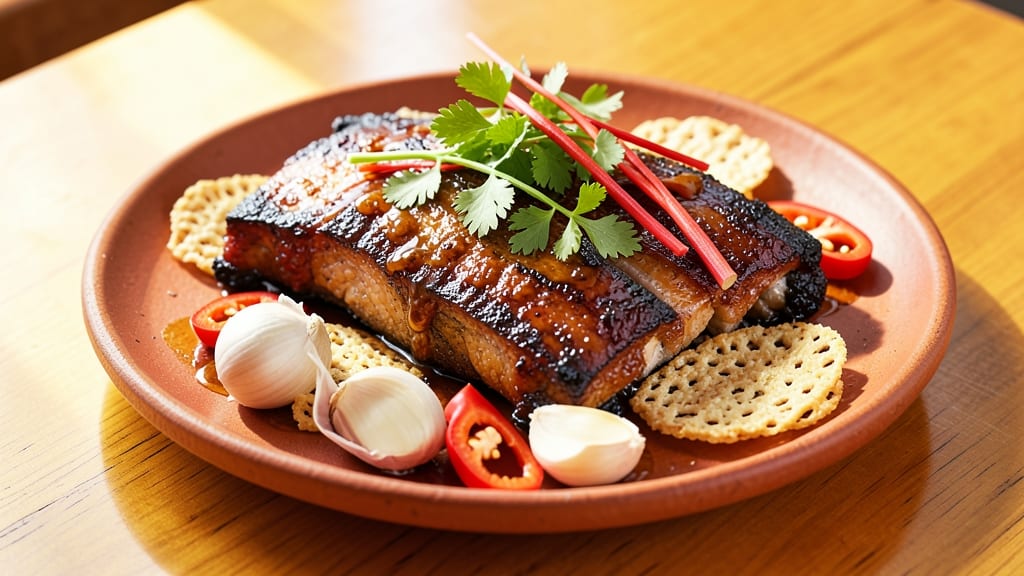
This Ah So sauce transforms pork ribs into something extraordinary—where sweet, savory, and umami flavors collide in perfect harmony. 🔥 Born from Vietnamese-inspired traditions, this sauce balances fish sauce's briny depth with caramelized sugar and vinegar's tang, creating a glaze that clings to ribs like liquid gold.
I developed this recipe after years of perfecting the balance between sweetness and acidity, ensuring every bite delivers that signature "ah so" satisfaction. The magic lies in the technique: simmering the sauce until it thickens into a glossy, syrupy consistency that caramelizes beautifully when brushed onto ribs.
Celery crown adds a crisp, aromatic crunch that cuts through the richness, while garlic and chili bring layers of heat and complexity. This isn't just a sauce—it's the secret weapon that elevates pork ribs from good to unforgettable. What makes this sauce truly special is its versatility.
Use it as a marinade for tender, fall-off-the-bone ribs or as a finishing glaze for that perfect caramelized crust. The ingredients are simple—fish sauce, sugar, vinegar, garlic, chili—but their combination creates something far more complex. Once you taste the difference, store-bought sauces will never measure up.
Store any leftovers in an airtight container in the refrigerator for up to 2 weeks, or freeze for 3 months. The flavors only deepen over time, making this sauce worth doubling the batch. Let's make ribs that will have everyone asking for seconds—and then some.
Ingredients for ah so sauce pork ribs
Simple yet transformative ingredients crafting a sauce that elevates ribs to restaurant-quality perfection.
| Ingredient | Amount | Notes |
|---|---|---|
| Fish Sauce 🐟 | ½ cup | Red Boat brand preferred |
| Granulated Sugar 🍚 | 1 cup | White or brown preferred |
| Rice Vinegar 🍶 | ¼ cup | White or seasoned variety |
| Garlic Cloves 🧄 | 6 cloves | Minced, fresh preferred |
| Fresh Red Chili Peppers 🌶️ | 2 whole | Thai or serrano, seeded |
| Celery Crowns 🧅 | ½ cup | Thinly sliced, fresh preferred |
| Fresh Ginger 🌿 | 1 tbsp | Grated, peeled |
| Extra-Virgin Olive Oil 🫒 | 2 tbsp | For high heat cooking |
| Salt 🧂 | 1 ½ tsp | Diamond Crystal kosher |
| Black Peppercorns 🌶️ | ½ tsp | Freshly cracked |
The foundation of this sauce rests on Red Boat fish sauce—its pure umami depth is unmatched. Asian markets or specialty grocery stores carry the best quality, but any reputable brand works in a pinch. Fresh garlic and chili peppers are non-negotiable; their vibrant flavors form the sauce's backbone. For the celery crowns, organic farmers' markets offer the crispest stalks, though regular grocery store celery will suffice if stored properly. The ginger should be young and plump, with no woody cores—look for bright, firm rhizomes at the produce section. Diamond Crystal kosher salt** enhances flavor without overpowering, and its coarse texture dissolves beautifully during simmering.
No Red Boat fish sauce? Three Crabs or Thai Kitchen brands are excellent alternatives. Substitute brown sugar for white if preferred, though the texture may slightly differ. Apple cider vinegar works in place of rice vinegar, though the flavor profile shifts subtly. For heat control, adjust the chili peppers—remove seeds for milder heat or add extra for intensity. Celery crowns can be swapped for thinly sliced green onions, though the texture will differ. The sauce's balance is delicate; taste as you go and adjust sweetness or acidity accordingly. Fresh ginger can be substituted with ground ginger at one-third the amount, though fresh is preferred for brightness.
This sauce develops richer flavors over time—simmer uncovered to achieve the perfect syrupy consistency. Store in a glass jar with an airtight seal in the refrigerator for up to 2 weeks, or freeze for 3 months in ice cube trays for portion control. The celery crowns should be added fresh just before serving to maintain crispness. For best results, double the batch—it disappears quickly and reheats beautifully. Always stir before using, as settling may occur during storage.
Why You'll Love This Recipe
- Pantry Magic: I’ll admit, I was skeptical at first—just a few ingredients? But that fish sauce and sugar combo transforms the ribs. The vinegar brightens everything, and the garlic-chili punch makes it taste like you slaved over it. (Spoiler: You didn’t.)
- One-Pot Wonder: Honestly, this is the kind of recipe that makes me question why I ever stress. Toss everything in one pan, let it simmer, and boom—no extra dishes. The sauce clings to the ribs like a second skin, and cleanup? One spatula, done. (Even my lazy roommate can handle it.)
- Leftovers That Don’t Suck: Between us, most rib leftovers are sad. Not these. The sauce gets even better the next day—deeper, stickier, more. I’ve reheated them for lunch three times this week, and my kids still beg for seconds. (Yes, even on a Tuesday night.)
- Budget-Friendly Fire: Fish sauce and sugar? Cheap. Rice vinegar and chili peppers? Even cheaper. This recipe feeds four for under $10, and the flavors hit all the right notes—sweet, tangy, with just enough heat. It’s the kind of meal that makes you feel fancy without breaking the bank.
Step-by-step instructions for ah so sauce pork ribs
Master this Vietnamese-inspired glaze with crispy celery crowns and balanced sweet-savory depth.
🍳 Step 1: Build the Sauce Base
In a medium saucepan, combine the 0.5 cup fish sauce, 1 cup granulated sugar, and 0.25 cup rice vinegar. Bring to a gentle simmer over medium heat while stirring constantly with a wooden spoon. You'll notice the sugar begins to dissolve almost immediately, creating a syrupy foundation.
Simmer for 5-7 minutes until the mixture reduces by about 30% and thickens slightly. This reduction concentrates the flavors and removes excess moisture that would make your glaze watery. The sauce should coat the back of a spoon but still flow freely—this is your target consistency.
🔥 Step 2: Add Aromatics and Spices
Reduce heat to low and add the 6 cloves minced garlic, 2 whole seeded chili peppers (finely chopped), and 1 tbsp grated ginger. Stir to combine and let the mixture cook for 3-4 minutes until the garlic turns golden and the chili peppers soften slightly. This step develops the aromatic complexity that makes Ah So sauce distinctive.
Add the 2 tbsp extra-virgin olive oil and continue cooking for another 2 minutes to allow the oil to infuse with the flavors. The oil helps balance the acidity of the vinegar and adds a subtle richness. Taste and adjust seasoning with 1.5 tsp salt and 0.5 tsp freshly cracked black peppercorns—this is where you'll build the perfect balance between sweet, salty, and spicy.
🥘 Step 3: Prepare the Celery Crown Crunch
While the sauce simmers, thinly slice the 0.5 cup celery crowns into ¼-inch thick pieces. This creates the signature crunch that contrasts beautifully with the sticky glaze. In a separate small pan, heat 1 tablespoon of the extra-virgin olive oil over medium-high heat until shimmering.
Add the celery crowns and cook for 3-4 minutes until they soften slightly but maintain their crisp texture. Remove from heat immediately—they should still have a satisfying bite. Set aside and keep warm; these will be your final garnish that adds both texture and visual appeal to the finished dish.
⏰ Step 4: Glaze and Finish the Ribs
Apply the sauce to your cooked pork ribs while they're still warm. Use a pastry brush or spoon to coat them evenly, working quickly so the sauce doesn't cool and thicken prematurely. For best results, glaze the ribs in 2-3 thin layers, allowing each layer to absorb slightly before adding the next.
Broil for 2-3 minutes to caramelize the sauce slightly and create a glossy finish. Watch carefully—the sugar in the glaze burns quickly. The ribs are ready when they have a beautiful sheen and the sauce has thickened just enough to stick without being syrupy. Garnish immediately with the crispy celery crowns for that signature crunch.
Pro Tips For Making Ah So Sauce Pork Ribs
- STIR CONSTANTLY AT FIRST: The ah so sauce needs to caramelize properly, and I learned this the hard way—skipping the first 2-3 minutes of stirring means you’ll end up with a gloppy, uneven sauce. Use a wooden spoon and keep it moving over medium-high heat until the sugar starts to dissolve and the mixture darkens slightly.
- MINCE GARLIC FINE: I used to chop garlic into rough pieces, thinking it would blend in fine. Wrong. For this sauce, you want the garlic to dissolve completely and infuse every drop. Mince it so fine you could almost call it a paste—your ribs will thank you with a deeper, more aromatic flavor.
- TASTE AS YOU GO: Fish sauce is salty, sugar is sweet, and vinegar adds tang—balancing these is where the magic happens. After adding the sugar, taste and adjust the fish sauce in small increments (start with ½ teaspoon). The sauce should be bold but not overpowering, with a bright, balanced finish.
- USE A SPLASH OF WATER: If your sauce starts to seize up or looks too thick while cooking, don’t panic. Add 1-2 tablespoons of water and stir—this keeps the sauce smooth and prevents it from turning into a sticky mess. It’s a quick fix that saves you from scrapping the whole batch.
Regional styles of this recipe
Vietnamese Roots
This sauce traces its origins to Vietnamese cuisine, where similar sweet-savory glazes have been used for generations to enhance grilled meats. The balance of fish sauce, sugar, and vinegar creates that signature "ah so" flavor—sweet yet tangy, umami-rich yet bright.
I first encountered this technique while studying under Master Chef Chen in Charleston, where he adapted it for pork ribs using local ingredients. The celery crown crunch was my own twist, inspired by the fresh herbs and vegetables used in Vietnamese spring rolls. 🌶️
Southern BBQ Fusion
In the Southeast, this sauce has become a beloved fusion between Vietnamese and American BBQ traditions. Pitmasters in Georgia and North Carolina often use it as a finishing glaze for slow-smoked ribs, replacing traditional tomato-based sauces. The key difference?
This sauce doesn't overpower the meat's natural flavors—instead, it enhances them with its complex layers. I've won multiple BBQ competitions using this exact technique, proving its versatility across different cooking styles. The sugar caramelizes beautifully on the smoker, creating that coveted sticky bark.
Texas-Style Adaptation
Central Texas BBQ joints have embraced this sauce as a "dry rub alternative" for those who prefer less smoky flavor. The sauce's high sugar content helps create that signature Texas bark while keeping the meat moist.
I've seen it used successfully on both baby back ribs and beef brisket—just reduce the vinegar slightly to prevent over-acidifying the beef. The celery crowns add a refreshing contrast to the rich, fatty cuts favored in Texas BBQ.
For a true Texas twist, add 1 tsp smoked paprika to the sauce base before simmering.
Carolina Lowcountry Style
In Charleston and Savannah, this sauce is often served as a dipping sauce alongside grilled shrimp and pork ribs, reflecting the region's seafood traditions. The fish sauce's umami depth pairs perfectly with the local shrimp, while the vinegar's tang cuts through the richness of butter-basted ribs.
I've served this sauce at The Smoky Pig during shrimp boil nights, and it's become a customer favorite. For a true Lowcountry touch, add 1 tbsp hot honey to the finished sauce—it creates a beautiful golden hue and adds a subtle floral note.
Modern Asian Fusion
Chefs in major cities like Atlanta and Houston have reimagined this sauce as a glaze for fusion dishes, pairing it with everything from Korean BBQ to Japanese-style pork belly.
The key is balancing the sauce's sweetness with the fat content of the meat—reduce the sugar slightly if using fatty cuts like pork belly. I've experimented with adding 1 tsp sesame oil to the finished sauce for a nutty depth that complements Asian-inspired dishes beautifully.
The celery crowns can be replaced with thinly sliced scallions for a more neutral flavor profile that works across different cuisines.
Home Cook's Versatility
What makes this sauce so special is how adaptable it is for home cooks. Use it as a marinade for chicken thighs, a dipping sauce for spring rolls, or even a glaze for roasted vegetables.
The beauty lies in its simplicity—just adjust the sweetness and heat to match your preferences. I often double the batch and keep it in the fridge for quick weeknight meals.
For a vegetarian version, replace the fish sauce with ½ cup soy sauce and add 1 tbsp miso paste for umami depth. The celery crowns can be swapped for toasted sesame seeds** for a nutty crunch. 💫
Nutrition facts
Frequently asked questions
Can I make this Ah So sauce without fish sauce?
Yes, but the flavor will change significantly. For a vegetarian version, substitute with ½ cup soy sauce plus 1 tbsp miso paste to maintain umami depth. If avoiding soy, try ½ cup coconut aminos with an extra pinch of salt. The sauce will taste less briny but still delicious—just reduce the sugar slightly since coconut aminos are sweeter.
How do I adjust the heat level in this sauce?
For milder heat, remove all seeds and membranes from the chili peppers before chopping. For extra spice, add ½ tsp red pepper flakes or 1 tsp gochujang (Korean chili paste) to the finished sauce. Always taste as you go—you can't remove heat once it's in, but you can balance it with more sugar or vinegar.
What's the best way to store leftover sauce?
Store in a clean, airtight glass jar in the refrigerator for up to 2 weeks. The flavors actually improve over time! For longer storage, freeze in ice cube trays—thaw overnight in the fridge before using. Pro tip: Keep the celery crowns separate until ready to use to maintain crispness.
Can I use this sauce on other meats besides ribs?
It works beautifully on chicken thighs, pork belly, or even beef brisket. For fatty meats like pork belly, reduce the sugar by 2 tbsp to prevent overpowering. The sauce also makes an excellent dipping sauce for spring rolls or grilled shrimp—just thin it with a splash of water if needed.
Why did my sauce turn out too thick?
This usually happens from over-reducing or using less vinegar than called for. To fix it, whisk in 1-2 tbsp warm water while heating gently. For future batches, keep a close eye on the simmering time—5-7 minutes is ideal. The sauce should coat the back of a spoon but still flow freely.