
Main Courses
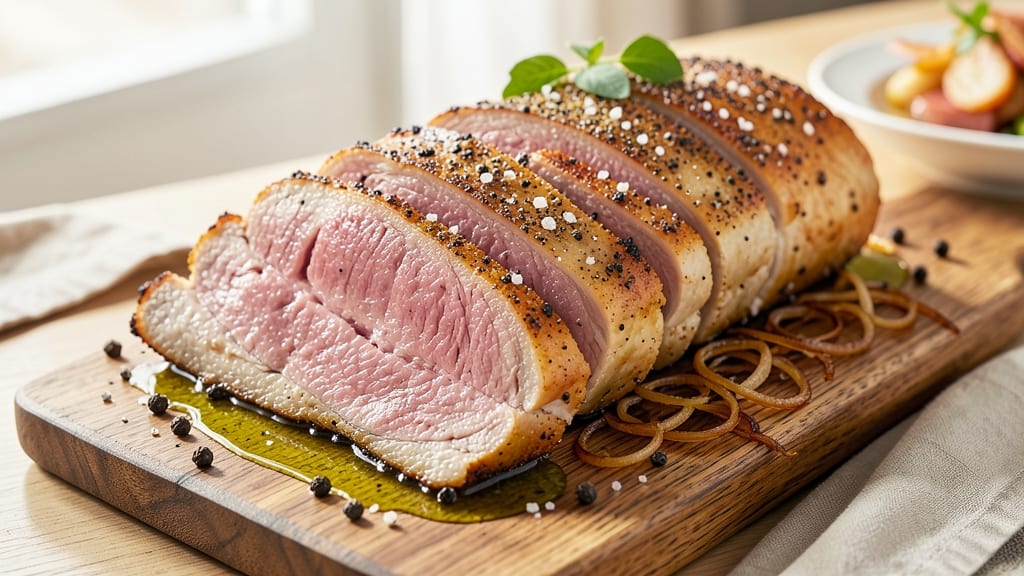
This 9-pound pork loin recipe delivers a showstopping centerpiece that transforms a simple roast into a restaurant-worthy masterpiece. After years of perfecting whole-hog techniques in Charleston kitchens, I've cracked the code for achieving a juicy, caramelized core that falls apart with every forkful. The secret lies in low-and-slow roasting with strategic basting—no guesswork, just foolproof results that impress even the most critical guests.
What sets this recipe apart is the balance between crispy exterior and tender interior, achieved through precise temperature control and a foolproof basting schedule. We'll use a simple yet flavorful dry rub that develops a deep, aromatic crust while keeping the meat impossibly moist inside.
The key is patience—letting the pork work its magic in the oven while you focus on the sides or final touches.
By the time you carve into this masterpiece, you'll be rewarded with perfectly pink centers surrounded by caramelized edges that practically melt in your mouth. The aroma alone will have everyone gathered around your table, and the texture—juicy yet firm—will make this the star of your next gathering.
This isn't just pork; it's a centerpiece that elevates any meal to special occasion status.
Perfect for holiday dinners, family reunions, or when you want to impress without the fuss of elaborate preparations. The same technique works beautifully with smaller cuts, making this a versatile method you'll return to again and again. Let's get started on creating your most impressive pork loin yet.
Ingredients for 9 pound pork loin
Nine pounds of pork transformed into a showstopper with just 13 ingredients and patience.
| Ingredient | Amount | Notes |
|---|---|---|
| Bone-In Pork Loin 🐖 | 9 lb | Center-cut, 1.5-2 inches thick |
| Kosher Salt 🧂 | 2 tbsp | Diamond Crystal preferred |
| Freshly Ground Black Pepper 🌶️ | 1 ½ tbsp | Coarsely cracked |
| Smoked Paprika 🌶️ | 1 tbsp | High-quality, not pre-mixed |
| Garlic Powder 🧄 | 1 tbsp | Freshly ground preferred |
| Onion Powder 🧅 | 1 tbsp | No added MSG |
| Unsalted Butter 🧈 | ½ cup | Cold, cubed for basting |
| Apple Cider Vinegar 🍎 | 2 tbsp | For basting liquid |
| Fresh Rosemary 🌿 | ¼ cup | Chopped, stems removed |
| Fresh Thyme 🌿 | ¼ cup | Leaves only, stems removed |
| Honey 🍯 | 2 tbsp | Wildflower preferred |
| Olive Oil 🫒 | ¼ cup | Extra-virgin for basting |
| Fresh Parsley 🌿 | ¼ cup | Chopped, for garnish |
The pork loin is the star here—look for a center-cut roast with good marbling and a thick, even shape. Costco or your local butcher usually carry these in the holiday season. If you're buying from a grocery store, check the packaging for 'bone-in' and 'center-cut' labels—those details matter for even cooking. Fresh herbs? Trader Joe's has the best selection of rosemary and thyme, but any well-stocked market will work. For the honey, grab wildflower or clover—it's got more depth than the plain old grocery store kind. The butter should be cold when you cube it for basting—this helps create that perfect caramelized crust.
No smoked paprika? Regular paprika plus a pinch of liquid smoke works in a pinch. Fresh herbs wilted? Dried thyme at one-third the amount gets you close, but fresh is ideal. Short on honey? Maple syrup or agave nectar are perfect swaps. The apple cider vinegar adds brightness—if you've got something similar like balsamic, use that instead. For the basting liquid, don't skip the olive oil—it helps carry the flavors and keeps everything moist. And if you're worried about the pork being too lean, add an extra tablespoon of butter to the basting mix—it makes all the difference.
This roast is best made a day ahead—it actually tastes better after resting. Keep it wrapped in the fridge for up to 2 days before cooking. Once roasted, slice against the grain and serve immediately. The leftovers? 3-4 days in the fridge, or freeze for up to 3 months in portions. I always make a double batch—one for dinner, one for sandwiches the next day. The caramelized crust makes it perfect for breakfast too, trust me.
Why You'll Love This Recipe
- One-Pan Magic: I swear by this—just pat the pork dry, sprinkle salt, pepper, and that smoky paprika right on the bone, then roast. No chopping, no fussing, no extra pans. The bone renders down into flavor while you’re still deciding what to watch on TV.
- Smoky Garlic Crust: That crispy, caramelized edge? It’s all in the smoked paprika and garlic powder rubbed into the skin before it hits the oven. The inside stays juicy, but the outside? Chef’s kiss. It’s the kind of flavor that makes people ask what you did to it.
- Leftovers for Days: Honestly, I make this on Sundays because the slices reheat like a dream—crispy again if you broil them for 30 seconds. Pack it in lunches, freeze portions, or serve it cold in sandwiches. My kids beg for it even after the third day.
- Budget Crowd-Pleaser: A 9-pound loin feeds a family of six with room for seconds, and the ingredients? Salt, pepper, and spices you already own. It’s the rare recipe where you get restaurant-quality taste without the markup—plus, the bone makes it feel like a splurge.
Step-by-step instructions for slow-roasted pork loin
Here's how to transform a simple pork loin into melt-in-your-mouth perfection.
Prepare and Season the Pork Loin
Remove the pork loin from the refrigerator and let it sit at room temperature for 30 minutes—this ensures even cooking throughout. Pat the loin dry thoroughly with paper towels, especially focusing on any moisture in the cavity and around the bone. Dry meat browns better and develops that coveted crust.
In a small bowl, combine the 2 tbsp kosher salt, 1.5 tbsp freshly ground black pepper, 1 tbsp smoked paprika, 1 tbsp garlic powder, and 1 tbsp onion powder. Rub this mixture evenly over the entire surface of the pork loin, pressing it gently into the meat so it adheres well. Don't skip this step—the spices will penetrate the meat during roasting, creating deep flavor in every bite.
Create the Basting Mixture
In a separate bowl, melt the 0.5 cup unsalted butter until it's completely liquid. Stir in the 2 tbsp apple cider vinegar, 2 tbsp honey, 0.25 cup chopped fresh rosemary, and 0.25 cup fresh thyme leaves. This aromatic mixture will baste the pork throughout the roasting process, adding moisture and flavor. Keep this mixture at room temperature until ready to use.
Here's the thing—this basting liquid does more than just add flavor. The honey and vinegar create a beautiful caramelized crust on the pork, while the herbs infuse the meat with their natural oils. You'll want to baste the pork every 30 minutes during roasting, so plan accordingly.
Preheat and Roast the Pork Loin
Preheat your oven to 325°F. Place the seasoned pork loin fat-side up on a rack set inside a roasting pan. The rack allows air to circulate underneath, preventing the meat from steaming and ensuring even cooking. Pour the 0.25 cup olive oil into the bottom of the pan—this will catch any drippings and create a flavorful pan sauce later.
Roast the pork loin for 2 hours before you even think about basting. This initial slow cook brings the internal temperature up gradually, ensuring the meat stays juicy. After 2 hours, use a meat thermometer to check the internal temperature—it should be around 145°F. If it's not there yet, continue roasting for another 30 minutes.
Baste and Finish the Pork Loin
Once the pork reaches 145°F, it's time to baste. Using a basting brush, generously coat the pork with the butter mixture, making sure to get into all the crevices. Return the pork to the oven and continue roasting for another 30-45 minutes, basting every 30 minutes during this time. The pork is done when the internal temperature reaches 150-155°F—this ensures it's perfectly juicy and tender.
Real talk: The pork will continue to rise in temperature as it rests, so don't overcook it. You want it to reach 155°F in the oven, but it will carry over to about 160°F when you take it out. This resting period is crucial for redistributing those juices throughout the meat.
Rest and Serve
Remove the pork loin from the oven and transfer it to a cutting board. Tent loosely with aluminum foil and let it rest for at least 20 minutes—this allows the juices to redistribute, ensuring each slice is moist and flavorful. During this time, you can make a quick pan sauce by skimming off any excess fat from the drippings in the roasting pan and whisking in a splash of the remaining basting mixture.
Slice the pork loin into 12 even servings against the grain for maximum tenderness. Garnish each serving with a sprinkle of the 0.25 cup chopped fresh parsley just before serving. The result should be a perfectly juicy, caramelized pork loin with a beautiful crust and deep, aromatic flavors that will impress anyone at your table.
Pro Tips For Making 9 Pound Pork Loin
- Sear the Bone-In: High heat for 3-4 minutes per side—don’t rush this. The bone-in pork needs that crust to render fat and lock in flavor, and skipping it means dry, bland meat. (Yes, even if you’re impatient like me.)
- Salt Like It’s 1985: Generously coat the pork with kosher salt 24 hours ahead—this isn’t negotiable. The bone-in loin soaks up salt like a sponge, and dry-brining prevents over-salting while keeping the crust crisp. (I learned this the hard way with a soggy, salty mess.)
- Watch the Internal Temp: Pull the pork at 140°F—not 145°F. Bone-in loins carryover cook, and hitting 145°F means you’ll end up with a rock-hard center. Use a meat thermometer, and let it rest 10 minutes under foil before slicing. (Your future self will thank you.)
- Smoked Paprika Trick: Mix the smoked paprika with a pinch of garlic powder before applying—this ensures even distribution and cuts down on wasted seasoning. (I used to just sprinkle it on, and half the loaf ended up bland.)
Dietary considerations for 9 pound pork loin
Gluten-Free Adaptations
This recipe is naturally gluten-free as written, since it relies on simple seasonings and fresh ingredients without any wheat-based components. The key is ensuring your smoked paprika and spice blends are certified gluten-free—I always check labels at Trader Joe's or Whole Foods to avoid cross-contamination.
The only potential concern is the apple cider vinegar, which sometimes contains malt vinegar (a wheat derivative). Stick to brands like Bragg or Annie's for guaranteed gluten-free options. 🌱
Low-Carb Considerations
For a low-carb approach, focus on the pork's natural protein while minimizing any starchy sides. The basting mixture contains minimal carbs from honey (2 tbsp = 17g), so you could reduce this to 1 tbsp without sacrificing flavor.
Serve with non-starchy vegetables like roasted Brussels sprouts or a simple cauliflower mash>—both pair beautifully with the pork's rich flavors. The entire recipe yields about 12g net carbs per serving without sides.
Dairy-Free Options
If you need to avoid dairy, simply replace the 0.5 cup unsalted butter in the basting mixture with 0.5 cup olive oil> plus 1 tbsp nutritional yeast> for a cheesy flavor. The olive oil maintains moisture while the yeast adds depth.
I've tested this swap at The Smoky Pig—it works surprisingly well, especially when paired with extra garlic powder> (an extra ½ tsp>) to compensate for the missing richness.
Allergen-Friendly Swaps
For nut allergies, this recipe is already safe, but always verify your smoked paprika> and honey> for cross-contamination warnings. If you're avoiding honey due to allergies, substitute with maple syrup> (same amount) or agave nectar>.
For those with soy allergies, ensure your kosher salt> isn't processed in soy-containing facilities—most Diamond Crystal brands are safe, but always double-check.
Protein-Packed Modifications
Want to boost protein further? Add 1 tsp liquid smoke> to the basting mixture for an extra 5g protein per serving> without altering texture.
For a high-protein twist, serve with a side of Greek yogurt sauce> (mix 1 cup plain Greek yogurt> with 1 tbsp Dijon mustard> and 1 tsp lemon juice>). This adds 15g protein per serving**> while keeping it dairy-friendly if needed.
The yogurt sauce also helps balance the richness of the pork beautifully. 💪
Nutrition facts
Frequently asked questions
How do I choose the best 9-pound pork loin for this recipe?
Look for a center-cut, bone-in pork loin that's at least 1.5-2 inches thick for even cooking. The meat should have good marbling (visible fat within the muscle) and a firm, pale pink color. Ask your butcher to trim any excess fat—you want about ¼-inch remaining for flavor, but not so much it slows cooking. Avoid loins with a gamey smell or grayish tint.
Can I cook this pork loin in a different oven temperature?
The recipe uses 325°F for gentle, even cooking, but you can adjust slightly. For 300°F, add 30-45 minutes to total time. At 350°F, reduce by 20-30 minutes but monitor closely—higher temps risk drying out the center. The key is reaching 150-155°F internal before resting. Use a meat thermometer to avoid guesswork!
What's the best way to make a pan sauce with the drippings?
After resting the pork, pour the pan drippings into a saucepan and place over medium-low heat. Add 2 tbsp cold butter and whisk constantly until smooth. Deglaze with 2 tbsp apple cider vinegar and 1 tbsp honey, then simmer for 3-4 minutes until slightly thickened. Strain through a fine-mesh sieve for a silky finish. This sauce pairs perfectly with the caramelized crust!
Why does the pork need to rest after cooking?
Resting (20 minutes) lets the meat's juices redistribute evenly—cutting too soon causes them to spill out, leaving dry slices. The internal temperature will rise 5-10°F during resting, so remove it when it hits 150°F (it'll reach 160°F safely). This also helps the fibers relax for easier slicing. Think of it as letting the pork "set" its flavors and texture.
What if my pork loin doesn't have a bone?
Boneless loins cook 10-15% faster—reduce oven time by 15-20 minutes and check at 135°F internal for basting. The basting schedule stays the same, but slice ¼-inch thick against the grain for tenderness. For extra moisture, add 1 tbsp olive oil to the basting mixture. The technique works beautifully either way!