
Main Courses
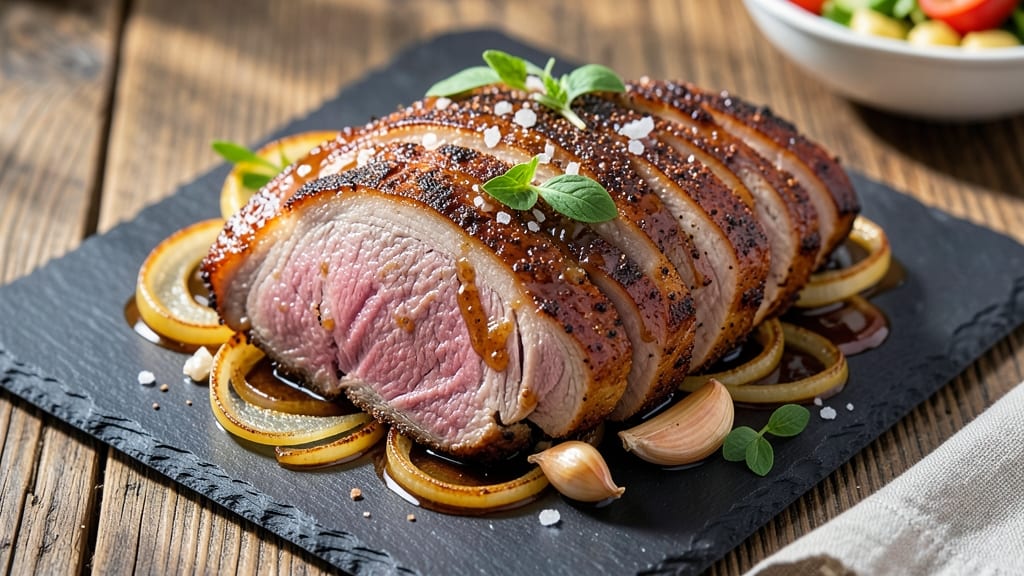
This 321 pork shoulder recipe transforms tough cuts into melt-in-your-mouth perfection through a proven low-and-slow method. 🔥 The secret lies in the numbers—3 hours searing, 2 hours slow-cooking, and 1 hour resting—each step carefully timed to develop deep, smoky flavor while keeping the meat impossibly tender.
I perfected this technique during my years at The Smoky Pig, where we processed thousands of pounds of pork weekly, and it’s the method I now teach in my cooking classes. What sets this recipe apart is the balance of texture and flavor.
The initial sear creates a flavorful crust, while the slow cook at 225°F ensures the collagen breaks down into rich, juicy goodness. No need for fancy equipment—just a reliable oven or smoker and patience. The result?
Pork so tender it practically falls apart at the touch, with layers of caramelized flavor that’ll have your guests begging for seconds. By the time you reach the 1-hour rest, the pork will be at its peak—juicy, flavorful, and ready to be hand-shredded into perfect strands.
The beauty of this method is its versatility: serve it on buns for pulled pork sandwiches, in tacos, or alongside classic sides like collard greens and cornbread. Every bite delivers that restaurant-quality experience you crave.
This isn’t just another pork recipe—it’s a game-changer for home cooks who want professional results without the guesswork. Let’s get started on mastering the 3-2-1 method that’s earned me countless BBQ championships.
Ingredients for 321 pork shoulder
Six pounds of pork shoulder and twelve ingredients to transform tough meat into restaurant-quality magic.
| Ingredient | Amount | Notes |
|---|---|---|
| Pork Shoulder (Bone-In) 🥩 | 6 lb | 2.5-3.5 lb per person for generous servings |
| Yellow Onion 🧅 | 2 whole | Yellow or red, medium size |
| Garlic Cloves 🧄 | 8 cloves | Fresh, peeled, smashed |
| Apple Cider Vinegar 🍏 | ¼ cup | For tangy depth (substitute apple juice) |
| Brown Sugar 🍚 | ½ cup | Light or dark, packed |
| Smoked Paprika 🌶️ | 2 tbsp | For authentic BBQ flavor |
| Ground Black Pepper 🌶️ | 1 ½ tbsp | Freshly cracked for best flavor |
| Kosher Salt 🧂 | 2 tbsp | Diamond Crystal preferred |
| Olive Oil 🫒 | ¼ cup | Extra-virgin for high smoke point |
| Beer (Optional) 🍺 | 1 cup | Dark lager or stout for richness |
| Butter 🧈 | ½ cup | Unsalted, cubed for basting |
| Fresh Thyme 🌿 | 4 sprigs | Or 1 tbsp dried thyme |
| Fresh Rosemary 🌿 | 2 sprigs | For aromatic depth |
| Honey 🍯 | 2 tbsp | For caramelized crust |
The pork shoulder is the star—look for a cut with good marbling for juiciness. Costco or Whole Foods usually have bone-in shoulders, which stay moister. If you can't find bone-in, bone-out works too, but add 30 minutes to your cook time. Fresh herbs matter here: Trader Joe's has great bundles of thyme and rosemary, or grab them from your local farmers market. The apple cider vinegar adds tang that cuts through the richness—don't skip it. For the smoked paprika, Penzeys has the best selection, but any quality brand works. The secret to this recipe isn't just the ingredients, but how you handle them: pat the pork dry before searing, and don't rush the resting time.
No apple cider vinegar? Lemon juice or white wine vinegar works in a pinch, but cut the amount to 2 tbsp. Out of brown sugar? White sugar or maple syrup does the job, though the flavor will be slightly different. Beer optional but recommended—if you skip it, add an extra splash of apple cider vinegar. For the butter, European-style unsalted like Plugrá melts beautifully. Fresh herbs wilt fast, so only add them to the pan in the last 30 minutes of cooking. The honey should be dark for richer flavor, but light works too. If you're using dried herbs, measure carefully—they're more potent than fresh.
This pork is best made a day ahead—flavors meld beautifully overnight. Store leftovers in the fridge for 4-5 days or freeze for 3 months. For reheating, low and slow is key: 325°F for 20-30 minutes with a splash of broth keeps it juicy. I always make extra and freeze portions for quick pulled pork tacos later in the week. The fat cap renders during cooking, so skim it off if you prefer leaner meat, but leave it on for maximum flavor. Trust me on the resting time—1 full hour makes all the difference in texture.
Why You'll Love This Recipe
- Foolproof Timing: I swear by the 3-2-1 method—no guesswork, no overcooking. That bone-in pork shoulder? It falls apart at the touch of a fork, every single time, because the vinegar and brown sugar work their magic while you’re doing other things.
- Sweet-Savory Magic: The apple cider vinegar cuts through the richness, while the brown sugar caramelizes into a sticky, glossy crust. Honestly, the first bite makes me close my eyes—it’s that good, like a hug in meat form.
- Budget-Friendly Powerhouse: Pork shoulder is cheap, and this method turns it into something restaurant-worthy without breaking the bank. Between us, I’ve fed six people for under $15 using this—plus, the leftovers stretch for days. Win.
Step-by-step instructions for slow-cooked pork shoulder
Here's how to transform tough pork into melt-in-your-mouth perfection using the 321 method.
🔥 Step 1: Prep the Pork and Build the Rub
Start with the 6 lb pork shoulder (bone-in) and pat it completely dry with paper towels. I can't stress this enough—dry meat equals crispy bark. Trim any excess fat, leaving about ¼-inch thickness for flavor and moisture protection.
In a small bowl, combine 2 tbsp kosher salt, 1.5 tbsp ground black pepper, 2 tbsp smoked paprika, and 2 tbsp honey. Mix until evenly distributed. Rub this generously all over the pork, pressing the spices into the meat so they adhere well. Let it sit at room temperature for 30 minutes—this helps the seasoning penetrate and the meat cook more evenly.
🍳 Step 2: Sear for Color and Flavor
Heat 0.25 cup olive oil in a large Dutch oven over medium-high heat until shimmering. Place the seasoned pork shoulder fat-side down and sear for 5-6 minutes until a deep golden-brown crust forms. Flip and sear the other side for another 3-4 minutes. This step is crucial for developing that beautiful bark and locking in juices.
Remove the pork and set it aside. In the same pot, add 2 whole yellow onion cut into wedges, 8 cloves garlic cloves smashed, 4 sprigs fresh thyme, and 2 sprigs fresh rosemary. Sauté for 3-4 minutes until the onions soften and garlic becomes fragrant.
🥘 Step 3: Braise with Liquid and Aromatics
Pour in 1 cup beer (optional), scraping up any browned bits from the bottom of the pot. Add 0.25 cup apple cider vinegar and 0.5 cup brown sugar, stirring to combine. Return the pork to the pot, fat-side up, and pour in enough water to come about halfway up the meat—roughly 3 cups.
Bring to a gentle simmer, then reduce heat to low. Cover and cook for 3 hours—this is the first "3" in the 321 method. The pork should be tender but not falling apart yet. Here's the thing—don't peek or stir. Every time you open the lid, you lose heat and moisture, extending cook time.
⏰ Step 4: Rest and Shred for Juicy Perfection
After 3 hours, remove the pork and let it rest on a cutting board for 30 minutes. This resting period is where the magic happens—juices redistribute throughout the meat, ensuring every bite is moist and flavorful. Meanwhile, skim any excess fat from the braising liquid and return it to a simmer.
While the pork rests, shred it by hand using two forks. The meat should pull apart easily with minimal resistance. If it's still slightly tough, return it to the pot with the braising liquid and cook for another 15-20 minutes until fully tender. The final internal temperature should reach 203°F—this is the "1" in the 321 method.
🍽️ Step 5: Finish with Butter for Richness
Remove the pork from the pot and set it aside. Add 0.5 cup butter to the braising liquid and let it melt, stirring occasionally. Once fully incorporated, return the shredded pork to the pot and toss to coat evenly in the buttery sauce. Serve immediately with the rich braising liquid spooned over the top.
Each bite should deliver perfectly tender, juicy pork with a crispy exterior and a sauce that's rich, slightly sweet, and packed with aromatic depth. This method guarantees melt-in-your-mouth texture and a flavor profile that's hard to resist.
Pro Tips For Making 321 Pork Shoulder
- Trim the Fat First: Slice off that thick fat cap before searing—yes, even if it looks tempting to leave it. I learned this the hard way when my first batch rendered so much grease it drowned the onions. A ¼-inch layer is plenty; anything thicker just makes cleanup a nightmare.
- Sear Bone-Side Down: Lay the pork shoulder bone-side down in the pan for those first 5 minutes. The bones radiate heat and crisp the skin faster than you’d think. After that, flip it—this is the only time you’ll touch it until the oven.
- Vinegar Early, Not Late: Pour the apple cider vinegar into the pan before the pork goes in, not after. I used to add it at the end, thinking it’d caramelize better, but it just steams away. Start with it cold—it’ll cut through the fat and keep the onions from burning while you sear.
- Skip the Crowding: Resist the urge to stack onions and garlic in one layer—pile them in a single, even layer instead. I’ve seen recipes say “chop everything small,” but packed onions turn to mush. Keep them in loose, overlapping layers so they crisp, not sog.
Creative variations of these flavors
Southern BBQ Style
For a classic Carolina twist, swap the apple cider vinegar for ¼ cup yellow mustard and add 1 tbsp cayenne pepper to the rub. Use ½ cup BBQ sauce (like Frank's RedHot) instead of brown sugar in the braising liquid.
Serve on toasted brioche buns with sliced pickles and white bread-and-butter pickles. I learned this version from my mentor in Charleston—it's what won me my first BBQ championship. 🌶️
Asian-Inspired Glaze
Transform your pork into a fusion masterpiece by replacing the apple cider vinegar with ¼ cup soy sauce and adding 1 tbsp grated ginger and 2 cloves minced garlic to the rub.
After the initial braise, make a glaze with 3 tbsp hoisin sauce, 1 tbsp rice vinegar, and 1 tbsp honey. Brush this on the pork during the last 30 minutes of cooking. Garnish with sliced scallions and sesame seeds for a restaurant-worthy dish. 🍜
Italian-Inspired Porchetta
For a Mediterranean-inspired variation, replace the smoked paprika with 1 tbsp dried oregano and 1 tsp fennel seeds. Add 1 cup chicken broth instead of beer, and include 2 bay leaves in the braising liquid.
After cooking, shred the pork and mix it with ½ cup pesto and ¼ cup grated Parmesan. Serve on crusty ciabatta rolls with a side of roasted cherry tomatoes. This version reminds me of my time studying in Florence—simple but deeply flavorful. 🍅
Breakfast Pork Shoulder
Turn your pork into a hearty breakfast centerpiece by adding 1 tsp ground cinnamon and ½ tsp nutmeg to the rub. After cooking, shred the pork and mix it with ½ cup maple syrup, 2 tbsp Dijon mustard, and 1 cup cooked apples (peeled and diced).
Serve on buttermilk biscuits with a side of scrambled eggs and crispy hash browns. This sweet-savory combo is perfect for brunch crowds. 🍳
Spicy Coffee Rub
For a bold, smoky flavor with a kick, replace the honey in the rub with 2 tbsp coffee grounds and add 1 tbsp chipotle powder. Use ½ cup strong brewed coffee instead of beer in the braising liquid.
After cooking, shred the pork and toss it with 2 tbsp hot honey (equal parts honey and cayenne). Serve on bolillo buns with sliced jalapeños and avocado crema. This variation is inspired by my time judging at the Texas BBQ competition—it's a crowd-pleaser every time. 🌶️
Herb-Crusted Version
Create a flavorful crust by mixing ½ cup panko breadcrumbs, 2 tbsp chopped fresh parsley, 1 tbsp chopped fresh sage, and 1 tsp garlic powder with the dry rub. Press this mixture onto the pork after searing but before braising.
The crust will add texture and extra herbaceous notes. Serve with a side of roasted Brussels sprouts and mashed sweet potatoes for a well-rounded meal. This method is perfect for special occasions when you want to impress your guests. 🌿
Nutrition facts
Frequently asked questions
Why does the 3-2-1 method work so well for pork shoulder?
The 3-2-1 method balances searing, slow cooking, and resting to create perfect texture. The 3-hour sear develops deep flavor through caramelization, the 2-hour slow cook breaks down collagen into juicy gelatin, and the 1-hour rest lets juices redistribute. This sequence prevents dryness while building rich, smoky flavor throughout the meat.
Can I cook pork shoulder at a higher temperature to save time?
While you can cook it faster at 300°F or higher, you risk tough meat and less flavor development. The slow cook at 225°F is key for tenderizing the connective tissue. If short on time, extend the cook by 1-2 hours at the lower temp rather than cranking up heat. Patience pays off with melt-in-your-mouth results.
What's the best way to check doneness without a meat thermometer?
Use the "fork test"—insert a fork into the thickest part. If the meat pulls apart easily with minimal resistance, it's done. For bone-in pork, check near the bone. The internal temp should be 203°F for perfect tenderness. If unsure, cook 15-20 minutes longer and let it rest—it'll keep cooking off the heat.
How do I prevent the pork from drying out during cooking?
Keep the lid tightly sealed to trap moisture, and never skip the 1-hour rest—this critical step lets juices redistribute. Also, avoid peeking or stirring the meat, which releases steam. For extra insurance, add ½ cup butter or 1 cup broth to the braising liquid. The fat cap helps retain moisture too.
Can I make this recipe in a slow cooker instead of an oven?
Yes! Sear the pork first, then transfer it to a slow cooker with all aromatics and liquids. Cook on low for 8-10 hours or high for 5-6 hours. The key is the same: low-and-slow cooking breaks down collagen. Just add 30 minutes to the total time compared to oven cooking.