
Main Courses
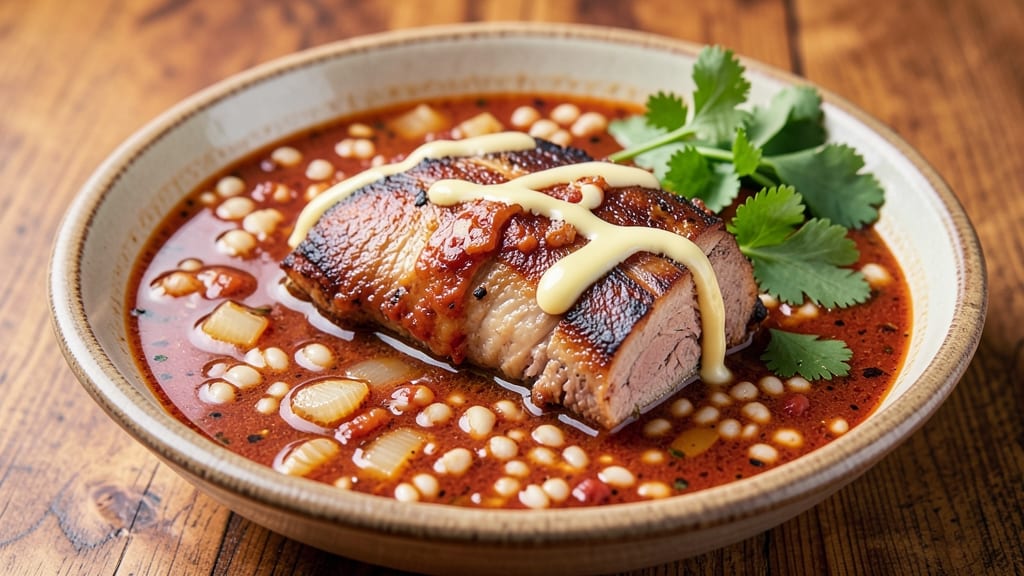
This Mexican pork posole recipe delivers the soul-warming comfort of a homestyle stew, where tender pork and hominy simmer in a smoky chipotle broth until every bite feels like a hug. 🔥 The secret lies in slow-cooking the pork until it practically falls apart, then building depth with adobo sauce and warm spices that transform simple ingredients into something extraordinary.
As someone who's spent years perfecting pork dishes at Atlanta's Smoky Pig, I can tell you this recipe captures the essence of what makes posole so beloved—rich, hearty, and deeply satisfying.
The beauty of posole is its versatility—it's equally at home as a weeknight dinner or a centerpiece for gatherings, and this version delivers both restaurant-quality flavor and home-cooked warmth.
We start with a proper pork broth that infuses the hominy with smoky depth, then finish with fresh garnishes that add texture and brightness. The key is balancing the smokiness of the chipotle with the natural sweetness of the corn and pork, creating a harmony that's impossible to resist.
By the time you're done, you'll have a steaming bowl of posole with tender pork chunks, creamy hominy, and a broth so flavorful it deserves a spoon. The traditional toppings—crisp radishes, fresh cilantro, and lime wedges—elevate each bite, turning a simple stew into a celebration of Mexican comfort food.
This is the kind of dish that disappears quickly, leaving everyone asking for seconds.
Perfect for feeding a crowd or meal prepping for the week, this posole recipe scales beautifully while maintaining its homestyle charm. The slow-cooked pork ensures maximum tenderness, and the chipotle-infused broth adds layers of complexity that make it stand out from basic recipes.
Let's get cooking—your taste buds will thank you.
Ingredients for mexican pork posole
Sixteen ingredients. One soul-warming pot of posole that tastes like home.
| Ingredient | Amount | Notes |
|---|---|---|
| Pork Shoulder 🍖 | 3 lb | Bone-in for flavor, cut into 2-inch chunks |
| Dried White Hominy 🌽 | 2 cups | Soaked overnight, drained |
| Chipotle Peppers in Adobo 🌶️ | 3 tbsp | Adobo sauce included, minced |
| Yellow Onion 🧅 | 1 whole | Chopped into 1/2-inch pieces |
| Garlic Cloves 🧄 | 6 cloves | Peeled, smashed |
| Tomato Paste 🍅 | ½ cup | Smooth, not chunky |
| Beef Broth 💧 | 4 cups | Low-sodium preferred |
| Cumin Seeds 🌿 | 1 tbsp | Toasted until fragrant |
| Bay Leaves 🍃 | 2 whole | Fresh preferred |
| Salt 🧂 | 1 ½ tsp | Diamond Crystal preferred |
| Ground Black Pepper 🌶️ | ½ tsp | Freshly ground |
| Fresh Cilantro 🌿 | ½ cup | Chopped, for garnish |
| White Radishes 🥕 | 1 whole | Thinly sliced, for garnish |
| Limes 🍋 | 2 whole | Juiced, wedges for serving |
| Avocado Oil 🫒 | 2 tbsp | For finishing |
The pork shoulder is non-negotiable—bone-in, well-marbled cuts from Costco or your local butcher give you that deep, rich flavor. Look for cuts with good fat distribution; the fat renders down into the broth, creating a silky texture. If you're short on time, pre-cut pork shoulder from the grocery store's meat counter works too, but trim any large fat chunks for cleaner cooking. The hominy? Dried is best—soak it overnight in cold water to soften, then drain before adding to the pot. Trust me, the texture difference is worth it.
No fresh chipotles? Three tablespoons of adobo sauce from the can works just fine—just minced it finely so it blends into the broth. Swapping beef broth for chicken? Use half beef, half chicken to keep that deep, meaty flavor. Cumin seeds are a must—toast them in a dry pan for 30 seconds until fragrant before adding to the pot. That little step makes all the difference. The tomato paste can be the squeeze-tube kind from Trader Joe's—no waste, and it keeps for months. For the radishes, daikon or white radishes both work; just slice them thin so they stay crisp when served.
This posole tastes even better the next day—reheats beautifully in the microwave or on the stovetop. Store leftovers in the fridge for 4-5 days or freeze for up to 3 months. I always make a double batch because it disappears fast. Garnishes like cilantro and lime should be added fresh just before serving—wrap cilantro in damp paper towels in the fridge to keep it bright. The avocado oil drizzle is optional but adds a luxurious finish—store-bought is fine, but homemade is worth the effort if you're feeling ambitious.
Why You'll Love This Recipe
- One-Pot Magic: I swear by this—just toss everything into a single pot, simmer, and walk away. The pork shoulder melts into tender shreds while the hominy soaks up all the smoky chipotle goodness, no extra dishes in sight.
- Smoky-Sweet Obsession: That first bite? The chipotle peppers in adobo give it a slow-building heat, but the pork shoulder stays juicy and rich, balanced by the hominy’s earthy bite. Honestly, it’s the kind of flavor that makes you want to eat it straight from the pot.
- Weeknight to Party Fix: Make a big batch on Sunday, and you’ve got lunch, dinner, or even a casual gathering covered. My college-aged kids request it for game nights—it’s hearty enough to fill them up but still light enough for leftovers the next day.
- Budget Stretch Star: Pork shoulder is cheap, hominy lasts forever, and a single can of chipotles stretches across multiple meals. Between us, this recipe keeps my grocery bill low without ever feeling like a sacrifice. (Yes, even on a Tuesday night.)
Step-by-step instructions for smoky chipotle pork posole
Here's how to build rich, smoky flavor layer by layer—just like my abuela taught me.
🔥 Step 1: Sear the Pork Shoulder for Deep Flavor
Heat a Dutch oven over medium-high heat and add 2 tablespoons avocado oil. Working in batches (you'll need to do this twice), add the 3 lb pork shoulder cut into 2-inch chunks and sear until deeply browned on all sides—about 4-5 minutes per batch. This step creates the Maillard reaction that builds the posole's signature depth of flavor.
As you sear, I press down gently on the pork with a spoon to prevent it from curling. You'll know it's ready when the edges are deep golden brown and the meat releases easily from the pan. Remove the pork and set aside—we'll return it to the pot later, but first we need to build the aromatic base.
🍳 Step 2: Build the Smoky Base with Aromatics
In the same Dutch oven, reduce heat to medium and add the 1 whole yellow onion chopped into ½-inch pieces. Cook for 5-6 minutes until softened and starting to caramelize at the edges. Add the 6 smashed garlic cloves and cook for another 30 seconds until fragrant—don't let the garlic burn, or it'll turn bitter.
Here's where the magic happens: add the 3 tablespoons minced chipotle peppers in adobo along with their adobo sauce. Stir and cook for 1 minute to toast the spices and release their smoky depth. Then add the ½ cup tomato paste and cook for 2 minutes, stirring constantly to prevent burning. The sauce should darken and thicken slightly—this is the flavor foundation for your posole.
🥘 Step 3: Simmer the Pork and Broth
Return the seared pork to the Dutch oven. Add the 4 cups beef broth, 1 tablespoon toasted cumin seeds, 2 whole bay leaves, 1.5 teaspoons salt, and ½ teaspoon freshly ground black pepper. Bring to a boil, then reduce heat to low and cover partially. Let it simmer for 1 hour, stirring occasionally to prevent the pork from sticking to the bottom.
After 1 hour, check the pork with a fork—it should be fork-tender but still slightly firm. If it's not quite there, continue simmering for another 30 minutes to 1 hour until it pulls apart easily. The broth should be rich and infused with pork flavor, with a beautiful smoky aroma wafting from the pot.
👨🍳 Step 4: Add the Hominy and Finish
Add the 2 cups soaked and drained white hominy to the pot. The hominy should be fully submerged in the broth—if it's not, add a splash of water. Return to a simmer and cook uncovered for 20-25 minutes, stirring occasionally, until the hominy is tender and the broth has thickened slightly. You'll know it's ready when the hominy is plump and the broth coats the back of a spoon.
Remove the bay leaves and discard them. Taste the broth and adjust seasoning if needed—you might need a pinch more salt or a splash of lime juice to brighten the flavors. Keep the posole warm over low heat while you prepare the garnishes.
🍽️ Step 5: Serve with Fresh Garnishes
Ladle the posole into bowls and top each serving with 2 tablespoons avocado oil (yes, it's worth the extra richness), 2 tablespoons chopped fresh cilantro, ¼ cup thinly sliced white radishes, and 1 lime wedge. The radishes add a crisp, peppery bite that cuts through the richness, while the lime juice brightens every bite.
Serve immediately with warm tortillas or crusty bread on the side. The posole should be thick enough to coat a spoon but still have a satisfying brothiness. Each bite should deliver tender pork, creamy hominy, and layers of smoky chipotle flavor—just like my abuela's version, but with a modern twist.
Pro Tips For Making Mexican Pork Posole
- Sear the Pork Hard: Pork shoulder needs a deep, dark crust to stay juicy when it braises. Don’t skimp—work in batches over high heat until the meat releases a caramelized crust. I used to rush this, and my posole always ended up dry.
- Soak Hominy Overnight: Dried hominy absorbs liquid like a sponge—skip the soaking, and you’ll end up with mushy, flavorless chunks. Cover it in water for at least 8 hours (or overnight), then drain before adding to the pot. Trust me, the texture makes all the difference.
- Strain the Adobo Sauce: Chipotle peppers in adobo sauce are packed with seeds and debris that muddy the broth. Always strain the sauce through a fine-mesh sieve before adding it to the pot—it’s a 30-second step that keeps your posole smooth and vibrant.
- Finish with a Splash of Vinegar: The last 5 minutes of cooking are where the magic happens. Stir in 1 tablespoon of white vinegar or lime juice to brighten the broth and cut through the richness. Sounds simple, but it’s the thing that separates good posole from great posole.
Storing and reheating this dish
Fridge Storage Essentials
Store your posole in an airtight container—I use glass Pyrex with snap-on lids—and refrigerate for up to 4-5 days. The flavors actually deepen overnight as the spices meld together.
Let it cool completely before storing to prevent condensation, which can dilute the broth. I always make a double batch because this disappears fast at gatherings. 💛
Freezer Prep Tips
For long-term storage, freeze posole in quart-sized freezer bags with 1 inch of headspace to prevent expansion cracks. Lay them flat to save space, and label with the date. Thaw overnight in the fridge before reheating—never microwave directly from frozen, or the hominy will turn mushy.
This method keeps it tasting fresh for up to 3 months.
Stovetop Reheating
My preferred method is stovetop reheating—it preserves texture beautifully. Pour posole into a heavy-bottomed pot, add ¼ cup water or beef broth, and heat over medium-low for 10-15 minutes.
Stir occasionally and taste—you may need ½ teaspoon more salt or a squeeze of lime to restore brightness. Keep it covered to prevent evaporation.
Microwave Shortcuts
For quick meals, microwave individual portions in microwave-safe bowls on 70% power for 3-4 minutes, stirring halfway. Add 1 tablespoon broth if it looks dry.
Avoid high power—it can make the hominy rubbery. Garnish with fresh cilantro and lime right after heating to revive the flavors. Perfect for busy weeknights! ⏰
Garnish Refresh
Always add garnishes fresh after reheating—cilantro, radishes, and lime make all the difference. Store cilantro wrapped in damp paper towels in the fridge to keep it vibrant.
For extra richness, drizzle with avocado oil (I use La Tourangelle) just before serving. This step transforms reheated posole into something restaurant-worthy.
Leftovers Strategy
Use leftovers creatively! Turn cold posole into posole tacos with crispy tortillas and avocado slices. Or blend it into a creamy soup by adding extra broth. The key is reheating gently—never boil—to maintain that tender pork texture.
Trust me, your taste buds will thank you for the thoughtful reheating approach. 💡
Nutrition facts
Frequently asked questions
Can I substitute chicken or beef for the pork in this recipe?
While pork is traditional, you can absolutely use chicken or beef! For chicken, use 3 lb bone-in, skin-on thighs (they stay juicier than breasts) and reduce the cooking time to 45-50 minutes after adding the hominy. For beef, opt for chuck roast cut into 2-inch chunks and simmer for 2 hours before adding hominy. The broth flavor will change slightly—beef gives a deeper richness, while chicken keeps it lighter. Just adjust seasoning to taste after cooking.
What's the difference between white and yellow hominy?
White hominy is made from white corn and has a milder, slightly sweeter flavor with a creamier texture—this is what we use here. Yellow hominy (from yellow corn) has a more pronounced corn flavor and firmer bite. For this recipe, stick with white hominy for that classic posole texture, but yellow works in a pinch. Just soak both types for 8-12 hours before using—never skip this step or the hominy will stay tough.
How do I make this recipe vegetarian?
Replace the pork with 3 lb extra-firm tofu or mushrooms (like oyster or portobello). For tofu, press and cube it, then pan-fry until crispy before adding to the broth. For mushrooms, use 8 oz sliced and sauté until deeply browned. Boost umami with 1 tablespoon soy sauce or ½ teaspoon mushroom powder in the broth. The chipotle and cumin will still shine—just add ½ cup vegetable broth extra to compensate for the lack of meaty depth.
Why did my posole turn out too spicy?
Chipotle peppers in adobo can vary in heat—some brands are much spicier than others! Start with just 1 tablespoon minced chipotle (plus sauce) and taste before adding more. To balance heat, add 1 teaspoon honey or sugar to the broth or serve with extra lime wedges. For future batches, try smoked paprika (1 tsp) instead of chipotle for milder smokiness. Always check the heat level on your adobo can—some specify "mild" or "hot" on the label.
Can I make posole in a slow cooker?
Brown the pork in a skillet first, then transfer everything (except hominy) to the slow cooker. Cook on low for 6-7 hours or high for 3-4 hours. Add hominy during the last 30 minutes of cooking. The slow cooker method actually enhances the tenderness of the pork and deepens the broth flavor. Just