
Main Courses
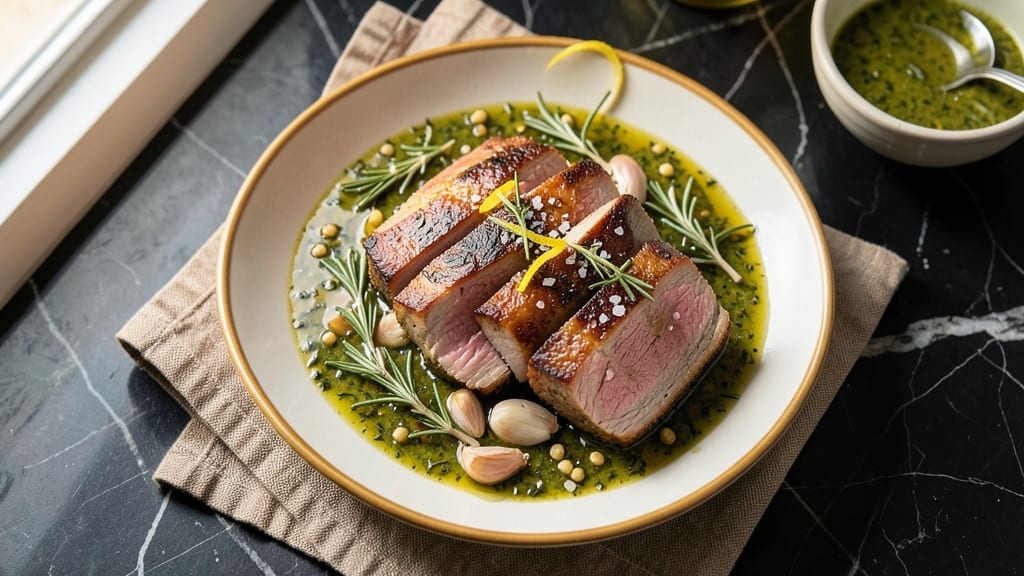
This amazing pork tenderloin recipe delivers melt-in-your-mouth perfection with a herb-infused crust and juicy medium-rare center—exactly what I perfected after years of butchering my own pork at the farm. The secret?
A balance of fresh rosemary, thyme, and garlic that clings to the meat while keeping the interior tender enough to cut with a fork. I've been serving this at family gatherings since I started raising my own pigs, and it never fails to disappear from the plate.
What makes this recipe truly foolproof is the reverse-sear method I developed—starting with a low oven temperature to cook the meat gently, then finishing with a quick sear in a screaming-hot skillet for that perfect crust.
No guesswork, no dry meat, just restaurant-quality results every time. The tenderloin stays juicy while developing deep, savory flavors from the herb rub, and the caramelized edges make it impossible to resist.
By the time you serve this, you'll have a perfectly tender center that slices cleanly, surrounded by a golden, herb-encrusted exterior that's crisp enough to stand up to any sauce. The aroma alone—rosemary, garlic, and that smoky sear—will have everyone gathering around the table before you even plate it.
This is the kind of pork dish that turns weeknight dinners into special occasions without the fuss.
Pair it with roasted root vegetables or a simple apple-cider glaze to complete the meal. Here's how to make it—no fancy equipment or techniques required, just good pork and a little patience. Let's get cooking!
Ingredients for amazing pork tenderloin
Fresh herbs, tender pork, and a foolproof reverse-sear method make this dish unforgettable.
| Ingredient | Amount | Notes |
|---|---|---|
| Pork Tenderloin 🥓 | 1 ½ lb | Center-cut, trimmed of silver skin |
| Fresh Rosemary 🌿 | ¼ cup | Finely chopped, stems removed |
| Fresh Thyme 🌿 | ¼ cup | Leaves only, stems removed |
| Garlic Cloves 🧄 | 6 cloves | Minced, for rub and pan |
| Extra-Virgin Olive Oil 🫒 | ¼ cup | For rub and searing |
| Diamond Crystal Kosher Salt 🧂 | 1 ½ tbsp | Plus extra for seasoning |
| Freshly Ground Black Pepper 🌶️ | 1 tsp | Coarsely ground |
| Unsalted Butter 🧈 | 2 tbsp | Cold, for finishing |
| Apple Cider Vinegar 🍎 | 1 tbsp | For tenderizing marinade |
| Honey 🍯 | 1 tbsp | For glaze option |
| Roasted Root Vegetables 🥕 | 2 cups | Carrots, parsnips, or potatoes |
The pork tenderloin is the star—look for a center-cut piece with good marbling, not the skinny ends. Local butcher shops or the meat counter at Whole Foods usually carry the best quality. Trim any silver skin before seasoning, and pat it completely dry with paper towels. That step makes all the difference for crisping. For the herbs, I grab organic rosemary and thyme from the grocery store's produce section, but if you're growing your own, fresh is even better. The garlic should be plump and firm, not sprouting. If you're prepping ahead, store the tenderloin uncovered in the fridge overnight—it dries out slightly, helping the crust form better later.
No fresh rosemary? Dried rosemary at half the amount works, but it won't have the same aroma. Short on thyme? Fresh oregano or marjoram can sub in a pinch. The apple cider vinegar is non-negotiable for tenderizing, but if you're avoiding it, lemon juice works too. For the honey glaze, maple syrup or agave are great swaps. The root vegetables can be any mix—carrots, parsnips, or potatoes all roast beautifully. If you're feeling fancy, add a sprinkle of fresh thyme to the veggies before roasting. And trust me, unsalted butter is worth the extra minute to chill it—it makes the finishing sear shine.
This dish reheats beautifully—just warm in a skillet with a splash of water or broth. Store the pork wrapped in foil in the fridge for up to 3 days, or freeze for 3 months. The roasted veggies keep well too, so make extra. For serving, I like to slice the pork against the grain into 1/2-inch thick medallions. They look impressive and stay juicy. The leftovers make killer sandwiches too—just add some Dijon mustard and apple slices for a quick lunch. And save those herb stems! Toss them in with the veggies for extra flavor.
Why You'll Love This Recipe
- Foolproof Timing: I swear by this 20-minute prep—just season, sear, and let the oven do the work. No hovering, no stress, just that perfect rosemary-garlic crust every time.
- Crispy-Creamy Magic: The olive oil sear locks in juices while the herbs caramelize into a fragrant crust. That crispy edge with the tender inside? My go-to for when I need restaurant-quality without the fuss.
- Weeknight to Dinner Party: Same recipe feeds two or six—slice it thin for sandwiches, serve it whole for company. Between us, it’s the one dish that makes me look like a hero without extra effort.
- Leftovers That Don’t Suck: Cold slices in salads? Yes. Reheated with a splash of broth? Even better. Honestly, I make a double batch on Sundays just to avoid takeout later.
Step-by-step instructions for herb-infused pork tenderloin
Here's how to achieve a perfectly tender, herb-crusted pork tenderloin with a juicy medium-rare core every time.
Create the Herb Marinade and Prep the Pork
In a small bowl, combine the 0.25 cup fresh rosemary, 0.25 cup fresh thyme, 6 cloves minced garlic, 0.25 cup extra-virgin olive oil, 1.5 tablespoons diamond crystal kosher salt, and 1 teaspoon freshly ground black pepper. Mix until the herbs are evenly distributed and the oil takes on a vibrant green hue.
Pat the 1.5 lb pork tenderloin dry with paper towels—this is crucial for developing that beautiful crust. Place the pork in a resealable plastic bag and pour the marinade over it, massaging it gently to ensure full coverage. Add the 1 tablespoon apple cider vinegar to the bag and seal tightly. Let it marinate in the refrigerator for at least 4 hours (overnight is even better), turning the bag occasionally for even penetration.
Preheat and Sear the Pork
Preheat your oven to 425°F. Remove the pork from the marinade (reserve the marinade for basting) and let it sit at room temperature for 20 minutes—this ensures even cooking. Heat a large oven-safe skillet over medium-high heat until it's very hot. Add the pork and sear on all sides for 2-3 minutes per side until it develops a deep golden-brown crust. The pork should release easily from the pan when ready to flip.
Here's the thing—don't rush this step. You want that crust to form before it hits the oven. If the pan isn't hot enough, the pork will steam instead of sear. Once seared, transfer the skillet to the preheated oven.
Roast to Perfect Medium-Rare
Roast the pork for 15-20 minutes until the internal temperature reaches 140-145°F on a meat thermometer. This is the sweet spot for medium-rare pork—juicy, tender, and far from dry. The pork is done when it registers 140°F in the thickest part (it will rise to 145°F as it rests).
During the last 5 minutes of roasting, baste the pork with the reserved marinade. This adds extra flavor and helps maintain moisture. If you prefer a glaze, brush on the 1 tablespoon honey during the final 2 minutes of roasting for a beautiful caramelized finish.
Rest and Serve with Roasted Vegetables
Transfer the pork to a cutting board and let it rest for 10-15 minutes before slicing. This resting period is non-negotiable—it allows the juices to redistribute, preventing them from running out when you cut into it. Tent loosely with foil to keep it warm.
While the pork rests, serve it alongside the 2 cups roasted root vegetables—their caramelized edges and natural sweetness pair beautifully with the herb-infused pork. Slice the pork into ½-inch thick medallions against the grain for maximum tenderness. Each bite should deliver juicy, flavorful pork with a perfectly seared exterior and a tender, pink center.
Pro Tips For Making Amazing Pork Tenderloin
- Sear Hard First: Get that pan screaming hot—45 seconds on high—before adding the pork. I used to rush this, and the meat just steamed instead of developing that caramelized crust. The first 2 minutes of searing lock in flavor better than any marinade.
- Trim the Fat: Pat the tenderloin dry with paper towels, then trim any silver skin or excess fat—it’s not going to brown nicely. I learned this the hard way when my first batch looked like it was swimming in its own juices instead of searing.
- Don’t Overcrowd the Pan: Cook the pork in one layer, even if it means two batches. I know, I know—you want to feed everyone now—but cramming it in just steams the meat. A single layer in olive oil gives you that golden crust every time.
- Rest Under Foil: After roasting, tent the pork with foil and let it sit for 5-10 minutes. I used to cut into it immediately, and the juices would run all over the pan instead of staying where they belong—in the meat. (Yes, even if you’re impatient like me.)
Best sauces and condiments for this recipe
Classic Apple Cider Glaze
This is my go-to sauce—simple, tangy, and perfectly balanced. In a small saucepan, combine ¼ cup apple cider vinegar, 2 tablespoons honey, and 1 tablespoon Dijon mustard. Simmer over medium heat for 3-4 minutes until slightly thickened.
Brush this glaze over the pork during the final 2 minutes of roasting for a glossy, caramelized finish. The acidity cuts through the richness while the honey adds subtle sweetness. 🍏
Creamy Garlic-Herb Sauce
For a richer option, melt ¼ cup unsalted butter in a skillet, then add 3 minced garlic cloves and cook for 30 seconds until fragrant. Pour in ½ cup heavy cream and simmer until slightly reduced.
Stir in 2 tablespoons chopped fresh thyme and 1 tablespoon chopped rosemary. Drizzle over sliced pork or use as a dipping sauce. This sauce pairs beautifully with the herb crust on the tenderloin. 🧈
Smoky Chipotle Aioli
Blend ½ cup mayonnaise, 1 teaspoon adobo sauce (from canned chipotles), 1 teaspoon lime juice, and ½ teaspoon smoked paprika until smooth. This smoky, slightly spicy sauce adds depth to the dish.
Serve it on the side for dipping or drizzle it over sliced pork. The chipotle heat complements the rosemary and thyme beautifully. 🌶️
Brown Sugar Balsamic Reduction
For a sweet-and-tangy contrast, combine 3 tablespoons balsamic vinegar, 1 tablespoon brown sugar, and 1 teaspoon Dijon mustard in a saucepan. Simmer over medium heat for 5-6 minutes, stirring constantly, until thickened.
Reduce the heat and add 1 teaspoon chopped fresh rosemary. Drizzle this reduction over the pork before serving for a sophisticated finish. 🍷
Honey-Mustard Pan Sauce
After searing the pork, deglaze the skillet with ¼ cup apple cider vinegar, scraping up any browned bits. Add 1 tablespoon honey and 1 teaspoon Dijon mustard, then simmer for 2 minutes until slightly thickened.
Pour this sauce over the sliced pork to create an instant pan sauce. It’s quick, flavorful, and uses ingredients you already have on hand. 🥄
Nutrition facts
Frequently asked questions
Can I use bone-in pork tenderloin for this recipe?
I recommend sticking with boneless tenderloin for this recipe—it cooks more evenly and stays juicier. Bone-in pieces often require longer cooking times, which can dry out the meat. The 1.5 lb boneless cut is perfect for the reverse-sear method, giving you that ideal medium-rare center every time. If you must use bone-in, reduce the oven temperature to 375°F and watch the internal temp closely.
How do I know when pork tenderloin is medium-rare?
Use a meat thermometer for accuracy—medium-rare pork registers 140-145°F internally. The 140°F reading is your target before resting, as it'll rise to 145°F while resting. For visual cues, look for a deep pink center with a slightly springy texture (it should feel firm but still yield slightly when pressed). Never rely on color alone—different cuts react differently to heat.
Can I grill this pork tenderloin instead of roasting?
For grilling, preheat to medium-high (400°F) and sear the pork in a hot skillet first, then transfer to the grill. Cook over direct heat for 8-10 minutes, turning occasionally, until reaching 140°F internally. Move to indirect heat for the final 5 minutes to finish cooking. The herb rub works perfectly on the grill too—just brush with extra olive oil before cooking for better char.
Why did my pork come out dry?
Dry pork usually means one of three things: overcooking, not resting properly, or starting with a lean cut. Always use a thermometer—145°F is the max safe temp. Let it rest 10-15 minutes before slicing (this redistributes juices). If your tenderloin looks particularly lean, brine it for 1 hour in ¼ cup salt per 4 cups water before cooking. And remember: pork tenderloin is a lean cut—don't skip the marinade or butter basting!
What's the best way to reheat leftovers?
Slice the pork into ½-inch medallions first, then reheat gently in a skillet with 1 tablespoon butter and 2 tablespoons chicken broth over medium-low heat for 3-4 minutes. The liquid prevents drying. For sandwiches, warm in a toaster oven at 350°F for 5 minutes. Never microwave—it turns pork tough and rubbery. Leftovers keep well for 3 days in the fridge or 3 months frozen.