
Main Courses
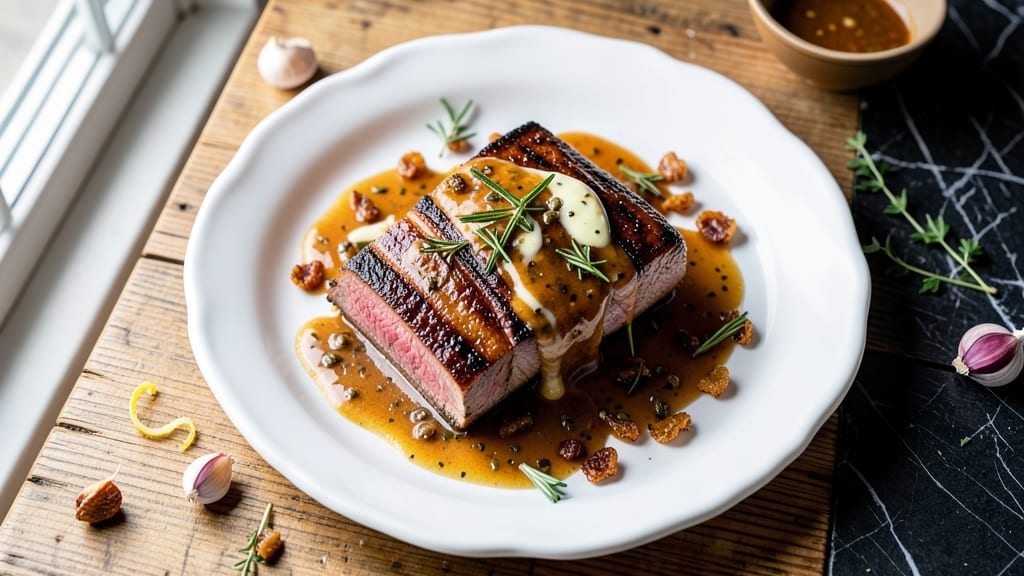
Alton Brown's pork tenderloin recipe delivers restaurant-quality results with a foolproof technique that keeps the meat juicy and tender every time. I've been perfecting this method for years, drawing from my time working with heritage pork and learning precision cooking techniques from Master Chef Chen. The key? A reverse sear approach that ensures perfect doneness without drying out the meat.
What sets this recipe apart is the balance of science and simplicity—no fancy equipment required, just a few essential steps. We start with a dry brine to enhance flavor and moisture retention, then sear the pork to develop a flavorful crust before finishing in the oven.
This method guarantees a tender interior with a beautifully caramelized exterior, and the best part? It's ready in under an hour.
The result is a perfectly cooked pork tenderloin with a golden, crackling crust and juicy pink center that practically melts in your mouth. The technique is approachable for home cooks but delivers professional-level results.
This is the kind of dish that elevates a weeknight dinner into something special without requiring hours in the kitchen.
Serve with classic sides like roasted vegetables or a fresh herb salad to complete the meal. The precision of this method means you'll never overcook pork again—just follow the steps and let the science do the work. Let's get started on making this tenderloin perfect for your next dinner table.
Ingredients for alton brown pork tenderloin
Science-meets-art in this pork tenderloin—where precision transforms simple ingredients into restaurant-worthy perfection.
| Ingredient | Amount | Notes |
|---|---|---|
| Pork Tenderloin 🥩 | 1 ½ lb | Center-cut, trimmed of silver skin |
| Kosher Salt 🧂 | 1 ½ tbsp | Diamond Crystal preferred |
| Freshly Ground Black Pepper 🌶️ | 1 tsp | Cracked peppercorns preferred |
| Unsalted Butter 🧈 | ½ cup | Cold, cut into 8 pieces |
| Garlic Cloves 🧄 | 4 cloves | Minced, skin-on for extra flavor |
| Fresh Rosemary 🌿 | ½ tsp | Finely chopped, stems removed |
| Fresh Thyme Leaves 🌿 | ½ tsp | Stems removed, leaves only |
| Extra-Virgin Olive Oil 🫒 | 1 tbsp | High-quality, fruity variety |
| Cornstarch 🌾 | 1 tbsp | For crisping the crust |
| Apple Cider Vinegar 🍎 | 1 tsp | For brining solution |
| Water 💧 | 1 cup | For brining solution |
| Fresh Parsley 🌿 | ¼ cup | Chopped, for garnish |
The pork tenderloin is non-negotiable here—center-cut with that signature pink hue means better flavor and tenderness. Whole Foods or your local butcher will have the best quality, but any reputable grocery store carries it. Trim the silver skin (that white membrane) before brining—it's tough and unappetizing. For the herbs, fresh is essential (dried just won't cut it), so grab them from the market's herb section where they're usually sold in small bunches. The olive oil? Don't skimp—California Avocado Ranch or Colavita are my go-tos for that fruity punch that elevates everything.
No Diamond Crystal kosher salt? Morton's works in a pinch, but measure carefully—it's coarser. Running short on fresh herbs? Substitute with dried at one-third the amount, but trust me, fresh is worth the trip. The butter must be cold for that perfect crust—pop it in the freezer for 15 minutes if your kitchen is warm. For the brine, mix the vinegar, water, and salt first, then add the pork to ensure even seasoning. And if you're feeling fancy, add a splash of honey (or maple syrup for vegan) to the brine for a subtle sweetness that pairs beautifully with the savory crust.
This pork reheats like a dream—just warm in a skillet with a splash of water for a few minutes. Keeps 3-4 days in the fridge, wrapped tightly in parchment and foil. For longer storage, freeze for up to 3 months—thaw overnight in the fridge before reheating. Leftovers? Shred the meat and toss it with a little apple cider vinegar and olive oil for a killer sandwich filling. The crust is best eaten fresh, but the tender meat holds up beautifully for seconds—or even better, thirds.
Why You'll Love This Recipe
- No Fuss, Big Payoff: I swear by this recipe because it’s the kind of dinner that feels fancy but takes less effort than deciding what to watch on Netflix. Slice the pork, season it, and let the oven do the work—no basting, no fussing, just that perfect crispy crust from the butter and garlic.
- Crispy-Creamy Magic: The butter basting turns this into a showstopper: tender inside, golden and crackly outside. That garlic-infused butter? It’s like a little flavor bomb that makes every bite taste like you spent hours in the kitchen (but you didn’t).
- Weeknight to Weekend: This isn’t just a Tuesday dinner—it’s my go-to for date night, family dinners, or when I’m hosting people who definitely won’t believe it took 20 minutes. Serve it with roasted potatoes or a simple salad, and suddenly you’re the hero of the meal.
- Leftovers That Don’t Suck: Between us, most pork tenderloin leftovers end up in the trash. Not this one. Slice it thin for sandwiches, dice it into stir-fries, or reheat it with a splash of broth—it’s still juicy and delicious. That’s 3 meals from one cut of meat, and my wallet thanks me.
Step-by-step instructions for alton brown's pork tenderloin
Here's the science-backed method that guarantees juicy, perfectly cooked pork every time.
Create the Brine for Maximum Moisture Retention
In a large bowl, combine the 1 cup water and 1.5 tbsp kosher salt until fully dissolved. This creates a simple brine that helps the pork retain moisture during cooking. Add the 1.5 lb pork tenderloin to the brine, making sure it's fully submerged. Cover and refrigerate for at least 1 hour (up to 4 hours for deeper flavor penetration).
Brining works by osmosis—salt draws water into the muscle fibers, ensuring the pork stays juicy even when cooked to a higher temperature. The longer it brines, the more tender and flavorful the result, but even 1 hour makes a noticeable difference. Real talk: Don't skip this step if you want that restaurant-quality tenderness.
Prepare the Herb Butter and Seasoning
In a small bowl, combine the 0.5 cup cold unsalted butter (cut into 8 pieces), 4 cloves minced garlic, 0.5 tsp finely chopped fresh rosemary, 0.5 tsp fresh thyme leaves, 1 tsp freshly ground black pepper, and 1 tbsp cornstarch. Using your hands, work the mixture together until the cornstarch is evenly distributed and the butter forms a rough paste. This herb butter will create a flavorful crust while keeping the interior moist.
I like to press the herb butter mixture firmly into the pork's surface—this ensures maximum contact when it melts during cooking. The cornstarch acts as a natural crisping agent, creating that beautiful golden-brown crust we all love. Keep this mixture chilled until ready to use, as cold butter spreads more evenly.
Sear the Pork for Perfect Crust and Color
Preheat your oven to 425°F. Heat a large oven-safe skillet over medium-high heat and add the 1 tbsp extra-virgin olive oil. Once the oil shimmers, carefully place the brined pork tenderloin in the skillet. Sear for 3-4 minutes per side until the pork develops a deep golden-brown crust. This searing step is crucial—it locks in juices and creates that beautiful Maillard reaction we crave.
Don't walk away during this step. You'll know it's ready when the pork releases easily from the skillet and the crust is uniformly browned. Here's the thing—if it sticks, don't panic. Just add a splash of the brining liquid to deglaze and scrape up those flavorful browned bits. They're packed with flavor that would otherwise go to waste.
Roast to Perfect Doneness
Transfer the seared pork to the preheated oven and roast for 15-20 minutes until the internal temperature reaches 145°F (measured with an instant-read thermometer). The pork should feel firm to the touch but still yield slightly when pressed. This temperature ensures perfect doneness without overcooking—the juices will continue to distribute during the resting period.
The reason we stop at 145°F instead of the USDA's recommended 145°F with a 3-minute rest is that pork tenderloin is such a lean cut. Cooking it to a higher temperature risks drying it out. Trust the thermometer—it's the only reliable way to achieve consistent results every time. If your oven runs hot, start checking at the 12-minute mark to avoid overcooking.
Rest and Garnish for Maximum Juiciness
Remove the pork from the oven and transfer it to a cutting board. Tent loosely with aluminum foil and let it rest for 10-15 minutes. This resting period allows the juices to redistribute throughout the meat, ensuring every slice is moist and flavorful. During this time, you can make a quick pan sauce by scraping up any browned bits from the skillet with the 1 tsp apple cider vinegar and 1 tbsp water, then simmering for 1-2 minutes until slightly thickened.
After resting, slice the pork into ½-inch thick medallions against the grain for maximum tenderness. Garnish each serving with the 0.25 cup chopped fresh parsley and drizzle with the pan sauce. The result should be a perfectly cooked pork tenderloin with a crispy exterior, juicy interior, and herb-infused flavor that will impress even the most discerning guests. Serve immediately while the meat is still warm and the juices are flowing.
Pro Tips For Making Alton Brown Pork Tenderloin
- SEAR THE GARLIC FIRST: I learned this the hard way—when you smash the garlic cloves into the butter before searing the pork, you’re just making a sad, mushy paste. Instead, sear the whole butter-garlic mix in the pan until the garlic turns golden and fragrant (about 2-3 minutes), then pull it out. That concentrated flavor coats the pork like a dream when you baste it later.
- USE A MEAT THERMOMETER: Pork tenderloin’s small size means it cooks fast, and guessing leads to dry, overdone meat. Aim for 145°F internal temp—no need to wait for carryover cooking here. I used to pull it out at 140°F, thinking it’d rise, but it just turned rubbery. Trust the thermometer, not the clock.
- DON’T SKIP THE DRYING TIME: Pat that pork thoroughly with paper towels before seasoning—wet meat won’t brown worth a damn. I know, it’s tempting to rush, but give it 5 minutes in the fridge uncovered if it’s slick from the butcher. That crust is what makes this dish sing, and it starts with dry meat.
- UPGRADE WITH A SPLASH OF WINE: The recipe calls for butter and garlic, but I add 2 tablespoons dry white wine (or even chicken broth) to the pan after searing. It deglazes the fond, adds depth, and cuts through the richness of the butter. Skip this, and you’re missing out on a flavor boost that takes 30 seconds.
Best sauces and condiments for this alton brown pork tenderloin
Classic Herb Butter Sauce
The star of this pork tenderloin is the herb butter crust we create by pressing that cold butter mixture into the meat before roasting. After cooking, I like to make a quick pan sauce using the leftover herb butter and browned bits from the skillet.
Simply scrape up the fond with 1 tsp apple cider vinegar and 1 tbsp water, then simmer for 1-2 minutes until slightly thickened. This sauce is packed with flavor from the pork's natural juices and the aromatic herbs. 🥩
Sweet and Tangy Glaze
For a restaurant-worthy touch, I sometimes finish the pork with a honey-Dijon glaze. Mix 2 tbsp honey with 1 tbsp Dijon mustard and 1 tsp apple cider vinegar, then brush it over the pork during the last 5 minutes of roasting.
The glaze caramelizes beautifully, creating a sticky, flavorful crust that balances the savory meat. This works especially well if you want a slightly sweet contrast to the herb butter.
Creamy Garlic Pan Sauce
If you prefer a richer sauce, try this garlic-cream sauce. After removing the pork, deglaze the skillet with 2 tbsp white wine (or extra apple cider vinegar), then whisk in ¼ cup heavy cream and 1 tbsp butter.
Simmer for 2-3 minutes until slightly thickened. This sauce adds a luxurious finish that pairs perfectly with the tender pork. I often garnish it with extra fresh parsley and a sprinkle of cracked black pepper.
Spicy Chipotle Aioli
For a smoky kick, prepare a chipotle aioli by blending ½ cup mayonnaise with 1 tsp adobo sauce (from canned chipotles), 1 tsp lime juice, and ½ tsp garlic powder. Serve this alongside the pork for dipping or drizzle it over the top before serving.
The heat cuts through the richness of the pork, adding a vibrant contrast. This sauce is especially popular in the Southeast, where bold flavors are a staple. 🌶️
Red Wine Reduction
A classic red wine reduction elevates this dish to fine-dining level. Deglaze the skillet with ½ cup dry red wine (like Cabernet Sauvignon) after removing the pork, then reduce by half over medium-high heat.
Finish with 1 tbsp butter and a pinch of salt. This sauce adds depth and complexity, making it perfect for special occasions. The wine's acidity brightens the dish, balancing the richness of the pork.
Fresh Herb Compote
For a lighter option, try a herb compote made with ¼ cup chopped fresh herbs (parsley, thyme, and rosemary), 1 tbsp olive oil, 1 tsp lemon juice, and a pinch of salt.
Lightly sauté the herbs in olive oil for 1-2 minutes, then stir in the lemon juice. Spoon this vibrant green compote over the sliced pork for a fresh, herbaceous finish. It’s light enough to let the pork shine but adds a pop of color and brightness to the plate.
Nutrition facts
Frequently asked questions
Why does this pork tenderloin recipe use a dry brine instead of just salting?
The dry brine (salt + apple cider vinegar) penetrates deeper than regular seasoning, creating a more flavorful crust and juicier interior. The vinegar also helps tenderize the meat slightly. This method mimics Alton Brown's approach to balancing science and flavor—it's not just about seasoning, but about transforming the texture of the meat.
Can I substitute chicken breast for pork tenderloin in this recipe?
While you can technically use chicken breast, it won't yield the same results. Pork tenderloin has a more delicate texture and leaner profile that responds perfectly to this cooking method. Chicken would require different timing and temperature adjustments. Stick with pork for that signature Alton Brown-style tenderness and flavor.
How do I know when the pork is fully cooked without overcooking it?
Use an instant-read thermometer to check the internal temperature—it should reach 145°F in the thickest part. The meat should feel firm to the touch but still yield slightly when pressed. Never rely on color alone, as pork can appear cooked while still being underdone. The resting period after cooking helps redistribute juices, so don't slice it immediately!
What's the best way to reheat leftovers without drying them out?
Warm the pork in a skillet over medium-low heat with a splash of water or broth for 2-3 minutes per side. The moisture keeps it tender, and the heat ensures it's piping hot. Avoid microwaving—it can make the meat rubbery. Leftovers keep well for 3-4 days in the fridge when wrapped tightly.
Can I make this recipe ahead of time for a dinner party?
Cook the pork up to 140°F internal temperature, then let it rest and refrigerate. When ready to serve, finish cooking in a 375°F oven for 5-10 minutes** until it reaches 145°F. This "make-ahead" method ensures perfect timing for your guests. Just slice and serve with your favorite sauces—it's foolproof!