
Main Courses
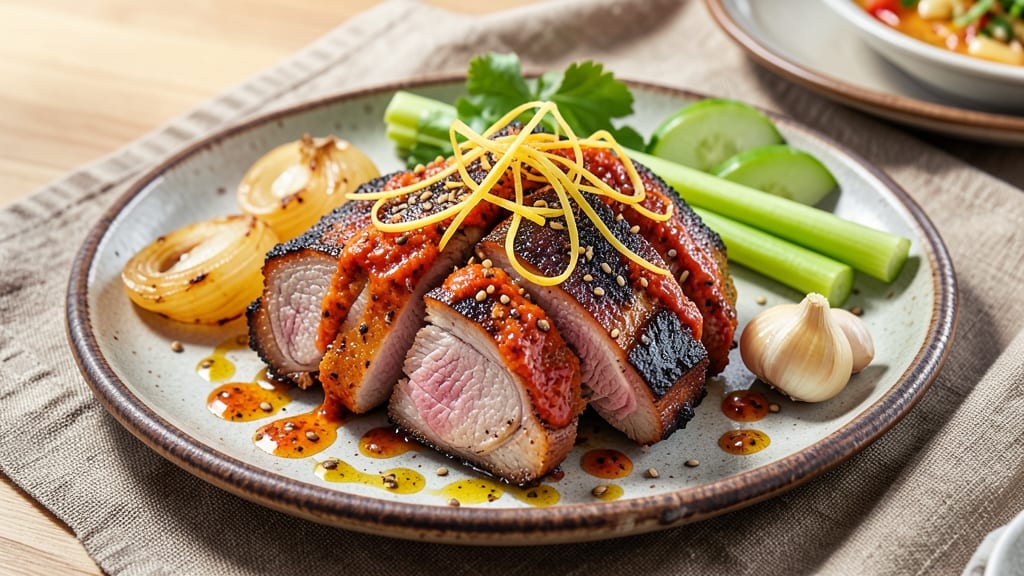
Alison Roman's pork shoulder harissa recipe delivers restaurant-quality spice and tenderness with a technique that transforms tough meat into melt-in-your-mouth perfection. 🔥 The key? A slow-cooked shoulder basted with harissa—where the North African spice blend's heat meets the pork's natural richness, creating a balance that's both bold and comforting. I've adapted this method for home cooks, ensuring crispy edges and juicy centers without requiring a smoker or hours of babysitting.
What sets this dish apart is Roman's signature crispy celery crowns—a simple but stunning garnish that adds textural contrast to every bite. The pork shoulder cooks low and slow until fork-tender, then finishes with a harissa glaze that caramelizes into a sticky, aromatic crust.
This isn't just another pulled pork recipe; it's a celebration of spice and technique that elevates a classic cut into something extraordinary.
The result is pork that practically falls apart at the touch, with crispy edges that hold their shape and a sauce that's perfectly balanced—spicy enough to wake up your palate but sweet enough to satisfy.
The celery crowns add a delicate crunch that cuts through the richness, while the harissa's depth of flavor makes this dish unforgettable. This is the kind of recipe that turns weeknight dinners into special occasions.
Serve with warm flatbread to soak up every last bit of that harissa-infused juices, or pair it with a simple arugula salad to balance the heat. The leftovers reheat beautifully, making this a perfect meal prep option for busy weeks. Let's get cooking—your taste buds won't know what hit them.
Ingredients for alison roman pork shoulder harissa
Six pounds of pork, bold spices, and crispy celery crowns transform into unforgettable spicy-sweet shreds.
| Ingredient | Amount | Notes |
|---|---|---|
| Boneless Pork Shoulder 🥩 | 4 lb | Well-marbled for juiciness |
| Harissa Paste 🌶️ | ½ cup | High-quality brand preferred |
| Yellow Onion 🧅 | 1 whole | Large, yellow variety |
| Garlic Cloves 🧄 | 8 cloves | Peeled and smashed |
| Fresh Ginger 🌿 | 1 inch | Peeled and sliced thin |
| Celery Stalks 🧅 | 4 whole | Thick, for crispy crowns |
| Fresh Ginger 🌿 | 2 tbsp | Grated, for harissa glaze |
| Honey 🍯 | ¼ cup | Wildflower preferred |
| Apple Cider Vinegar 🍶 | ¼ cup | For tangy balance |
| Olive Oil 🫒 | ½ cup | Extra-virgin for richness |
| Salt 🧂 | 1 ½ tbsp | Diamond Crystal preferred |
| Black Peppercorns 🌶️ | 1 tsp | Freshly cracked |
| Ground Cumin 🌿 | 1 tsp | Toasted for depth |
| Smoked Paprika 🌶️ | 1 tsp | For smoky aroma |
| Fresh Cilantro 🌿 | ¼ cup | Chopped, for garnish |
The pork shoulder is the star—look for a well-marbled cut at your butcher or grocery store's meat counter. Costco or Whole Foods often carry excellent options, but any reputable grocery store will have a good one. The harissa paste makes all the difference—avoid the watery, bland brands found in some international aisles. Bella Spice or Mezze are reliable choices. For the celery crowns, grab the thickest stalks you can find—they crisp up beautifully. If you can't find thick celery, use regular stalks but cut them slightly smaller for even cooking.
No harissa paste? Make your own with roasted red peppers, garlic, cumin, coriander, and cayenne—it's easier than you think. Short on honey? Maple syrup works beautifully for that sweet-spicy balance. The apple cider vinegar adds tang, but white vinegar or lemon juice will work in a pinch. For the celery crowns, don't skip the olive oil—it's what gets them crispy. If you're worried about the pork being too fatty, trim any large fat deposits before cooking. The ginger is crucial—freshly grated makes all the difference, but powdered works if you're in a bind (use half the amount).
This dish tastes even better the next day—plan ahead and make extra for leftovers. Store the cooked pork in an airtight container with some of its juices for up to 5 days in the fridge. For longer storage, portion into freezer bags and freeze for up to 3 months. The crispy celery crowns are best served fresh, but you can reheat them in the oven at 350°F for 5 minutes if needed. The harissa glaze can be made ahead and stored in the fridge for 1 week—just reheat gently before using.
Why You'll Love This Recipe
- One-Pan Magic: I swear by this recipe when I’m too tired to scrub pots—just sear the pork, toss in the harissa paste with onions and garlic, then let the oven do the work. The ginger and harissa caramelize right on that sheet pan, so cleanup is basically wiping crumbs off my fingers.
- Flavor Bomb: That smoky harissa paste with fresh ginger? It’s the kind of heat that lingers in your mouth just right—not overwhelming, but there. The pork shoulder melts into tender, pull-apart perfection while staying juicy, and the onions turn sweet and sticky. Honestly, I’ve made it three times this month and still reach for the leftovers.
- Weeknight Workhorse: This feeds my family of four with room for seconds, and it’s the only dish I can make when I’m not sure what anyone’s craving. Serve it with crusty bread for dinner, slice it cold for sandwiches the next day, or even toss it into grain bowls—it’s that adaptable. (Yes, even on a Tuesday night.)
- Budget Stretch: Pork shoulder is my go-to for stretching meals without breaking the bank, and this recipe makes enough for leftovers that taste just as good reheated. I’ve used this to turn a simple weeknight into a “special” meal without the grocery bill for fancy cuts. Plus, the harissa paste adds depth for pennies compared to buying pre-made sauces.
Step-by-step instructions for alison Roman's pork shoulder harissa
Transform tough pork shoulder into melt-in-your-mouth shreds with crispy celery crowns using this bold technique.
👨🍳 Step 1: Prepare the Pork and Celery Crowns
Pat the 4 lb boneless pork shoulder dry with paper towels—this is crucial for crispy bark. In a small bowl, whisk together 0.5 cup harissa paste, 0.25 cup honey, 0.25 cup apple cider vinegar, 0.5 cup olive oil, 1.5 tbsp salt, 1 tsp ground cumin, and 1 tsp smoked paprika. Rub this mixture all over the pork, pressing it into the meat so it adheres.
For the celery crowns, cut the 4 whole celery stalks into 3-inch sections. Trim the base flat so they sit upright. These will become your crispy garnish—don't skip this step. Place the pork and celery in a roasting pan, arranging the celery around the pork shoulder. Let everything sit at room temperature for 30 minutes before cooking.
🔥 Step 2: Sear and Slow-Roast the Pork
Preheat your oven to 300°F. Place the pork shoulder fat-side up in the roasting pan (the fat will baste the meat as it cooks). Roast uncovered for 4 hours, then reduce heat to 275°F and continue cooking for another 2-3 hours until the internal temperature reaches 195-203°F and the meat pulls apart easily with two forks.
Here's the thing—patience pays off. The pork needs time to break down into tender shreds. Check the celery crowns after the first 2 hours; if they're not golden, broil for 2-3 minutes to crisp them up. The pork should have a deep mahogany bark, and the celery should be caramelized and crisp.
🍳 Step 3: Build the Harissa Glaze
While the pork rests, make the glaze. In a small saucepan, combine 2 tbsp grated fresh ginger, 8 smashed garlic cloves, 1 inch sliced fresh ginger, and 1 whole yellow onion (cut into wedges). Cook over medium heat for 8-10 minutes until the onion softens and the aromatics release their fragrance.
Add 0.25 cup apple cider vinegar and simmer for 5 minutes to reduce slightly. Stir in 0.25 cup honey and cook for another 2 minutes until the glaze thickens slightly. This glaze will add depth and stickiness to your shredded pork—don't rush this step.
🥘 Step 4: Shred and Glaze the Pork
Transfer the pork to a cutting board and let it rest for 15-20 minutes before shredding. This resting period is critical—it allows the juices to redistribute, ensuring tender, moist shreds. Once rested, shred the pork using two forks, pulling it apart against the grain. Discard any large fat chunks.
Return the shredded pork to the roasting pan and pour the harissa glaze over it. Toss gently to coat evenly. The pork should be glistening and sticky—this is where the magic happens. Return the pan to the oven and broil for 2-3 minutes to caramelize the glaze slightly and add extra crispiness.
🍽️ Step 5: Serve with Crispy Celery Crowns
Garnish the shredded pork with the crispy celery crowns and 0.25 cup chopped fresh cilantro. The contrast of the crispy celery against the tender pork is what makes this dish special. Serve immediately with warm flatbread or crusty bread to soak up all that delicious harissa sauce.
Each bite should deliver a perfect balance of spicy, sweet, and smoky flavors with that satisfying crunch from the celery crowns. The pork should be so tender it nearly falls apart, and the glaze should cling beautifully to every shred.
Pro Tips For Making Alison Roman Pork Shoulder Harissa
- CRANK THE HEAT FIRST: Alison Roman’s recipe starts with a sear—don’t skimp on the time or the temperature. Get that pork shoulder screaming hot in a dry skillet for 8-10 minutes per side until it’s deep golden. I used to rush this, and the meat ended up grayish and dry. The crust is where all the flavor hides, so no shortcuts here.
- GRATE THAT GINGER FINE: Fresh ginger in harissa dishes is non-negotiable, but the texture matters. Use a microplane or the smallest holes on a box grater—you want it almost paste-like, not chunky. I learned this the hard way when I chopped it and ended up with a dish that tasted underwhelming. Trust me, the finer, the better.
- DON’T DROWN THE MEAT: The braising liquid should come halfway up the pork shoulder, no more. Too much liquid = soggy meat, not tender. If your pot’s shallow, use a Dutch oven or add the pork in stages. I once added too much broth and spent hours waiting for it to reduce—don’t make my mistake.
- SALT THE PORK TWICE: Season the pork shoulder before searing with 1-2 teaspoons of salt (yes, even if it’s kosher). Then, after braising, salt the harissa paste and aromatics generously before adding them to the pot. Flavor builds in layers, and this ensures every bite packs a punch. I was skeptical until I tried it—now it’s habit.
Best sauces and condiments for alison roman pork shoulder harissa
Harissa Glaze Perfection
The star of this dish is the harissa glaze, where sweet and spicy collide. I use 2 tbsp grated fresh ginger and 8 smashed garlic cloves as the aromatic base, cooking them until fragrant before adding 0.25 cup apple cider vinegar for tang.
The 0.25 cup honey balances the heat while creating that signature sticky texture. For extra depth, I toast 1 tsp ground cumin and 1 tsp smoked paprika separately and fold them into the glaze at the end. This isn't just a sauce—it's the soul of the dish. 🌶️
Pro tip: Let the glaze reduce slightly before tossing it with the pork. This ensures it clings beautifully to each shred, creating that restaurant-quality finish. I like to finish with a quick broil for 2-3 minutes to caramelize the edges—this adds another layer of complexity.
The glaze should coat the pork like a second skin, not pool at the bottom of the pan.
Crispy Celery Crowns
These aren't just garnishes—they're the textural hero of the dish. I cut 4 thick celery stalks into 3-inch sections and trim the base flat so they stand upright. The secret to crispy perfection?
A light coat of olive oil and a high-heat broil. Arrange them around the pork shoulder in the roasting pan so they catch the drippings and become caramelized. 🧅
For even crispier results, I broil them for 2-3 minutes after the pork has cooked. The contrast between the tender pork and crispy celery is what makes this dish unforgettable. Store-bought celery often lacks the thickness, so I always buy the thickest stalks I can find at my local market.
If you're short on time, you can par-cook them with the pork and finish them under the broiler later.
Yogurt Sauce Cooling
When the harissa's heat feels overwhelming, a simple yogurt sauce is the perfect counterbalance. I whisk 1 cup plain Greek yogurt with 1 tbsp lemon juice, 1 tsp honey, and a pinch of salt.
The tang cuts through the richness while adding a creamy contrast. This isn't just a side—it's a flavor reset that makes every bite more dynamic. 🥛
For extra depth, I sometimes fold in 1 tbsp chopped fresh mint or 1 tsp ground cumin into the yogurt sauce. Serve it on the side or drizzle it lightly over the pork just before serving.
The key is balance—just enough to tame the heat without overpowering the dish. This is especially helpful when serving to guests who prefer milder flavors.
Harissa Butter
This is my go-to finishing touch for extra richness. I melt 4 tbsp unsalted butter with 1 tbsp harissa paste and a pinch of salt, then swirl it into the shredded pork just before serving.
The butter adds a velvety texture while amplifying the harissa's depth. It's like a flavor bomb in every bite. 🧈
For a more elegant presentation, I sometimes dot the pork with small pools of this harissa butter before serving. The contrast between the crispy celery crowns, tender pork, and rich butter creates a symphony of textures.
If you're feeling adventurous, you can even infuse the butter with 1 tsp grated garlic or ½ tsp smoked paprika for an extra layer of complexity.
Pickled Red Onions
Bright, tangy pickled onions add a refreshing crunch that cuts through the richness. I slice 1 small red onion thinly and quick-pickle it in ½ cup apple cider vinegar, 1 tbsp honey, and ½ tsp salt for at least 30 minutes.
The acidity balances the heat while adding a pop of color to the plate. 🧅
These onions are best made ahead—they develop more flavor over time. I like to serve them on the side so guests can add as much or as little as they prefer.
For extra depth, I sometimes add a few grains of black pepper or a pinch of cayenne to the pickling liquid. The onions should be crisp and bright, not soggy or overpowering.
Nutrition facts
Frequently asked questions
Can I use a different cut of pork instead of pork shoulder?
While pork shoulder is ideal for its fat content and tenderness when cooked low-and-slow, you can substitute with pork butt (they're essentially the same cut) or bone-in pork shoulder if you prefer. Avoid leaner cuts like tenderloin—they won't render enough fat for that signature crispy bark. If using bone-in, just add 15-20 minutes to the cooking time.
How do I adjust the heat level in the harissa glaze?
The harissa's heat depends on the paste you use—some brands are milder, others fiery. For a milder version, reduce the harissa to 0.25 cup and add 1 tbsp honey or 1 tsp maple syrup to balance. For extra heat, stir in ½ tsp cayenne pepper or a pinch of red pepper flakes. Always taste as you go!
What's the best way to reheat leftovers?
Reheat in a skillet over medium-low heat with 1-2 tbsp broth or water to prevent drying. For crispy celery crowns, warm them separately in the oven at 375°F for 3-4 minutes. Avoid microwaving—the pork becomes rubbery. Leftovers keep well for 5 days in the fridge or 3 months frozen.
Can I make this in a slow cooker instead of the oven?
Brown the pork in a skillet first, then transfer to a slow cooker with all ingredients (except celery crowns). Cook on low for 8 hours or high for 5-6 hours. For crispy celery, add them to a baking sheet and broil for 3-4 minutes after cooking. The slow cooker method works best for busy days but may yield slightly less crispy edges.
Why does my pork turn out dry?
Overcooking is the #1 cause—pork is done at 195-203°F, not higher! Cover it tightly with foil after the first 2 hours to trap moisture. Also, never skip the 15-20 minute rest before shredding—juices redistribute during this time. If using a meat thermometer, insert it into the thickest part without touching bone.